EN
EN
 CN
CN
 fr
fr es
es ar
ar ru
ru de
de pt
pt tr
tr vi
vi it
it ja
ja ko
ko hi
hi

Manganese Dioxide Complete Industrial Guide 2026
A practical buyer's guide to MnO2, EMD, manganese filter media, activated MnO2, and chemical MnO2
Manganese dioxide (MnO2) is a surprising factor in many industrial purchasing decisions. Batteries utilize it for high-performance cathodes; water treatment operations depend on its surface reactivity to treat iron, manganese, and odor contaminants; chemicals manufacturers require its oxidation capability. Color, activity or manganese content must remain constant in ceramic, pigment, glass, sealants and specialty materials applications.
Such varied applications are precisely the reason that MnO2 should not be bought as a generic black powder. Different grades serve different purposes - whether it's purity, activity, coating capability, particle properties or documentation. This page serves as a guide to help buyers and technical experts navigate these considerations, complete with links to the cluster articles that detail each one.
Quick Navigation
- What is manganese dioxide?
- How MnO2 functions in industrial systems
- Manganese dioxide applications / EMD in batteries
- Manganese dioxide in water treatment
- Chemical MnO2 as an oxidizing agent
- Safety, standards, and handling
1. What Is Manganese Dioxide?
Manganese dioxide is an inorganic form of manganese oxide and is commonly available as dark brown to black powder, granules or coated filtration media. In most cases, it is water insoluble and sufficiently stable for use in industrial applications, but its real worth lies in its performance in oxidation reactions and electron transfer reactions. Manganese dioxide may play a role in forming solid filterable iron in one plant, whereas in another plant, it may be used for controlled discharge of batteries or selective oxidation.
What makes a difference is that MnO2 products in commerce have their specific uses. Naturally formed manganese dioxide, electrolytic manganese dioxide, chemical manganese dioxide, activated manganese dioxide and manganese filter media are not interchangeable materials. What gives stable colors in a ceramic glaze may not pass the battery test, whereas an exceptionally active oxidation product may be unacceptable for certain trace metal constraints.
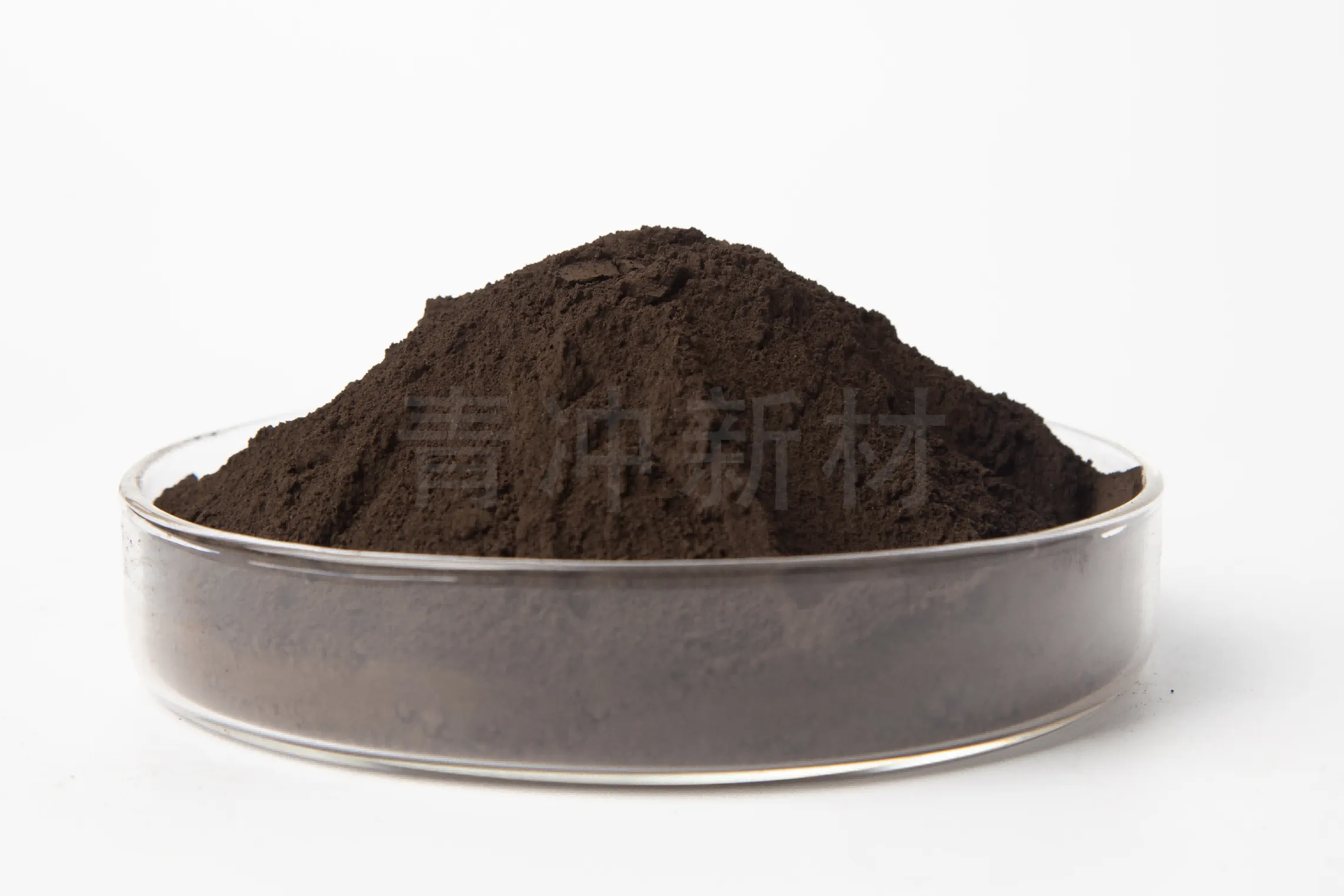
| Property | Industrial relevance |
|---|---|
| Chemical formula | MnO2 |
| Appearance | Dark brown to black powder, granule, or coated media depending on grade |
| Core functions | Oxidation, catalysis, electron transfer, color formation, filtration support |
| Common product families | NMD, EMD, CMD, activated MnO2, manganese filter media |
| Key buying variables | Purity, activity, surface area, particle size, impurity profile, moisture, pH, transport classification |
Main Commercial MnO2 Grades
| Grade | How it is produced | Typical use cases |
|---|---|---|
| Natural MnO2 (NMD) | Mined manganese ore processed by beneficiation | Glass, pigments, metallurgy, lower-cost industrial uses |
| Electrolytic MnO2 (EMD) | Controlled electrolysis of purified manganese sulfate solution | Alkaline batteries, lithium-primary batteries, LMO precursor, ceramics |
| Chemical MnO2 (CMD) | Chemical redox route from manganese salts | Industrial oxidation, pigments, chemical intermediates |
| Activated MnO2 (AMD/ACMD) | Treated or engineered for higher surface activity | Organic synthesis, sealants, catalytic oxidation |
| Manganese filter media | Granular media with an active MnO2 surface or coating | Iron, manganese, and hydrogen sulfide removal in water systems |
Deep dive: What Is Manganese Dioxide and Why Does It Matter? | What Is the Function of MnO2? | Key Applications and Industrial Value
2. How MnO2 Works: Catalysis, Oxidation, and Electron Transfer
The basis of action of MnO2 is the variable oxidation state of manganese. This feature is important, but its application in the production process depends on what the application is. For water treatment, the reactive surface allows for the oxidation of dissolved iron and manganese and the subsequent filtration out of the resultant precipitates. When used as a battery cathode, high purity EMD accepts electrons upon battery discharge. During chemical synthesis, a specific oxidation path may require choosing of CMD or activated MnO2 due to their specific reactivity.
This is where many errors occur in the procurement process. There are similar principles of mechanism, but completely different characteristics of product. Battery experts pay attention to the crystal phase, trace metals, particle-size distribution, moisture, pH, and electrochemistry. For water treatment specialists, media reactivity, media grain size, attrition, bed hydraulics, backwash characteristics, and regenerability matter. For chemicals producers, oxidizing activity index, surface area, moisture, reaction selectivity, filtration, and lot-to-lot repeatability.
| Industrial role | What MnO2 does | Best-matched grade |
|---|---|---|
| Catalytic oxidizer | Accelerates oxidation reactions and supports contaminant conversion | Manganese filter media, activated MnO2, selected CMD grades |
| Electron-transfer material | Accepts electrons in electrochemical discharge | Battery-grade EMD |
| Industrial oxidizing agent | Oxidizes selected organic or inorganic targets | CMD or activated MnO2 |
| Functional colorant/raw material | Provides manganese content and brown-black color response | EMD, CMD, or selected natural MnO2 |
Deep dive: How Does Manganese Dioxide Work as a Catalyst? | Chemical MnO2 as an Industrial Oxidizing Agent
3. Electrolytic Manganese Dioxide (EMD)
The electrolytic form of manganese dioxide is generally the initial choice for MnO2 grades that require higher purity and consistency. This starts with the feeding of manganese raw materials, which then get transformed to a purified electrolyte containing manganese sulfate. Electrodeposition of MnO2, harvesting, washing, neutralizing, drying, milling, and grading for the desired grade complete the process.
In the market, EMD finds its applications associated mainly with alkaline batteries, zinc-carbon batteries, lithium primary batteries, and LMO precursors manufacturing. It has a share in ceramics glaze applications where consistency in color and impurities are required. Natural MnO2 may be cheaper, but EMD offers a consistent path to consumers.
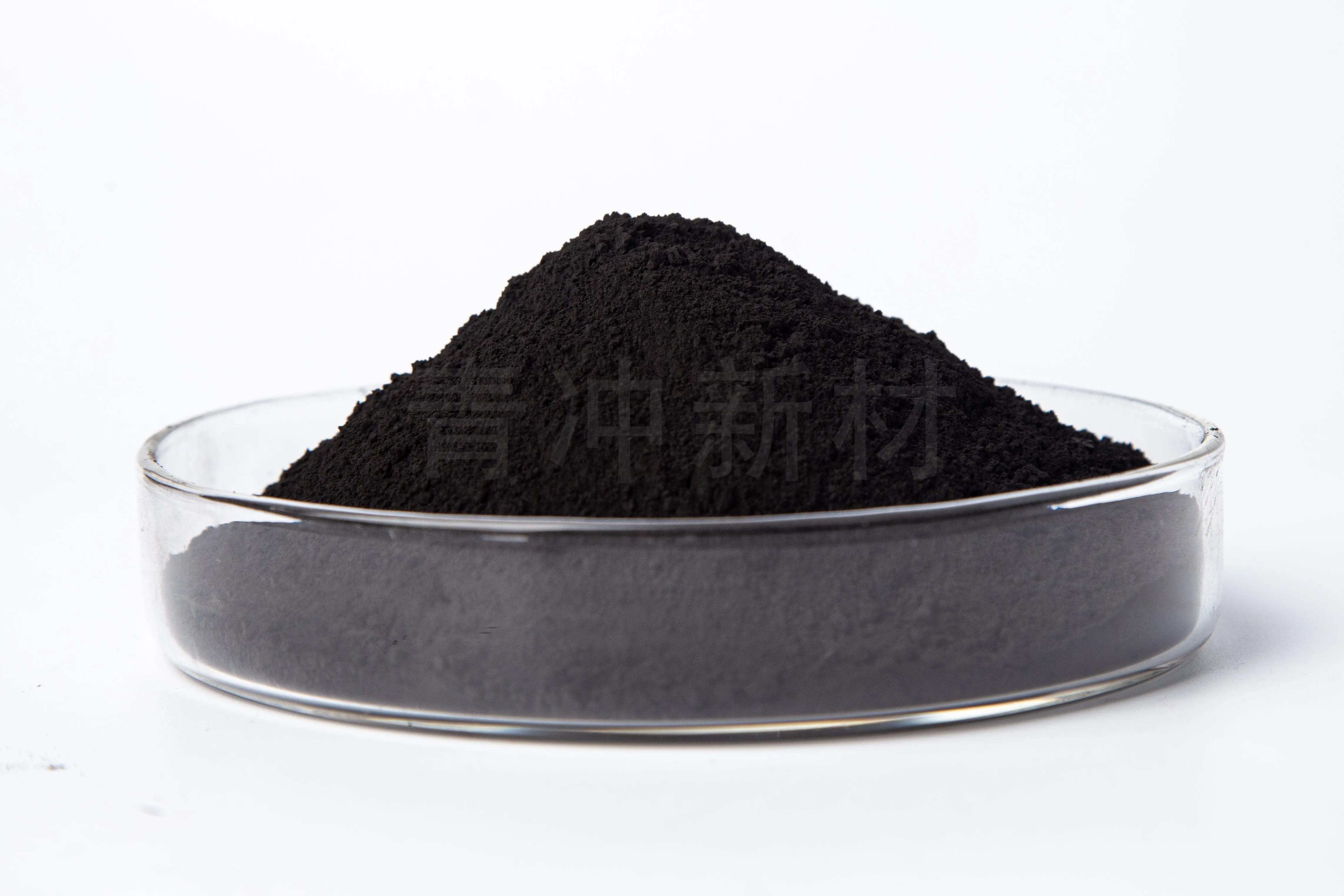
Key EMD Specification Areas
| Specification area | Why buyers should check it |
|---|---|
| MnO2 content | Supports electrochemical capacity and product qualification |
| Trace metals | Fe, Cu, and other impurities can affect battery performance and shelf life |
| BET surface area | Influences reaction interface and electrochemical behavior |
| Particle-size distribution | Affects mixing, packing density, process handling, and consistency |
| Moisture and pH | Important for storage stability, downstream processing, and formulation control |
| Batch consistency | Critical for qualified battery, ceramic, and precursor supply chains |
For energy storage buyers, the lowest unit price rarely tells the whole story. An EMD that looks attractive on a quotation can turn into more expense if it ends up driving discharge variation, creating qualification delays, raising scrap, or producing unstable shelf life results. A better procurement approach asks for a full Certificate of Analysis, a recent lot history, and application-specific technical data before any volume commitments are made.
Deep dive: What Is EMD in a Battery? | EMD Production Process | EMD vs Natural Manganese Dioxide | EMD Pricing Explained | High-Purity EMD for Lithium-Ion Batteries | EMD for Ceramic Glazes | 2026 EMD Market Trends
4. Manganese Filter Media for Water Treatment
The MnO2-based filter media consists of manganese as a granular filter medium with active surface. Iron, manganese, and occasionally hydrogen sulfide contamination present in groundwater, drinking water facilities, agricultural wellwater and process water of industries result in staining, metallic taste and odor, sediment formation, and downstream equipment problems. When the water flows through the bed, the active surface provides for oxidation reactions, which transform the soluble contaminants to form particles that can be captured during the backwash.
It should be noted that the filter media have to be considered within the framework of the entire treatment system. Such factors as raw water composition, pH, dissolved oxygen, oxidant pre-feed, flow rates, bed thickness, backwash flow rate, and regeneration procedures impact the efficiency of the media. Sometimes, although the media looks promising in the table with products, it does not perform efficiently if the backwash flow cannot expand the bed, or the site conditions do not maintain the active surface.
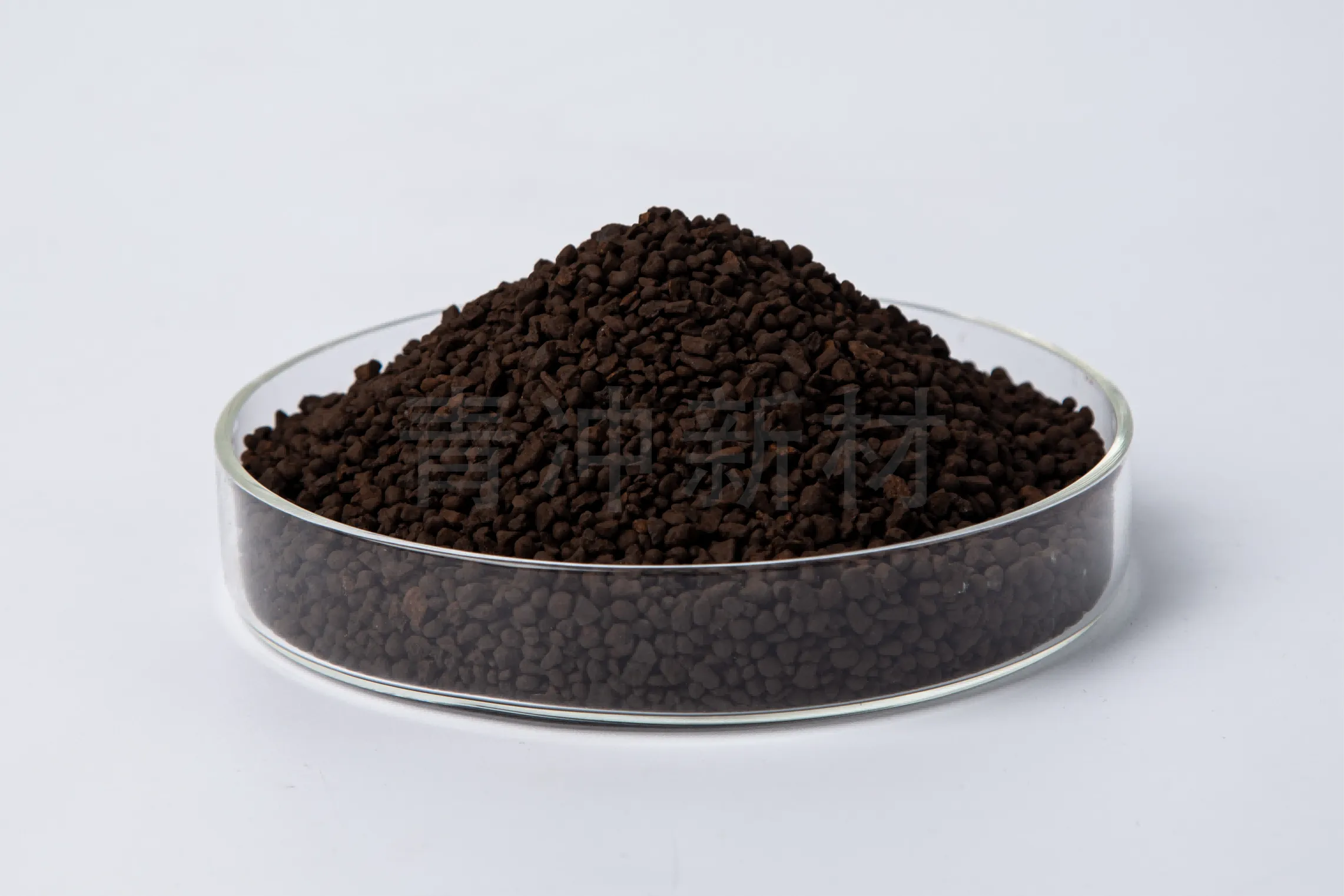
Selection Factor Checklist
| Selection factor | Buyer or engineer question |
|---|---|
| Raw water chemistry | What are the iron, manganese, hydrogen sulfide, pH, alkalinity, and dissolved oxygen levels? |
| Media activity | Does the supplier provide MnO2 activity or coating-performance data? |
| Grain size and hardness | Will the media support the required service flow and resist attrition? |
| Backwash capacity | Can the system deliver enough flow to clean and reclassify the bed? |
| Regeneration method | Is chemical regeneration required, and is the operator equipped to manage it safely? |
| Technical support | Can the supplier help with commissioning, troubleshooting, and replacement planning? |
Compared with ordinary sand, manganese filter media does more than grab particles; it also provides an active oxidation surface. Compared with greensand or Birm, the “best” pick really comes down to raw-water chemistry, the operating pH, oxidant strategy, regeneration preference, and maintenance capability. For longer-term projects, stable operation usually matters more than the absolute cheapest media price.
Deep dive: How MnO2 Works in Water Treatment | Application of Manganese Dioxide in Water Treatment | Backwashing and Regeneration Requirements | Manganese Filter Media vs Sand Filters | Filter Media vs Greensand vs Birm | 2026 Filtration Market Trends
5. Activated MnO2 and Chemical MnO2
Activated manganese dioxide and chemical manganese dioxide are often considered together because they both are used in applications where chemical activity is more important than electrochemical purity. Applications include organic synthesis, oxidation reactions in industry, specialty chemicals, sealants, colorants, and certain catalysts. However, there is no way to tell whether such a product is active enough by looking at the MnO2 percentage.
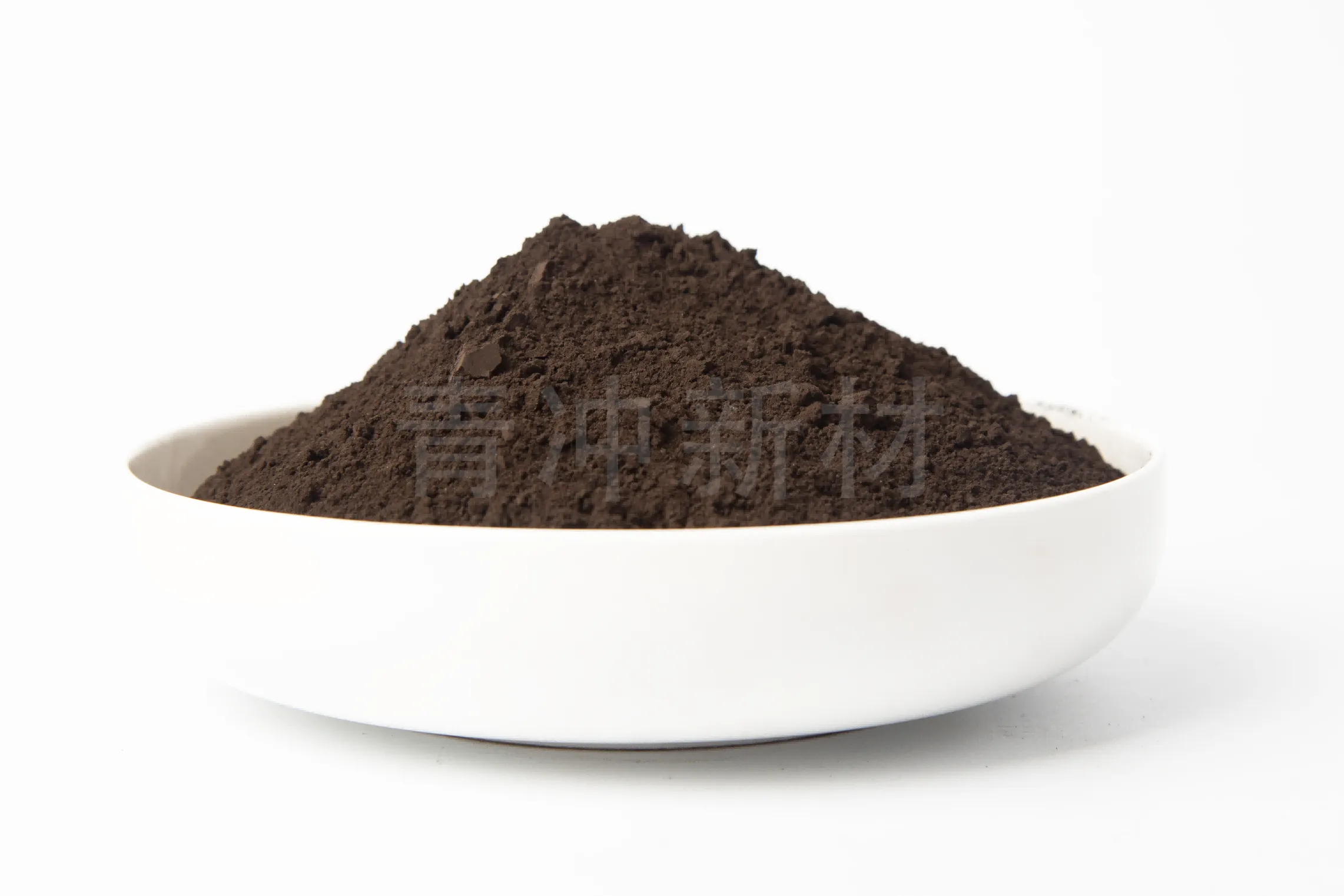
Activated Manganese Dioxide (ACMD)
Activated MnO2 is altered or engineered for increased surface area and oxidizing capability. CMD is manufactured by chemical methods and may represent an ideal compromise between activity, price, and availability. It is difficult to give a chemical manufacturer a general answer to such questions as "Which grade is purer?" The more specific question would be whether the product has the necessary conversion, selectivity, filterability, impurities, and batch-to-batch reproducibility in the process.
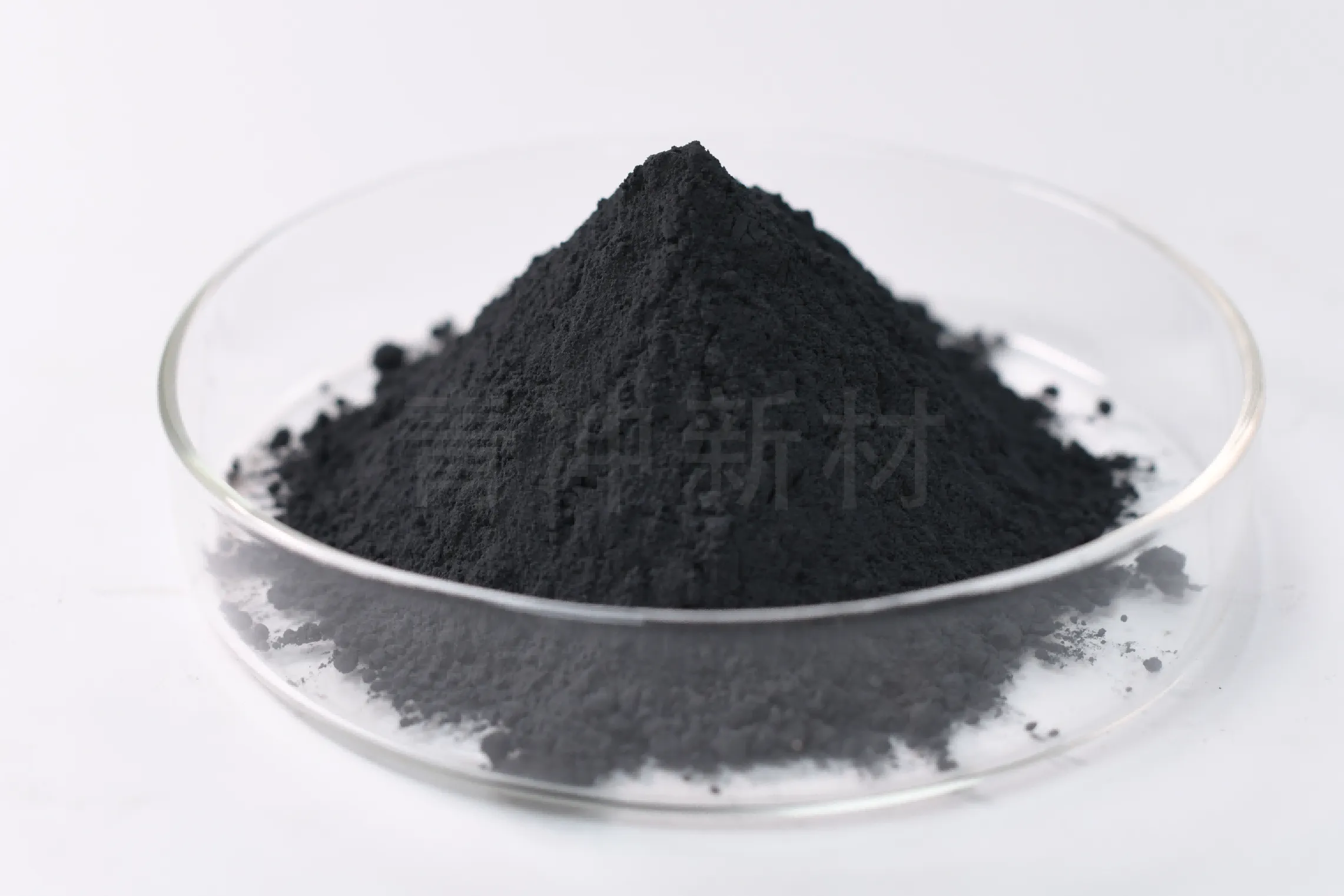
Chemical Manganese Dioxide (CMD)
Comparison Matrix
| Comparison factor | Activated MnO2 | Chemical MnO2 | EMD |
|---|---|---|---|
| Primary strength | High surface activity | Cost-effective industrial oxidation | Purity and electrochemical consistency |
| Typical applications | Organic synthesis, sealants, catalysts | Industrial oxidation, pigments, chemical intermediates | Batteries, LMO precursor, ceramics |
| Common buyer focus | OAI, surface area, moisture, PSD | OAI, purity, impurity profile, supply consistency | Trace metals, BET, PSD, moisture, electrochemical behavior |
| Battery suitability | Generally not recommended | Generally not recommended | Preferred grade family |
For CMD and activated MnO2 sourcing, useful documentation includes oxidizing activity data, moisture levels, particle size distribution, impurity profile, the production route, sample lot comparisons, plus any application-specific test results. If the material is being used for pharmaceutical or fine chemical production, the buyer might also ask for trace metal or compliance paperwork, based on their own regulatory obligations.
Deep dive: What Is Activated Manganese Dioxide? | Chemical Manganese Dioxide Explained | CMD as an Oxidizing Agent | CMD vs EMD | Activated MnO2 vs Natural MnO2 | CMD Market and Sourcing Guide
6. Safety, Standards, and Responsible Handling
Manganese dioxide must be managed as an industrial chemical rather than as a common mineral filler material. Fine MnO2 may produce airborne dust, while most commercial products necessitate oxidizer-specific transport, storage, and handling practices. For more precise classifications, labels, exposure levels, and shipping regulations, refer to your supplier's latest SDS(Safety Data Sheet) in relation to the particular product grade and target market.
A reasonable management plan would entail dust management, local exhaust ventilation, proper respiratory protective equipment for dusty processes, protection for eyes and skin, segregation from incompatible substances, dry storage, training of handlers, and emergency procedures. For customers in the water treatment and batteries industries, documentation will also be a safety consideration prior to any shipment, namely SDS, transport classification, CoA, and technical data sheets.
| Documentation to request | Why it matters |
|---|---|
| Current SDS/MSDS | Confirms hazards, PPE, storage, emergency response, and disposal guidance |
| Certificate of Analysis | Verifies chemistry and grade-specific quality data |
| Transport documents | Helps confirm dangerous-goods handling and logistics requirements |
| Technical Data Sheet | Summarizes product performance parameters and usage guidance |
| Regulatory or third-party documentation | May be needed for drinking-water, battery, or fine-chemical applications |
Deep dive: Manganese Dioxide Safety, Standards, Handling, and Responsible Use
7. How to Choose the Right MnO2 Grade
The most common MnO2 sourcing mistake is buying from the headline number, like MnO2 percentage, unit price, or some generic product name. A more solid selection process starts with the application, then works backward through the required mechanism, grade family, the specification package, and finally the supplier qualification process. Battery makers, water-treatment engineers, ceramic producers, and chemical manufacturers may all purchase manganese dioxide, but they are not really buying the same performance— even if the label looks similar.
Application and Grade Selection Matrix
| Application | Recommended grade family | Key specifications to confirm |
|---|---|---|
| Alkaline and zinc-carbon batteries | Battery-grade EMD | MnO2 content, trace metals, BET, PSD, moisture, pH, batch consistency |
| Lithium-primary batteries or LMO precursor | High-purity or ultrapure EMD | Tighter trace-metal profile, controlled particle properties, application qualification |
| Ceramic glazes and pigments | Ceramic-grade EMD or selected MnO2 grade | Color consistency, Fe/Si control, D50, firing behavior |
| Municipal or industrial iron and manganese removal | Manganese filter media | MnO2 activity, grain size, hardness, attrition, backwash requirement |
| Organic synthesis and specialty oxidation | Activated MnO2 or CMD | OAI, BET, moisture, PSD, impurity profile, selectivity |
| Sealants and specialty formulations | Activated MnO2 | Activity, moisture, particle size, dispersion behavior |
| Glass decolorization and basic pigments | Natural MnO2 or CMD | MnO2 content, Fe profile, cost stability, particle size |
Supplier Qualification Checklist
- Request CoA data in full, not just MnO2 percentage.
- Determine the manufacturing process - natural, electrolytic, chemical, activated, or coated media.
- Compare a few recent lots if consistency is required.
- Get information on SDS, transport classification, packaging, and storage conditions.
- In case of vital applications, conduct a lab or pilot qualification before bulk purchase.
- Determine technical support level, delivery stability, and after-sales assistance.
- Analyze total cost of ownership, including yields, waste, regeneration, shipping, and downtime risk.
An experienced supplier must know which MnO2 grade to use, which parameters are crucial, and in what situations a cheaper grade could or couldn't be considered as an option. This information is sometimes even more important than the price in some high-risk applications, like batteries, water purification, and fine chemicals.
Ready to Source the Right MnO2 Grade?
Hunan QingChong New Materials Co., Ltd. offers manganese dioxide products to industry customers looking for the correct grade, useful technical assistance, and proper documentation. Regardless of whether it is an EMD, CMD, activated MnO2, manganese filter media, or any other manganese chemical requirement, the first step will always be specification analysis.
Contact Hunan QingChong New Materials Co., Ltd. with your application, required grade, target specification, packaging needs, and documentation requirements.
[Contact us now for your customized quotations]
FAQ
Is manganese dioxide the same for batteries and water treatment?
No. Battery applications usually require high-purity EMD with controlled electrochemical properties. Water treatment uses granular manganese filter media with an active surface designed for oxidation and filtration.
Can CMD replace EMD?
CMD can be suitable for many industrial oxidation applications, but it is generally not a direct replacement for battery-grade EMD. The decision depends on purity, activity, impurities, particle size, and process qualification results.
Why is MnO2 percentage not enough for purchasing?
Two materials with similar MnO2 content can behave very differently because of crystal structure, surface area, trace metals, particle-size distribution, moisture, and activity. Buyers should ask for specifications tied to the actual application.
What documents should buyers request before ordering?
At minimum, request a current SDS, CoA, technical datasheet, transport classification information, packaging details, and sample-lot data. Critical applications may also require third-party testing or additional regulatory documentation.