EN
EN
 CN
CN
 fr
fr es
es ar
ar ru
ru de
de pt
pt tr
tr vi
vi it
it ja
ja ko
ko hi
hi

Manganese Dioxide Used in Water Treatment: How Does It Work?
1. Why Manganese Dioxide Matters in Water Treatment?
Water treatment systems around the world currently and continually experience extreme difficulties with iron, manganese, hydrogen sulfide, and color or odor in raw water supplies. These contaminants affect the appearance and taste of water, but the worst is that they cause scaling in pipelines, equipment corrosion, and general system inefficiency.
In turn, many of the modern systems use manganese dioxide water treatment solutions instead of traditional filtration materials. Compared to the ordinary sand or gravel media, manganese-based media offers both chemical and physical treatment functions, allowing higher efficiency in the removal of contaminants.
This article identifies how manganese dioxide works within water treatment systems, from its mechanism of working to applications and commercial value to the buyers of such systems, distributors, and purchasers of manganese chemicals.
2. What is manganese dioxide filter media in water treatment systems?
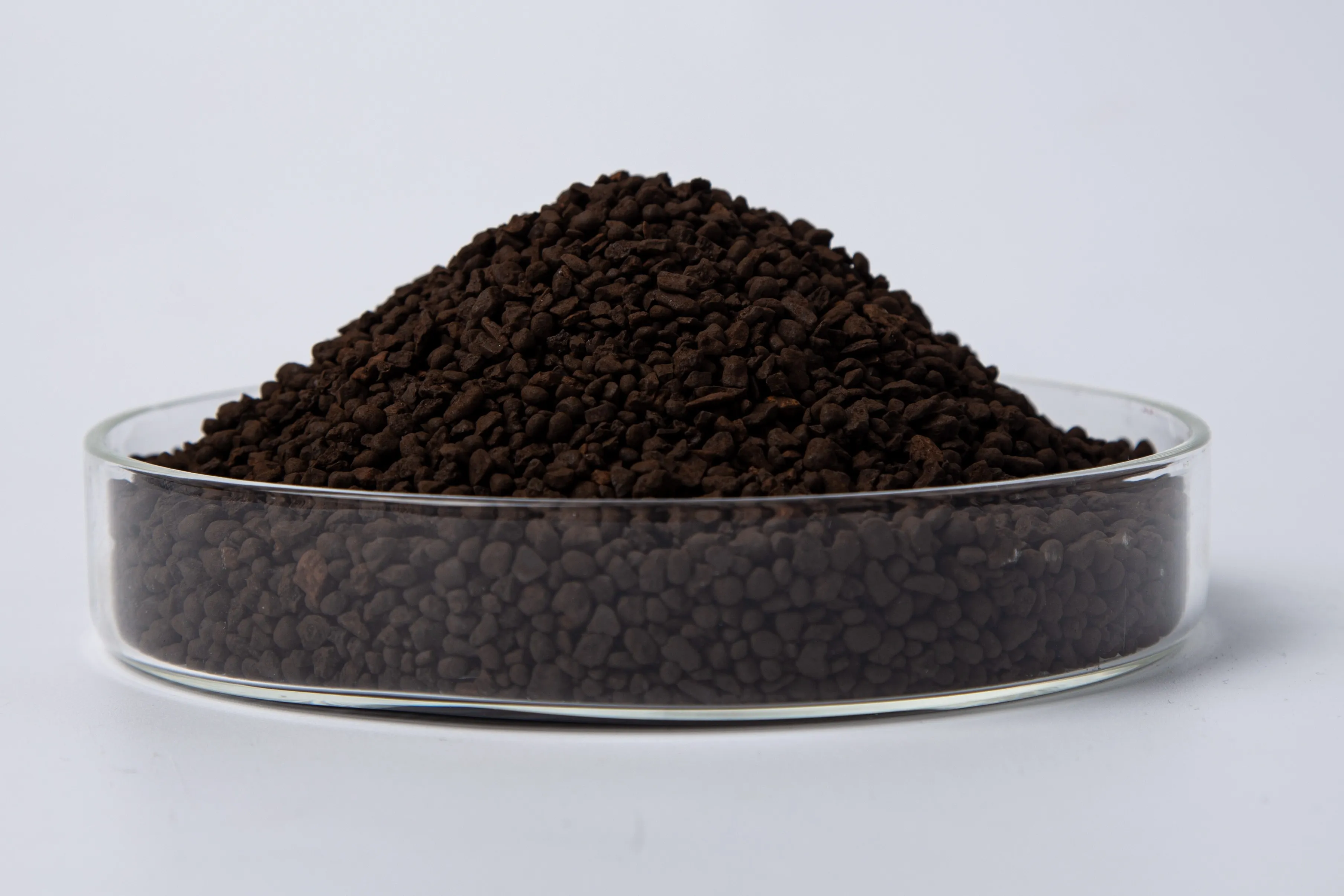
Manganese filter media is a granular filtration medium with main base natural mineral substrates and high manganese dioxide content (MnO₂). It was used in fixed-bed filtration systems for the treatment of groundwater, drinking water, and industrial water.
Physical manganese sand filter media is characterized by dark, dense granules with a hard surface structure. Its performance depends fundamentally on several factors, such as MnO₂ content, particle size range, and mechanical stability. Higher manganese dioxide concentration generally gives rise to stronger oxidation capability and longer operational life.
Unlike traditional quartz sand, manganese dioxide filter media is an active participant in chemical reactions during filtration. Instead of merely trapping particles, it catalyzes oxidation processes that result in the conversion of dissolved contaminants into removable solids, therefore making it a functional medium and not a passive one.
3. How Manganese Dioxide Works in Water Treatment Systems
1) Catalytic Oxidation with Manganese Dioxide Water Treatment Media
Iron and manganese in solution—that is, Fe²⁺ and Mn²⁺—are very problematic to remove by simple physical filtration, as they remain soluble in water. Manganese dioxide water treatment media serve as a catalyst to speed the oxidation reactions of these dissolved iron and manganese ions into insoluble forms.
MnO₂ accelerates the oxidation of iron and manganese when water passes through a manganese dioxide filter bed, mainly under conditions of aeration or chlorination. The media itself is not consumed in this reaction; hence, it will allow operation to be continuous without frequently having chemical replenishment.
This catalytic behavior significantly reduces reaction time and makes manganese dioxide filter media suitable for compact and high-flow treatment systems.
2) Filtration and Adsorption by Manganese Filter Media
After oxidation, the iron and manganese form solid particles that can be removed physically. The surface texture and pore structure of manganese sand filter media contribute to the capture of particles by mechanical interception and surface adhesion.
As contaminants build up in the filter bed, periodic backwashing dislodges the trapped solids and renews the filtration capacity. Uniformly sized particles enhance backwash efficiency, prevent channeling, and ensure consistent long-term system performance.
4. Key Contaminants Removed by Manganese Dioxide Filter Media
- Iron: Prevents red-brown discoloration, scaling, and metallic taste
- Manganese: Responsible for removing black discoloration or sedimentation
- Hydrogen Sulphide: Reduces odour and corrosive effects
- Certain heavy metals and organic odors: Improve the overall quality of water
Manganese dioxide filter media helps protect the downstream equipment while improving the satisfaction of end-users by targeting aesthetic and technical water quality issues.
5. Typical Water Treatment Applications Using Manganese Dioxide Media
1) Groundwater and Well Water Treatment
Sources of ground water often have high levels of iron and manganese. Manganese filter media has been used in numerous well water systems as a result of its high oxidation capacity with relatively low chemical dosage.
Manganese-based media offers faster contaminant conversion and reduced maintenance compared to standard sand filters and thus is suitable for applications in both rural and industrial wells.
2) Municipal and Drinking Water Pre-treatment
MnO₂ filter media is applied as a pretreatment or polishing layer in municipal treatment plants. It makes the downstream filtration, disinfection, and membrane systems more efficient by stabilizing the quality of influent water.
3) Industrial Water and Wastewater Treatment Applications
Controlled water quality is necessary for many industrial processes in order to reduce equipment damage and to ensure consistent product quality. Applications of manganese dioxide water treatment include cooling water systems, process water loops, and wastewater pretreatment.
Manganese filter media helps reduce iron and manganese content, therefore minimizing fouling, corrosion, and unplanned downtime.
4) Commercial and Residential Filtration Systems
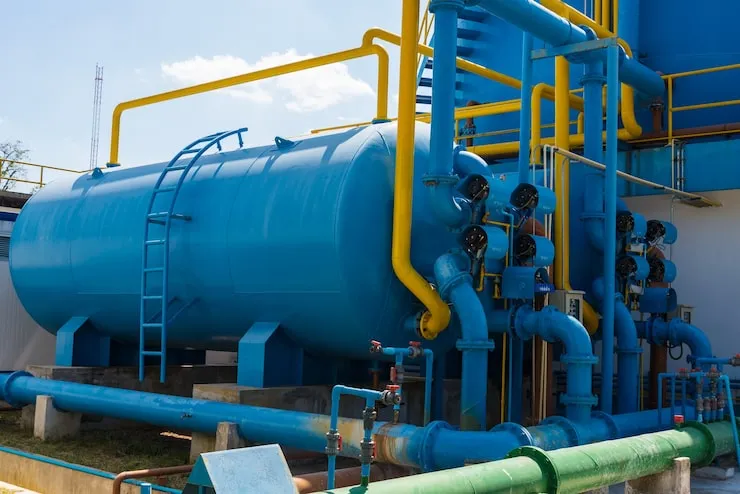
The pressure vessel filtration units commonly use manganese sand filter media in commercial buildings, hotels, and residential communities. Its stable performance, with low chemical dependency, makes it suitable for small- to medium-scale systems.
6. Why Buy High-Quality Manganese Filter Media from a Reliable Export Supplier
Manganese dioxide filter media performance in use will be very much related to material quality. A stable MnO₂ content assures regularity in the oxidation performance, whereas a granule size within narrow limits improves hydraulic behavior and backwash efficiency.
Natural mineral-based media typically provides longer service life with less frequency of replacement, which reduces the operating cost. Export suppliers with strict quality control systems maintain consistency from batch to batch, which is very important for distributors and project contractors alike.
7. Practical Considerations for Buyers and System Designers
The selection of manganese filter media requires careful evaluation of raw water conditions. Iron and manganese concentrations, pH level, and flow rate all impact the performance of media.
Most manganese dioxide water treatment systems operate within a moderate pH range and benefit from pre-oxidation if the contaminant levels are excessively high. The bed depth and filtration velocity should be optimized in balance with efficiency versus pressure loss.
Proper system design and operation can do much to minimize long-term maintenance costs and prolong media life.
8. A Proven and Affordably Effective Water Treatment
Manganese dioxide combines catalytic oxidation with effective filtration to provide one of the most important chemical compounds used in water treatment today. It has proven its capability in removing contaminants such as iron, manganese, and sulfide, thus making it reliable in municipal, industrial, and commercial systems.
For buyers and distributors, investing in superior manganese dioxide filter media provides assurance of steady system performance and predictable operating costs. With increasingly stringent standards for water quality, reliable manganese-based filtration materials remain part of a prudent strategy.
Specifications, technical documentation, and pricing inquiries should be obtained where appropriate. Professional consultation should be provided to ensure that media performance matches the project requirements.
🔗 Visit Our Effective Water Treatment Filter Media Solution for your perfect project.FAQs
1. In what way does manganese dioxide water treatment differ from sand filtration?
Manganese dioxide is an oxidizing agent of dissolved contaminants, while sand is a physical filtration media.
2. Is manganese sand filter media appropriate for water with high iron?
Yes, it is particularly effective for groundwater with high levels of iron and manganese.
3. How long does manganese dioxide filter media last?
Service life is dependent upon water quality and operation, but good quality media normally endures several years of operation.
4. Is chemical regeneration necessary in manganese filter media?
Most systems use catalytic oxidation and periodic backwashing, minimizing the consumption of chemicals.
5. What checks should buyers conduct in the process of sourcing manganese dioxide filter media?
Key issues include MnO₂ content, granularity uniformity, mechanical strength, and reliability of the supplier.