EN
EN
 CN
CN
 fr
fr es
es ar
ar ru
ru de
de pt
pt tr
tr vi
vi it
it ja
ja ko
ko hi
hi

Electrolytic Manganese Dioxide Production Process–Premium EMD for Strategic Industries
I. Why Electrolytic Manganese Dioxide Matters in Modern Industry
In today's industrial fields like battery production and chemical processing, material standardization and performance dependability are the main factors to consider in product quality and operational effectiveness. Consequently, electrolytic manganese dioxide (EMD) has emerged as a material of choice in these sectors due to its highest purity, consistent structure, and tight physicochemical characteristics.
Natural manganese dioxide, on the other hand, is a source of variable impurities and possesses inconsistent crystal morphology. EMD, however, is derived from a perfectly controlled electrochemical process that guarantees constant composition and predictable performance. Furthermore, with the world demand for advanced energy storage systems and high-performance materials in the chemical industry continuously increasing, it has become more and more important for international procurement personnel and technical decision-makers to grasp the production advantages and material characteristics of EMD.
II. What Is Electrolytic Manganese Dioxide (EMD)?
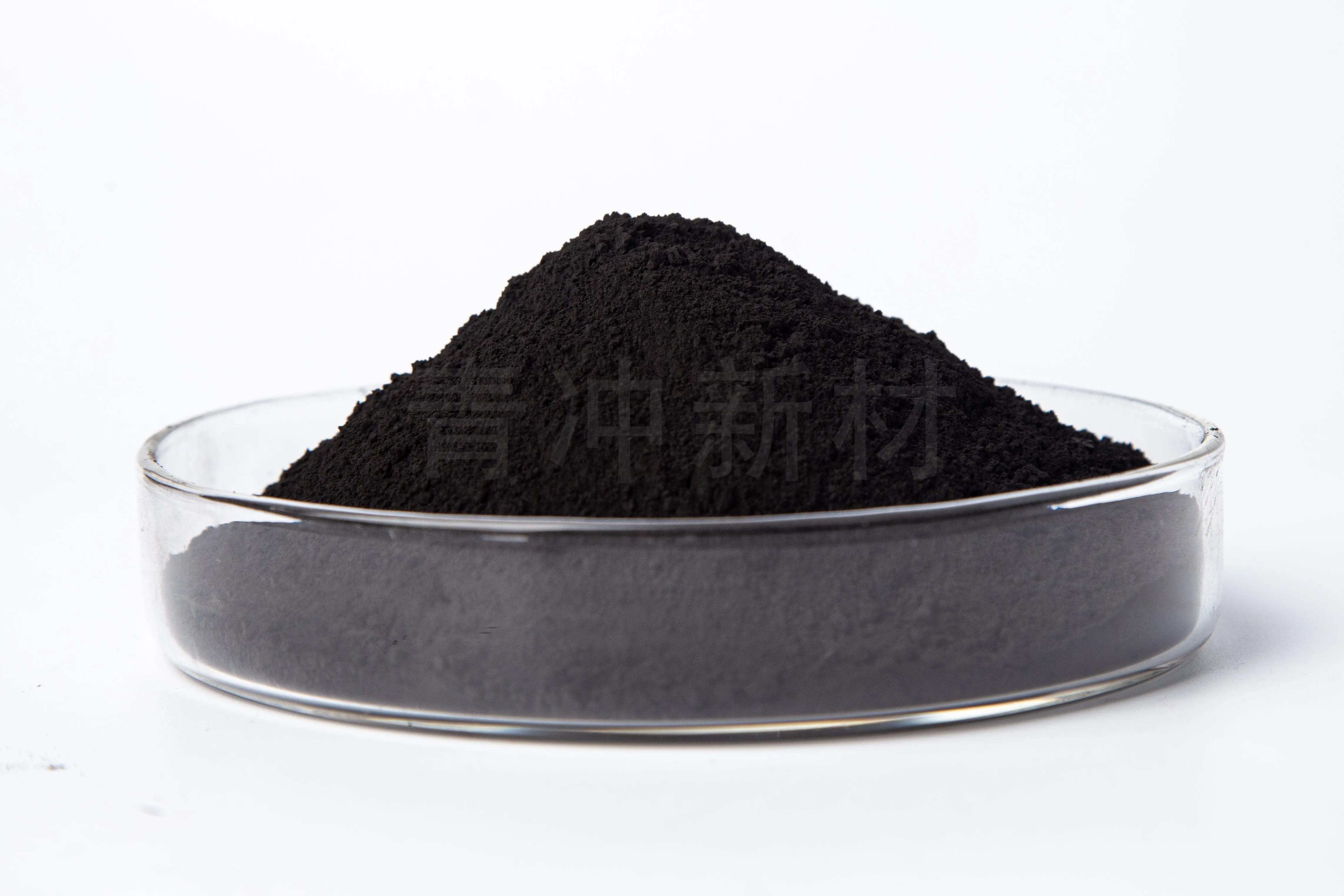
Electrolytic manganese dioxide (EMD) is a synthetic manganese dioxide (MnO₂) that is produced through electrochemical processes with superior purity and stable characteristics as the goal. It is produced as a fine black-brown powder that has high electrochemical activity and low impurity levels that are very important for many demanding industrial uses.
EMD offers the following benefits when compared to natural manganese dioxide ores:
- Consistent chemical composition
- Controlled particle size distribution
- Lower levels of impurities such as iron and heavy metals
These characteristics make EMD the preferred material for applications where performance reliability and process stability are of utmost importance.
[Konw More About EMD, Visit Here]
III. Step-by-Step EMD Production Process — How EMD Is Produced
1. Manganese Ore Selection and Preparation
The highest quality electrolytic manganese dioxide can be produced only with the selection of top-class manganese ore as the starting point. The incoming raw materials are selected according to manganese content and the least impurities. Quarrying, crushing, and grinding do the proper preparatory work by giving the best surface area for chemical reactions.
2. Leaching and Purification
The ore is treated to acid leaching followed by purification to dissolve manganese into solution after the preparation. This step aids in the separation of manganese ions from the materials that are insoluble. Subsequently, through advanced purification processes, iron, heavy metals, and other contaminants are removed, thus the solution is prepared for electrolysis.
3. Electrolysis Process
Electrolysis forms the main part of the entire EMD production process. The purified manganese solution is directly treated with controlled electrical current at this stage. Manganese ions will move and form manganese dioxide on the surface of the anode as a deposit. The perfect adjustment of current density, temperature, and electrolyte composition provides a constant crystalline structure, which is a very important factor for high-quality applications.
4. Washing, Drying, and Crushing
The manganese dioxide that has been deposited is cleaned very well to get rid of any remaining electrolytes. The drying process is controlled and the moisture is reduced to levels that are specified, while the crushing and sieving together produce a powder that is uniform and has a consistent particle size distribution—this is an important factor that contributes to the behavior being predictable during the manufacturing process.
5. Final Quality Inspection and Packaging
Before the product is sent, EMD is subjected to very strict testing to make sure that it meets both the chemical and physical specifications. Only those products that fulfill the standards are packed in secure materials that are ready for export, thus ensuring the quality during the transport to the worldwide customers.
IV. Key Advantages of Electrolytic Production for Manganese Dioxide
There are undeniable benefits that electrolytic production brings for manganese dioxide users:
1. Very Purity and Stable Composition – The manganese dioxide products from the electrolysis process usually contain 90-92% MnO₂, very little moisture, and almost no iron impurities.
2. Crystal Structure Control – Electrolysis enables the accurate control of the physical structure of crystals which improves the performance of the product in the electrochemical process.
3. Particle Size Consistency – The same mesh sizes for the different stages of battery slurry and chemical formulation ensure that their processing characteristics remain the same.
4. Reliable Industrial Supply – The combination of the controlled production process and the ISO-certified quality management system provides reliable deliveries for large-scale manufacturing.
V. Technical Specifications of Our Electrolytic Manganese Dioxide
Our Electrolytic manganese dioxide product features robust technical properties tailored for industrial use:
- Chemical Formula: MnO₂
- Purity: 90–92%
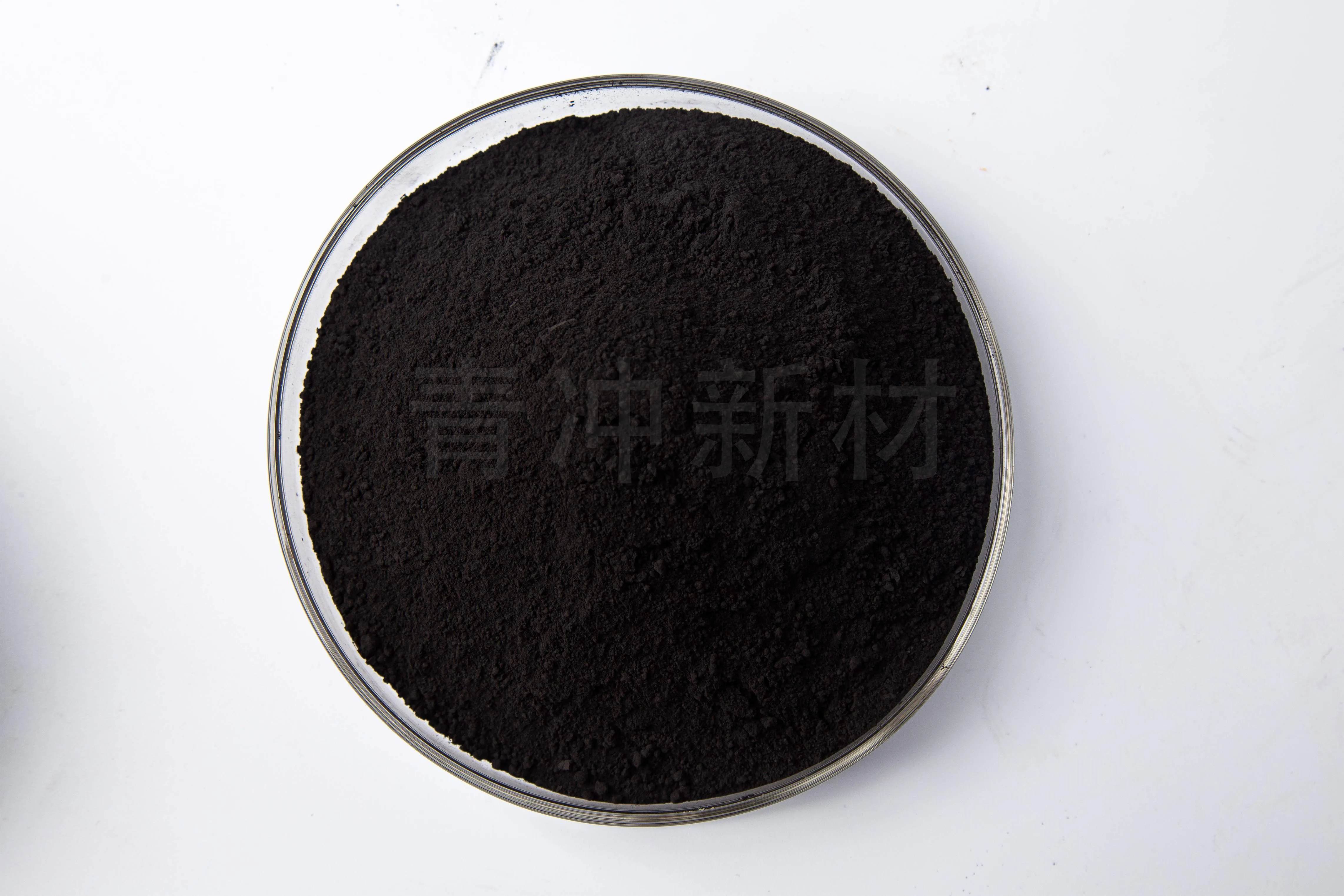
- Appearance: Black or dark brown powder
- Iron (Fe): 200 ppm Max.
- Moisture: 3% Max.
- Particle Size: 100–600 mesh
- pH Value: 5–7.5
These specifications ensure suitability for EMD for battery applications, catalyst use, pigments, and other chemical processes.
Learn more about QingChong product here: Electrolytic Manganese Dioxide
VI. Main Applications of Electrolytic Manganese Dioxide
1. Battery Manufacturing
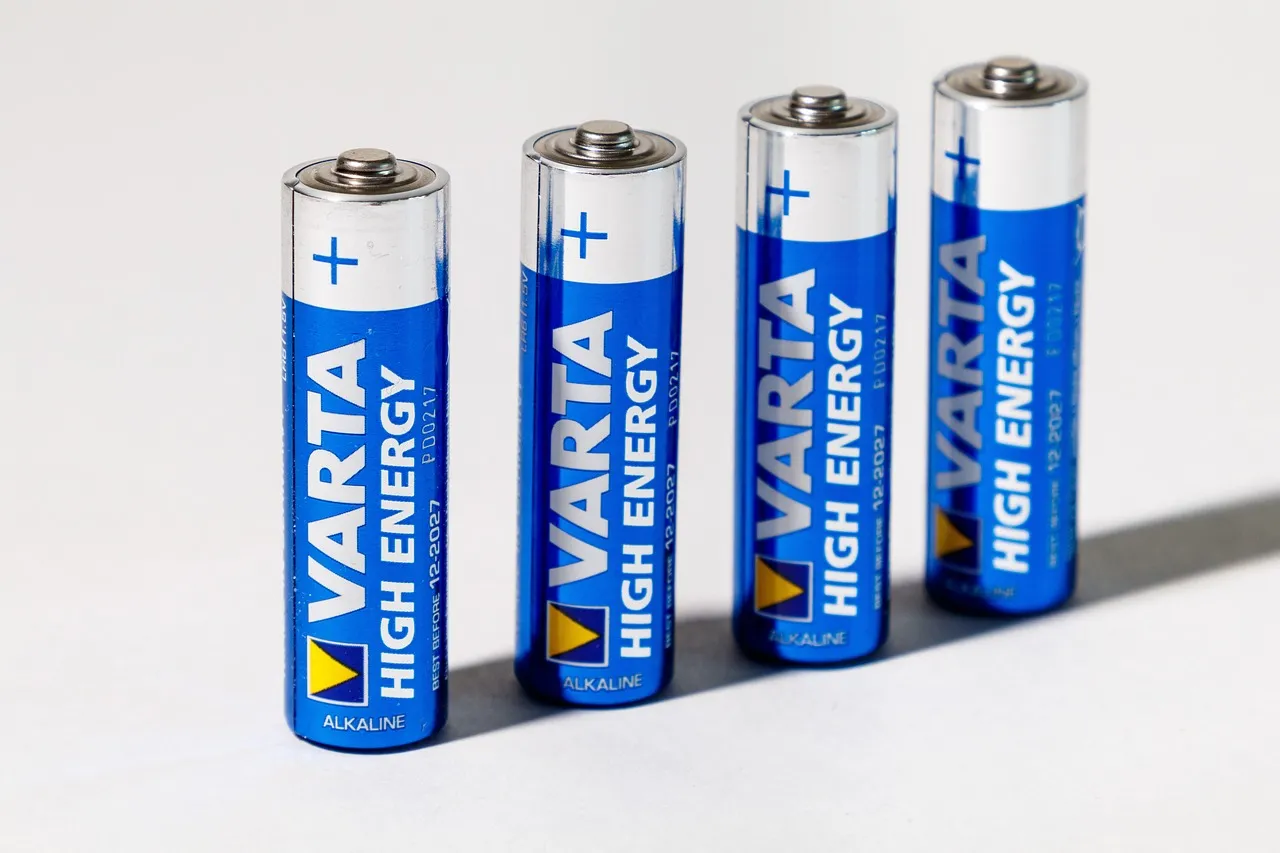
EMD is a primary active material in alkaline, zinc-carbon, and other primary battery systems. Its high electrochemical activity contributes to superior discharge performance and stable energy output.
2. Chemical Industry
In chemical sectors, manganese dioxide functions as an oxidizing agent and is used in catalyst supports and specialty formulations.
3. Ceramics, Pigments, and Other Industrial Uses
Electrolytic manganese dioxide also serves in ceramic glazes, pigments, and as a component in advanced materials across diverse sectors.
VII. Quality Control in Electrolytic Manganese Dioxide Production
The whole quality assurance process starts with the inspection of the raw materials and it goes through the process monitoring and the testing of the final product. Quality management systems that are ISO-aligned maintain traceability and compliance with the world's highest standards, thus giving global procurement teams the confidence they need to work together.
VII. Why Global Buyers Choose Professional EMD Manufacturers
The experienced manufacturers of manganese dioxide provide:
- state-of-the-art electrolysis technology
- tailor-made grades for particular applications
- steady production capacity
- all-round export help and logistics
These features provide a steady supply and a reliable technical support for the long-term relations.
[Visit QingChong-Your Reliable Partner]
IX. How to Select a Reliable Electrolytic Manganese Dioxide Supplier
When assessing potential suppliers, you should reflect on such aspects as the purity of the product, the technology of production, the quality certifications, and the delivery logistics. Open communication and compliance with international standards are also the main points of the supplier's assessment.
X. Electrolytic Manganese Dioxide as a Strategic Industrial Material
The EMD production process gives off manganese dioxide of the highest purity and performance that satisfy today's energy, chemical, and environmental applications needs. For purchasers who are not only looking for stability and quality but also for technical support, the professional manganese dioxide manufacturer partnership is the access to the reliable raw materials that drive the industrial success.
FAQs
1. How EMD is produced compared to natural manganese dioxide?
EMD is manufactured through controlled electrolysis, yielding high purity and structural consistency that natural sources cannot match.
2. What makes Electrolytic manganese dioxide ideal for batteries?
Its high electrochemical activity and uniform properties enhance battery performance, especially in alkaline and dry cell systems.
3. What industries benefit most from EMD?
Battery production, chemical processing, water treatment, ceramics, and pigment manufacturing all use EMD.
4. What are typical specifications of high-purity manganese dioxide?
EMD products typically feature MnO₂ content above 90%, low moisture, and restricted impurity levels.
5. How do manufacturers ensure EMD quality?
Through comprehensive process control, adherence to ISO standards, and systematic testing.