EN
EN
 CN
CN
 fr
fr es
es ar
ar ru
ru de
de pt
pt tr
tr vi
vi it
it ja
ja ko
ko hi
hi

EMD vs Natural Manganese Dioxide: Performance, Stability, and Cost Comparison
Introduction — Manganese Dioxide Choice: Why It Counts
Manganese dioxide (MnO₂) is a critical functional material across multiple high-impact industries. It plays a central role in:
- Dry-cell and alkaline batteries
- Lithium battery cathode formulations
- Catalysts and oxidizing agents
- Electronic chemicals
- Specialty ceramics
Yet industrial buyers often face a strategic sourcing decision: EMD vs Natural Manganese Dioxide. The two materials share the same chemical composition (MnO₂) but show major differences in their manufacturing processes and purity levels and electrochemical performance and production consistency.
This choice directly affects:
- Product performance stability
- Manufacturing yield
- Quality control outcomes
- Equipment cleanliness
- Long-term lifecycle cost
In the high-performance industries we serve in battery manufacturing and advanced materials, raw material consistency is not optional, it is essential.
This article is designed to provide a technical and practical comparison to assist the procurement manager, engineers, and industrial buyer in their purchasing decisions.
What Is Electrolytic Manganese Dioxide (EMD)?
Controlled Electrochemical Manufacturing Process
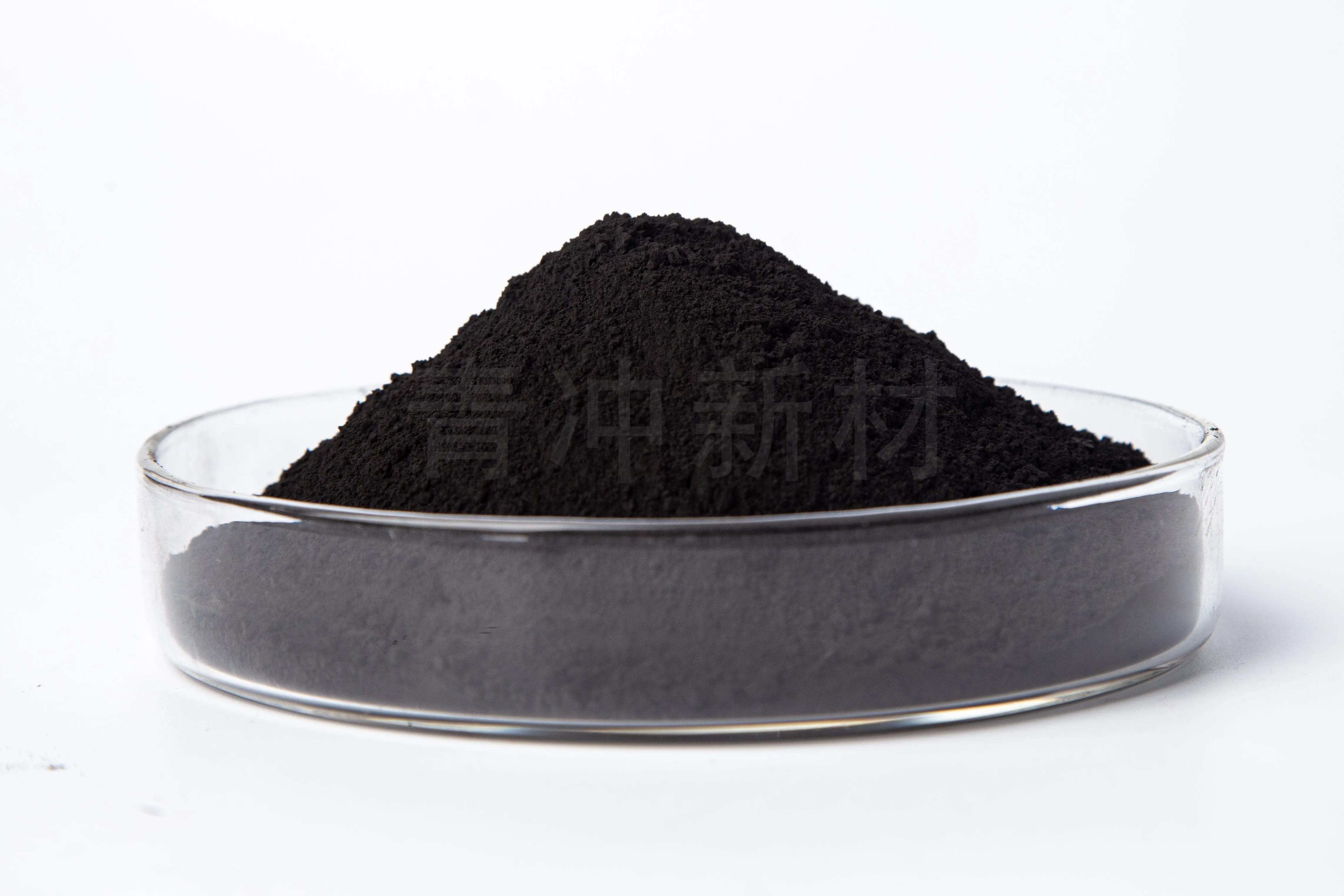
Electrolytic Manganese Dioxide (EMD) is made by the electrolysis of highly purified manganese sulfate solution. This controlled electrochemical process enables manufacturers to formulate MnO₂ with very consistent crystal and electrochemical structures.
During production, parameters such as:
- Phase composition
- Particle morphology
- Surface area
- Impurity concentration
are tightly controlled.
Unlike mined materials, EMD is engineered specifically for functional performance.
Designed for High-Performance Applications
EMD is optimized for:
- Alkaline batteries
- Zinc-carbon batteries
- Lithium-ion battery precursor systems
- High-efficiency catalytic reactions
Its electrochemical design ensures superior electron transfer capability, making it ideal for energy storage applications.
What Is Natural Manganese Dioxide (NMD)?
Ore-Derived Mineral Material
Natural Manganese Dioxide (NMD) is derived from mining manganese ore, which is then crushed, enriched, and graded. Although it is composed of MnO₂, the crystalline structure is defined by geological formation, not synthesis.
As a result, NMD may contain:
- Iron
- Silica
- Trace heavy metals
- Variable crystal phases
Purity and structural consistency vary depending on the ore source.
Typical Industrial Uses
Natural MnO₂ is generally suitable for:
- Water treatment filtration media
- Low-grade oxidation reactions
- Pigments and general industrial chemicals
However, its variability limits its reliability in high-precision applications.
Manufacturing Difference: Engineered Material vs Mined Mineral
| Aspect | EMD | Natural MnO₂ |
|---|---|---|
| Production Method | Electrochemical synthesis | Mining & mechanical processing |
| Purity Control | Very high | Variable |
| Crystal Structure | Engineered for reactivity | Naturally irregular |
| Batch Consistency | Stable | Fluctuating |
| Functional Tailoring | Customizable | Limited |
Key Insight: EMD is a performance-engineered material, while natural MnO₂ is a raw mineral resource.
For industries requiring precision, this distinction is critical.
EMD vs Natural Manganese Dioxide in Battery Performance
Electrochemical Activity
In battery systems, electrochemical efficiency determines discharge capacity, voltage stability, and lifespan.
EMD provides:
- Higher discharge capacity
- Stable voltage curves
- Improved shelf life
- Faster electron transfer
Natural manganese dioxide does not have crystal morphology, which makes it impossible for electrochemical reaction to occur efficiently.
For battery manufacturers who want battery-grade manganese dioxide, EMD is the best choice.
Mass Production Consistency
Large-scale battery production needs raw materials to show consistent behavior throughout the entire manufacturing process. The smallest changes in material composition will affect both the stability of the formulation and its quality assessment.
EMD ensures:
- Controlled particle size distribution
- Predictable reaction kinetics
- Reduced defect rates
Natural MnO₂ may introduce inconsistency between batches, increasing manufacturing risk.
Stability and Reliability in Industrial Processes
Chemical Stability
Electrolytic manganese dioxide offers predictable oxidation behavior and minimal impurity interference. This stability is crucial in:
- Advanced chemical processing
- Electronic material production
- Precision catalytic systems
Contamination Risk
Natural manganese dioxide may contain metallic impurities that interfere with sensitive reactions.
Impurities can:
- Reduce catalytic efficiency
- Affect battery conductivity
- Increase equipment wear
For industries operating under strict quality standards, engineered MnO₂ ensures cleaner and more controlled processes.
For further product data, visit our EMD Technical Overview Page.
Cost Comparison: Initial Price vs Lifecycle Value
Natural MnO₂: Lower Upfront Cost
Natural manganese dioxide typically costs less initially due to simpler mining and mechanical processing.
It may be suitable for:
- Non-critical oxidation applications
- Bulk industrial usage
- Low-performance requirements
EMD: Higher Initial Price, Stronger ROI
Although EMD carries a higher per-ton price, it delivers value through:
- Improved production efficiency
- Reduced product defects
- Better equipment longevity
- Lower contamination-related downtime
When evaluating total cost of ownership (TCO), EMD often provides lower overall production costs in performance-driven industries.
Application-Based Selection Guide
Choose Electrolytic Manganese Dioxide (EMD) if your application requires:
✔ Battery-grade electrochemical performance
✔ High purity manganese dioxide
✔ Stable and repeatable manufacturing
✔ Long-term supply consistency
✔ Advanced electronics or energy storage compatibility
Choose Natural Manganese Dioxide (NMD) if:
✔ Budget is the primary concern
✔ Application tolerates variability
✔ Used for water filtration or general oxidation
Why Industrial Buyers Are Moving towards EMD
The global industrial trend is propelling the use of engineered manganese compounds:
- Fast growth in electrification and battery demand
- Standardization of export manufacturing quality
- Growing need for traceability
- Specifications for automation-friendly raw materials
Industry is moving from natural resource inputs to precision-engineered materials.
EMD meets the requirements of a modern industrial system, which focuses on data-driven quality and efficiency.
Sourcing Considerations for Electrolytic Manganese Dioxide
When purchasing EMD, evaluate:
- MnO₂ purity percentage
- Phase composition
- Particle size distribution
- Electrochemical performance metrics
- Batch-to-batch consistency
- Supplier production capability
Working directly with a specialized manganese chemical manufacturer ensures:
- Controlled electrolysis technology
- Stable upstream raw materials
- Customizable specifications
- Reliable export logistics support
This reduces supply chain risk and ensures consistent product quality.
Conclusion — EMD Is a Manufacturing Advantage
In the comparison of EMD vs Natural Manganese Dioxide, the difference extends beyond raw material origin.
Natural manganese dioxide remains useful in traditional, low-specification industries.
However, Electrolytic Manganese Dioxide represents a shift toward:
- Performance-engineered chemistry
- Precision-controlled manufacturing
- Higher functional stability
- Improved long-term economics
For battery manufacturers, chemical processors, and advanced material producers, EMD is not merely a substitute—it is a strategic upgrade.
FAQ
1. What is the main difference between EMD and natural manganese dioxide?
EMD production requires electrolysis to produce manganese dioxide, which has specific controlled purities and defined structural properties, while natural manganese dioxide exists as a mined material that undergoes mechanical processing.
2. Why is EMD preferred in battery production?
The material provides better electrochemical performance, together with stable discharge characteristics, and maintains consistent product quality throughout its manufacturing process.
3. Is natural manganese dioxide cheaper?
Natural manganese dioxide usually costs less upfront, but the material causes increased production inconsistencies during extended mining operations.
4. Can EMD be customized?
The company provides customized solutions that allow customers to select particle size and purity requirements according to their specific industrial needs.
5. How do I evaluate an EMD supplier?
You need to verify three things about the supplier's end products, which include their purity specifications, electrochemical performance results, and their ability to monitor production processes and their record of international trade activities.
Looking for reliable, battery-grade Electrolytic Manganese Dioxide?
[Contact us for samples, or a bulk quotation today!]