EN
EN
 CN
CN
 fr
fr es
es ar
ar ru
ru de
de pt
pt tr
tr vi
vi it
it ja
ja ko
ko hi
hi

Manganese Filter Media vs Greensand vs Birm: Which One Should You Choose?
Introduction — Why Choosing the Right Iron & Manganese Removal Media Matters
The task of removing iron and manganese from municipal and industrial groundwater treatment projects has reached its highest difficulty level. The combination of stricter drinking water standards and changing raw water quality, plus the demand for filtration systems that require minimal upkeep, has forced engineers to find new filtration solutions.
The process of comparing Manganese Filter Media to Greensand and Birm creates difficulties for most purchasers. The three options serve the same purpose of removing iron and manganese but show major differences across their regeneration needs, operational requirements, materials lifespan, and total operational expenses.
The choice directly affects:
- System efficiency
- Chemical consumption
- Maintenance workload
- Media replacement frequency
- Long-term operational cost
- End-user satisfaction
EPC contractors, water treatment distributors, and plant operators need to choose appropriate filtration materials because it affects their system performance throughout its operational life. The article delivers a technical assessment that enables you to determine the appropriate media selection for your project.
What Is Manganese Filter Media? Core Technology Overview
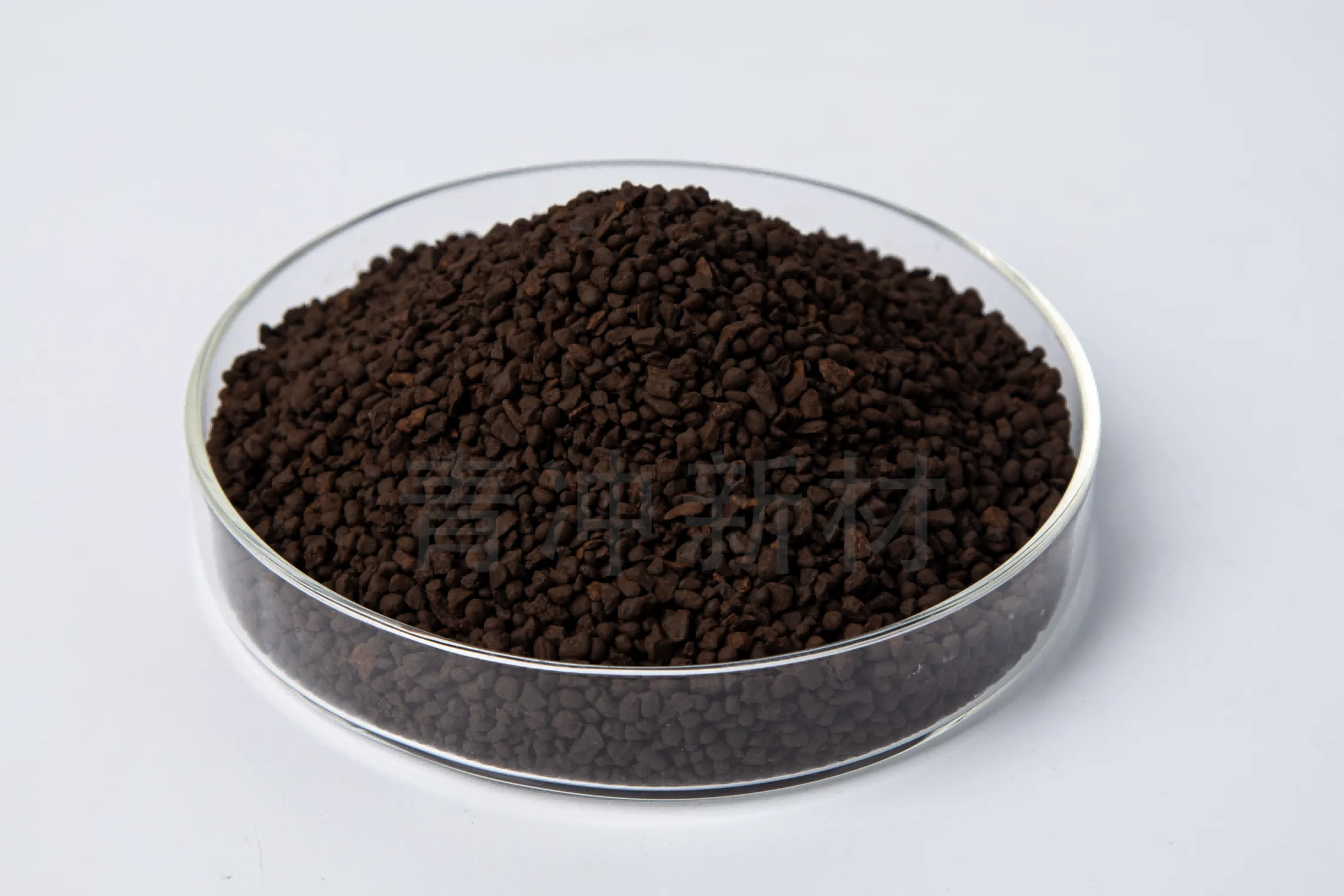
Natural Ore-Based Catalytic Filtration Material
Manganese filter media is produced from high-grade natural manganese ore that is processed, crushed, washed, and graded specifically for water treatment applications. The material generates catalytic properties through its mineral structure which differs from the way coated media produces its catalytic properties.
The system achieves efficient removal of three substances which include:
- Dissolved iron (Fe²⁺)
- Dissolved manganese (Mn²⁺)
- Hydrogen sulfide (H₂S)
You can review detailed specifications on our official Manganese Filter Media Product Page, including MnO₂ content, bulk density, and particle size ranges.
Working Principle
The surface of the area contains naturally occurring manganese dioxide (MnO₂) which functions as a catalyst. The filter bed treatment of raw water results in three different processes:
- Dissolved iron and manganese are oxidized.
- Insoluble particles form.
- The media bed filters and retains precipitated contaminants.
The design of manganese filter media makes it easier to operate because it does not need continual chemical regeneration which sets it apart from greensand.
Typical Applications
- Municipal groundwater treatment plants
- Industrial water pretreatment systems
- Agricultural irrigation filtration
- Drinking water purification facilities
- Large-scale infrastructure water projects
Its robust performance makes it suitable for demanding and variable raw water conditions.
What Is Greensand? Characteristics and Limitations
Chemically Coated Filtration Media
Greensand is usually glauconite sand coated with manganese oxide. While effective, its catalytic surface is artificial and requires regeneration using potassium permanganate (KMnO₄).
Operational Features
Greensand can remove iron and manganese effectively when properly regenerated. However, it requires:
- Continuous chemical dosing
- Precise monitoring
- Controlled regeneration cycles
If regeneration is not properly managed, performance declines rapidly.
Common Pain Points
Buyers often report:
- High chemical consumption
- Increased operational complexity
- Safety concerns handling potassium permanganate
- Risk of media fouling
Over time, these factors can significantly increase lifecycle costs.
What Is Birm? A Lightweight Catalytic Alternative
Catalytic Aluminum Silicate Media
Birm is a synthetic filtration material that promotes oxidation by using dissolved oxygen already present in water.
Operating Requirements
Birm requires:
- Adequate dissolved oxygen
- pH typically above 6.8
- Low organic matter
- No chlorine or hydrogen sulfide
If these conditions are not met, performance drops dramatically.
Best Application Scenarios
- Low iron concentration water
- Stable water chemistry
- Systems without pre-chlorination
Birm is generally less tolerant of shock loads and water variability compared to manganese-based media.
Direct Comparison: Manganese Filter Media vs Greensand vs Birm
| Feature | Manganese Filter Media | Greensand | Birm |
|---|---|---|---|
| Raw Material | Natural manganese ore | Coated glauconite | Synthetic mineral |
| Chemical Regeneration | Not required or minimal | Required (KMnO₄) | Not required |
| Operating Complexity | Low | High | Moderate |
| Shock Load Resistance | Strong | Moderate | Weak |
| Lifespan | Long | Medium | Medium |
| Maintenance | Simple backwashing | Chemical management | Strict water control |
| Industrial Suitability | Excellent | Limited | Conditional |
Key Insight: For demanding groundwater environments, manganese filter media provides a more robust and lower-maintenance solution.
Why Engineers Prefer Manganese Filter Media Today
Reduced Chemical Dependence
Eliminating or minimizing potassium permanganate reduces:
- Chemical storage risk
- Operator training requirements
- Long-term chemical costs
This makes manganese media especially attractive for municipal plants and export water projects.
Longer Service Life = Lower Lifecycle Cost
Because manganese filter media is derived from natural ore, its catalytic performance is embedded in the material itself—not merely coated on the surface.
This structure provides:
- Durable performance
- Slower degradation
- Fewer replacements
When calculating cost per treated cubic meter, natural manganese ore filtration media often delivers superior value.
Adaptability to Variable Water Quality
In many developing infrastructure markets, raw water quality fluctuates. Iron levels spike seasonally. Flow rates change.
Manganese filter media performs reliably under these variations, making it ideal for:
- Rural water upgrades
- Industrial pretreatment systems
- EPC-managed turnkey projects
For technical details and export specifications, consult our Manganese Filter Media Technical Overview.
How to Select the Right Media for Your Project
Choose Manganese Filter Media if:
- You need long-term, low-maintenance operation
- Raw water quality fluctuates
- You want minimal chemical dependency
- Your project requires durability
Choose Greensand if:
- You already operate a chemical regeneration system
- Water chemistry is tightly controlled
Choose Birm if:
- Iron concentration is low
- Dissolved oxygen is sufficient
- No chlorine or sulfide is present
Providing a detailed raw water analysis to your supplier allows for optimized configuration recommendations.
Technical Considerations Before Purchasing
Before selecting iron and manganese removal media, evaluate:
- Iron concentration (mg/L)
- Manganese concentration (mg/L)
- pH level
- Dissolved oxygen content
- Backwash system capacity
- Desired service life
Working with a specialized manganese manufacturer ensures accurate grading, strength control, and consistent MnO₂ content.
Why Source from a Specialized Manganese Manufacturer
Choosing a direct manganese material producer offers:
- Stable ore sourcing
- Controlled particle grading
- Consistent MnO₂ percentage
- Custom sizing options
- Reliable bulk export supply
- Technical consultation based on mineral science
Unlike trading companies, manufacturers understand both material chemistry and filtration mechanics, ensuring dependable system performance.
Conclusion — The Shift Toward Natural, Durable Filtration Media
As global water treatment systems demand reliability and simplified operation, the industry is gradually shifting away from chemically dependent systems.
In the comparison of Manganese Filter Media vs Greensand vs Birm, manganese filter media stands out by combining:
- Strong catalytic oxidation
- Long operational lifespan
- Minimal chemical reliance
- High shock-load tolerance
- Lower lifecycle cost
For distributors, EPC contractors, and plant operators, selecting the right filtration media is no longer a short-term purchasing decision—it is a long-term operational strategy.
FAQ
1. Does manganese filter media require chemical regeneration?
In most applications, it does not require continuous chemical regeneration like greensand.
2. How long does manganese filter media last?
Service life varies by water quality, but it generally lasts longer than coated media.
3. Is Birm suitable for high iron concentration water?
No. Birm works best in low iron and stable water environments.
4. What information should I provide before purchasing?
Share raw water analysis including iron, manganese, pH, and dissolved oxygen levels.
Looking for a reliable iron and manganese removal solution? Partner with QingChong offering:
✔Stable MnO₂ content
✔Custom grading options
✔Bulk export supply
✔Technical consultation support
Visit our product page and request a technical datasheet or bulk quotation today: Manganese Filter Media