EN
EN
 CN
CN
 fr
fr es
es ar
ar ru
ru de
de pt
pt tr
tr vi
vi it
it ja
ja ko
ko hi
hi

How Does Manganese Dioxide Work as a Catalyst?
1. Why Catalysts Rule Modern Industry
In today's industrial chemistry world, catalysts are game-changers. They boost reaction speeds, slash energy use, and crank up yields—without them, you'd be stuck cranking up heat, dragging out times, or dumping in extra raw materials, all of which jack up costs and trash the planet.
Manganese dioxide (MnO₂) shines among inorganic catalysts thanks to its killer oxidation power, rock-solid stability, and versatility across everything from organic synthesis to pollution cleanup and energy tech. It gets reactions humming efficiently while keeping things under control.
This article breaks down exactly how MnO₂ pulls off its catalytic magic, dives into the mechanisms, spotlights real-world industrial uses, and tips you off on picking the right chemical or industrial-grade manganese dioxide for your setup.
2. What Is Manganese Dioxide and Why Should You Care?
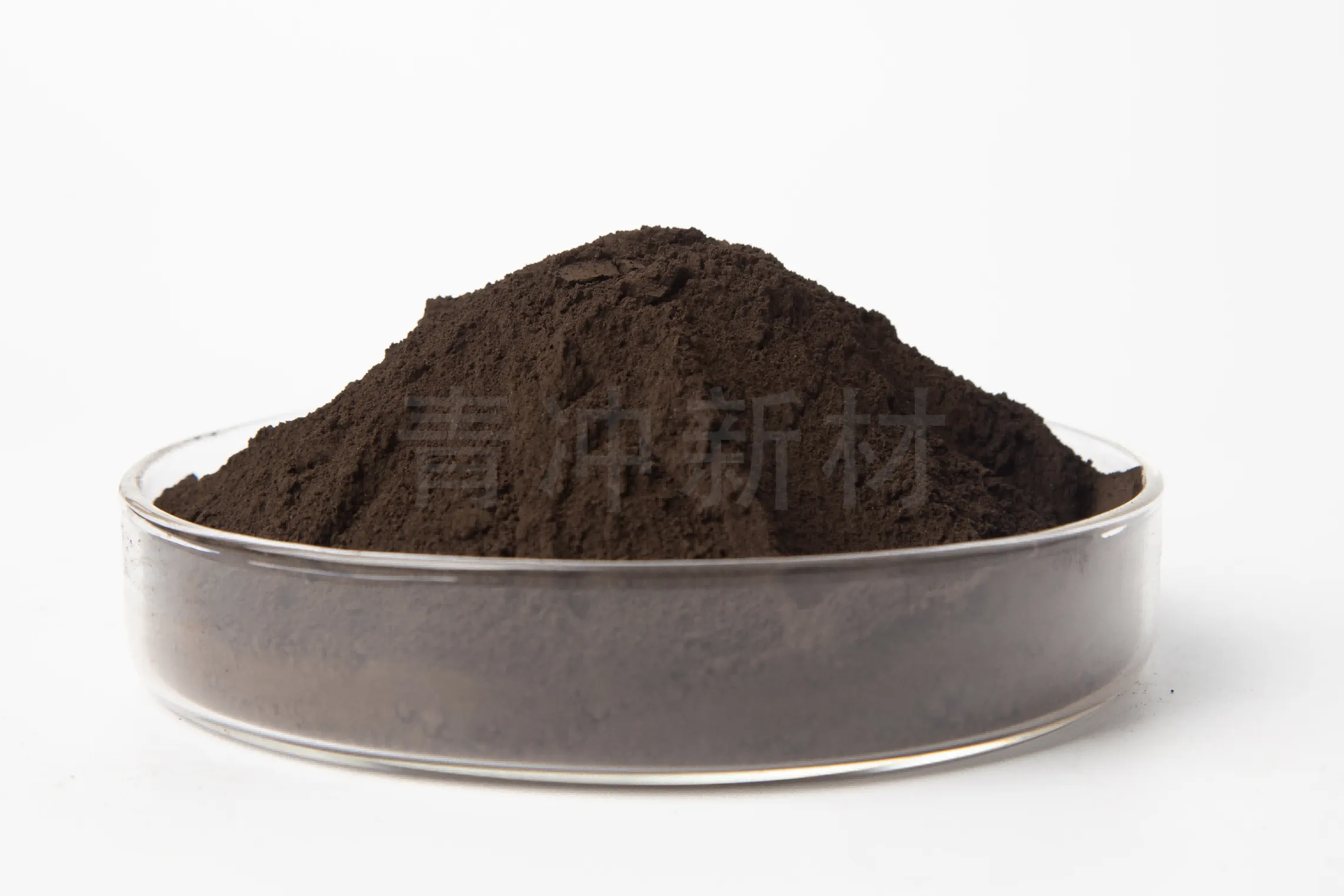
Manganese dioxide, or MnO₂, is that dark brown-black powder with serious oxidizing chops. It comes in various crystal forms like α-, β-, and γ-MnO₂, each tweaking its surface and catalytic tricks.
What sets it apart? It stays tough through redox reactions, cycling electrons without falling apart. No quick burnout here—it handles cycle after cycle with barely a dip in performance if you choose wisely.
On the market, "chemical" MnO₂ gets dialed in for purity and particle size in lab-style catalysis, while "industrial" versions prioritize toughness and bang-for-buck in big operations. Manufacturers tweak grades for your needs—check out specs here.
3. How Manganese Dioxide Pulls Off Catalysis in Reactions
3.1 Redox Mechanism — How Manganese Dioxide Pulls Off Catalysis in Reactions
MnO₂'s superpower is its redox flexibility. Manganese atoms flip oxidation states on the fly, grabbing and handing off electrons to kickstart oxidations or reductions.
This back-and-forth creates short-lived intermediates that speed things up, all without wrecking the catalyst. It's why it's a star in oxidation-heavy industrial flows—reliable for non-stop production.
3.2 Speeding Things Up with Smarter Pathways
Catalysts like MnO₂ don't just watch—they carve out lower-energy routes for reactions. By cradling unstable intermediates, it makes everything faster and more predictable.
Take hydrogen peroxide breakdown: a sprinkle of MnO₂ unleashes oxygen in seconds, unscathed. That's surface electron shuffling at work, cutting your energy bills and wait times in the plant.
3.3 Surface Area, Porosity, and Real Performance
Surface matters big time. Top-shelf MnO₂ packs high surface area and tiny pores, letting reactants hit active sites hard.
Oxygen vacancies and defects amp up adsorption, too. Go for fine-tuned chemical MnO₂ in precise synthesis; save the coarser industrial stuff for heavy-duty oxidations.
4. Key Industrial Applications of Manganese Dioxide Catalysis
4.1 Chemical Synthesis and Organic Oxidation
In chem manufacturing, MnO₂ oxidizes alcohols to aldehydes or ketones with sharp selectivity and minimal junk byproducts—beats many rivals hands down.
It's a go-to for fine chemicals where consistency feeds right into the next step.
4.2 Environmental and Water Treatment
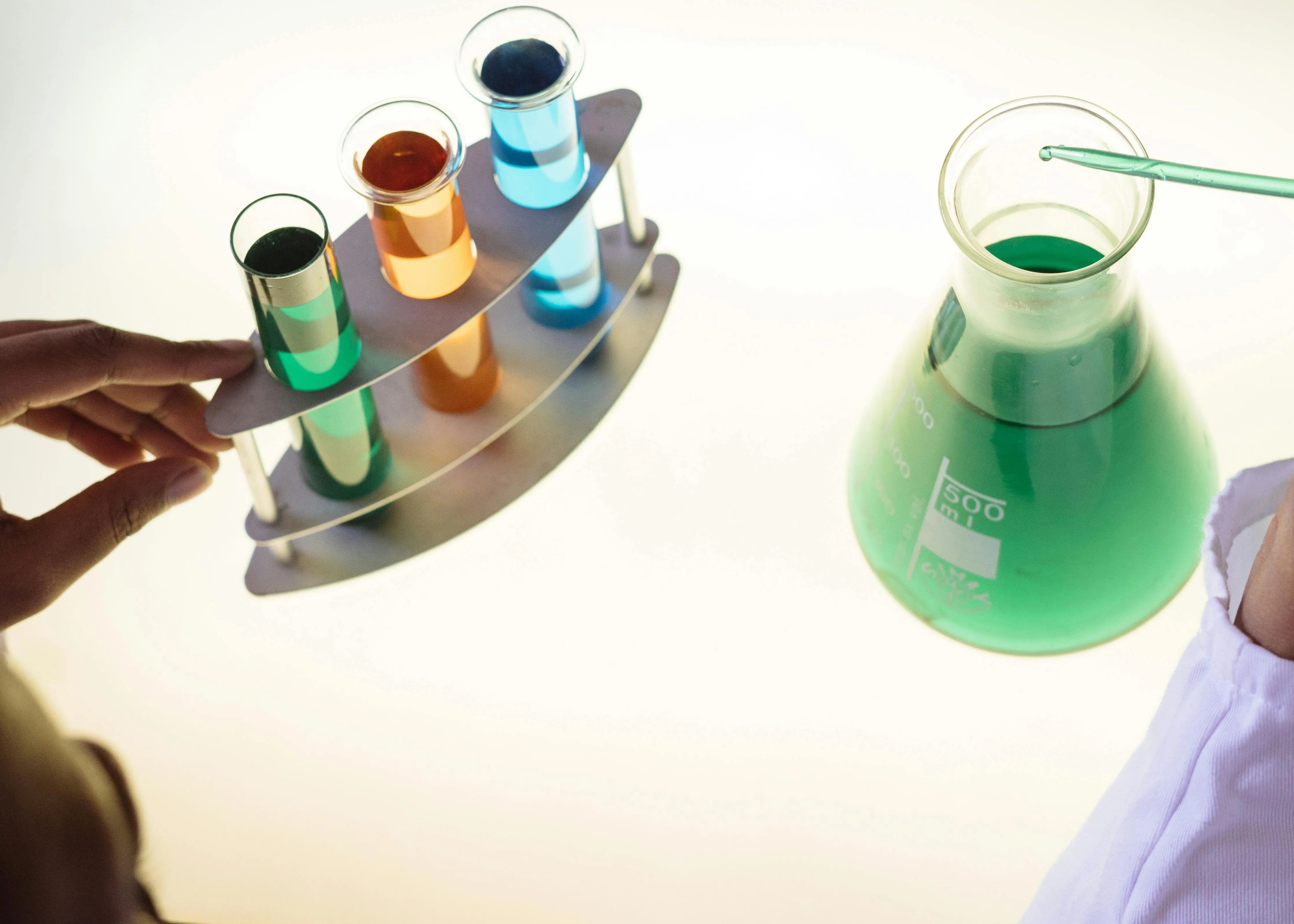
Environmentally, it turbocharges organic pollutant oxidation in wastewater, dropping COD and TOC levels fast.
In filters, MnO₂ media zap iron, manganese, and sulfides, delivering clean water sans nasty leftovers.
4.3 Industrial Oxidation Systems
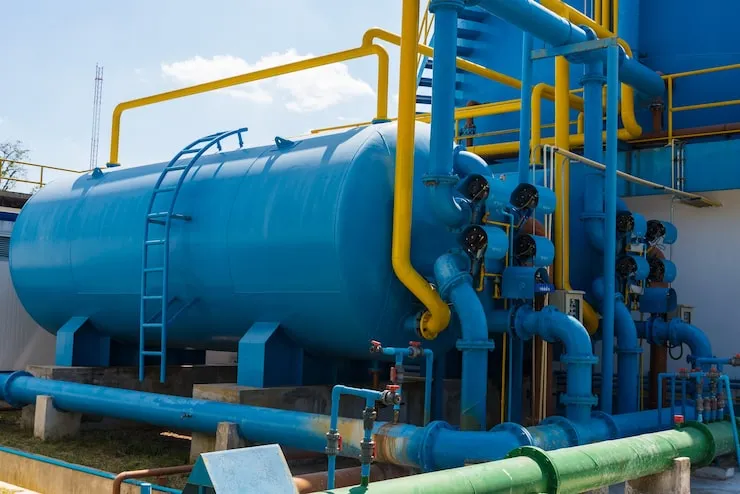
For massive oxidations—like sulfur chem—MnO₂ boosts efficiency and holds steady under pressure. Industrial grades thrive here with their grit and longevity.
4.4 Battery and Energy Fields
Not pure catalysis, but MnO₂'s electrochemistry shines in batteries, smoothing charge transfers in dry cells and alkalines. Specialized grades from manganese pros nail this.

5. Benefits of High-Quality Chemical Manganese Dioxide Catalysts
Options for premium MnO₂, and you score:
- Better efficiency and yields: Quicker runs mean more output, less downtime.
- Safer options and greener footprint: Fewer byproducts, lower emissions.
- Long life, low costs: Reuses like a champ over cycles.
Purity, size, and crystals make or break it—pick smart for your process.
6. Where Industrial Manganese Dioxide Really Shines
It pops up everywhere:
- Chemical Industry: Catalysis, oxidations, specialty chemicals.
- Water Treatment/Environment: Pollutant busting, redox filters.
- Batteries: Electrochemical boosts.
- Glass, Ceramics, Metallurgy, Alloys: Smart additives for better results.
This breadth underscores its utility in multifaceted industrial strategies.
7. Why Partner with Us for Manganese Chemicals?
A solid MnO₂ supplier delivers more than powder:
- Battle-tested manufacturing and steady supply.
- Full lineup for chemical and industrial needs.
- Tailored purity, sizes, you name it.
- Technical advice plus smooth global shipping.
We help you squeeze max value from MnO₂, dodging pitfalls.
[Want to know more about QingChong New Materials, Visit Here!]
8. Conclusion — Unleashing MnO₂'s Power
MnO₂ stays essential thanks to its redox smarts, active surfaces, and staying power. From synthesis to cleanup to batteries, it delivers reliable wins.
Grab the right chemical or industrial grade, and watch your processes level up sustainably. Teaming with pros seals the deal in tough markets.
FAQs
1. How does manganese dioxide function as a catalyst without being consumed?
Manganese dioxide operates through reversible redox reactions, allowing it to facilitate electron transfer while maintaining its structural integrity.
2. What is the difference between chemical manganese dioxide and industrial manganese dioxide?
Chemical manganese dioxide offers higher purity and controlled properties for precise reactions, while industrial manganese dioxide is designed for durability in large-scale processes.
3. Can manganese dioxide be reused in catalytic processes?
Yes, high-quality manganese dioxide maintains catalytic activity over multiple cycles, reducing replacement frequency.
4. Which industries benefit most from manganese dioxide catalysis?
Chemical manufacturing, environmental treatment, battery production, and metallurgical industries all benefit from manganese dioxide’s catalytic properties.
5. How do I choose the right manganese dioxide grade for my application?
Selection depends on reaction conditions, required purity, particle size, and whether the process is laboratory-scale or industrial-scale.