EN
EN
 CN
CN
 fr
fr es
es ar
ar ru
ru de
de pt
pt tr
tr vi
vi it
it ja
ja ko
ko hi
hi

What Is the EMD in a Battery?
I. What Is the EMD in a Battery?
Knowing what EMD means in a battery is crucial for the battery makers. EMD, or Electrolytic Manganese Dioxide, is among the most common cathode materials for primary battery systems. It influences the entire area in terms of capacity, stability, shelf life, and safety of the battery.
If we are to speak about the battery market of today, the performance without fail and the long-term reliability are based greatly on the material that is chosen. EMD has come to be recognized as the industry standard in battery applications due to its high purity, good control of structure, and superb electrochemical behavior. From alkaline batteries through zinc-carbon systems, electrolytic manganese dioxide for batteries assures the production outcomes that are predictable and widely available.
II. What Is EMD (Electrolytic Manganese Dioxide)?
1. Definition and Chemical Composition of EMD
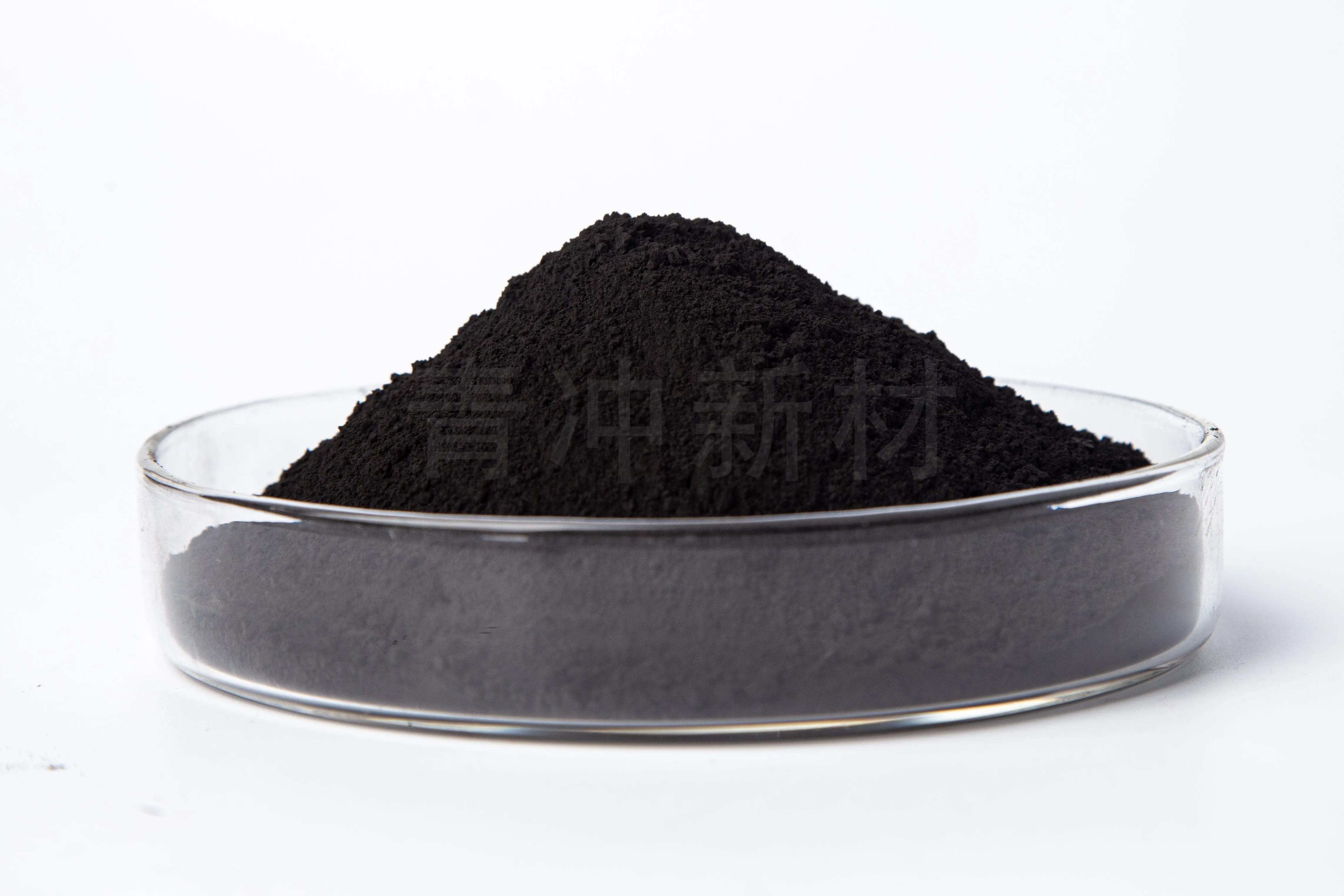
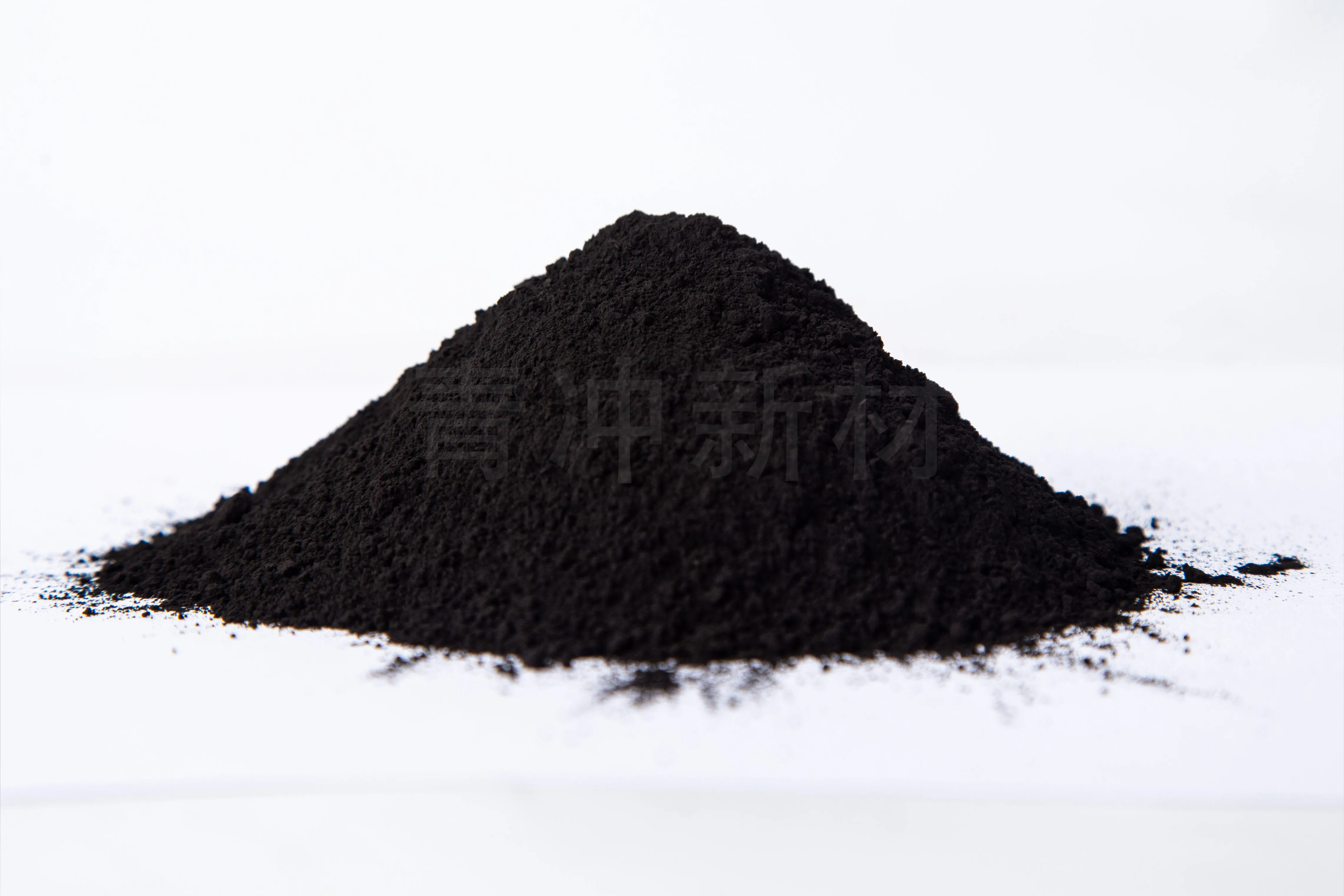
Electrolytic Manganese Dioxide is a high-purity form of manganese dioxide (MnO₂) produced through an electrolytic process. In contrast to the naturally present manganese dioxide, EMD is produced in the industry under very strict controls that lead to the same crystal structure and the best electrochemical properties.
In chemical terms, battery-grade manganese dioxide is made up of MnO₂ with very few contaminants like iron, copper, and heavy metals. The excellent purity of EMD makes it an ideal candidate for battery manufacturing, specifically in the primary battery as an EMD cathode material.
2.How EMD Differs from Natural Manganese Dioxide
Natural manganese dioxide which is usually extracted from ores contains different levels of impurities and may have different types of crystals. These differences can lead to poor battery performance and even unsafe situations. On the other hand, electrolytic manganese dioxide for batteries provides:
- Higher chemical purity
- Controlled particle morphology
- Consistent electrochemical performance
These characteristics make EMD the preferred choice for industrial-scale battery manufacturing.
3.Key Physical and Electrochemical Properties
- High specific surface area
- Strong oxidizing capability
- Stable crystal lattice
- Excellent electron acceptance during discharge
4.Why Electrolytic Production Ensures Higher Consistency
The electrolytic production method is a cutting-edge technology that enables manufacturers to maintain strict control over parameters like temperature, current density, and electrolyte composition. As a result, EMD in battery systems can meet the performance and quality standards that are very demanding and imposed by the global battery manufacturers.
III. Why EMD Is Used in Batteries

1. Strong Oxidizing Ability
The very strong oxidizing property of manganese dioxide is among the main causes why it is used in batteries. During the discharge process, manganese dioxide efficiently takes up electrons thus leading to smooth and quick electrochemical reactions.
2. Stable Crystal Structure
The stable lattice structure of electrolytic manganese dioxide is the reason for its consistent voltage output maintenance throughout the battery's discharge cycle which is important for consumer electronics and industrial devices.
3. High Purity and Low Internal Resistance
Battery-grade EMD consists of very low impurity levels. This leads to a reduction in internal resistance, an increase in energy efficiency, and a decrease in side reactions.
4. Reliable Supply for Mass Production
For large-scale battery manufacturers, the continuity of supply is very important. The professionally produced EMD provides the assurance of consistency, availability, and batch-to-batch quality, thus supporting uninterrupted production.
IV. How EMD Works Inside a Battery
1. Role as the Cathode Active Material
The in battery compositions EMD, mainly, in full, primary batteries, always works as the cathode active, material. It enormously helps in the redox reactions that give rise to electric power.
2. Interaction with Zinc or Lithium During Discharge
In the reactions of alkaline and zinc-carbon batteries, manganese dioxide takes place at the anode along with zinc. As zinc gets oxidized, EMD gets reduced, thus the flow of electrons through the external circuit powering up the devices is made possible.
3. Contribution to Voltage Stability and Energy Output
Due to its proper structure, the EMD managed to create a smooth discharge curve. Consequently, the steady voltage output and predictable energy delivery are the outcomes.
4. Impact on Shelf Life and Safety
Manganese dioxide of very high purity practically eliminates self-discharge and gas generation, thus greatly enhancing storage life and operational safety.
V. Types of Batteries That Use EMD
1. Alkaline Batteries
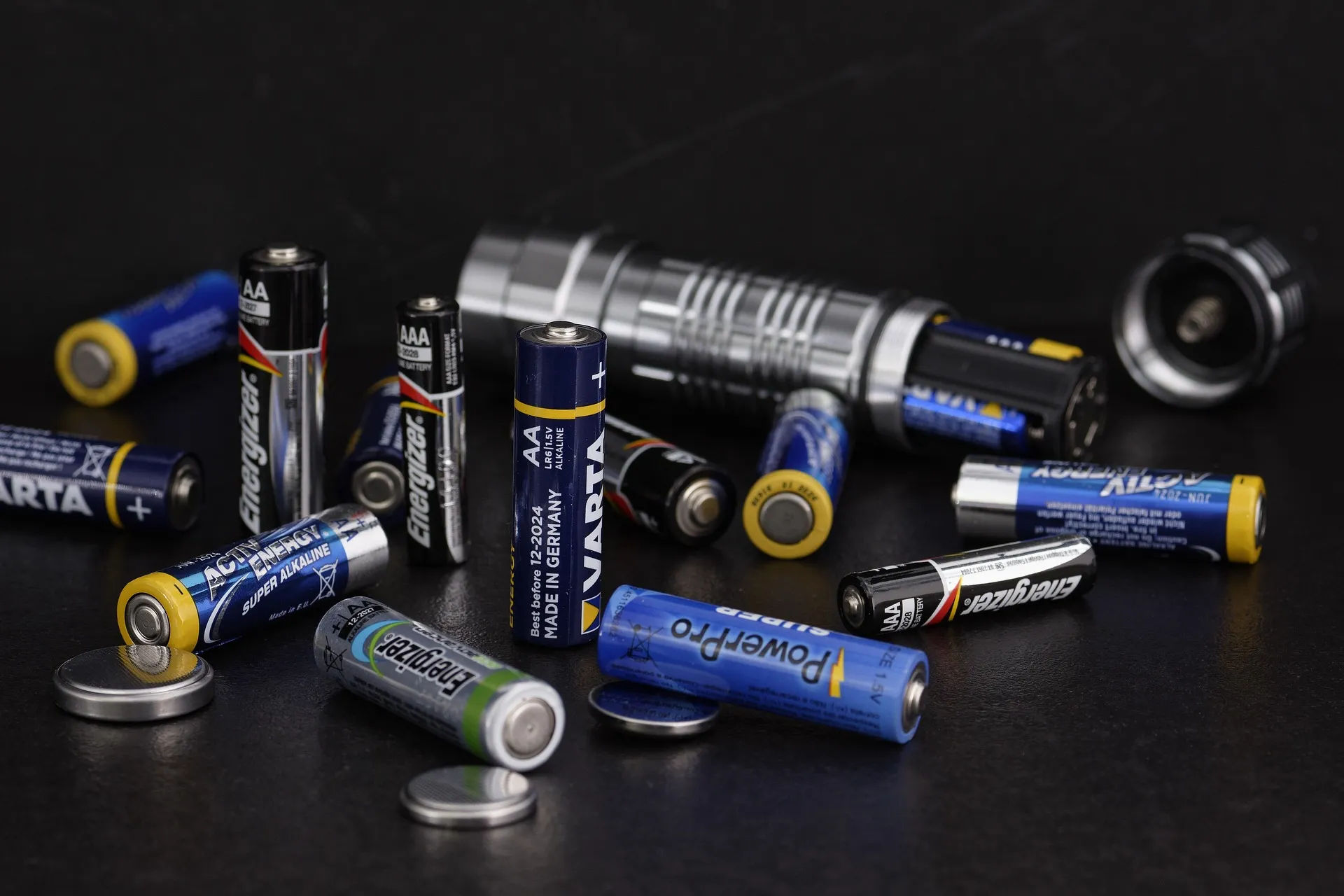
Alkaline batteries represent the largest application of EMD globally.
Benefits include:
- Higher capacity
- Improved high-drain performance
- Longer shelf life
Here, manganese dioxide in alkaline batteries directly influences consumer satisfaction and device reliability.
2. Zinc-Carbon Batteries
In zinc-carbon systems, EMD enhances discharge stability and improves voltage consistency, making these batteries more reliable for everyday applications.
3. Other Primary Battery Systems
Specialty and industrial primary batteries also rely on battery grade manganese dioxide for dependable performance under specific operating conditions.
VI. Key Performance Advantages of EMD in Batteries
1. High Energy Efficiency
The improved electrochemical activity of EMD not only helps electron transfer but also energy delivery to the batteries in a more usable form.
2. Stable Discharge Curve
Sensitive electronic devices require a constant and predictable voltage profile, and EMD guarantees this stability.
3. Long Shelf Life
Impurity reduction leads to a decrease in internal chemical reactions which in turn helps batteries to keep their capacity during storage.
4. Safety and Reliability
The presence of very few heavy metals and moisture controlled to proper levels make electrolytic manganese dioxide for batteries, very safe in terms of usage and transportation.
VII. Technical Specifications of Battery-Grade EMD
Typical specifications for EMD in battery manufacturing include:
- MnO₂ content: 90% Min
- Moisture content: tightly controlled
- Low levels of Fe, Cu, Ni, and other impurities
- Optimized particle size distribution
- Strong discharge capacity and high utilization rate
These parameters are critical for ensuring consistent battery performance across different applications.
VIII. Quality Control in EMD Manufacturing for Battery Use
1. Raw Material Selection
The high-purity manganese sources are the basic elements for the reliable EMD production.
2. Electrolysis Process Monitoring
The strict regulation of current density, electrolyte composition, and temperature guarantees the quality of the product being the same all the time.
3. Chemical and Physical Testing
The regular testing of chemical composition, particle size, and electrochemical performance ensures meeting the battery-grade requirements.
4. Batch Traceability and Consistency
Complete traceability makes the overseas buyers more confident and helps to have the long-term supply agreements.
IX. Selecting a Reliable EMD Supplier for Battery Production
1. Why Professional EMD Suppliers Matter
Specialized suppliers of electrolytic manganese dioxide for batteries are preferred by battery manufacturers. The specialization provides both technical expertise and stability in the process.
Key Factors to Evaluate:
- Purity and Performance: Comply with battery-grade standards
- Production Technology: Advanced electrolysis systems
- Certifications: ISO and quality management systems
- Logistics Reliability: Strong export capability and consistent delivery schedules
- Technical Support: Application advice and customization
2.Custom Grades and Export Experience
The experienced exporters, such as QingChong can give the specific EMD grades for alkaline, zinc-carbon, and specialty batteries corresponding to the market demand.
Contact Us for Your Specific EMD
X. Conclusion: EMD as a Core Material in Battery Performance
In summary, what is EMD in a battery goes far beyond a simple material definition. The use of electrolytic manganese dioxide as an essential element influences directly the performance, security, and duration of the battery. It is producing the modern primary batteries with high purity, stable structure and electrochemical behavior as its characteristics.
For producers of batteries and international purchasers, cooperating with a reliable source of EMD in battery applications is a strategic choice. By assuring continual quality, using modern manufacturing technology, and being capable of export, EMD manufacturers are positioned as partners in the worldwide battery supply chain for the long term.
FAQs
1. What is EMD in a battery used for?
EMD serves as the cathode active material, enabling efficient electrochemical reactions and stable energy output.
2. Why is electrolytic manganese dioxide better than natural MnO₂?
It offers higher purity, consistent structure, and superior electrochemical performance.
3. Which batteries commonly use EMD?
Alkaline batteries, zinc-carbon batteries, and other primary battery systems.
4. How does EMD improve battery shelf life?
Low impurity levels reduce self-discharge and internal degradation during storage.
5. What should buyers look for in battery-grade manganese dioxide?
High MnO₂ content, controlled moisture, low impurities, and proven electrochemical performance.