EN
EN
 CN
CN
 fr
fr es
es ar
ar ru
ru de
de pt
pt tr
tr vi
vi it
it ja
ja ko
ko hi
hi

Backwashing and Regeneration Requirements for Manganese Filter Media
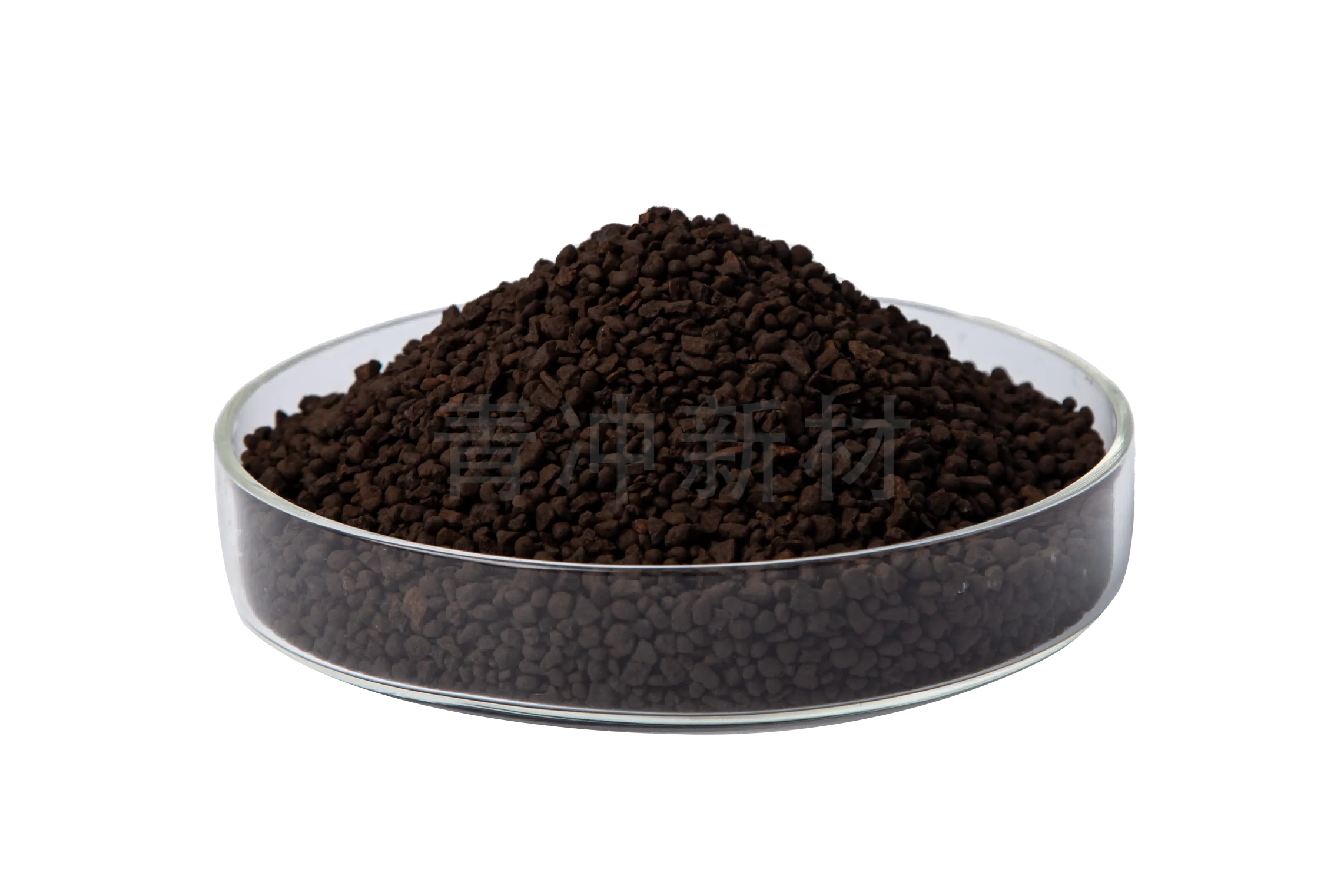
The correct media selection for industrial water treatment processes stands as the initial step toward successful implementation. The maintenance protocols of backwashing and regeneration determine the operational success of an iron and manganese removal system according to its scheduled maintenance activities. As a leading exporter of specialized manganese compounds, we know that Manganese Filter Media requires strict operational procedures to sustain its catalytic performance.
This article provides a deep dive into the technical requirements for maintaining manganese-based systems, ensuring your facility achieves maximum ROI and consistent water quality.
Why Backwashing Manganese Filter Media is Non-Negotiable
The manganese filter media functions by using two methods, which include physical straining and contact oxidation. The raw water flowing through the bed causes dissolved iron and manganese to oxidize into solid particles, which become trapped within the media pores.
Over time, these trapped solids accumulate, leading to several operational issues:
- Increased Head Loss: The pressure drop across the filter increases, forcing pumps to work harder and consuming more energy.
- Channeling: In channeling, water follows the route of least resistance, thereby creating "channels" in the medium bed through which untreated water passes, bypassing the surface of the catalyst.
- Media Caking: If this medium is not washed, the metal oxide it contains can cause the grains to stick together in lumps, or mudballs, which cannot be removed.
A robust backwash cycle prevents these issues by hydraulically lifting the bed, shearing off the accumulated precipitates, and flushing them to waste.
Technical Specifications: The Backwashing Protocol
To ensure a successful wash, operators must adhere to specific hydraulic parameters. Unlike lighter media like anthracite, manganese sand has a higher particle density (approx. 2.5–2.6 g/cm3), which necessitates higher flow rates to achieve proper lift.
1. Achieving Proper Bed Expansion
The goal of backwashing is to achieve a bed expansion of 30% to 40%. This expansion ensures that the media grains are in a fluidized state, allowing them to collide and rub against one another. This "scrubbing" action is vital for removing the sticky ferric hydroxide flocs from the MnO2 catalytic surface.
2. Backwash Flow Rates and Temperature
The required backwash flow rate typically ranges from 25 to 35 m/h (10–14 gpm/ft2), depending on the water temperature. The physical law states that cold water becomes more viscous, which enables it to lift media materials at a higher rate than warm water. Therefore, systems that operate in tropical climates or systems that process warm industrial effluent require increased flow rates to achieve the same 30% expansion.
3. Duration and Air Scouring
A standard backwash should last between 10 and 15 minutes, or until the drain water runs clear. For systems dealing with high organic loads or heavy iron concentrations, we highly recommend Air Scouring. Introducing compressed air before the water wash breaks up compacted layers and significantly reduces the volume of water required for the cleaning cycle.
The Science of Regeneration: Recharging the Catalytic Layer
The backwashing process provides physical cleaning while the regeneration process recharges chemical substances. Manganese filter media functions as a catalyst but its active sites on the surface will eventually reach a state of saturation or contamination.
Continuous vs. Intermittent Regeneration
There are two primary methods to maintain the catalytic potency of your Manganese Filter Media:
- Continuous Regeneration (CR): This is the most common method found in industry. Here, a strong oxidizer like chlorine (Cl2) or potassium permanganate (KMnO4) is fed into the raw water before it reaches the filter. It "re-oxidizes" the filter medium, ready at all times to react with any approaching dissolved metal.
- Intermittent Regeneration (IR): This process is generally used in smaller filtration systems and when chemical dosing is limited. In this process, the filter is removed and soaked in an oxidizing solution in order to restore the capability of the filter as a catalyst.
Without proper regeneration, the MnO2 coating can become "exhausted," leading to a sudden spike in manganese levels in the effluent—a phenomenon known as "breakthrough."
Why Media Quality Impacts Your Maintenance Budget
From a procurement perspective, the mechanical strength of the media is just as important as its chemical purity. During backwashing, the media grains are subjected to intense friction.
Low-quality, friable manganese sand will break down into "fines" (micro-particles) during the wash cycle. These fines are then washed out of the tank, leading to media loss. If your facility finds it needs to "top up" its filter bed every few months, you are likely using media with poor mechanical durability.
Our export-grade Manganese Filter Media is sourced and processed to ensure a high Mohs hardness. This minimizes attrition loss, ensuring that your bed depth—and your filtration efficiency—remains stable for years, not months.
Common Pitfalls in Manganese Filter Maintenance
1. Insufficient Flow: If the backwash pump being used is too small for the job, the filter bed will remain narrow, and the solids will continue to be lodged in the filter, eventually clogging the filter completely
2. pH Neglect: The removal of manganese is significantly pH-dependent. If your water pH drops below 7.5, all the regeneration protocols that you are using will be insufficient.
3. Fast Start-up: It is necessary to let the bed settle after a backwashing process. Always add a "Filter to Waste" (Rinse) step of 3 to 5 minutes to prevent a initial turbid burst from entering your cleaned water tank.
Conclusion
The most efficient method to reduce water treatment expenses at your industrial facility involves optimizing your manganese filter media backwashing and regeneration process. The media life extension and process water safety are achieved through two main actions, which include maintaining catalytic surface integrity and performing correct hydraulic cleaning.
At QingChong New Materials, we provide more than just raw materials; we provide the technical foundation for clean water. Our media is designed to withstand the rigors of high-pressure industrial backwashing while maintaining superior catalytic activity.
FAQ
1. How often should I backwash my manganese filter?
Typically every 24 to 48 hours. However, the best practice is to monitor the pressure differential. When the pressure drop increases by 0.5 bar over the "clean" baseline, a backwash is required.
2. Can I use air scour with all types of manganese media?
Yes, provided your underdrain system is designed for it. Air scouring is highly effective at preventing the "mudballing" often seen in high-iron groundwater applications.
3. Does chlorine affect the lifespan of the media?
Actually, chlorine is beneficial. It acts as a regenerant, keeping the manganese dioxide surface active. Our media is chemically stable and resistant to degradation from standard chlorine dosing levels.
4. What is the "ripening" period for new manganese media?
New media may take 12 to 24 hours of operation to reach full catalytic efficiency. During this time, the MnO2 layer "adjusts" to the specific water chemistry of your site.
5. Why is my media escaping through the top of the filter during backwash?
This usually indicates an excessive backwash flow rate or air being trapped in the lines. Ensure your flow rate matches the manufacturer's recommended expansion percentage.
"Maximize Your System's Lifespan Today"
Don't let poor maintenance or low-quality media inflate your operational costs. Our technical team is ready to help you calculate the exact backwash and regeneration requirements for your specific water profile.
[Request a Technical Data Sheet & Bulk Quote for Manganese Filter Media]