EN
EN
 CN
CN
 fr
fr es
es ar
ar ru
ru de
de pt
pt tr
tr vi
vi it
it ja
ja ko
ko hi
hi

Why High-Purity Electrolytic Manganese Dioxide Matters for Next-Gen Lithium-Ion Batteries
I. The Strategic Role of High-Purity EMD in the 2026 Battery Boom
1.1 2026: A Breakthrough Year for Lithium-Ion Batteries
The global lithium-ion battery market is entering a historic expansion cycle in 2026. Electric vehicle (EV) sales are projected to exceed 20 million units worldwide, while global energy storage system (ESS) installations are expected to reach 500 GWh. These numbers indicate growth, but they show fundamental changes in the system.
The process of change is directed by innovations in cathode materials. Battery designs now depend on high-nickel and high-manganese chemical compounds as their main development component. High-purity electrolytic manganese dioxide has become a strategic raw material for lithium-ion battery production instead of being just another industrial chemical.
Battery manufacturers have shifted their focus beyond cost per kilogram. They are working to improve three factors, which include energy density, safety margins, and lifecycle stability. High-performance cathode precursors now determine market leadership.
1.2 Exporter’s Perspective: Supplying the Foundation of Next-Gen Cathodes
As a professional exporter of manganese oxides and manganese compounds, we provide stable, high-purity EMD supply for global battery manufacturers. Our production capabilities include:
- Consistent purity above 90%
- Custom particle size and morphology control
- Strict moisture management
- Batch-to-batch stability for automated gigafactory production
Product details are available here: High-purity electrolytic manganese dioxide for lithium-ion batteries
The article investigates three topics: how high-purity EMD enhances battery performance, supports EV and ESS demand growth, and why 2026 is the right moment to establish long-term strategic partnerships.
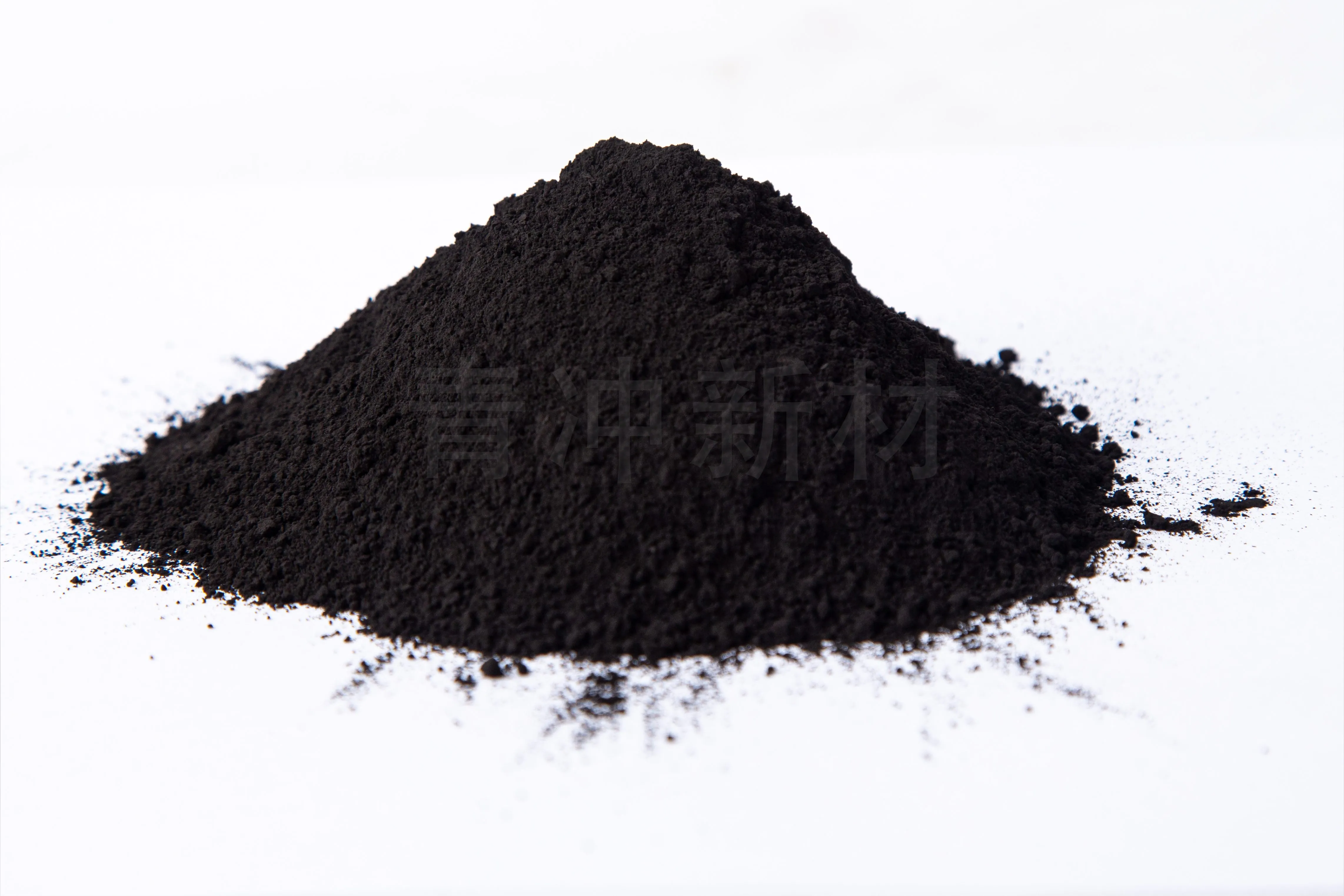
II. High-Purity Electrolytic Manganese Dioxide for Lithium-Ion Batteries: Technical Foundations
2.1 EMD as a Core Precursor for Advanced Cathode Materials
Electrolytic manganese dioxide is a key precursor in NMC (Nickel-Manganese-Cobalt) cathode systems. High-nickel formulations such as NMC811 rely on stable manganese content to balance structure and electrochemical behavior.
When purity exceeds 92%, EMD enables:
- 15–20% higher energy density
- Improved structural stability in layered cathodes
- Reliable operation at high voltage platforms
This directly supports long-range EV batteries and high-efficiency energy storage modules.
2.2 Purity, Impurity Control and Battery Safety
Impurity control at the ppm level is non-negotiable for advanced battery chemistry. Trace metals can cause unwanted side reactions, accelerate capacity fade, and increase thermal risk.
High-purity EMD contributes to:
- Reduced lithium dendrite formation
- Lower self-discharge rates
- Enhanced thermal stability
- Compliance with global safety transport standards such as UN38.3
For global battery supply chains, certified purity is a qualification requirement—not an option.
2.3 Structural & Morphology Advantages Over Alternative Sources
Compared with conventional chemical manganese sources, electrolytic-grade material provides:
- Controlled crystal structure
- Specific surface area >20 m²/g
- Moisture content <3%
- Superior compatibility with spray-drying and cathode synthesis processes
This explains why “battery-grade electrolytic manganese dioxide supplier” has become a frequent procurement search term in the EV and ESS industries.
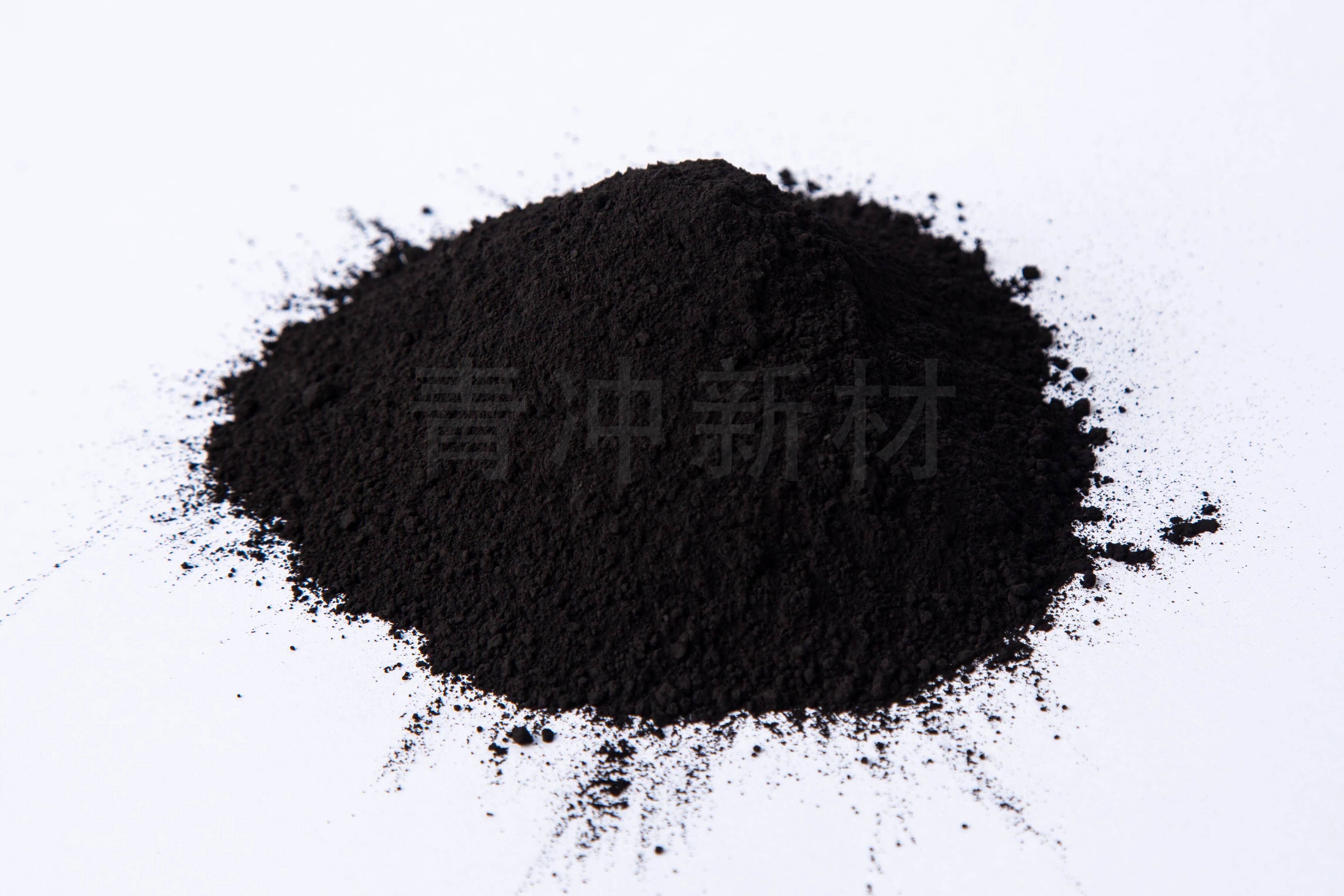
III. EV Industry: The Primary Growth Engine for High-Purity EMD
3.1 High-Manganese Cathodes Reshaping EV Battery Design
NMC811 batteries are expected to represent around 40% of premium EV production by 2026. High-manganese systems reduce cobalt dependence while maintaining energy density advantages over LFP chemistries.
Compared to LFP batteries, manganese-based cathodes can offer:
- Higher energy density
- 10–15% material cost optimization in certain configurations
- Better performance balance for long-range vehicles
This makes manganese dioxide for electric vehicle batteries a strategic raw material.
3.2 Long Range, High Safety, Lower Cost: The EV Equation
High-purity EMD directly supports:
- Driving range above 600 km
- Stable fast-charging performance
- 1500–2000 cycle life in dynamic automotive applications
For automakers aiming to meet carbon neutrality targets while maintaining affordability, manganese-rich cathodes represent a practical solution.
3.3 Collaboration with Tier-1 Supply Chains
From an exporter’s perspective, consistency and scalability are critical. We provide:
- Customized particle size distribution
- Optimized compaction density
- Stable electrochemical reactivity
- Batch uniformity for high-volume automated production
Learn more about our battery-grade electrolytic manganese dioxide supplier solutions and technical documentation support.
Our supply capability enables EV system integrators to reduce downtime, enhance coating uniformity, and improve yield rates.
IV. Energy Storage Systems (ESS): A Second Wave of Opportunity
4.1 Grid-Level Storage Expansion
Renewable integration is accelerating worldwide. Solar and wind penetration rates are increasing, requiring flexible energy storage infrastructure.
EMD-based lithium-ion batteries support:
- Long-duration discharge cycles
- High power density for peak shaving
- Potential cycle life above 5,000 cycles in stationary use
These characteristics make high surface area EMD for energy storage a growing demand segment.
4.2 Safety and Thermal Stability as Core ESS Priorities
Energy storage projects face unique challenges:
- Overheating risks
- Long-term degradation
- Complex system integration
High-purity EMD enhances cathode structural integrity, reducing heat buildup and capacity loss over extended cycles.
4.3 Policy-Driven Demand Growth
Government policies are accelerating demand:
- U.S. IRA incentives support local battery production
- Europe’s green transition plan expands grid storage
- Asian markets continue rapid ESS deployment
Large-scale production combined with export expertise allows suppliers like us to reduce total cost of ownership (TCO) for global clients.
V. Market Dynamics 2026: Pricing, Risks and Procurement Strategy
5.1 Price Outlook for High-Purity EMD
In 2026:
- Upstream manganese ore prices remain relatively stable
- Premium battery-grade EMD price keeps within a reasonable range
- Purity and consistency justify pricing premiums
Vertical integration in mining, refining, and electrolysis enhances cost competitiveness and pricing stability.
5.2 Regulatory & Supply Chain Challenges
Battery material sourcing faces increasing scrutiny:
- Geopolitical risks affecting raw material flow
- Tightening environmental standards
- Mandatory compliance certifications
Our products comply with RoHS requirements, supporting seamless entry into global markets.
5.3 Strategic B2B Procurement Recommendations
To ensure supply security:
- Lock annual framework contracts early
- Conduct laboratory validation testing
- Evaluate supplier technical service capability
- Prioritize long-term partnership over short-term pricing
Detailed technical specifications are available on our product page for evaluation.
VI. Our Product Advantages and Proven Export Capability
Product details: Electrolytic Manganese Dioxide
6.1 Technical Strengths
- Purity >90%
- Moisture <3%
- Particle Size: 100~400mesh
- Excellent electrochemical activity
Suitable for:
- High-manganese ternary cathodes
- Lithium manganese oxide materials
- Energy storage battery R&D
6.2 Scalable Supply & OEM Support
- Large-scale stable capacity
- Global logistics coordination
- OEM packaging solutions
- COA and third-party inspection reports
6.3 Sustainability & ESG Alignment
Our green electrolysis production process reduces emissions and energy consumption, supporting global ESG targets and responsible supply chains.
VII. Conclusion: High-Purity EMD Is a Strategic Material
As EV and energy storage industries continue expanding, high-purity electrolytic manganese dioxide is becoming a foundational material in next-generation battery systems.
It directly influences:
- Energy density
- Cycle life
- Thermal safety
- Cost structure
Choosing a reliable manganese oxide export partner ensures supply chain stability and long-term competitiveness.
FAQ
1. Why is high-purity electrolytic manganese dioxide important for lithium-ion batteries?
Because impurity control and structural stability directly impact energy density, cycle life, and safety.
2. What purity level is required for battery-grade EMD?
Typically above 91%, with trace impurities controlled at ppm levels.
3. How does EMD benefit electric vehicle batteries?
It supports high-nickel NMC cathodes, enabling longer driving range and improved fast-charging stability.
4. Is EMD suitable for energy storage systems?
Yes, especially for long-cycle stationary storage applications requiring thermal stability.
5. How can buyers secure high-purity EMD supply in 2026?
By locking annual contracts with certified suppliers and validating material through sample testing.
Is your next-generation battery project backed by a reliable high-purity EMD partner? Contact us today to secure stable supply and competitive advantage.