EN
EN
 CN
CN
 fr
fr es
es ar
ar ru
ru de
de pt
pt tr
tr vi
vi it
it ja
ja ko
ko hi
hi

Activated Manganese Dioxide vs Natural MnO₂: Which Material Is Better for Industrial Use?
In the global manganese chemicals market, industrial buyers often face a practical sourcing question: Activated Manganese Dioxide or Natural MnO2—which one is better for industrial use? At first glance, both materials are associated with manganese dioxide. However, for manufacturers, chemical processors, distributors, and formulation specialists, the real issue is not whether they share a similar chemical identity, but whether they deliver the right performance in actual production.
For applications involving sealants, catalysts, oxidizing agents, and other manganese compound uses, material choice can affect consistency, efficiency, processing behavior, and long-term production reliability. That is why more overseas buyers are comparing these two materials carefully before making procurement decisions.
In this article, we look at the practical differences between Activated Manganese Dioxide and Natural MnO2, and explain why many industrial users prefer activated material when performance and supply stability matter.
Why This Comparison Matters to Industrial Buyers
For industrial users, raw material selection is rarely a simple price comparison. A lower-cost material may appear attractive at the beginning, but if it introduces performance variation, inconsistent reactions, or processing inefficiencies, the overall production cost may become much higher.
This is especially true for manganese dioxide materials used in industrial systems where chemical activity, formulation compatibility, and process consistency are important. Buyers in global markets are not only looking for MnO2 as a name on paper. They are looking for a material that can support reliable manufacturing results.
That is why the comparison between activated manganese dioxide and natural MnO2 is so important. The right choice depends on how the material behaves in industrial use, not just how it is labeled.
They Share a Similar Name, but Not the Same Industrial Value
One of the most common misunderstandings in manganese chemical sourcing is assuming that all MnO2 materials offer similar value simply because they belong to the same general category.
From an industrial point of view, this is not necessarily true.
Natural MnO2 is generally associated with naturally occurring mineral sources. Activated Manganese Dioxide, on the other hand, is valued for being more performance-oriented in industrial applications that require stronger activity and more controlled behavior.
For buyers, the key question is not:
- Are they both manganese dioxide?
The more useful question is:
- Which material works better in my actual application?
This shift in thinking is important. In industrial manufacturing, the chemical name of a material may be only the starting point. The real value comes from how the material performs during use.
Material Origin and Processing: Where the Difference Begins
To understand why these two materials may perform differently, it helps to start with their origin and preparation.
Natural MnO2
Natural MnO2 is usually derived from mineral-based sources. Because it comes from naturally occurring ore-related materials, its characteristics may vary depending on source conditions, impurity levels, and natural composition differences.
In some industrial applications, this may be acceptable. But in processes that are sensitive to reactivity, formulation consistency, or stable chemical behavior, natural variation can become a challenge.
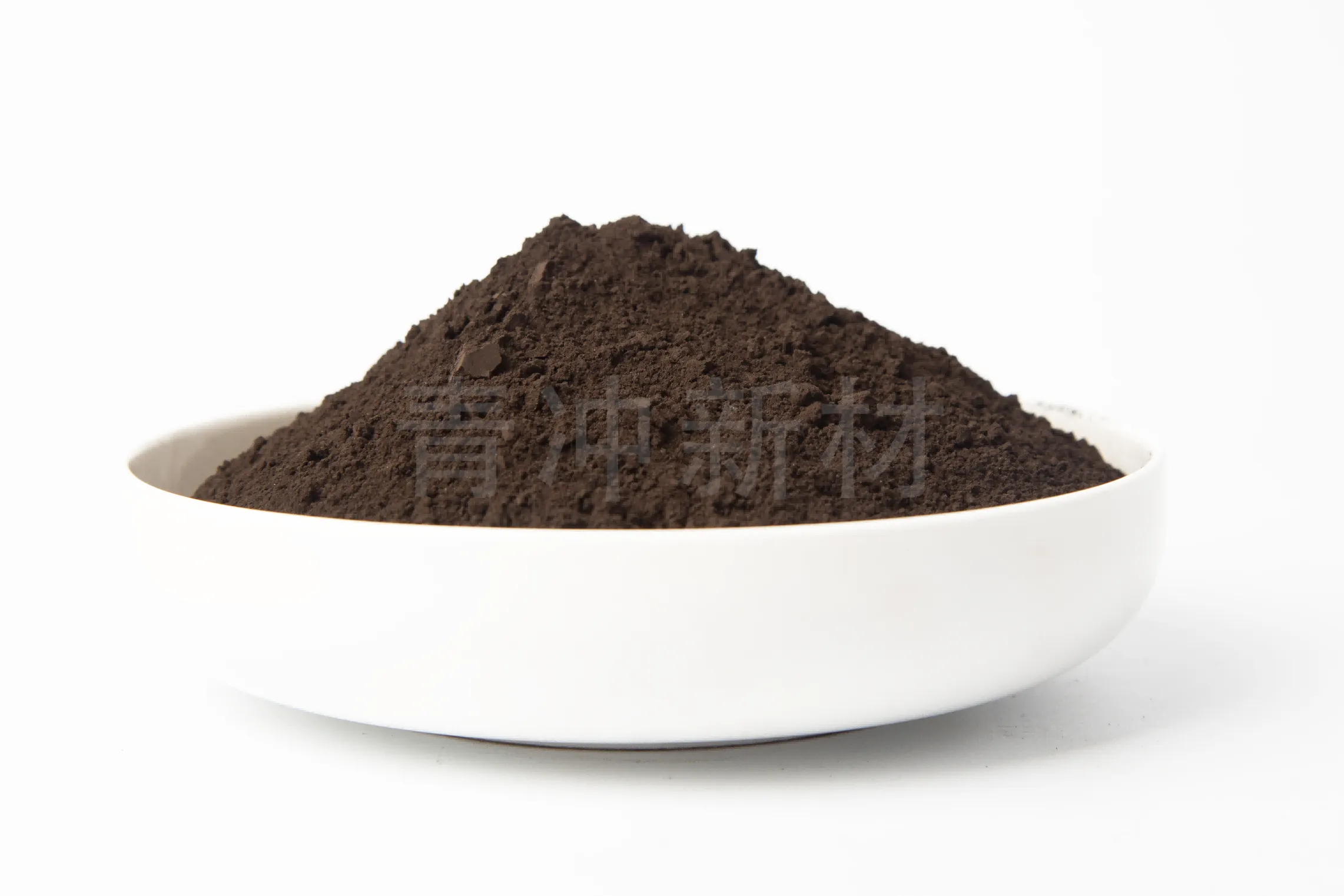
Activated Manganese Dioxide
Activated manganese dioxide is more closely associated with application-driven processing. Rather than relying only on natural occurrence, it is prepared to provide stronger functional performance in industrial systems where activity and consistency matter.
This makes activated manganese dioxide more suitable for buyers who need a material selected not only for its chemical identity, but also for its usable industrial value.
Why Processing History Matters
The origin and treatment of a material often affect:
- Reactivity
- Purity
- Surface behavior
- Consistency
- Process compatibility
For industrial users, these factors are often more important than raw material classification alone.
Performance Comparison in Industrial Use
When buyers compare activated manganese dioxide and natural MnO2, the most important factor is usually real-world performance. A material must do more than exist in a specification sheet. It must work effectively in production.
Reactivity
Activated manganese dioxide is generally preferred in applications where stronger chemical activity is required. For oxidation-related systems, catalyst support, or formulation-sensitive uses, this higher activity can make a meaningful difference.
Natural MnO2 may still be usable in certain lower-demand applications, but it may not offer the same level of response where reactivity is critical.
Consistency
Industrial manufacturing depends on repeatability. If a material behaves differently from batch to batch, it can create process instability, quality variation, and additional adjustment costs.
Activated manganese dioxide is often favored because it is more suitable for industrial users who need a material with more controlled and reliable performance.
Purity and Controllability
Purity matters when manganese dioxide is used as a functional ingredient rather than as a general bulk mineral. In processes such as sealant formulation, catalyst-related use, or oxidizing systems, a more controlled material can help reduce uncertainty.
Processing Compatibility
Material handling behavior also affects production efficiency. Dispersion, mixing response, reaction performance, and compatibility with other formulation components all influence how easily a material can be integrated into industrial manufacturing.
Activated manganese dioxide is often better positioned for applications where process compatibility is a major concern.
Cost vs Usable Value
Natural MnO2 may appear attractive from an initial purchase-cost perspective. However, industrial buyers should also consider total usable value.
If activated manganese dioxide provides:
- Better performance
- Better consistency
- Lower process risk
- Reduced production adjustment
- More reliable end-product quality
then it may offer better long-term value even if the upfront material price is not the lowest option.
Application-Based Selection: Which One Fits Better?
Instead of asking which material is universally better, industrial buyers should consider which material is better for a specific application.
For Sealant Manufacturers
Sealant production often requires reliable formulation behavior and consistent material quality. In this case, activated manganese dioxide is often the better option because stable performance can help support more dependable product output.
For Catalyst-Related Applications
Catalyst-related uses often place greater importance on active behavior and performance reliability. Activated manganese dioxide is generally more attractive in these cases because activity and functional consistency are central to the application.
For Oxidizing Agent Applications
In oxidation-related industrial systems, the effectiveness of the material is especially important. Activated manganese dioxide is usually preferred for these applications because it is more closely associated with the type of performance buyers are seeking.
For Cost-Focused Buyers with Lower Performance Sensitivity
If an application is not highly sensitive to activity, consistency, or formulation stability, natural MnO2 may still be considered based on budget priorities. However, buyers should evaluate whether short-term savings may lead to weaker process performance later.
For Long-Term Manufacturing Reliability
If the goal is repeatable manufacturing, fewer quality fluctuations, and smoother long-term procurement, activated manganese dioxide is often the more strategic choice.
A Better Question Than “Which Is Better?”
For professional buyers, the most useful sourcing question is not simply:
Which material is better?
The better question is:
Which material performs better in my process?
This perspective helps buyers make smarter decisions based on actual production needs.
A useful evaluation may include questions such as:
- Is the application sensitive to material activity?
- Is batch consistency important?
- Does the formulation depend on reliable oxidation performance?
- Is catalyst-related behavior a key requirement?
- Is process stability more important than the lowest initial raw material cost?
- Will the material be purchased repeatedly for ongoing production?
When buyers evaluate materials in this way, the decision often becomes much clearer.
Activated Manganese Dioxide for Industrial Supply
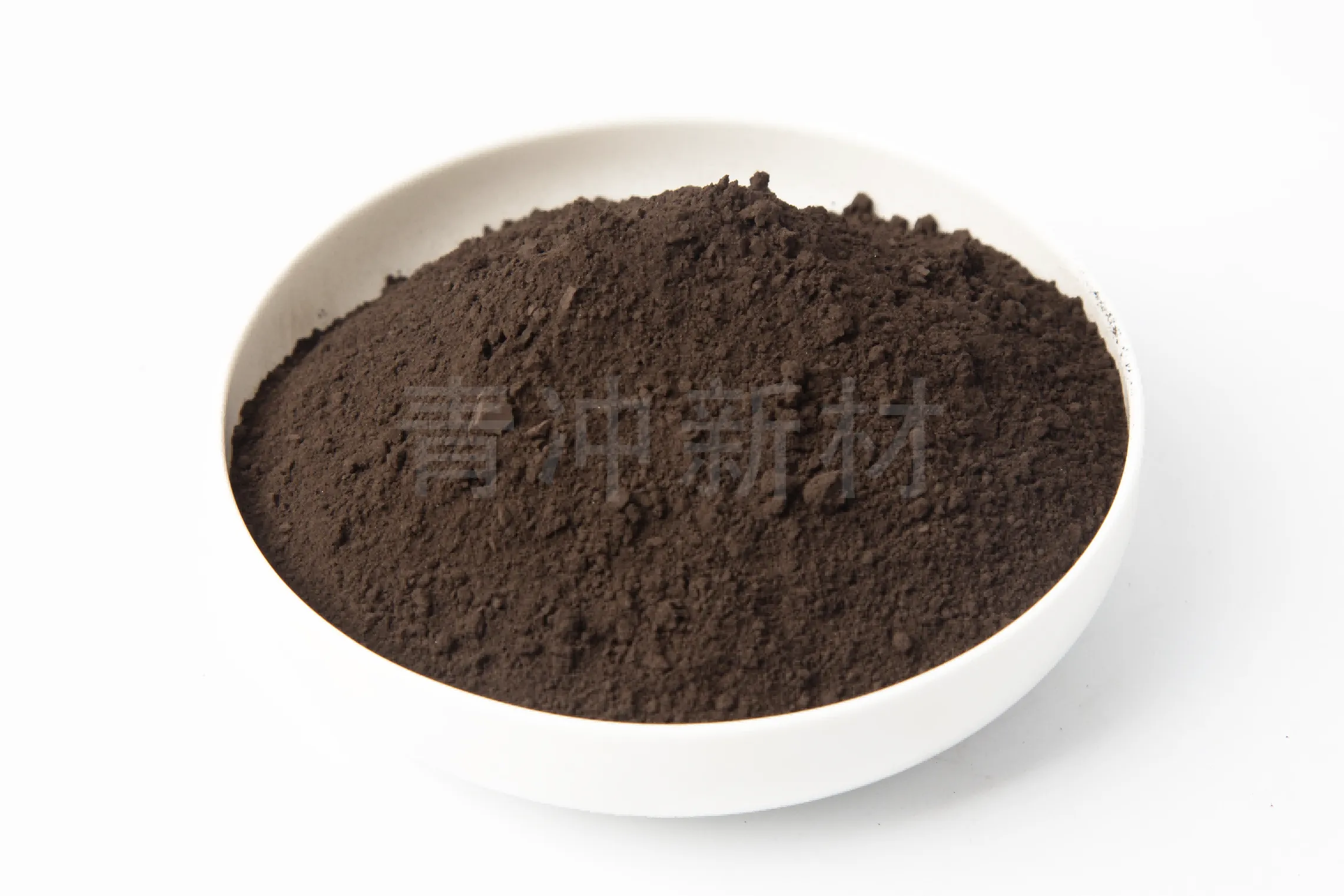
For companies looking for a dependable source of manganese chemicals, our Activated Manganese Dioxide is available for industrial use and export cooperation.
As a supplier focused on manganese oxide and manganese compound products, we understand the needs of overseas buyers in different industries. Customers are often looking for more than just a product listing. They need a supplier who can support:
- Industrial application requirements
- Stable supply expectations
- Export-oriented cooperation
- Practical communication for inquiries
- Packaging and shipment coordination
Our activated manganese dioxide is suitable for customers involved in:
- Sealants
- Catalyst-related applications
- Oxidizing agent systems
- Specialty chemical manufacturing
- Other industrial uses requiring active MnO2 materials
Whether you are a manufacturer, trader, distributor, or industrial end user, we welcome your inquiry for product details and cooperation opportunities.
Conclusion
When comparing Activated Manganese Dioxide vs Natural MnO2, the answer is not simply about chemical naming. It is about industrial suitability.
Natural MnO2 may still be considered in some cost-driven or lower-demand uses. But for buyers who value reactivity, consistency, controllability, and long-term production reliability, activated manganese dioxide is often the better material for industrial use.
If your business is sourcing manganese dioxide for sealants, catalysts, oxidizing agents, or related industrial applications, choosing the right material can help improve product quality and reduce process uncertainty.
If you are looking for a reliable export supplier of activated manganese dioxide, feel free to contact us for specifications, application discussion, packing details, and cooperation support.
FAQ
1. What is the main difference between activated manganese dioxide and natural MnO2?
The main difference is that activated manganese dioxide is generally more performance-oriented for industrial applications, while natural MnO2 is more closely related to mineral-based raw material sources. Activated material is often preferred when higher activity and better consistency are required.
2. Is activated manganese dioxide better than natural MnO2 for sealant applications?
In many cases, yes. For sealant applications, activated manganese dioxide is often preferred because of its more reliable formulation behavior and industrial consistency.
3. Why do catalyst and oxidizing agent users prefer activated manganese dioxide?
Because these applications often depend on chemical activity, oxidation performance, and stable functional behavior, activated manganese dioxide is usually more suitable than natural MnO2.
4. Can natural MnO2 still be used in industrial applications?
Yes. Natural MnO2 can still be used in some industrial applications, especially where performance sensitivity is lower and cost is the main priority. However, buyers should evaluate whether its performance is sufficient for their process needs.
5. How can I choose the right activated manganese dioxide supplier?
You should look for a supplier that can offer consistent product quality, export experience, stable communication, suitable packaging options, and support for your intended industrial application.