EN
EN
 CN
CN
 fr
fr es
es ar
ar ru
ru de
de pt
pt tr
tr vi
vi it
it ja
ja ko
ko hi
hi

EMD Pricing Explained: Cost Drivers, Market Growth & Best Purchasing Strategies
Electrolytic manganese dioxide (EMD) is crucial in various industrial supply chains and mainly in the global battery sector. The continuing demand for energy storage, electric vehicles, and portable electronics has led to the use of electrolytic manganese dioxide as a strategic raw material across the board by manufacturers. For the international buyers, the knowledge of the price of electrolytic manganese dioxide is not only a matter of cost control but also a way to ensure stability in long-term supply, and consistency in performance.
Usually, price is one of the most important factors in making procurement decisions. Nevertheless, EMD pricing is subject to a number of influencing factors, including the cost of raw materials, the type of production technology, the quality standards, and the level of demand from downstream markets. The article discusses the existing market situation, the factors that contribute to the costs, and the effective purchasing methods so that the buyers can take the right sourcing decisions.
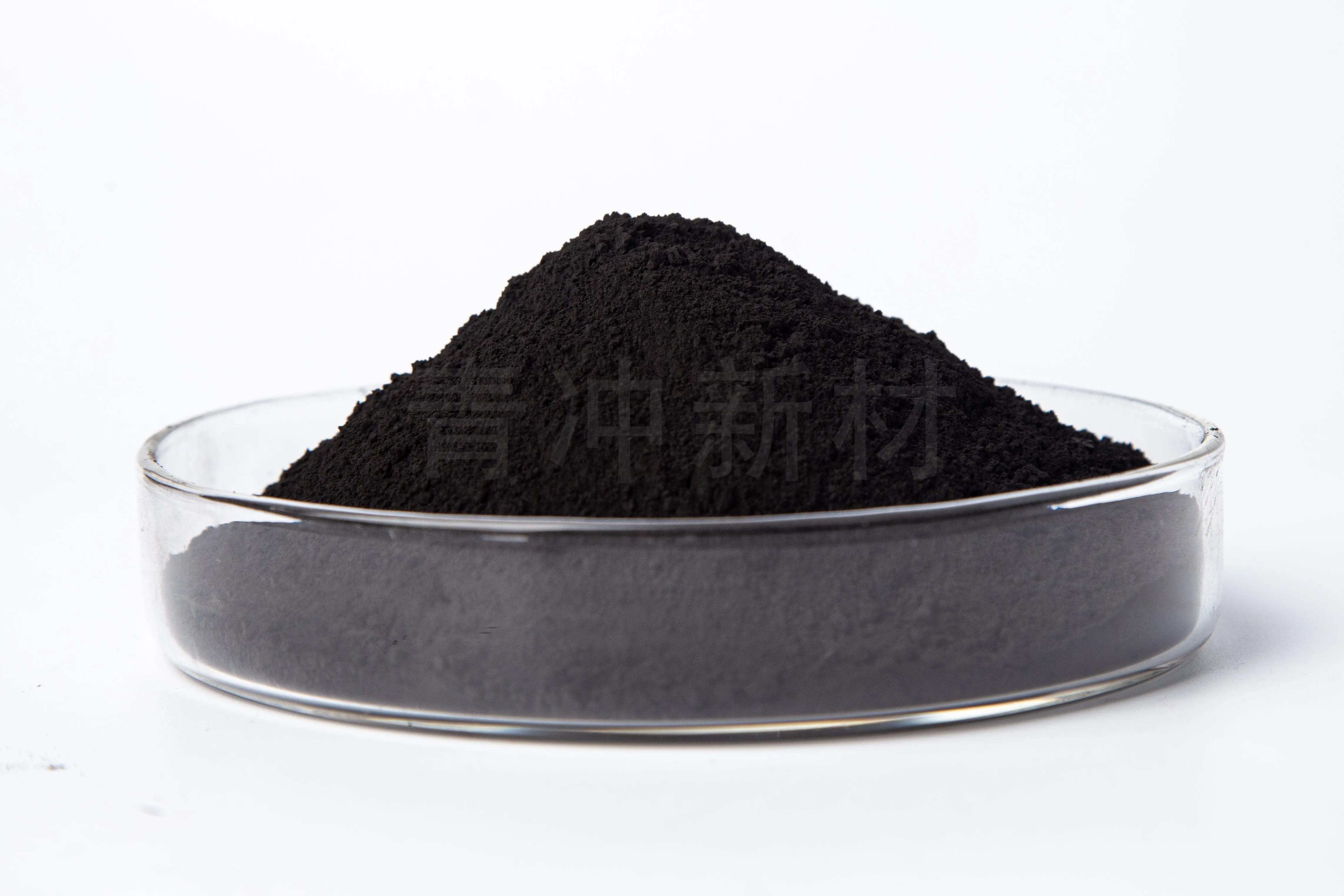
Electrolytic Manganese Dioxide Price — Current Market Overview
Throughout the last ten years, the international electrolytic manganese dioxide market has demonstrated a consistent rise in its demand. The battery production capacity expansion along with growing investments in renewable energy storage have conferred an uplift to the market that is projected to extend till 2026 and beyond. This ongoing demand is giving the entire market a price support that is even stronger than during the times of short-term volatility.
Several key factors influence the electrolytic manganese dioxide price:
- Raw material costs:
Manganese ore prices are influenced by changes in mining output, energy costs, and environmental regulations. Therefore, any increase in raw material prices will have a corresponding impact on EMD production costs. - Production and processing expenses:
The electrolytic process is energy-intensive and the purity of the manganese dioxide produced is strictly controlled; hence, the battery-grade product is subjected to even more stringent quality control and, therefore, the production costs of this material are higher than that of industrial-grade. - Downstream demand:
Battery manufacturers are the main consumers of electrolytic manganese dioxide. The growth in electric vehicles, energy storage systems, and consumer electronics has a direct impact on the demand and affects the price trend. - Trade policies and regulatory risks:
Measures taken in international trade like anti-dumping investigations, for instance, can create supply chain issues. A case in point is the investigations of Chinese EMD exports that have in the past led to the scarcity and rise in prices of EMD in certain markets.
Importers and procurement managers can use these factors to their advantage by keeping a close watch on them, as this would result in better forecasts of the price movements and effective planning of the purchasing cycles related to the electrolytic manganese dioxide.
Electrolytic Manganese Dioxide Price Levels — What Buyers Should Expect
Electrolytic manganese dioxide prices largely vary, depending on the grade, purity and the ordering volume. However, industrial-grade EMD which is used for pigments or ceramics is, in general, priced lower than battery-grade material which is intended for use in electrochemical applications.
Battery-grade electrolytic manganese dioxide generally lifts the lock on the price since it has higher MnO₂ content, lower impurity levels, and stricter particle size control as well. Thus, the buyers should take into account as well the price differences that will occur due to packaging, logistics costs, and regional market conditions.
The ranges that are made public are for the most part only guidelines. The actual price quotations for electrolytic manganese dioxide may be influenced by the dynamics of the market and the terms of contracts. Therefore, direct request of real-time quotations from suppliers is strongly recommended for buyers.
Among the most common procurement strategies are negotiating long-term supply contracts to stabilize pricing, consolidating orders to achieve volume discounts and coordinating delivery schedules with production needs to cut down the need for inventory.
Electrolytic Manganese Dioxide Supply Advantage — Quality That Drives Value
Choosing a reliable supplier is essential for controlling both cost and quality. QingChong provides high-quality electrolytic manganese dioxide with MnO₂ content ranging from 90% to 92%, offering strong electrochemical performance and stable physical properties. The product is suitable for a wide range of applications, including batteries, pigments, and ceramic materials.
QingChong’s electrolytic manganese dioxide is manufactured under a strict quality management system and supported by ISO 9001 certification. Consistent quality control ensures that buyers receive stable material performance across different batches, reducing production risks.
In addition to quality assurance, QingChong offers competitive electrolytic manganese dioxide price advantages supported by efficient production capacity, professional export services, and reliable global logistics. Click here to know more about product specification and technical information.
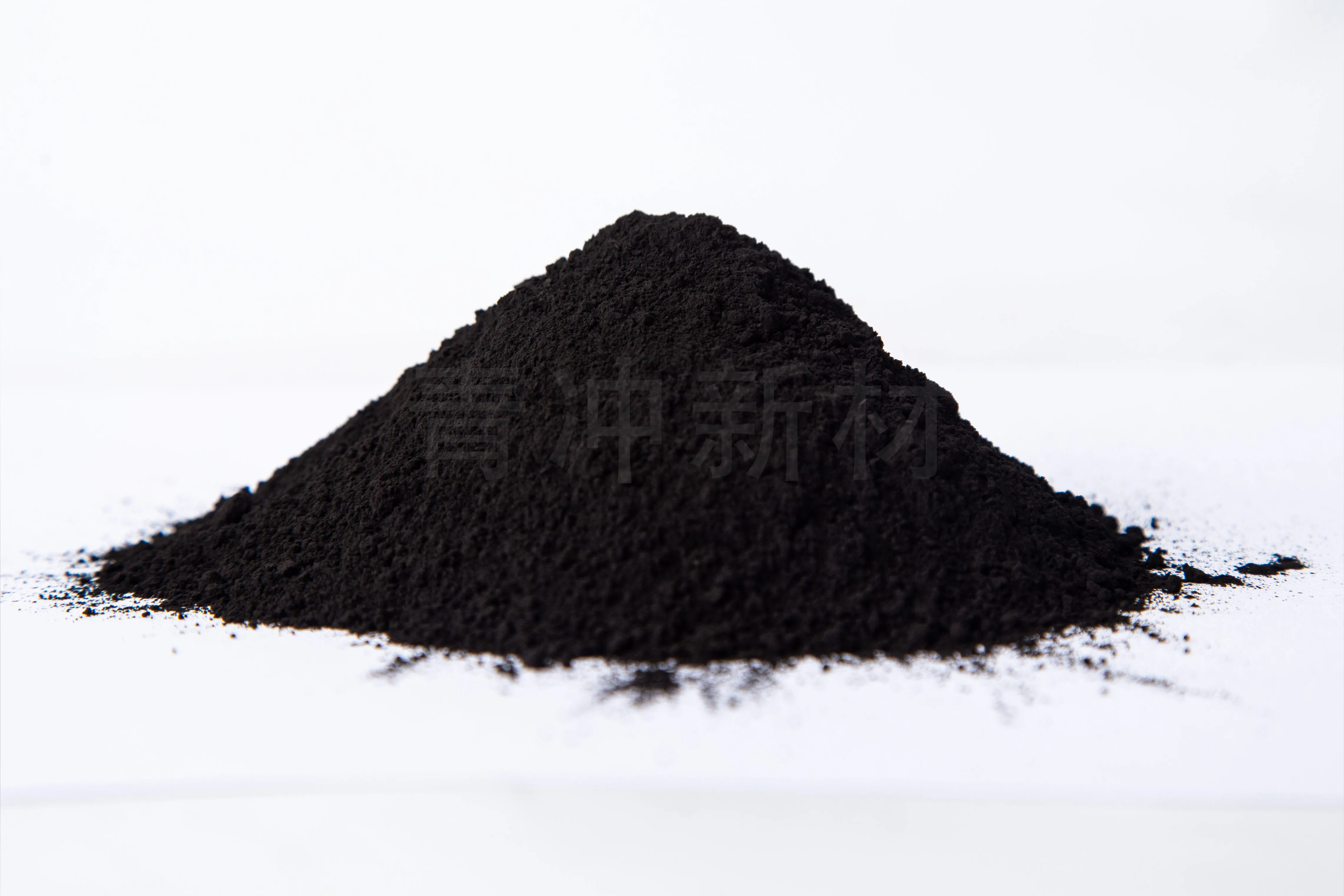
Electrolytic Manganese Dioxide Supplier Selection — Practical Buying Guidelines
Choosing the appropriate supplier involves a meticulous assessment of different factors all together. Price shouldn't be the only factor triggered especially for clients from battery and advanced materials sectors.
To begin with, the product's quality should be determined through the technical data sheets and sample testing. The efficiency and safety of the final product depend on the performance of electrolytic manganese dioxide. The next step is evaluating the supplier's capacity to produce and their capability to deliver consistently over a period of time. It’s become more costly to have interruptions in the supply than to pay for a small difference in price.
After that, you should check certifications, quality systems and technical support skills. A certified supplier must provide documentation, answer technical questions and be willing to cooperate for a long time. Last but not least, negotiate the contract terms very carefully, including payment methods, delivery schedules and after-sales support, in such a way that your operational risks are minimized.
Conclusion — Making Smarter Electrolytic Manganese Dioxide Purchasing Decisions
Electrolytic manganese dioxide prices are mainly determined by the costs of raw materials, the technology used in production, the demand in the market, and the trading conditions worldwide. However, steady growth in the market has made it easier for those buyers who are aware of the mentioned dynamics to control their costs and get a trustworthy supply.
One of the major factors that contribute to the efficiency and competitiveness of a company is the availability of high-quality electrolytic manganese dioxide, together with consistent delivery and clear pricing. International buyers can mitigate sourcing risks and establish sustainable long-term partnerships in a global market that is continually growing by cooperating with experienced and trustworthy suppliers.
FAQs
What affects the electrolytic manganese dioxide price most significantly?
Raw material costs, energy consumption in production, purity requirements, and downstream battery demand are the main influencing factors.
Is battery-grade electrolytic manganese dioxide more expensive than industrial-grade?
Yes, battery-grade material requires higher purity and stricter quality control, resulting in a higher price.
How can buyers obtain accurate electrolytic manganese dioxide price quotations?
The most reliable method is to contact suppliers directly and request real-time quotations based on volume and specifications.
Why is supplier stability important when purchasing electrolytic manganese dioxide?
Stable suppliers reduce the risk of supply disruptions, quality inconsistencies, and unexpected cost increases.
Can long-term contracts help control electrolytic manganese dioxide price fluctuations?
Yes, long-term agreements often provide more stable pricing and better supply security.