EN
EN
 CN
CN
 fr
fr es
es ar
ar ru
ru de
de pt
pt tr
tr vi
vi it
it ja
ja ko
ko hi
hi

How Chemical MnO₂ Works as an Oxidizing Agent in Industrial Chemical Reactions
All industrial oxidation processes require specific raw materials for successful operation. The manufacturing process selects oxidizing agents, which determine reaction efficiency and product consistency, process safety, and production costs. Chemical Manganese Dioxide (MnO2) exists as one of many industrial oxidizing materials, which demonstrates stable performance, controllable reaction behavior, and wide usage across chemical processing applications.
Chemical MnO2 serves as an oxidizing agent, which delivers balanced performance for numerous industrial applications because it does not create excessive side reactions and does not need special handling requirements. The material serves essential purposes in both bulk and specialty chemical production because it can conduct electron transfer reactions, create active surface sites, and operate under controlled process conditions. The following text explains its operational mechanism and its significance as an industrial chemical substance.
I. Chemical MnO2 as an Oxidizing Agent in Industrial Reactions
At its core, Chemical MnO2 functions as an oxidizing agent by accepting electrons from another substance. During this process, the target reactant is oxidized while MnO2 is reduced to a lower oxidation state manganese species. This electron-transfer capability is the foundation of its industrial utility.
The oxidation behavior of MnO2 in actual applications depends on both its chemical makeup and its physical structural characteristics. The active sites of MnO2 particles exist on their surface because this surface enables chemical reactions to take place. The reactivity of MnO2 depends on both its purity and its particle size distribution, surface area, and particle shape characteristics.
Manufacturers select chemical manganese dioxide for industrial oxidation processes because it provides them with predictable reaction patterns. MnO2 enables oxidation of specific systems with reduced threat of excessive reaction compared to stronger oxidizing agents. The material proves valuable for use in situations that require both selectivity and stability while maintaining simple processing methods.
For industrial operators, controlled performance can translate into several practical benefits:
- Improved reaction consistency
- Reduced formation of unwanted by-products
- Better handling and storage characteristics
- Suitability for continuous or scaled production systems
These characteristics make Chemical MnO2 a reliable option in a wide range of chemical manufacturing environments.
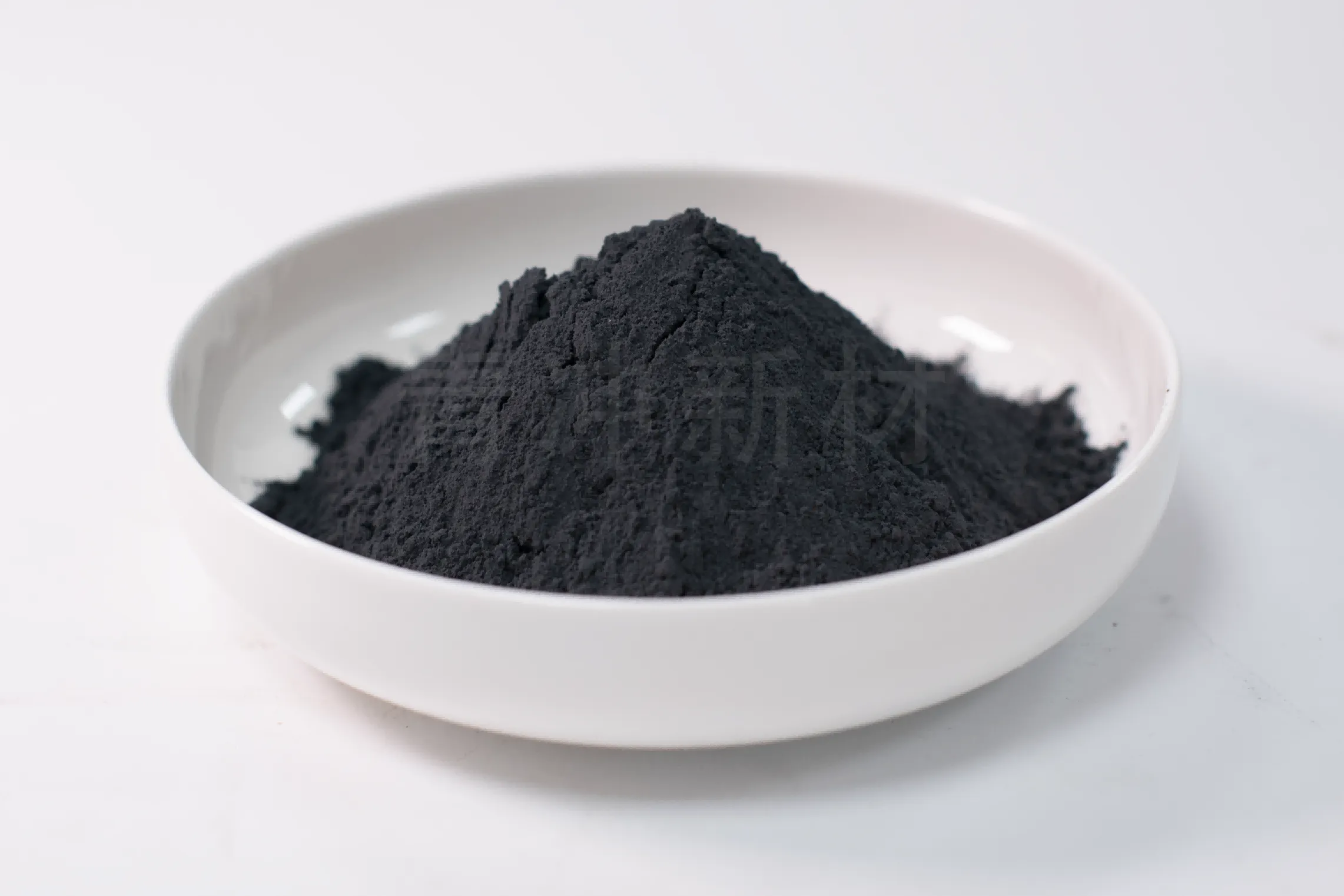
II. Why Chemical MnO2 Is Preferred in Industrial Oxidation Processes
The ideal oxidizing agent for industrial production needs to achieve two objectives. The process requires dependable functionality that must function with the production system and maintain its performance throughout every production batch. Chemical MnO2 provides exceptional benefits for industrial chemical processes.
1. Stable Chemical Properties
Manufacturers use MnO2 because it maintains chemical stability when stored and handled according to proper guidelines. The chemical stability enables manufacturers to forecast material behavior that occurs during transportation, storage, and production line operations.
2. Lower Risk of Side Reactions
MnO2 exhibits more moderate oxidation capabilities, which results in decreased side reaction production when used at particular application sites. Industrial synthesis operations benefit from this capability because it produces higher production results and generates more straightforward reaction patterns, which require less purification work in later stages.
3. Broad Process Compatibility
Another advantage is versatility. Chemical MnO2 can be used across different reaction systems, including selected organic oxidation processes, manganese-based chemical manufacturing, and catalyst-related chemical operations. This broad usability makes it attractive to companies managing multiple product lines or diversified chemical processes.
4. Practical Supply and Handling Benefits
For B2B buyers, procurement decisions are often based not only on chemistry but also on supply chain practicality. A well-produced MnO2 material offers:
- Consistent assay levels
- Controlled impurity profile
- Good storage stability
- Easier transport and packaging management
These factors are especially important for industrial buyers seeking long-term raw material reliability.
III. Chemical MnO2 Applications in Organic Synthesis and Specialty Chemicals
The industrial value of Chemical MnO2 oxidizing agent applications can be seen across several sectors of chemical manufacturing.
1. Organic Chemical Oxidation
MnO2 is widely recognized for use in oxidation-related organic chemistry processes. In industrial settings, it may be used in systems involving:
- Alcohol oxidation reactions
- Preparation of organic intermediates
- Specialty reaction steps requiring controlled oxidation behavior
Its usefulness in these areas comes from the balance between reactivity and selectivity. For manufacturers of intermediates and fine chemicals, this can be highly valuable in maintaining process efficiency and product quality.
2. Catalyst-Related Processes
The MnO₂ compound in certain chemical systems functions as a direct oxidation pathway component while acting as a catalyst support element. The material shows both surface activity and redox properties, which make it useful in environments that require both catalytic activities and oxidation reactions.
3. Specialty Chemical Production
Specialty chemical manufacturers require materials that deliver dependable performance during their shorter yet more challenging production processes. Chemical MnO₂ meets these needs for operational environments that require process control, impurity management, and product consistency.
4. Manganese-Based Chemical Processing
MnO₂ is also an important raw material in the broader manganese chemical industry. It can be used in the production chain for manganese-derived compounds and other downstream chemical materials, adding to its strategic importance in industrial supply systems.
For buyers evaluating raw material options, detailed specifications matter. A dedicated Chemical Manganese Dioxide product page helps procurement teams review product suitability for specific applications.
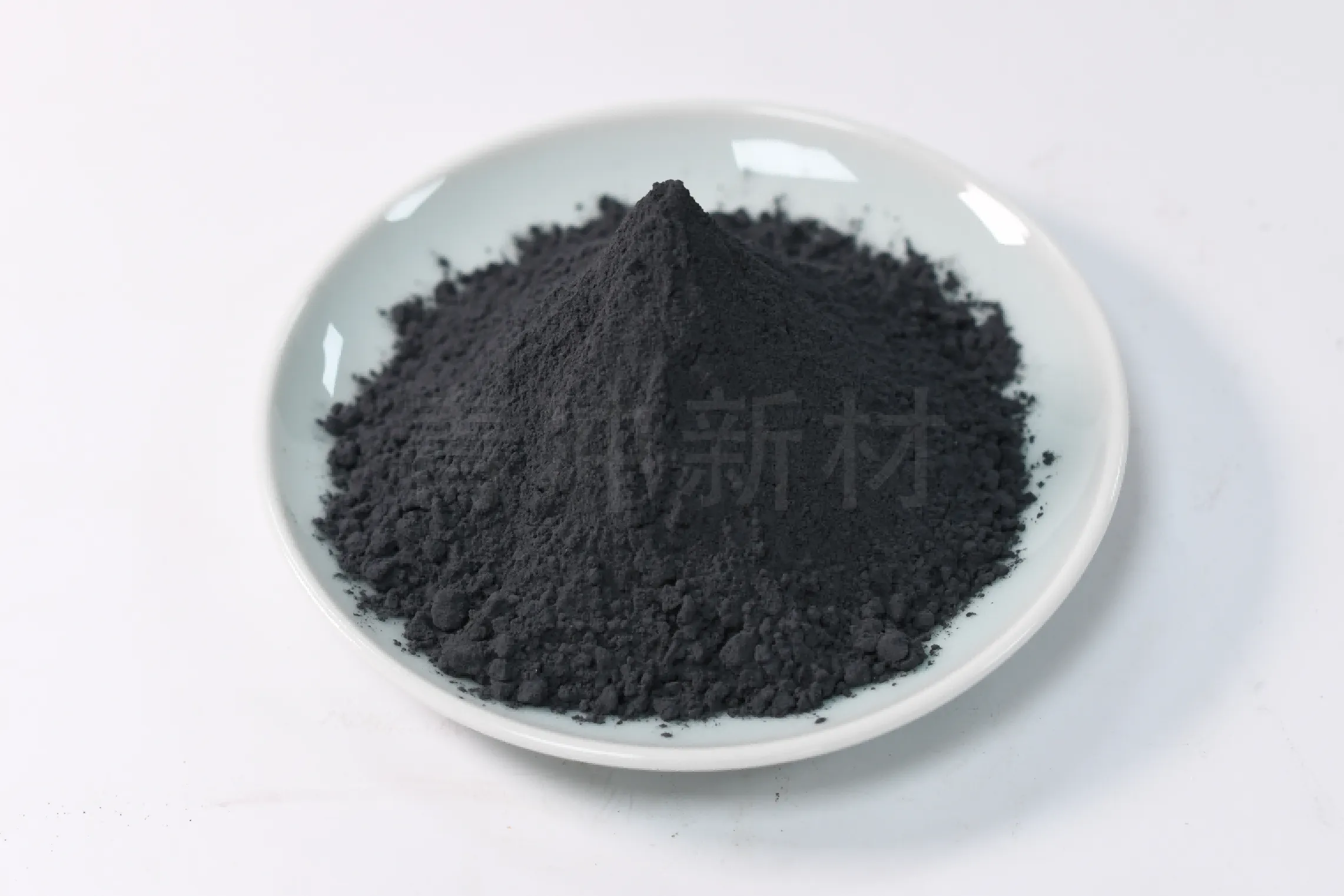
IV. Key Factors That Influence Chemical MnO₂ Reaction Performance
The actual performance of MnO₂ in industrial applications depends on two factors, which are material quality and process conditions. The essential understanding of these variables enables companies to select appropriate grades that meet their production requirements.
1. Particle Size and Surface Area
More surface area becomes accessible through finer particles, which results in better contact efficiency and improved reaction performance. The process requirements, equipment specifications, and mixing conditions determine the optimal particle size.
2. Purity and Impurity Control
Purity level is another major factor. The excessive presence of impurities in products will disrupt reaction paths while resulting in product defects and batch-to-batch inconsistencies. For industrial buyers, supplier quality control is therefore a critical part of material selection.
3. Reaction Environment
The surrounding process conditions also influence how MnO₂ performs, including:
- Temperature
- Solvent system
- Reaction time
- Concentration profile
- Mixing efficiency
Even a high-quality material may perform differently under different operational settings. This is why process evaluation and material matching are important in industrial implementation.
4. Batch Consistency
From a manufacturing perspective, one of the most important but sometimes overlooked factors is batch stability. A reliable supplier should provide consistent MnO₂ content, repeatable particle characteristics, and controlled impurity ranges to support predictable plant performance.
Companies searching for a dependable source of chemical manganese dioxide for industrial use often prioritize technical consistency as much as price.
V. How to Select the Right Chemical MnO₂ Grade for Industrial Use
Selecting the correct grade of Chemical MnO₂ is a strategic procurement decision. The best choice depends on the reaction system, required oxidation performance, downstream purity standards, and production scale.
When evaluating suppliers, buyers typically focus on the following criteria:
- MnO2 content
- Impurity control level
- Particle size distribution
- Moisture condition
- Batch-to-batch consistency
- Packaging and delivery reliability
For chemical processors, these indicators directly affect production efficiency, cost control, and final product stability. A material that appears acceptable on paper may still fail operationally if supply consistency is poor.
This is why it is important to work with an experienced supplier that understands industrial chemical applications and can support long-term purchasing needs. Businesses seeking product specifications and industrial sourcing information can review the Chemical Manganese Dioxide for industrial applications page for technical reference.
VI. Reliable Chemical MnO₂ Supply for Industrial Applications
In today’s industrial market, buyers need more than a commodity material. They need a stable partner capable of delivering quality, consistency, and application-oriented support. High-quality Chemical MnO₂ products are typically characterized by:
- Stable MnO₂ content
- Well-controlled particle structure
- Suitability for multiple oxidation systems
- Consistent quality for industrial-scale production
These features make Chemical MnO₂ relevant to:
- Chemical processing plants
- Organic synthesis manufacturers
- Catalyst production companies
- Manganese compound manufacturers
For companies aiming to improve oxidation efficiency, maintain product quality, and secure a dependable raw material source, Chemical MnO₂ remains a practical and proven industrial solution.
FAQs
1. What is Chemical MnO₂ used for in industrial chemistry?
Chemical MnO₂ serves as an oxidizing agent, which enables multiple industrial chemical reactions to occur. These industrial chemical reactions include organic oxidation processes, specialty chemical production, catalyst-related processes, and manganese-based chemical production.
2. How does Chemical MnO₂ work as an oxidizing agent?
Chemical MnO₂ functions as an oxidizing agent because it takes electrons from other materials during redox reactions. This process results in oxidation of the other material while MnO₂ undergoes reduction.
3. Why is Chemical MnO₂ preferred over some stronger oxidizing agents?
Chemical MnO₂ provides controlled oxidation, which results in reduced side reactions, maintains storage stability, and performs better than other oxidizing agents for industrial applications.
4. What factors affect the performance of Chemical MnO₂ in reactions?
The performance of Chemical MnO₂ in reactions depends on eight key factors, which include particle size, surface area, purity levels, impurity levels, reaction temperature, solvent system, reaction time, and batch consistency.
5. How do I choose the right grade of Chemical MnO₂ for my process?
The right grade depends on MnO₂ content, impurity control, particle size distribution, batch stability, and the specific requirements of your industrial reaction system.