EN
EN
 CN
CN
 fr
fr es
es ar
ar ru
ru de
de pt
pt tr
tr vi
vi it
it ja
ja ko
ko hi
hi

Chemical Manganese Dioxide Explained: A Key Material for Electronics and Chemical Industries
In industrial manufacturing, the right raw material does far more than fill a formula sheet. It influences process efficiency, product consistency, and long-term production planning. That is exactly why Chemical Manganese Dioxide, often abbreviated as CMD, remains an important material for buyers in electronics, chemical processing, and manganese-related industries. Below is a structured look at what CMD is, where it is used, how buyers evaluate it, and why a dependable export supplier makes a real difference.
I. Understanding Chemical Manganese Dioxide
To see why this material matters, it helps to begin with the fundamentals.
1. What CMD is
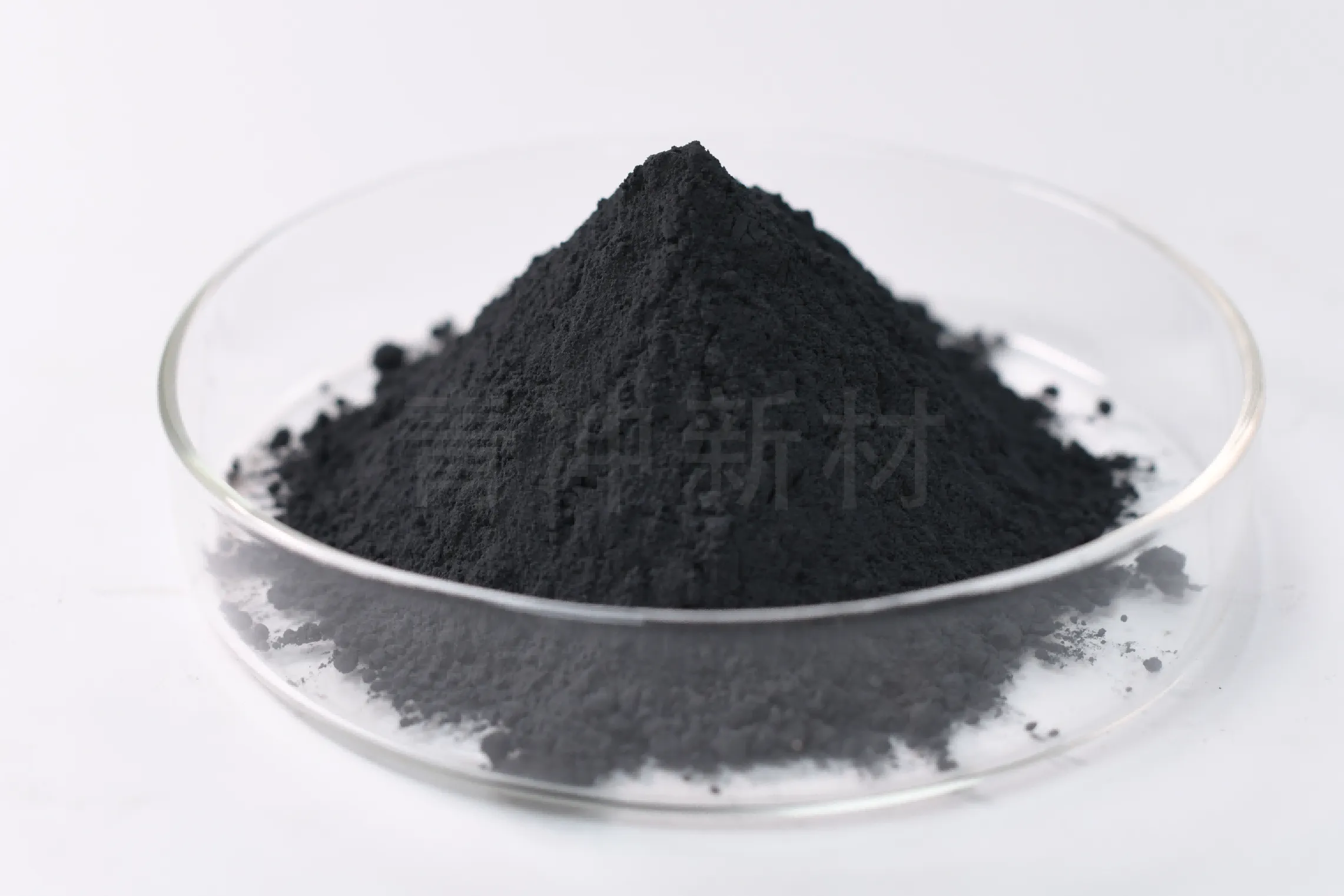
Chemical Manganese Dioxide is a synthetic form of manganese dioxide produced through a chemical manufacturing route rather than obtained directly from natural ore. In industrial supply chains, this distinction matters because synthetic production allows tighter control over composition and performance.
CMD is valued as a functional manganese-based material with properties that support a wide range of downstream uses. Depending on the application, buyers may focus on its oxidizing ability, purity profile, particle characteristics, or compatibility with other ingredients in a formulation.
2. Why manufacturers use synthetic manganese dioxide
For industrial buyers, material selection is rarely about one property alone. The appeal of CMD usually comes from a combination of practical advantages:
- Controlled chemistry, which helps reduce variability in production
- Usable purity levels, important for quality-sensitive applications
- Predictable physical properties, including particle behavior in processing
- Industrial versatility, making it relevant across several sectors
A chemical plant, electronics materials producer, or manganese compound processor may all use manganese dioxide for different reasons, but they share one expectation: the raw material should perform reliably in real operating conditions.
3. Key characteristics buyers pay attention to
When evaluating CMD, professional purchasers typically look beyond a product name. The most important factors often include:
- Manganese dioxide content
- Impurity control
- Particle size and distribution
- Moisture and handling behavior
- Lot-to-lot consistency
These points are not just technical details. They directly affect mixing, reaction efficiency, finished product quality, and the ease of scaling from trial orders to regular bulk supply.
II. Where Chemical Manganese Dioxide Creates Value
CMD is especially relevant because it supports several industrial pathways rather than serving only one niche.
1. Electronics-related applications
In electronics and related materials manufacturing, consistency is everything. Even small changes in raw material behavior can affect process stability or final product performance. CMD is used in areas where manganese dioxide contributes to electrochemical or functional material systems, including:
- Battery-related applications
- Ferrite and magnetic material production
- Electronic ceramics and specialty components
- Manganese-based formulations requiring controlled input quality
For this segment, buyers often place strong emphasis on purity, particle uniformity, and supply continuity. A material may look acceptable on paper, yet still cause trouble if batch performance shifts over time. That is why experienced electronics manufacturers usually evaluate supplier reliability as carefully as they evaluate the product itself.

2. Chemical industry applications
In the chemical sector, CMD is used for its role as an oxidizing material or as a useful input in manganese-based processing systems. It can support production environments where reaction behavior, process cleanliness, and compositional control are all important.
Its industrial relevance extends to:
- Chemical synthesis and oxidation systems
- Catalyst-related or process-support applications
- Specialty manganese compounds
- Intermediate production for further downstream use
For chemical plants, the choice of manganese dioxide can influence reaction efficiency, impurity transfer, and overall production management. In practice, that means sourcing decisions should be based on application fit rather than price alone.

3. Why it matters to manganese compound users
CMD is also relevant to companies that may not describe themselves as “electronics buyers” or “battery producers” but still operate within the broader manganese value chain. This includes businesses involved in:
- manganese oxides
- manganese salts
- ferrites
- specialty chemical additives
- industrial mineral trading and distribution
For these users, CMD may function as a key feedstock, a formulation component, or a strategic procurement item within a larger product portfolio. Its value lies in being both technically useful and commercially adaptable.
III. What Buyers Should Check Before Sourcing CMD
Not every grade of manganese dioxide is suitable for every process. A smart sourcing decision starts with the right evaluation criteria.
1. Core purchasing considerations
When international buyers compare suppliers, the following points usually shape the decision:
Purity and specification suitability
A material should match the demands of the target application. Higher-end uses often require closer control of impurities and composition.
Particle size and processing behavior
Physical properties affect dispersion, reaction contact, handling, and blending. A suitable grade should work well in the buyer’s production environment, not just in a data sheet.
Batch consistency
One successful sample is not enough for industrial procurement. Repeatability across orders is what supports stable manufacturing.
Documentation support
Professional buyers usually require technical papers such as COA, TDS, and SDS to complete internal review and regulatory procedures.
Packaging and export readiness
Export packaging should protect product integrity during warehousing, container transport, and delivery to the end user.
2. CMD compared with other manganese dioxide grades
For buyers new to the category, it is useful to compare CMD with other common types of manganese dioxide. The table below gives a practical overview.
| Type | Main Advantage | Typical Consideration | Common Use Direction |
|---|---|---|---|
| Chemical Manganese Dioxide (CMD) | Balanced industrial usability and controllable production | Grade selection should match the process | Electronics-related materials, chemicals, manganese-based formulations |
| Natural Manganese Dioxide (NMD) | Can be cost-attractive in some cases | Composition may vary more due to ore origin | Less demanding or traditional industrial uses |
| Electrolytic Manganese Dioxide (EMD) | High performance in specific electrochemical systems | Often selected for application-specific requirements | Specialized battery fields and demanding electrochemical uses |
This comparison shows an important point: the best option depends on the end use. Some applications prioritize cost, others need high electrochemical performance, and many industrial buyers choose CMD because it offers a practical balance of performance, process compatibility, and procurement flexibility.
3. Why supplier capability matters as much as the product
Even a suitable material can become a problem if the supplier cannot support export execution properly. In cross-border B2B trade, buyers usually expect more than cargo shipment. They also look for:
- responsive communication
- clear technical coordination
- reliable order follow-up
- shipping document accuracy
- practical support for repeat purchasing
That is where an experienced exporter adds value. A strong supplier helps reduce uncertainty before, during, and after the order cycle.
IV. Choosing a Reliable CMD Export Partner
For overseas buyers, the purchase decision is rarely based only on chemistry. It also includes supply security, service responsiveness, and ease of cooperation.
1. What international customers usually expect
A professional export supplier should be prepared to support buyers with:
- consistent production and shipment planning
- clear specification communication
- documentation for technical review
- packaging options suited to logistics needs
- timely replies for commercial and technical questions
These points matter because procurement teams, engineers, and plant managers often review the same product from different angles. A supplier who understands the process can move a project forward much more efficiently.
2. Our approach to Chemical Manganese Dioxide supply
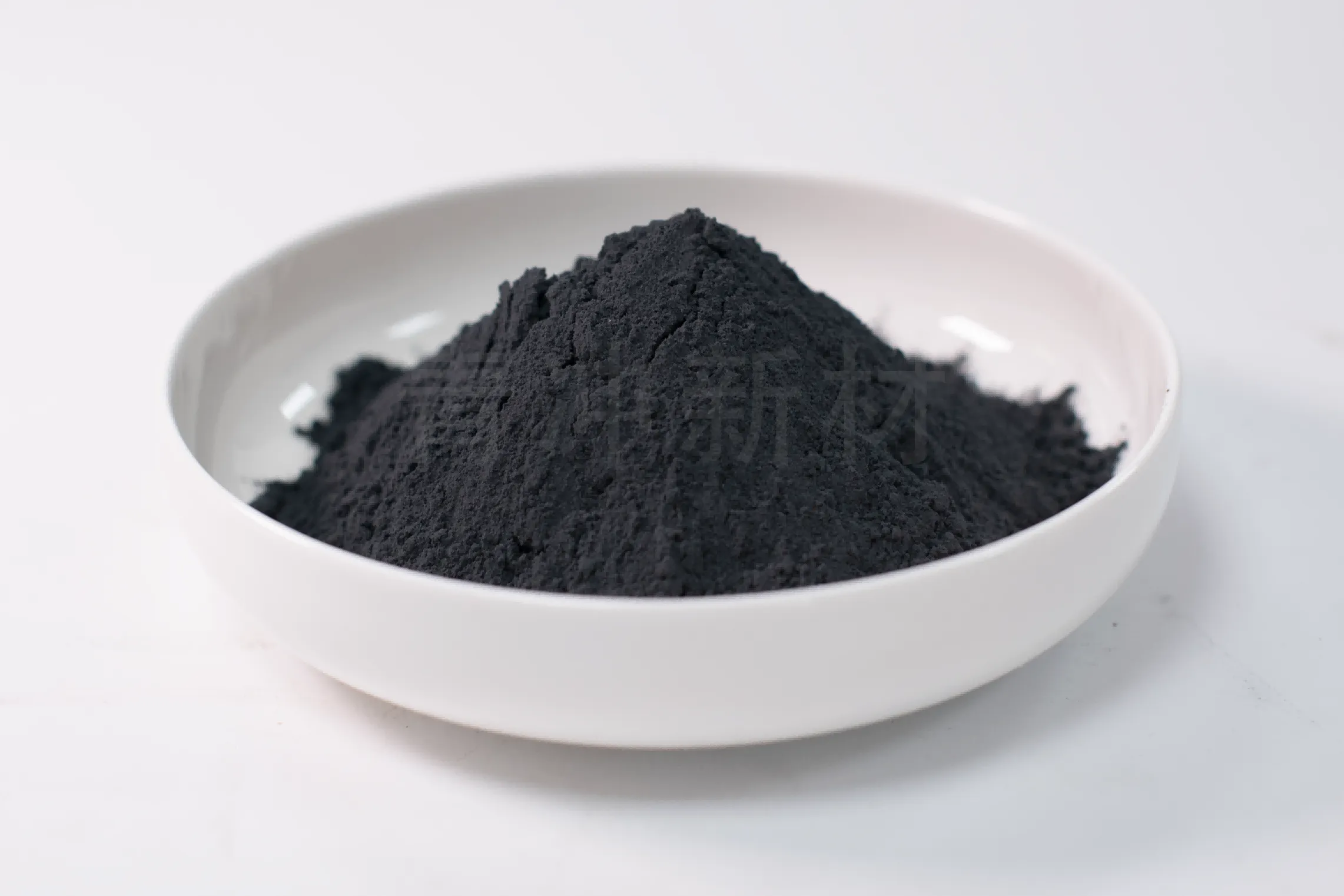
As a professional company focused on manganese dioxide and manganese compounds for export, we understand that industrial customers are looking for more than a generic material listing. They need a partner who can support real sourcing decisions with accurate information and practical trade experience.
Our Chemical Manganese Dioxide offering is positioned for industrial applications where buyers value dependable quality, workable specification communication, and export-oriented service. For detailed product information, visit our product page here:
This page provides a direct starting point for buyers who want to review the product and move toward a serious procurement discussion.
3. When it makes sense to send an inquiry
An inquiry is especially worthwhile when your team needs one or more of the following:
- current product information
- specification review for your application
- packaging and shipment details
- technical documents for internal evaluation
- pricing for bulk orders
- supply discussion for long-term cooperation
For many industrial buyers, the most efficient next step is not endless comparison. It is a focused supplier conversation built around application needs, specification matching, and delivery planning.
V. Final Takeaway
Chemical Manganese Dioxide is an important material because it sits at the intersection of performance, practicality, and industrial versatility. It serves electronics-related production, chemical processing, and a wide range of manganese compound applications where material control and dependable sourcing both matter. Buyers who evaluate CMD carefully—by looking at grade suitability, impurity control, physical properties, and supplier capability—put themselves in a much stronger position to achieve stable production results.
For companies sourcing CMD for electronics, chemicals, or manganese-based manufacturing, a clear product review and direct commercial discussion can accelerate the path from evaluation to supply. The product page above is the right place to begin that process.
FAQ
1. What is Chemical Manganese Dioxide used for?
Chemical Manganese Dioxide (CMD) serves multiple purposes in electronics materials, chemical processing, battery production, and manganese compound manufacturing. The substance maintains stable chemical characteristics, which enable it to deliver reliable operational results during industrial production processes.
2. How is CMD different from natural manganese dioxide?
The production of CMD through chemical processes enables the production of material with consistent chemical composition and material properties. The quality of natural manganese dioxide, which derives from ore extraction, varies between different sources.
3. Which industries commonly use Chemical Manganese Dioxide?
The electronics manufacturing industry, together with chemical production, battery materials, and ferrite production processes, commonly uses CMD. The product also finds use in special chemical applications and manganese-based product development.
4. What should buyers check when sourcing CMD?
Buyers usually evaluate four factors, which include MnO₂ content, impurity levels, particle size, and batch consistency. The verification process requires technical documents, which include COA, TDS, and SDS.
5. Why choose a professional CMD export supplier?
A trustworthy supplier provides manufacturers with two essential benefits, which include maintaining product quality and offering suitable export packaging and documentation services. This process enables manufacturers to produce their products at a constant rate while safeguarding their supply chain.