EN
EN
 CN
CN
 fr
fr es
es ar
ar ru
ru de
de pt
pt tr
tr vi
vi it
it ja
ja ko
ko hi
hi

Manganese Tetroxide vs. Manganese Carbonate as a Ferrite Precursor: Cost, Purity, and Process Comparison
Choosing between manganese tetroxide and manganese carbonate as a ferrite precursor is not a simple price-per-kilogram decision. For MnZn soft ferrite producers, the better choice depends on manganese contribution, impurity limits, calcination behavior, gas release, milling demand, furnace control, and the cost of keeping finished magnetic properties inside specification.
This guide compares Mn₃O₄ and MnCO₃ from the viewpoint of electronics manufacturers and ferrite plants that need stable raw materials for soft ferrite cores, inductors, transformers, EMI components, and magnetic ceramics.
Quick Answer: Which Precursor Fits Which Ferrite Strategy?
Manganese tetroxide is usually the more direct route when the plant wants an oxide precursor with higher manganese contribution, lower carbonate-related gas release, and tighter control over soft ferrite calcination. Manganese carbonate can still be attractive when the purchasing target is lower raw-material cost, when the furnace route already accommodates carbonate decomposition, or when the recipe and emissions controls have been validated around MnCO₃.
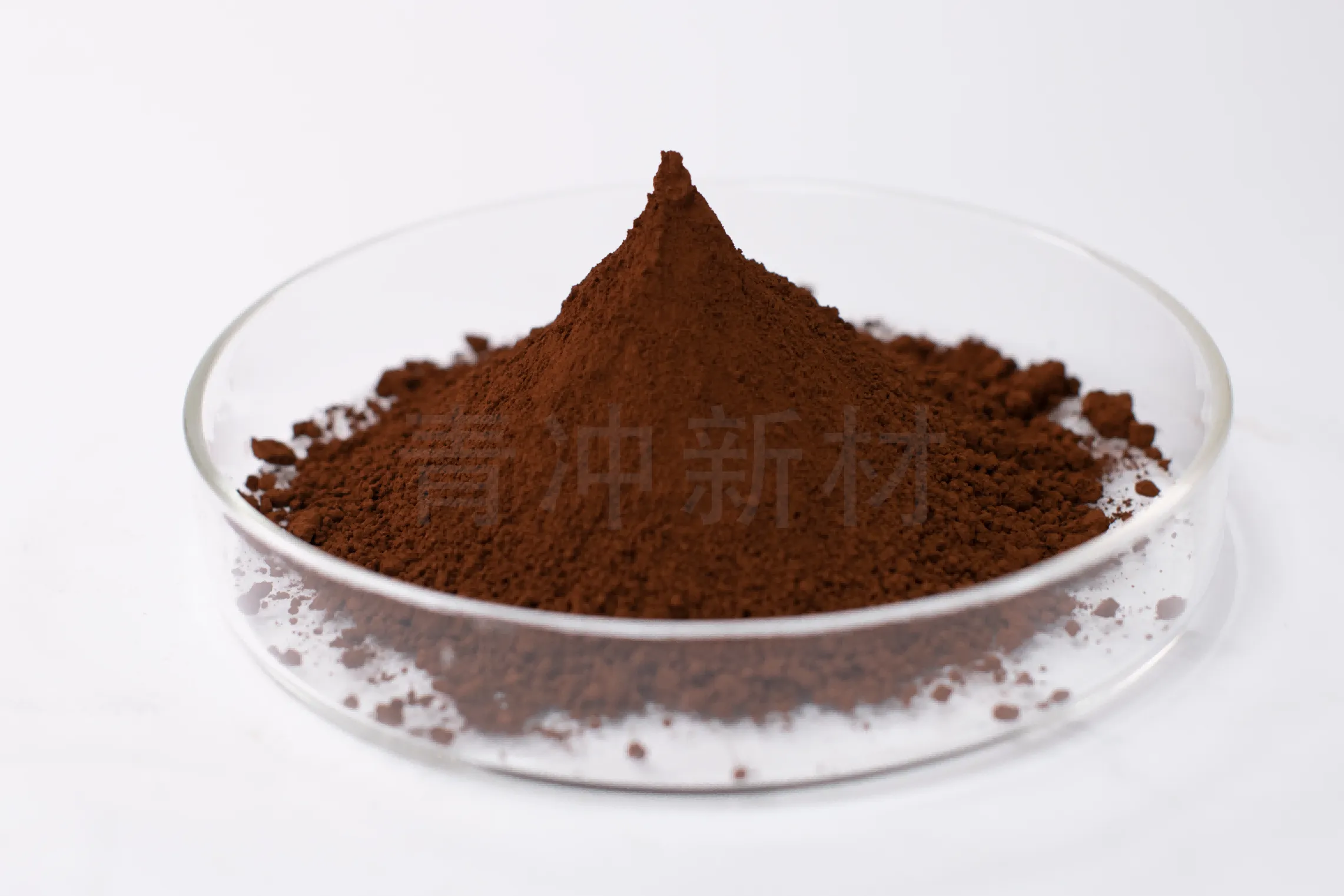
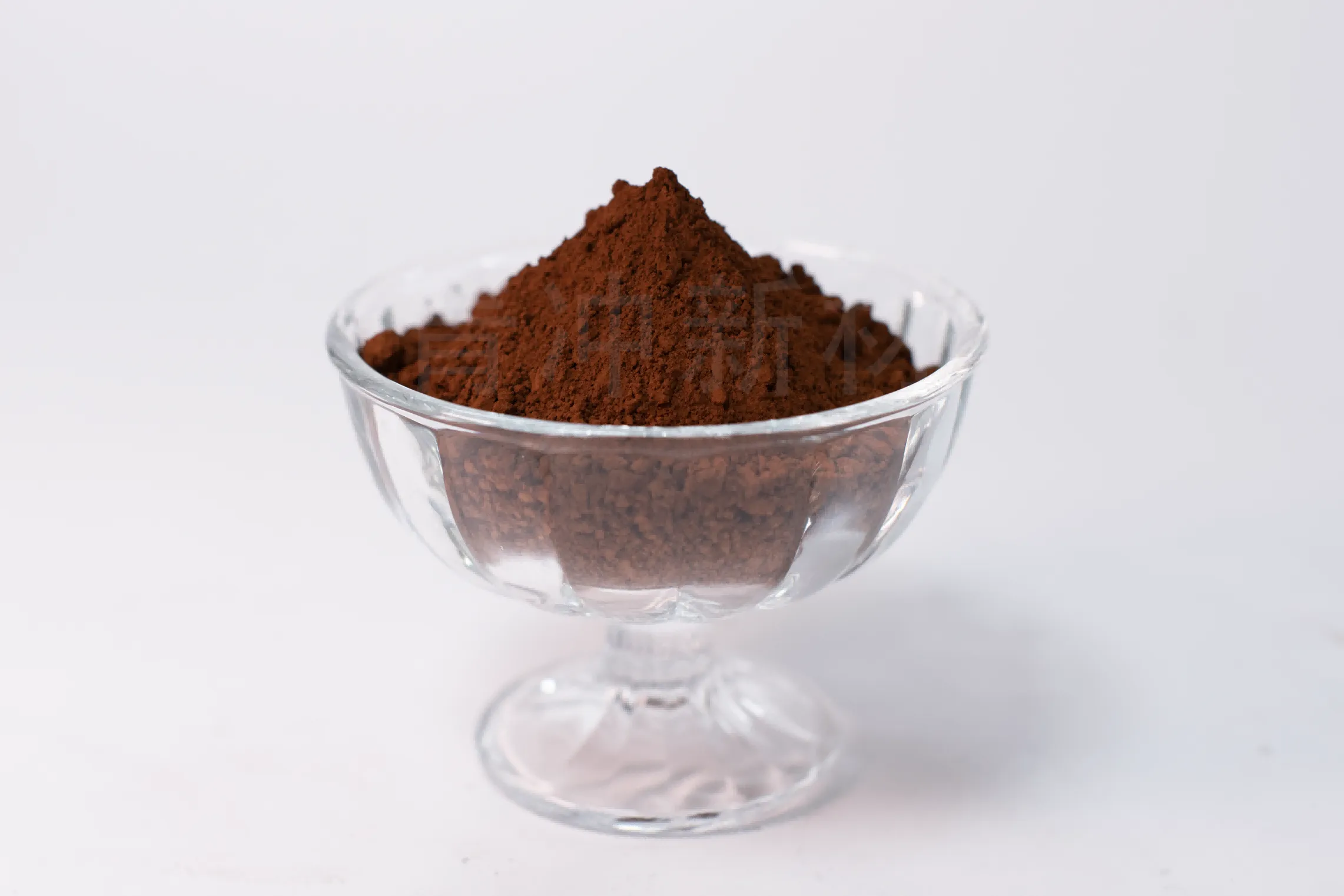
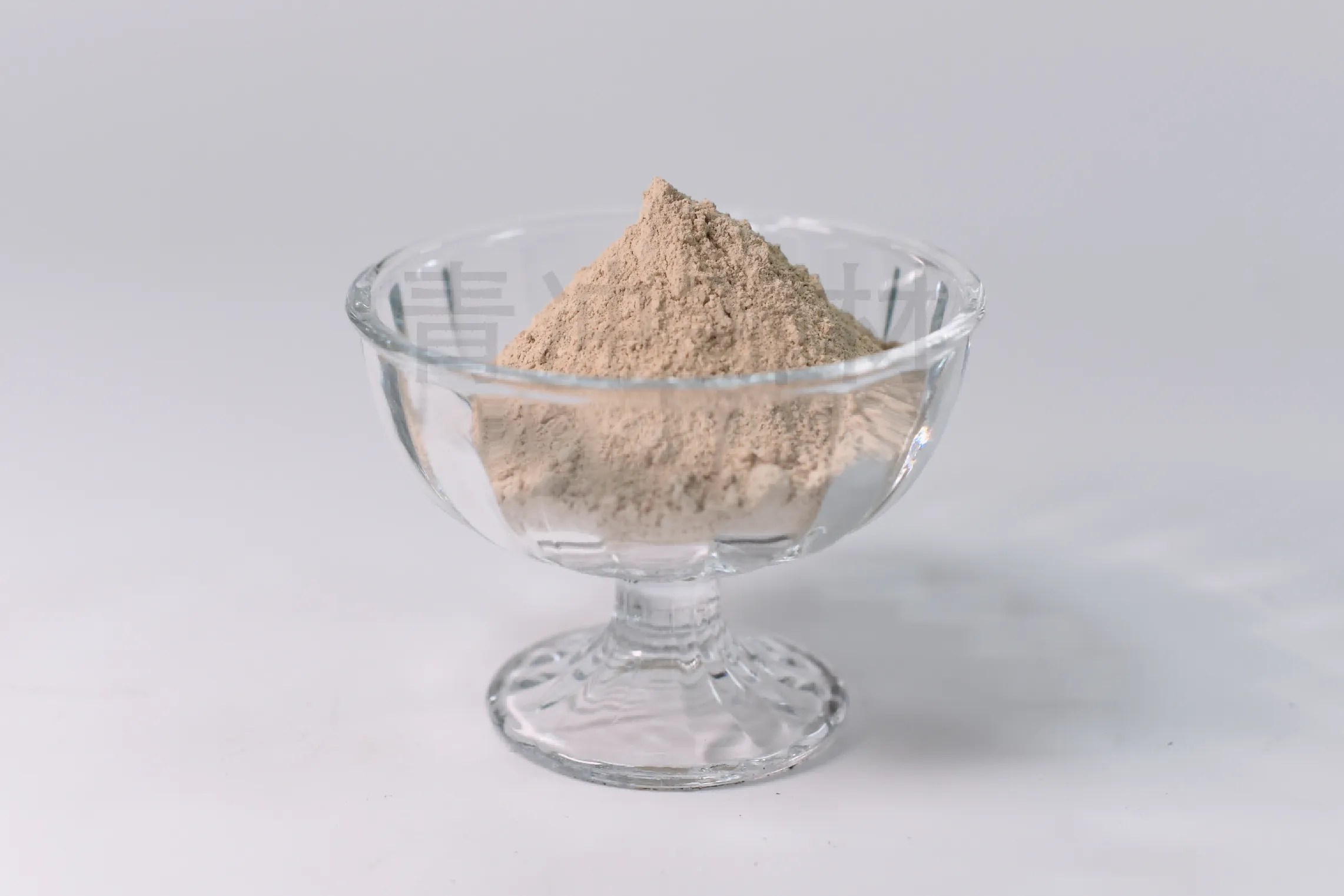
For trial planning, buyers can compare QingChong manganese tetroxide with manganese carbonate using the same acceptance logic: manganese content, particle size, moisture, impurities, documentation, packaging, and finished-core test data.
Mn₃O₄ vs. MnCO₃ at a Glance
| Decision point | Manganese tetroxide (Mn₃O₄) | Manganese carbonate (MnCO₃) |
|---|---|---|
| Chemical role | Mixed-valence manganese oxide; closer to oxide-based ferrite batching. | Carbonate precursor that decomposes during heating before final oxide participation. |
| Typical Mn contribution | Use 65% min Mn as an initial screening reference. | Plan around a lower Mn contribution, commonly in the 42-47% range. |
| Thermal behavior | No carbonate CO₂ release; still requires normal ferrite calcination control. | Decomposes on heating and releases CO₂; SDS notes decomposition around 350°C. |
| Process impact | Can reduce gas-evolution variables and simplify oxide balance. | May require more attention to mass loss, exhaust, bed depth, and calcination profile. |
| Cost view | Often higher per kg, but evaluate per kg of usable Mn and per accepted ferrite part. | Often attractive per kg, but extra mass, CO₂ loss, energy, and validation cost must be counted. |
| Best fit | High-consistency MnZn ferrite, tight magnetic-property control, oxide-focused recipes. | Cost-sensitive or established carbonate routes with validated decomposition control. |
 |
 |
Why Ferrite Plants Compare These Two Materials
MnZn ferrite production depends on a controlled oxide system. Manganese, zinc, iron, and small dopants must be mixed, reacted, milled, pressed, and sintered into a ceramic body that delivers target permeability, core loss, resistivity, saturation behavior, and dimensional stability. A manganese precursor that looks acceptable on a purchase sheet can still change the process if it alters oxygen balance, decomposition gas, particle dispersion, or impurity load.
That is why Mn₃O₄ and MnCO₃ are compared so often. Both can supply manganese, but they do not enter the process in the same way. Mn₃O₄ starts as an oxide. MnCO₃ must first pass through carbonate decomposition, which means mass loss and CO₂ evolution must be designed into the calcination route.
Chemistry and Stoichiometry: The Hidden Cost Line
A simple cost quote can be misleading because the two materials carry different amounts of manganese. Pure Mn₃O₄ contains about 72% manganese by formula, while pure MnCO₃ contains about 48% manganese by formula. Commercial product specifications are lower than theoretical purity because real materials include moisture and impurities, but the direction remains important: less MnCO₃ manganese per kilogram means more precursor mass is needed for the same manganese input.
For ferrite buyers, that changes the real cost equation. More precursor mass can mean more storage volume, more bags opened, more dust-handling work, more weighing time, more calcination load, and more CO₂ to remove from the furnace atmosphere. MnCO₃ can still win when the price gap is large enough and the plant already has a stable carbonate route, but the comparison should be made on usable manganese and process yield, not invoice weight alone.
Purity Comparison: What to Check Before Trial Production
Specification Factors That Affect Ferrite Quality
| Parameter | Mn₃O₄ review focus | MnCO₃ review focus |
|---|---|---|
| Manganese content | Check the current grade target. | Check whether the batch matches the required specification. |
| Iron | Variable iron can disturb recipe assumptions. | Verify the current batch COA. |
| Al, Ca, Mg, Si, Na, S | Trace oxides can affect ferrite properties. | Impurity control should align with ferrite-grade limits. |
| Moisture | Moisture affects weighing accuracy and storage. | Moisture and decomposition affect loss-on-ignition. |
| Particle size | Influences mixing and calcination uniformity. | Milling response should be checked. |
| Documents | Request COA, TDS, SDS, and particle-size data. | Request decomposition and impurity information. |
The cleanest purchasing approach is to set a ferrite-specific raw-material window. General industrial purity may be adequate for some applications, but high-volume electronics ferrites often need tighter control because small chemistry shifts can show up as permeability drift, core-loss variation, abnormal shrinkage, or sorting losses.
 |
 |
Process Comparison: Milling, Calcination, and Furnace Control
Mn₃O₄ tends to be easier to evaluate in oxide-based batching because it does not introduce carbonate decomposition as a separate thermal event. Its value is strongest when the powder disperses well with Fe₂O₃, ZnO, and dopants, and when the particle-size distribution stays consistent enough to support repeatable calcination.
MnCO₃ creates a different process question: can the line handle decomposition without disturbing the batch? The SDS for manganese carbonate notes thermal decomposition around 350°C, with carbon dioxide and manganese oxides as decomposition products. In production, that means engineers should watch heating rate, powder bed depth, exhaust capacity, local atmosphere, and the risk of incomplete or uneven decomposition before ferrite phase formation.
Process Risks and Control Points
| Stage | Mn₃O₄ route | MnCO₃ route |
|---|---|---|
| Weighing | Higher Mn content can reduce total precursor mass. | More material may be handled. |
| Mixing and milling | Uniform mixing if agglomerates are controlled. | Coarse powder may increase milling time. |
| Calcination | Focus on oxide reaction and phase development. | Account for CO₂ release and decomposition. |
| Sintering | Variation comes from chemistry and calcination quality. | Incomplete decomposition can affect quality. |
| Environmental control | Dust control remains necessary. | Exhaust management requires attention. |
Cost Comparison: Look Beyond the Purchase Price
If MnCO₃ is priced lower per kilogram, procurement teams may naturally favor it. That can be reasonable, but only after converting the quote into an operating cost. The right comparison includes delivered cost per unit of manganese, loss on ignition, added furnace load, longer calcination time, exhaust treatment, quality-control work, scrap rate, and any recipe revalidation triggered by the precursor change.
Mn₃O₄ may look more expensive on the invoice but reduce hidden costs when it shortens qualification time, lowers gas-evolution uncertainty, improves batch-to-batch process control, or protects yield in a demanding ferrite grade.
When Mn₃O₄ Is the Better Technical Choice
- The ferrite grade has tight permeability, loss, or temperature-stability requirements.
- The plant already runs an oxide-based formulation and wants fewer thermal decomposition variables.
- CO₂ release could disturb calcination atmosphere, throughput, or exhaust controls.
- The buyer values lower precursor mass per manganese unit and simpler oxide balance.
- The application is high-reliability electronics, power conversion, telecom, automotive, or industrial control.
When MnCO₃ Can Make Sense
- The plant already uses carbonate precursors and has validated decomposition behavior.
- Raw-material budget pressure is high.
- The recipe can tolerate the impurity profile.
- The furnace has sufficient exhaust and atmosphere control.
- The final ferrite grade is less sensitive to precursor-related variations.
A Fair Trial Plan for Switching Precursors
- Normalize the formula by manganese input, not precursor weight.
- Run incoming checks for chemistry, moisture, and particle size.
- Measure loss on ignition and thermal behavior.
- Compare slurry viscosity and milling response.
- Run matched calcination profiles.
- Press and sinter trial cores.
- Compare magnetic and physical properties.
- Calculate total cost per accepted part.
Buyer Checklist Before Bulk Ordering
Questions to Ask Before Choosing Mn₃O₄ or MnCO₃
| Question | Why it matters |
|---|---|
| Which manganese basis is being quoted? | Price comparisons must consider manganese contribution. |
| Are current COA, TDS, and SDS available? | Qualification depends on batch-relevant data. |
| What particle-size data is available? | Affects milling and reaction uniformity. |
| How stable are impurities across lots? | Impacts ferrite performance. |
| Can the supplier support pilot quantities? | Small trials reduce substitution risk. |
| Will the supplier maintain traceability? | Lot control is important for ferrite plants. |
Compare Mn₃O₄ and MnCO₃ for Your Ferrite Line
If your team is choosing a manganese precursor for MnZn soft ferrite, request current specifications, COA/TDS/SDS documents, sample options, and packaging details for both Mn₃O₄ and MnCO₃ before locking the process route.
Request Ferrite Precursor Data for your production
FAQ
Can manganese carbonate replace manganese tetroxide in ferrite production?
Sometimes, but it should not be treated as a direct drop-in replacement.
Is Mn₃O₄ always better than MnCO₃ for soft ferrites?
Not always. The best choice depends on process conditions and magnetic requirements.
Why does MnCO₃ cost analysis need loss-on-ignition data?
MnCO₃ releases CO₂ during heating, which affects usable manganese and total process cost.
Which precursor has higher manganese content?
Mn₃O₄ carries more manganese per kilogram than MnCO₃.
What tests matter most in a ferrite precursor trial?
Chemistry, particle size, calcination behavior, permeability, density, and core loss all matter.
What documents should be requested before purchasing?
Request COA, TDS, SDS, impurity limits, packaging details, and particle-size data.
Final Takeaway
Mn₃O₄ and MnCO₃ can both serve ferrite supply chains, but they create different cost and process realities. Mn₃O₄ usually supports a more direct oxide route with higher manganese contribution and fewer carbonate-related variables. MnCO₃ can reduce raw-material cost in the right process, but its lower manganese content and CO₂ release must be included in the true cost model.
For electronics manufacturers, the practical answer is to compare them under real plant conditions. Normalize the recipe, run matched trials, measure final magnetic performance, and choose the precursor that delivers stable ferrite quality at the lowest total cost.