EN
EN
 CN
CN
 fr
fr es
es ar
ar ru
ru de
de pt
pt tr
tr vi
vi it
it ja
ja ko
ko hi
hi

Manganese Dioxide Safety: Standards, Handling, and Responsible Use
1. Introduction to Manganese Dioxide Safety
Manganese dioxide is a compound that has gained popularity among the industrial, environmental, and manufacturing sectors mainly because of its oxidizing character and chemical stability. Its applications vary widely from water purification and battery making to catalysts and chemical synthesis. However, the increasing use of manganese dioxide has made its safety a significant issue that needs to be tackled by manufacturers, operators, and regulatory bodies.
Manganese dioxide toxicity is just one aspect of safety. Understanding the nature of mellifluousness includes the adoption of proper handling procedures, control of occupational exposure, environmental responsibility and compliance with international standards. If the management of the substance is done properly, it can be utilized in the most demanding industrial environments with safety and efficiency.
The current piece explores in detail and with authority the topic of manganese dioxide safety, incorporating the best practices from the industry as well as principles derived from regulations.
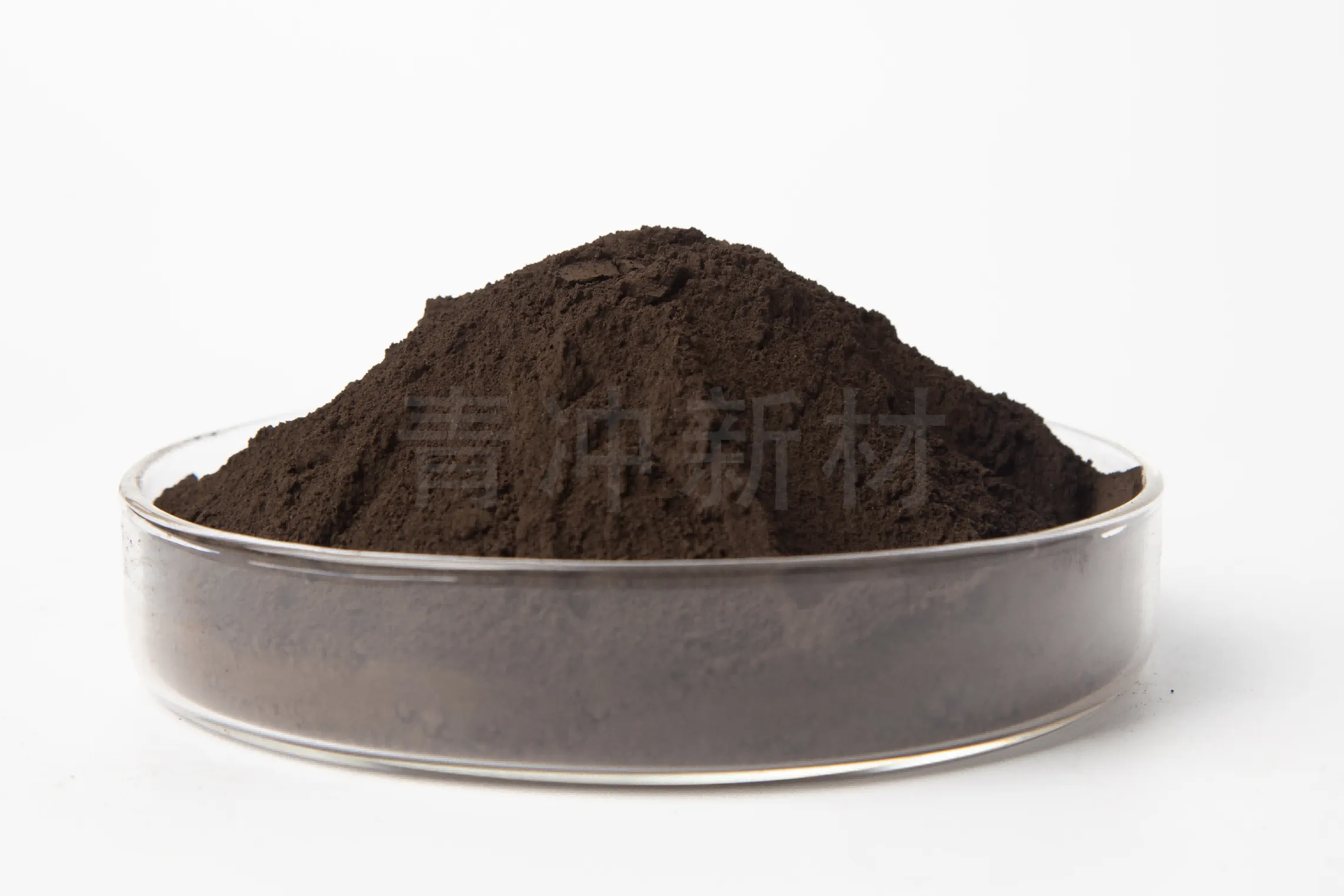
2. Chemical Characteristics and Manganese Dioxide Safety Fundamentals
Manganese dioxide, from the chemical perspective, is commonly regarded as an inorganic substance that is characterized by its low water solubility and high oxidative power. Processing, handling, and application are all affected in varying degrees by these properties.
In its solid state, manganese dioxide displays a certain degree of stability and under normal conditions does not cause immediate hazards. Nevertheless, the evaluations of manganese dioxide's health and safety risks point out the necessity of having appropriate measures to minimize the generation of dust, since the tiniest particles become a risk of inhalation in poor air-flow areas.
Chemical stability of the compound is at the same time a factor that positively contributes to safety in industrial processes However, on the other hand, it requires the risk management strategy to be very well-informed in terms of the material's reactivity with strong reductants or at elevated temperatures.
3. Health Considerations Related to Manganese Dioxide Safety
1) Occupational Exposure Control
The protection of health at the workplace is primarily responsible for manganese dioxide safety management. The main danger is from the inhalation of manganese-containing dust that lasts for long periods of time during material handling, loading, or processing operations.
To counteract this danger, the industry usually employs a system of protective measures, which include:
- Engineering controls, such as enclosed conveying systems and localized exhaust ventilation, to prevent dust from becoming airborne
- Administrative controls, including exposure time limits and standardized operating procedures
- Environmental monitoring, with routine measurement of airborne particulate concentrations
These measures are designed to keep exposure levels well within established occupational safety thresholds.
2) Personal Protective Equipment and Hygiene Practices
In situations where engineering controls are inadequate, the use of personal protective equipment (PPE) comes in as a last resort. PPE that is usually recommended includes respiratory masks for particulates, gloves and goggles.
Workplace hygiene practices are equally important. Workers should wash their hands after the manganese dioxide handling and eating or drinking in processing areas should be avoided. Work clothing that is contaminated should be removed and cleaned separately to avoid secondary exposure.
The associated health risks from manganese dioxide are kept under control through the regular adherence to these practices.
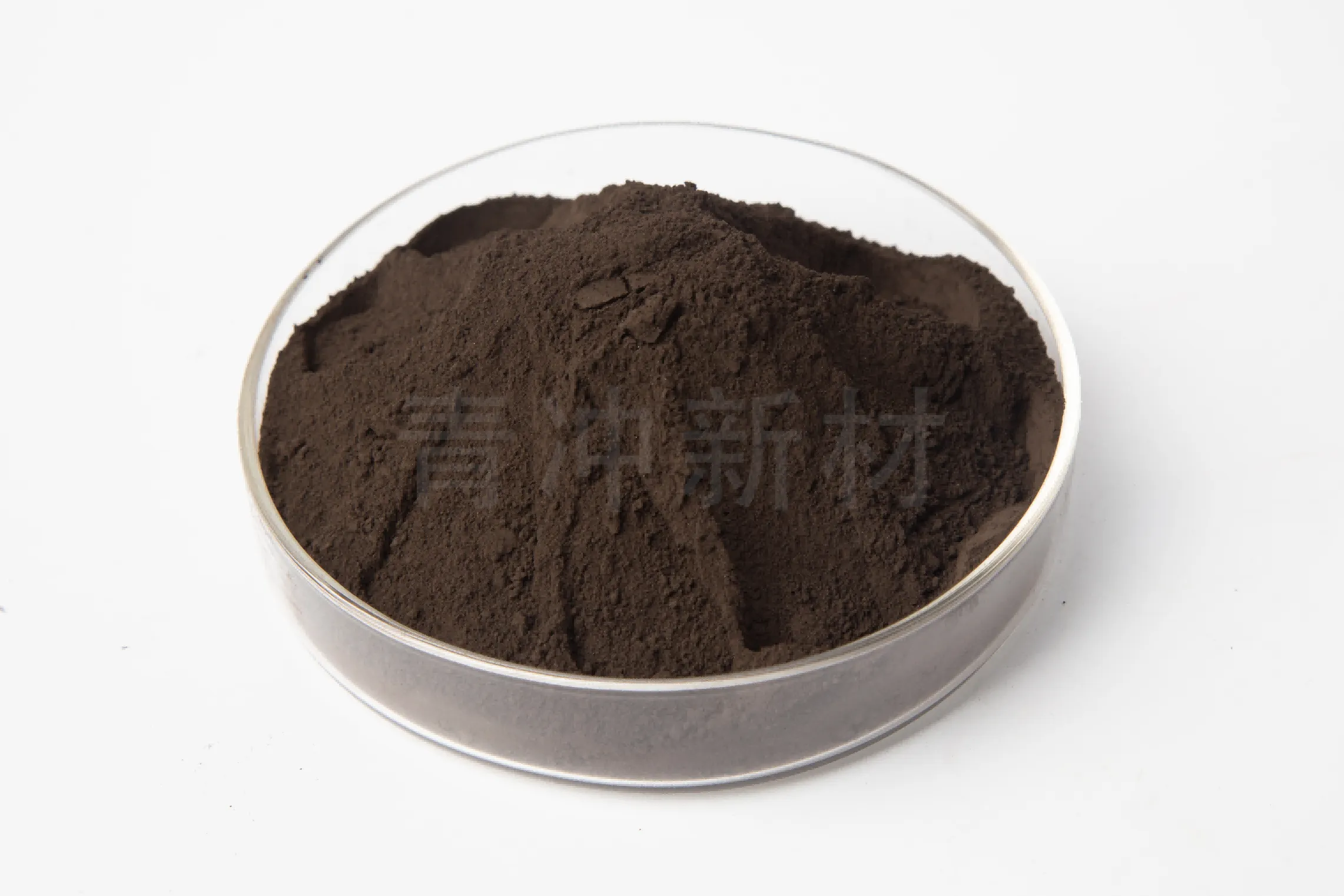
4. Manganese Dioxide Safety in Storage and Transportation
The proper storage and transport measures effectively keep the raw materials stable and, at the same time, safety in the workplace. Manganese dioxide must be kept in containers that are sealed, labeled clearly, and stored in dry and well-ventilated places.
1) Storage Protection Measures
Effective storage practices include:
- Keeping manganese dioxide away from moisture to prevent clumping and degradation
- Isolating it from incompatible chemicals, particularly strong reducing agents
- Using containment systems that minimize dust release during material access
Storage areas should be regularly inspected to ensure container integrity and housekeeping standards.
2) Transportation Safety Practices
Manganese dioxide is most often deemed a stable industrial material when it is properly packaged during the transport. Transport safety involves preventing container damage and release that is not controlled.
Among the common practices are secure palletization, packaging with high resistance to impact, and labeling with clear hazard communication. The drivers and the logistics staff are trained to execute emergency steps in case of spillage, although this is not likely to happen. These transportation protocols help maintain manganese dioxide safety at all stages of the supply chain.
5. Handling Guidelines Based on Manganese Dioxide Safety Standards
Safe handling procedures are established based on experience from the industry and guidelines from regulatory bodies. Those who handle manganese dioxide are suggested to operate under formal handling protocols.
The protocols usually consist of:
- Using closed systems whenever possible
- Dust collection systems being put in place
- Wearing of suitable personal protective equipment
- Staff education on the characteristics of the material
All these precautions have been taken not as assumptions but as long-term industrial practices. They are showing that the safety of manganese dioxide is guaranteed by the proper management of risks rather than by the properties of the material alone.
6. Regulatory Compliance and Manganese Dioxide Safety Frameworks
The compliance with manganese dioxide safety rules is based on international and regional regulations. These rules set the limits of exposure, the labeling conditions, and the obligations for safety documentation.
It is required that the producers and the consumers keep the safety data sheets updated and practice the occupational health standards. Compliance not only safeguards the workers but also adds to the trustworthiness and dependability of the organization.
Following the accepted safety standards, manganese dioxide will be used in a responsible manner during its entire life cycle.
7. Environmental Responsibility and Manganese Dioxide Safety
Environmental safety is an integral component of modern material management. Manganese dioxide is generally considered environmentally stable when used in controlled systems.
Proper waste management practices prevent unnecessary environmental release. In water treatment and filtration applications, manganese dioxide is retained within engineered systems, minimizing ecological impact.
This controlled behavior supports sustainable industrial practices and aligns with broader environmental protection goals.
8. Risk Management Practices Supported by Industry Experience
Management of manganese dioxide safety in an effective way is based on taking the initiative in the risk assessment and not the other way around. The seasoned operators regularly check the conditions of the process, the durability of the equipment, and the skill level of the workers.
The risk management measures always include:
- Safety audits at regular intervals
- Preventive maintenance programs
- Emergency response procedures clearly defined
All these practices increase the confidence in operations and also show that the company is determined to provide very high safety standards.
🔗 More About Manganese Dioxide, Click Here!
FAQs
1. Is manganese dioxide safe for industrial use?
Yes, manganese dioxide is safe for industrial use when handled according to established safety guidelines and regulatory standards.
2. What are the main manganese dioxide safety concerns?
The primary concerns relate to dust inhalation and prolonged occupational exposure, both of which can be effectively managed through proper controls.
3. Does manganese dioxide pose environmental risks?
When used in controlled systems and disposed of properly, manganese dioxide presents minimal environmental risk.
4. What protective equipment is recommended when handling manganese dioxide?
Protective gloves, safety goggles, and dust masks or respirators are commonly recommended depending on exposure conditions.
5. How does proper handling improve manganese dioxide safety?
Correct handling minimizes dust generation, reduces exposure risks, and ensures compliance with occupational safety standards.