EN
EN
 CN
CN
 fr
fr es
es ar
ar ru
ru de
de pt
pt tr
tr vi
vi it
it ja
ja ko
ko hi
hi

Chemical MnO₂ vs Electrolytic MnO₂: Which Manganese Dioxide Is Better for Your Application?
Introduction: Why Similar MnO2 Products Deliver Very Different Results
Most buyers start their search for manganese dioxide through global markets by looking at its price. The experienced manufacturers of the industry know that the selection process for Chemical MnO2 and Electrolytic MnO2 extends beyond price evaluation because it determines both product quality and product reliability and future market position.
Selecting the wrong type of MnO2 can lead to:
- Reduced product performance
- Unstable production processes
- Higher defect rates
- Increased operational costs
The problems that exist in actual procurement processes lead to a series of outcomes, which include delayed product shipments, increased customer complaints, and even market share loss. The material selection process at the source has become more important to professional buyers and engineers according to their growing need for material selection.
The key point is simple: Chemical Manganese Dioxide (CMD) and Electrolytic Manganese Dioxide (EMD) are not interchangeable materials. The two substances differ in their production methods, purity levels, structural characteristics, and suitability for different applications.
The right procurement decision requires people to understand these differences.
Chemical MnO2 vs Electrolytic MnO2: the Core Differences
The two material solutions CMD and EMD should not be viewed as replacement options. They function as distinct material solutions for different technical requirements.
From an export and application perspective:
- CMD is typically positioned as a cost-performance balanced material
- EMD serves as a material that achieves consistent performance with high operational efficiency.
The distinction between the two options emerges as critical for industries that depend on material selection because this choice determines both processing efficiency and product quality.
Another key difference lies in crystal structure and surface characteristics, which influence:
- Reaction activity
- Adsorption capacity
- Electrochemical behavior
These microscopic differences often determine whether a material performs reliably under specific operating conditions.
Explore product options:
Chemical MnO2 vs Electrolytic MnO2: 5 Key Factors for Smart Procurement
1. Purity and Impurity Control
Purity plays a crucial role in determining how manganese dioxide behaves in sensitive applications.
- EMD typically offers tighter control over metallic impurities
- CMD provides sufficient purity for most conventional industrial uses
For applications such as battery cathodes or precision chemical formulations, even trace impurities can:
- Affect conductivity
- Alter reaction rates
- Reduce product lifespan
Therefore, understanding impurity tolerance in your process is critical.
2. Electrochemical Performance
Electrochemical performance is where EMD clearly stands out.
It provides:
- More stable discharge curves
- Better electron transfer efficiency
- Higher consistency in repeated cycles
CMD, while not designed for high-end electrochemical systems, still performs reliably in applications where:
- Extreme efficiency is not required
- Cost control is a priority
3. Production Consistency
Batch-to-batch consistency is often overlooked but extremely important.
- EMD production processes are generally more controlled
- CMD may show variation depending on raw materials and synthesis conditions
For manufacturers, inconsistency can lead to:
- Frequent process adjustments
- Increased quality inspection costs
- Lower production efficiency
4. Cost Structure and Budget Considerations
Cost comparison should go beyond price per ton.
Buyers should evaluate:
- Cost per functional performance
- Impact on production yield
- Long-term operational savings
For example:
- CMD may reduce upfront material costs
- EMD may reduce waste and improve product quality
The best choice depends on your total cost of ownership (TCO).
5. Application Compatibility
No material is universally “better.” The key is compatibility.
Factors to consider include:
- Product formulation
- Process conditions
- End-user expectations
A mismatch between material and application can result in:
- Over-engineering (wasted cost)
- Underperformance (market risk)
Who Should Choose Chemical MnO2?
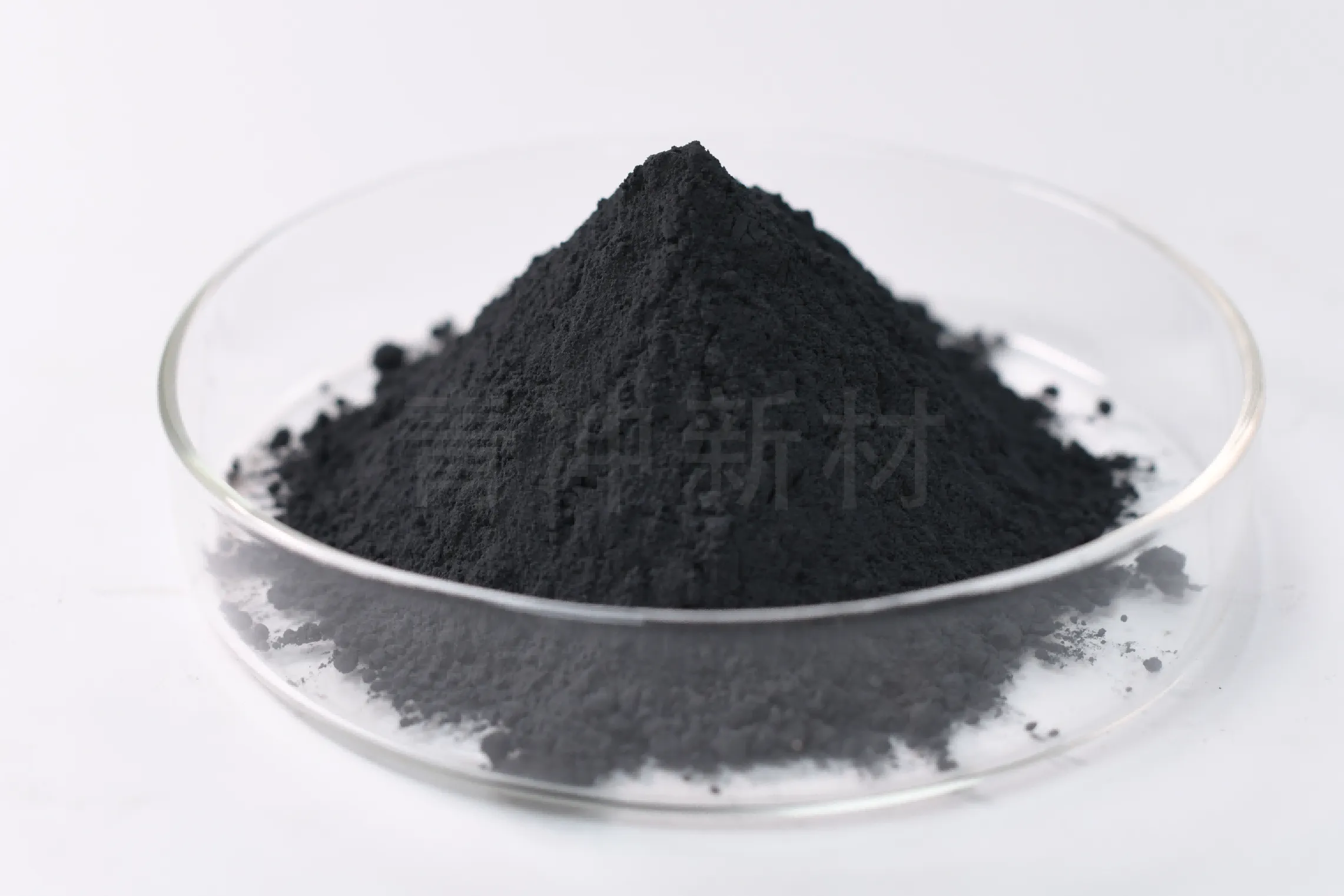
Cost-Focused Manufacturers
For companies prioritizing large-scale production and cost efficiency, CMD is often the practical choice. It allows manufacturers to maintain competitive pricing in markets where margins are tight.
Dry Battery and Basic Power Applications
CMD is widely used in:
- Traditional dry cells
- Entry-level energy storage systems
Its affordability makes it suitable for high-volume, price-sensitive markets.
Glass, Ceramics, and Chemical Industries
In these sectors, MnO2 serves multiple roles:
- Oxidizing agent
- Decolorizing agent
- Additive in formulations
Here, buyers focus more on:
- Supply stability
- Particle size distribution
- Cost-performance balance
Distributors and Bulk Industrial Buyers
CMD is ideal for:
- Long-term supply contracts
- Flexible procurement strategies
- Markets requiring consistent but economical materials
Who Should Choose Electrolytic MnO2?
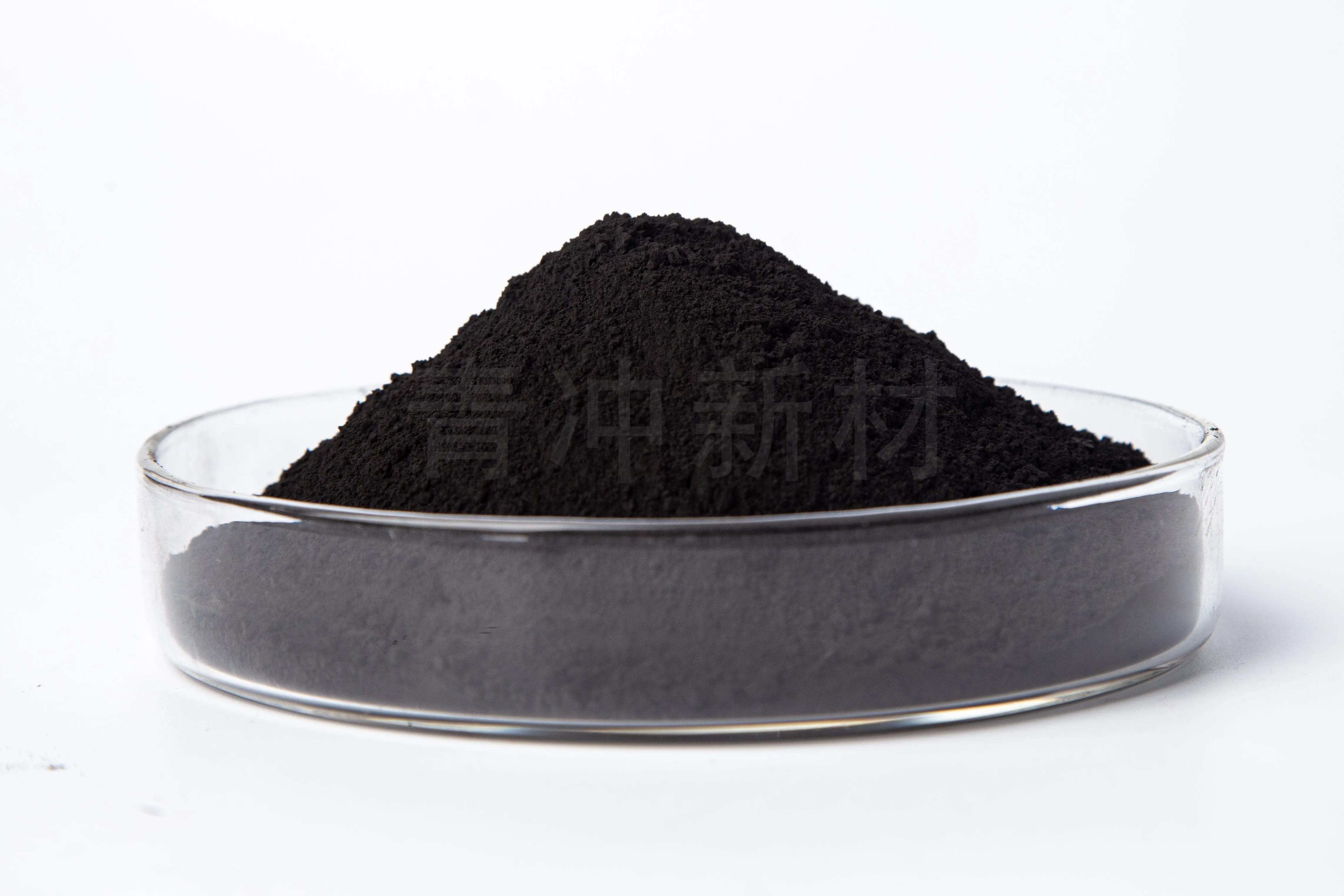
Battery Manufacturers
EMD is essential for:
- Alkaline batteries
- Lithium-ion systems
- High-performance energy storage
Its structure supports better energy efficiency and longer cycle life.
High-Precision Production Environments
Industries with strict quality control benefit from:
- Predictable material behavior
- Reduced variability
This leads to smoother production and fewer defects.
Mid-to-High-End Product Positioning
For companies targeting premium markets, EMD helps:
- Enhance product reliability
- Strengthen brand value
- Meet higher customer expectations
Factories Seeking Higher Yield Rates
Although EMD has a higher upfront cost, it can:
- Improve yield rates
- Reduce rework
- Lower long-term production costs
Why Buyers Compare Chemical MnO2 vs Electrolytic MnO2 Repeatedly
Balancing Cost and Performance
Buyers aim to find the optimal balance between:
- Investment
- Output performance
This is especially important in competitive global markets.
Different Market Demands
Regional differences influence material selection:
- Emerging markets prioritize affordability
- Developed markets emphasize performance and durability
Supply Chain Reliability Matters
Today’s buyers also care about:
- Delivery timelines
- Supplier credibility
- Technical support
A stable supply chain reduces operational risks and improves planning accuracy.
How Professional Suppliers Help You Choose the Right MnO2
Application-Based Recommendations
Experienced suppliers analyze:
- Your product requirements
- Production conditions
- Performance targets
Then recommend the most suitable material.
Clear Technical Support
Suppliers provide:
- Detailed specifications
- Performance data
- Application guidance
This helps buyers make informed decisions quickly.
Faster Testing and Validation
With proper support, buyers can:
- Shorten testing cycles
- Reduce trial-and-error costs
- Accelerate time-to-market
Long-Term Supply Partnership
Reliable suppliers ensure:
- Consistent quality
- Stable delivery
- Scalable production capacity
Not Sure Which MnO2 to Choose? Ask Yourself These Questions
- Do you prioritize cost savings or performance improvement?
- Is your process sensitive to impurities?
- Do you require high batch consistency?
- Are you facing instability with your current MnO2 supplier?
- Do you need long-term, reliable supply support?
These questions help clarify your actual needs and reduce decision uncertainty.
Explore Our MnO2 Product Solutions
To help you move forward efficiently, explore our offerings:
- Chemical Manganese Dioxide for industrial applications
- Electrolytic Manganese Dioxide for high-performance systems
We support specification matching, sample testing, and long-term cooperation.
Conclusion: There Is No “Best” MnO2—Only the Right One
In the discussion of Chemical MnO2 vs Electrolytic MnO2, the real focus should always be application fit.
- CMD delivers cost efficiency and flexibility
- EMD provides superior performance and consistency
The right decision comes from balancing:
- Technical requirements
- Budget constraints
- Market positioning
Partnering with an experienced supplier ensures you achieve both performance and cost goals.
FAQs
1. What is the main difference between CMD and EMD?
CMD is cost-effective and widely used in industry, while EMD offers higher purity and better electrochemical performance.
2. Is EMD always better than CMD?
No, EMD is better for high-performance applications, but CMD is more economical for many uses.
3. Which MnO2 is used in batteries?
EMD is commonly used in high-performance batteries.
4. Can CMD replace EMD in some cases?
Yes, especially in cost-sensitive or less demanding applications.
5. How do I choose the right MnO2 supplier?
Choose suppliers with strong technical expertise, stable quality, and export experience