productlist

Water Treatment Manganese Dioxide for Filtration Projects

water treatment manganese dioxide

A filter medium described as water treatment manganese dioxide may be intended to help remove dissolved iron and manganese from water. That description alone does not establish whether a particular material will work in a particular filter. The source water, treatment process and physical form of the material all matter. For a buyer designing a new system or replacing media in an existing vessel, the useful question is not simply whether a supplier makes manganese dioxide. It is whether the offered grade has documented properties that match the proposed duty. QingChong New Materials is a Chinese manganese chemical manufacturer integrating R&D, production and sales. Its supplied company information does not identify a water-treatment grade, provide filtration specifications or confirm performance in a named process. This page therefore sets out the information a buyer should check before treating manganese dioxide as a viable option. It is relevant to water-treatment equipment manufacturers, media distributors and industrial or municipal project teams comparing materials for iron and manganese removal. Start with a current water analysis and the intended filtration arrangement; then ask QingChong which grade, if any, can be evaluated against those requirements.

Technical Detail

Configured around process stability, mold life, and long-term uptime.

For water-treatment purchasing, manganese dioxide should be evaluated as a specified material rather than as a chemical name on a quotation. The information supplied for QingChong identifies an integrated R&D, production and sales business, more than 20 years of manganese-industry experience, and a location in the Xiangtan Manganese Mine area. It also states that the company operates a strict quality control system. Those are relevant supplier facts, but they are not filtration-media specifications. No particle-size distribution, manganese dioxide content, bulk density, physical form or water-treatment test result has been provided for a product offered here. Buyers should request the actual grade documentation before assigning a material to a filter design. A technical data sheet can establish what is being offered; a recent certificate of analysis can show the reported properties of a particular lot; and application-specific evidence, where available, can help distinguish laboratory characterization from filtration performance. Ask whether the proposed material is supplied as granular media, a coating, or another form, because those forms cannot be assumed to behave alike in a filter bed. QingChong's manganese-chemical manufacturing background provides a starting point for that discussion. It does not, by itself, verify suitability for potable water, establish a contaminant-removal rate or replace the buyer's process assessment. Keep those distinctions explicit when comparing supplier proposals.

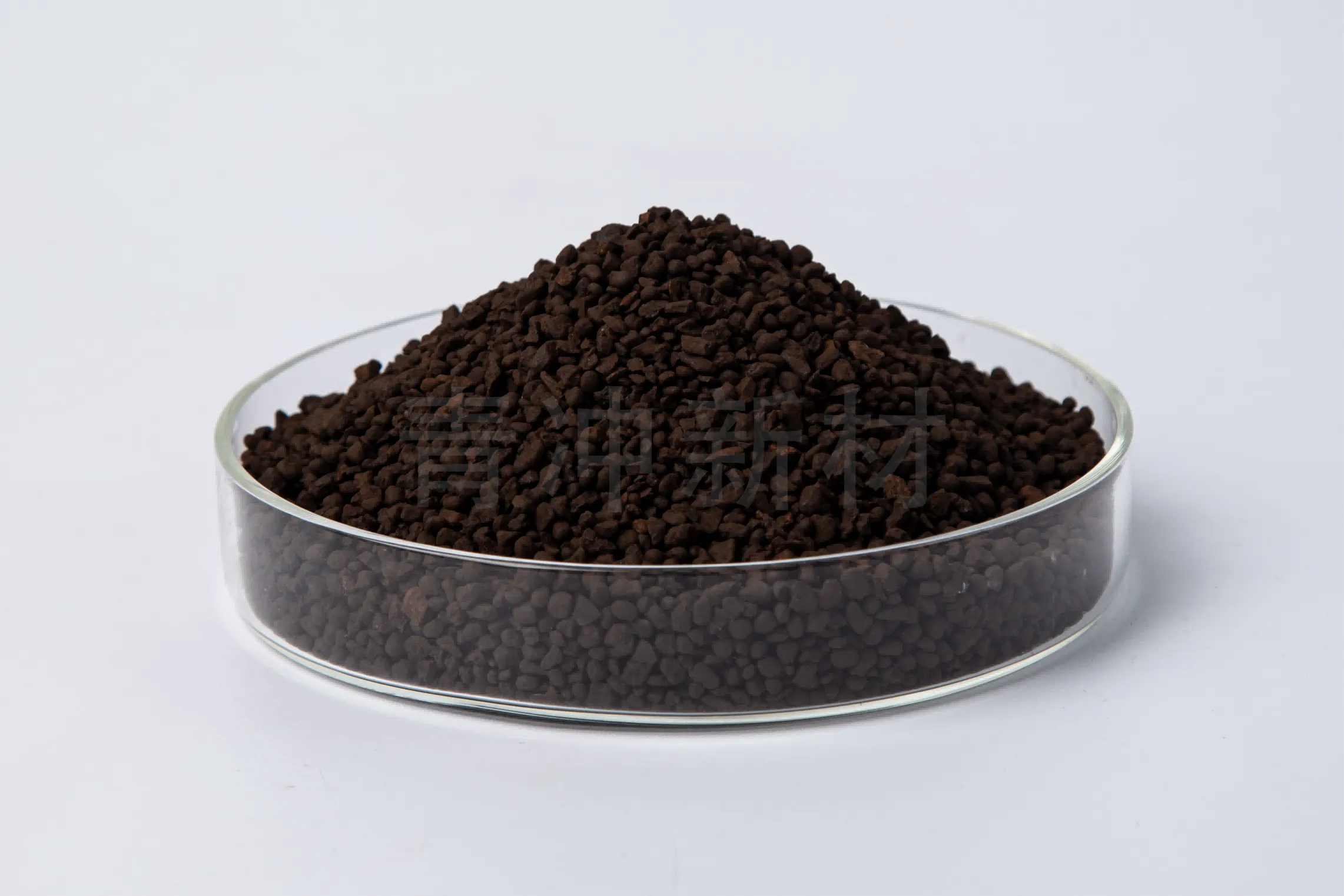
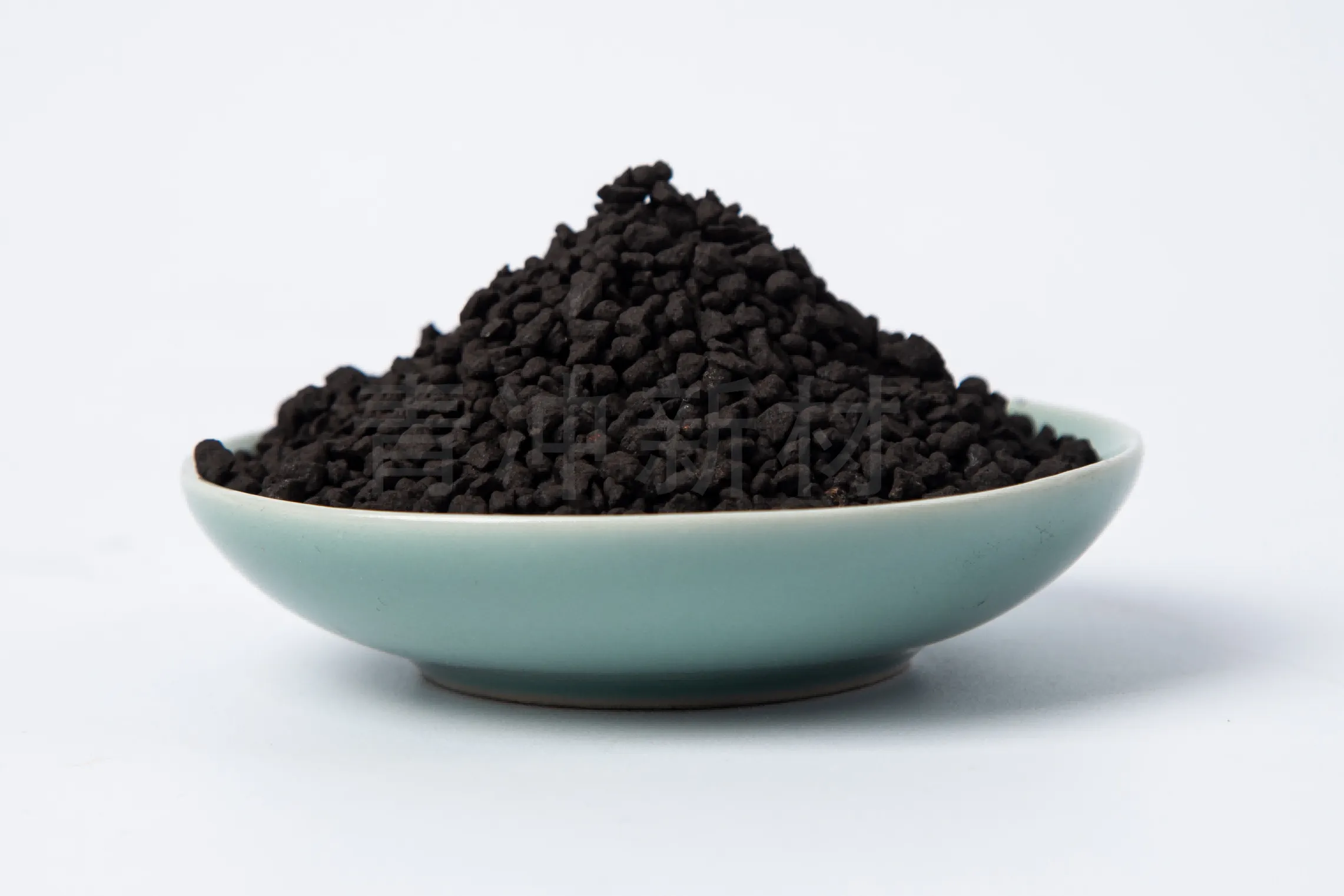
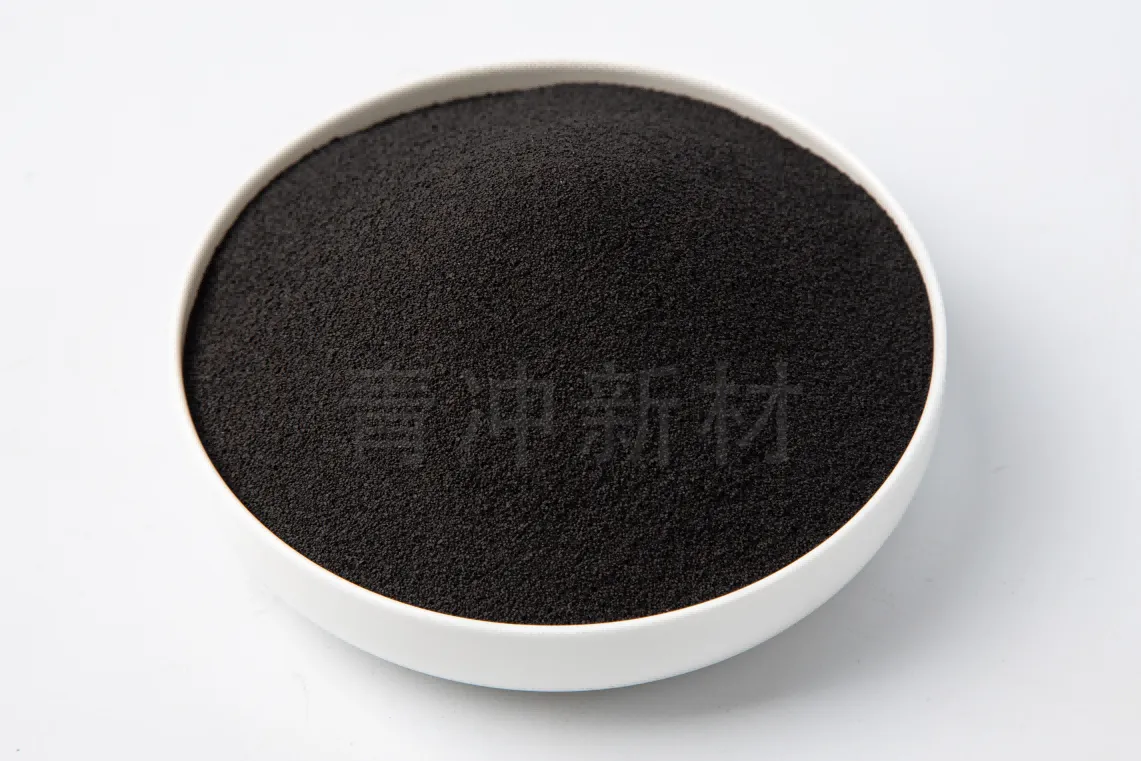
Manganese Filter Media(MnO₂)

How Manganese Dioxide Fits Into an Iron and Manganese Filter

Dissolved iron and manganese are difficult to capture by simple particle filtration while they remain in soluble form. In applicable treatment processes, manganese dioxide can provide a reactive surface associated with oxidation of dissolved contaminants; the resulting insoluble material can then be retained in a filter bed. The details depend on the media and the process around it. Some systems rely on conditions that support oxidation before or within the bed, while others use a separately specified oxidant. Manganese dioxide should therefore not be interpreted as a complete treatment process on its own. Nor should its presence in a chemical analysis be taken as proof that a material is a usable granular filter medium. Particle form, the accessibility of reactive surfaces and the bed's ability to retain and release accumulated solids all affect how the mechanism is put to work. QingChong's supplied profile confirms experience manufacturing manganese chemicals, but does not describe a water-treatment product structure or a regeneration method. For any proposed grade, request an explanation of its intended role in the process before comparing it with media already used in your equipment.
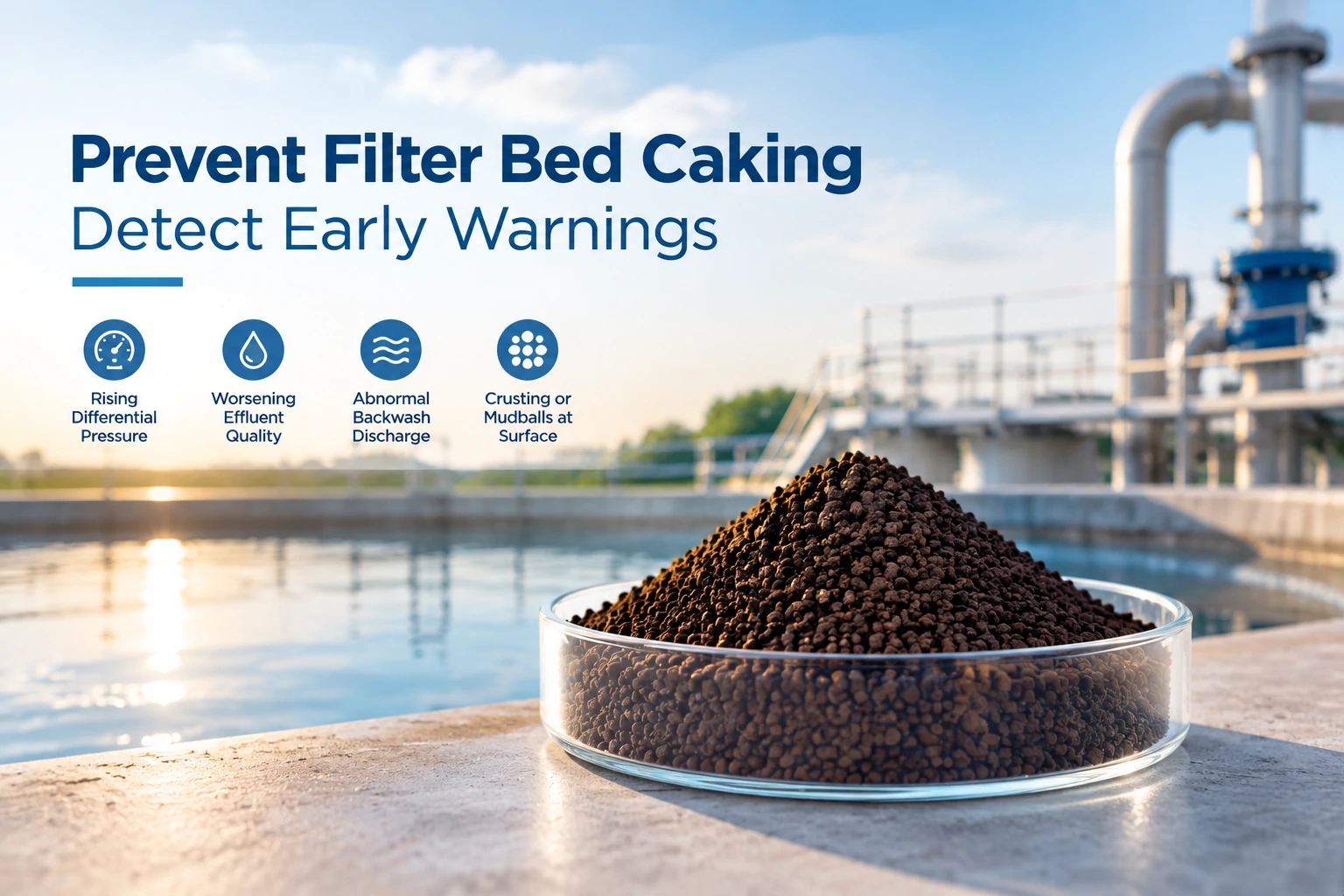
Manganese Filter Media(MnO₂)

Check Source Water and Filter Conditions Before Assuming a Fit

The same proposed material can face very different duties in a groundwater well, an industrial process-water line or a polishing stage downstream of other treatment. A water analysis should cover the contaminants targeted for removal and conditions that influence their oxidation, including pH and dissolved oxygen. If an oxidant is part of the proposed process, its type and dosing approach also need to be defined. In a filter vessel, hydraulic loading, contact time and the available backwash arrangement affect whether captured solids can be managed without excessive pressure loss. These are assessment criteria, not operating limits for a QingChong grade: none have been supplied. A higher iron or manganese concentration, for example, does not automatically rule out manganese dioxide, but it may change the required pretreatment, bed design or cleaning frequency. For drinking-water projects, the applicable local material-approval requirements must also be checked separately. QingChong's ISO9001:2008 quality-management certification is a company credential, not evidence that a particular material is approved for contact with potable water. Judge fit against the actual water and equipment, not the keyword alone.

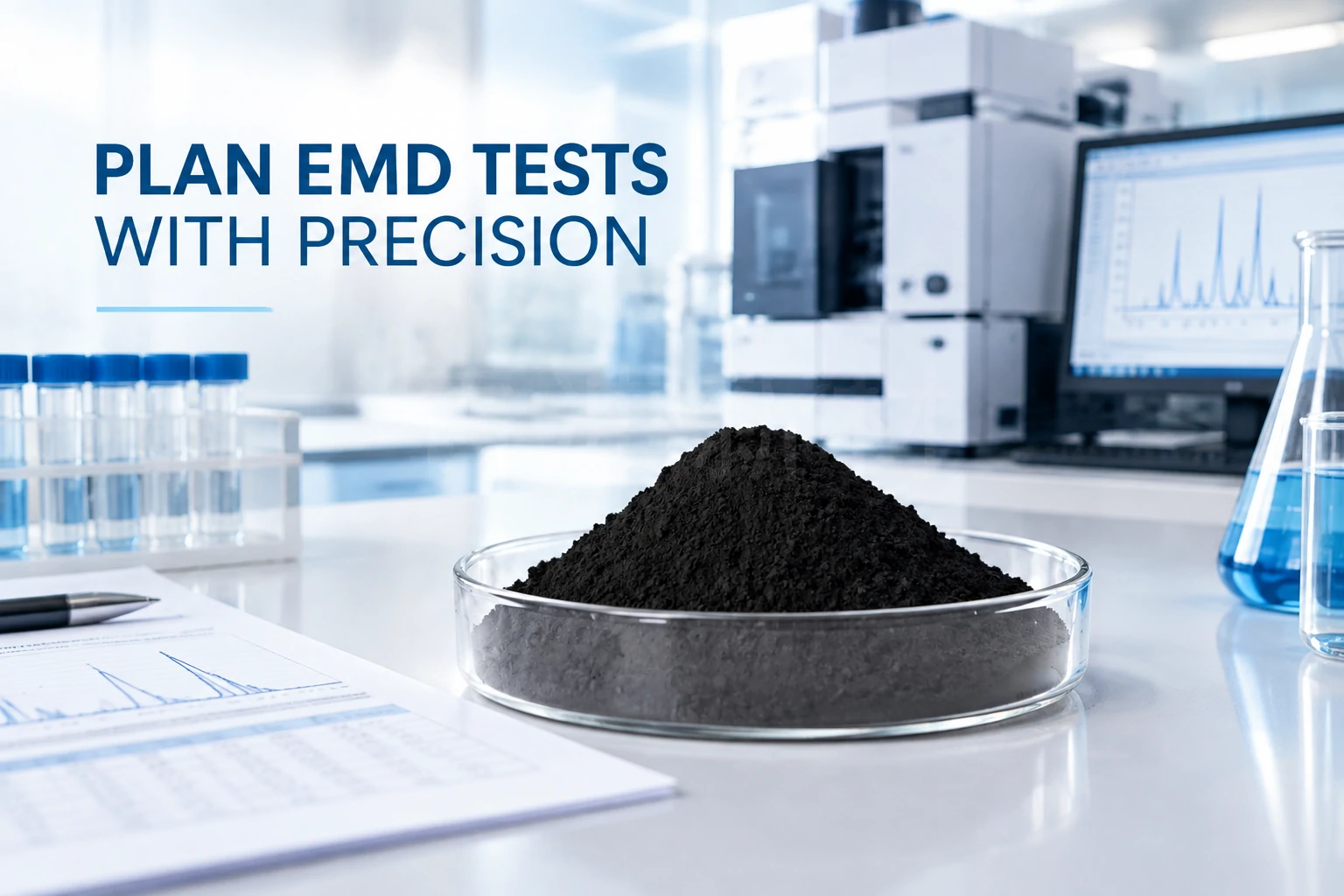
Manganese Filter Media(MnO₂)

What to Send When Requesting a Suitable Grade

A useful inquiry begins with the job the material must perform. Send a recent source-water analysis, the treated-water target and whether the project is a new filter or a media replacement. For a replacement, include the existing media designation, vessel dimensions, operating flow and backwash capability. For a new system, describe the intended pretreatment and whether oxidants will be used. State any drinking-water contact requirements that apply at the installation site. With that context, ask QingChong whether it offers a water-treatment manganese dioxide grade for evaluation and, if so, request its physical form, available technical data, lot documentation and any relevant application evidence. Do not substitute a general manganese dioxide specification for these documents. If the proposed form differs from the existing medium, the equipment designer should review bed hydraulics and handling before approving a change. No price, minimum order quantity or delivery schedule has been supplied, so those items should be requested directly as part of a project-specific quotation. The next decision is whether a documented grade can meet the design brief, not whether manganese dioxide appears in the supplier's product category.

News

Industry updates

Products

Production modules

Why Choose Us

Why Discuss Manganese Dioxide Requirements With QingChong

QingChong brings a defined manganese-chemical manufacturing background to an initial materials discussion. The company reports more than 20 years of industry experience and locates its operations in the Xiangtan Manganese Mine area, a major Chinese manganese production base. Its integrated R&D, production and sales structure gives buyers a direct basis for discussing material requirements and the documentation needed to assess them. QingChong also reports a strict quality control system and an ISO9001:2008 quality-management certification passed in July 2010. These support a conversation about manufacturing controls, although buyers should verify the certification's current status and scope rather than assume it covers a proposed water-treatment grade. The company was certified as a National High-tech Enterprise in September 2019 and reports invention patents obtained in cooperation with local universities. Its 14-language website is intended to support communication with international buyers. None of these company credentials substitutes for product-specific test results or drinking-water approvals. The practical reason to engage QingChong is to establish whether its manufacturing capabilities can be matched to a documented material suitable for the project. Ask for that evidence before making a technical or purchasing commitment.

FAQ

Common technical questions

Is manganese dioxide content enough to compare two filter media?

No. Materials with a reported manganese dioxide content may differ in physical form, particle sizing and behavior in a filter bed. Compare the actual grades and their documented properties for the intended process.

Can this material be used for drinking-water treatment?

That cannot be confirmed from the supplied information. Request documentation for the specific proposed grade and check it against the material-contact rules applicable to the installation.

What should operators watch after installing a manganese dioxide medium?

Follow the approved process design and the selected media's operating instructions. Track treated-water results and pressure loss, and confirm that the backwash arrangement can remove retained solids. No grade-specific operating procedure has been provided here.

Can I replace my current filter medium with a QingChong grade without changing the vessel?

Do not assume interchangeability. First confirm that QingChong offers a suitable grade, then compare its documented physical properties with the existing medium and have the equipment designer check flow and backwash compatibility.

Need a solution for your project?

Share your product type, target capacity, and application requirements. Our team can review the details and recommend a practical next step.

Contact Us
Whatsapp
WeChat

CONTACT US

Office Address:21/F,Zhonghan Fortune Building,Ji'an Road, Yuetang District,Xiangtan,Hunan,China

Factory Address: Heling Town, Yuhu District, Xiangtan City, Hunan Province, P.R.China

WhatsApp: 8613786275365

Fax: 86-731-52326088

E-mail: [email protected]