EN
EN
 CN
CN
 fr
fr es
es ar
ar ru
ru de
de pt
pt tr
tr vi
vi it
it ja
ja ko
ko hi
hi
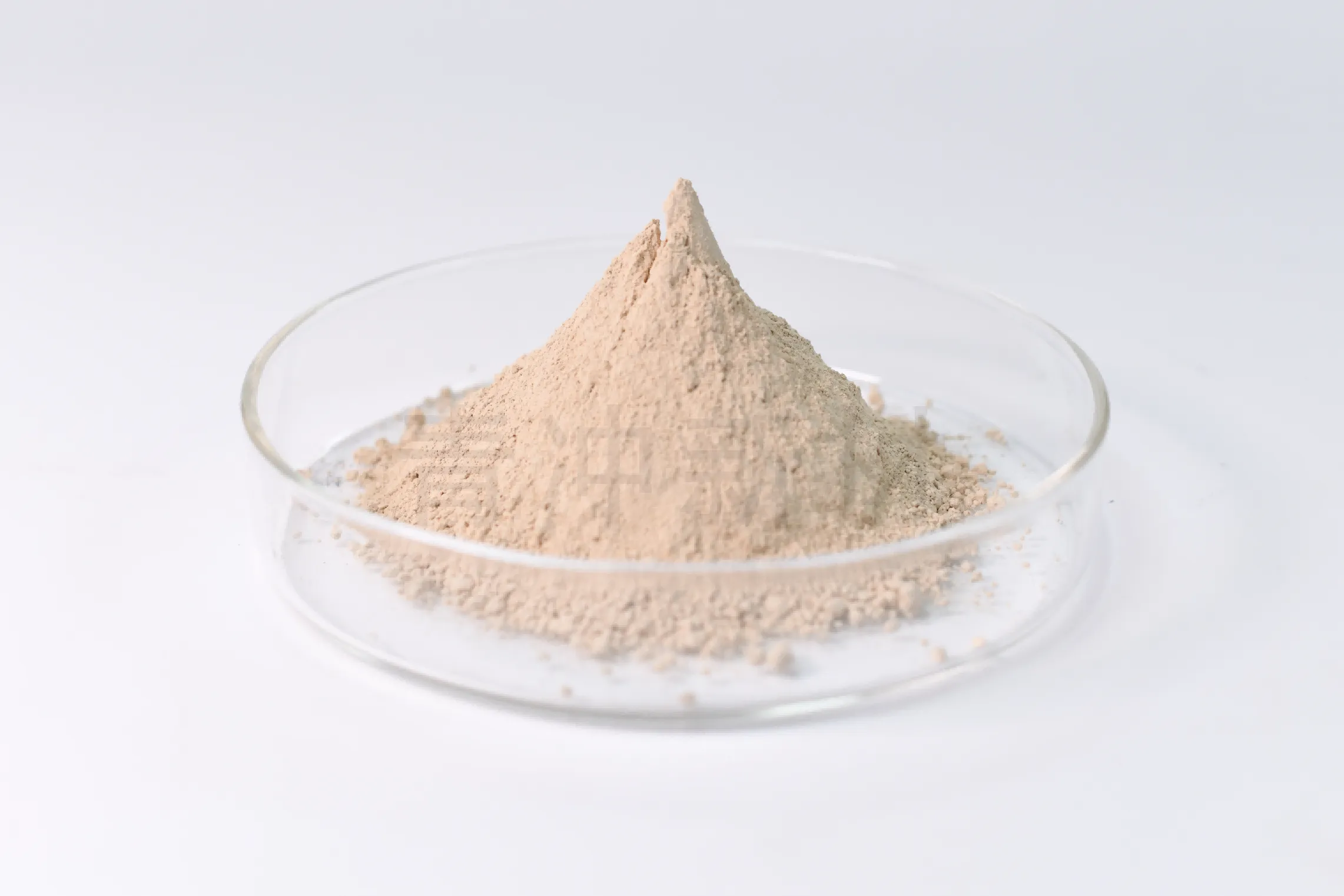
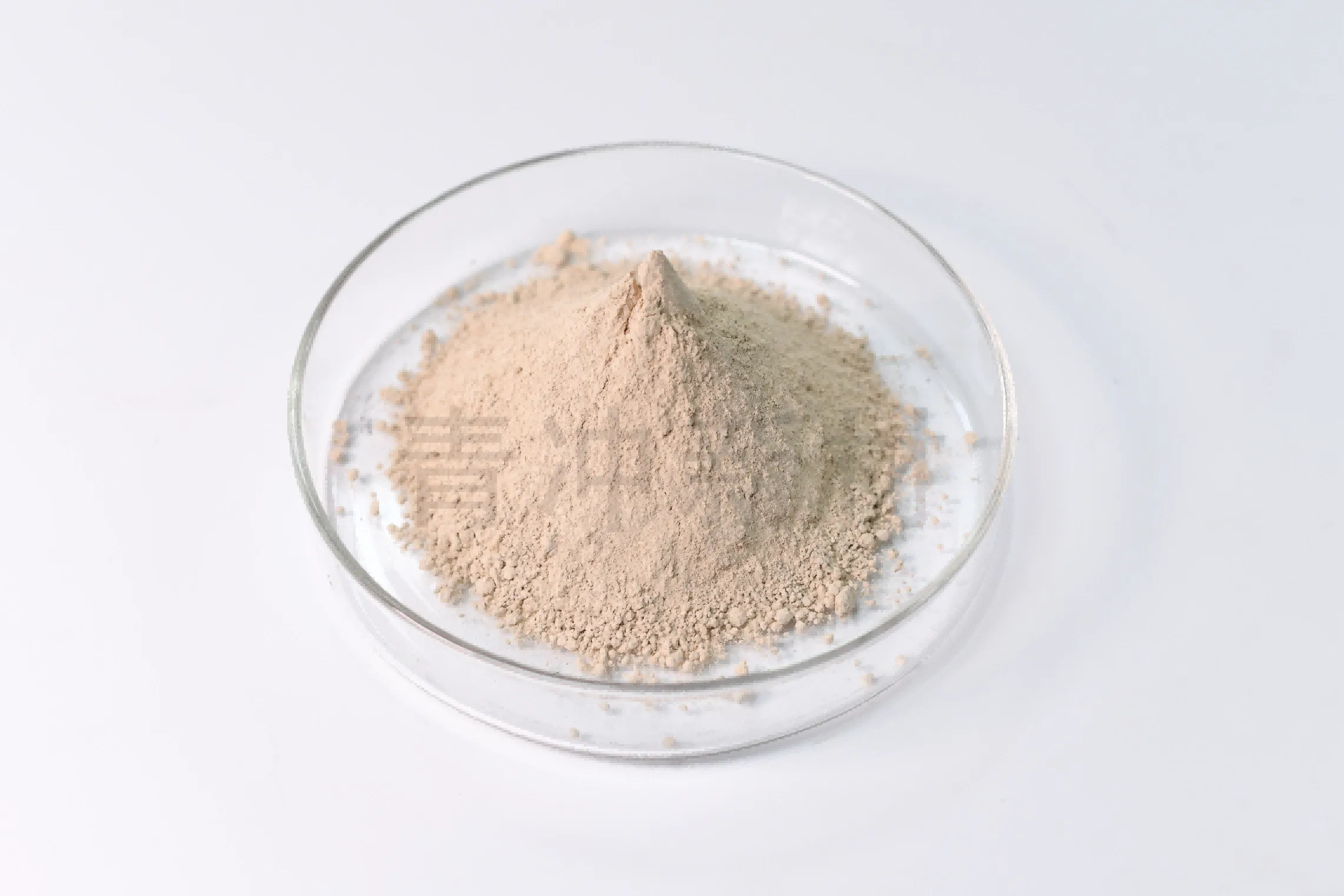
What “Charge” Means in MnCO₃ Chemistry and Process Records
In the chemical formula MnCO₃, “charge” describes the ions that balance to form the compound. Manganese has a +2 charge and carbonate has a −2 charge; the formula unit has no net electrical charge. This answers the chemistry question, but it does not tell a plant operator how much material to add. In a batch record, “charge” usually means a feed addition: a measured amount introduced at a specified stage of the process. The same phrase can therefore refer either to ionic charge or to a production input. Keeping those meanings separate prevents a misleading specification request. A request for “manganese carbonate charge” alone does not identify an assay target, physical form, charging sequence, or batch quantity. Nor does the formula reveal what a supplier's actual material contains beyond its named compound. QingChong's stated integration of R&D, production, and sales provides a basis for a technical conversation, but no manganese carbonate product sheet was supplied for this page. Any explanation of a specific QingChong grade must wait for verified product documentation.