EN
 CN
 fr
 es
 ar
 ru
 de
 pt
 tr
 vi
 it
 ja
 ko
 hi


Which Primary Cells Does EMD Cover, and Why Validate Each Separately?
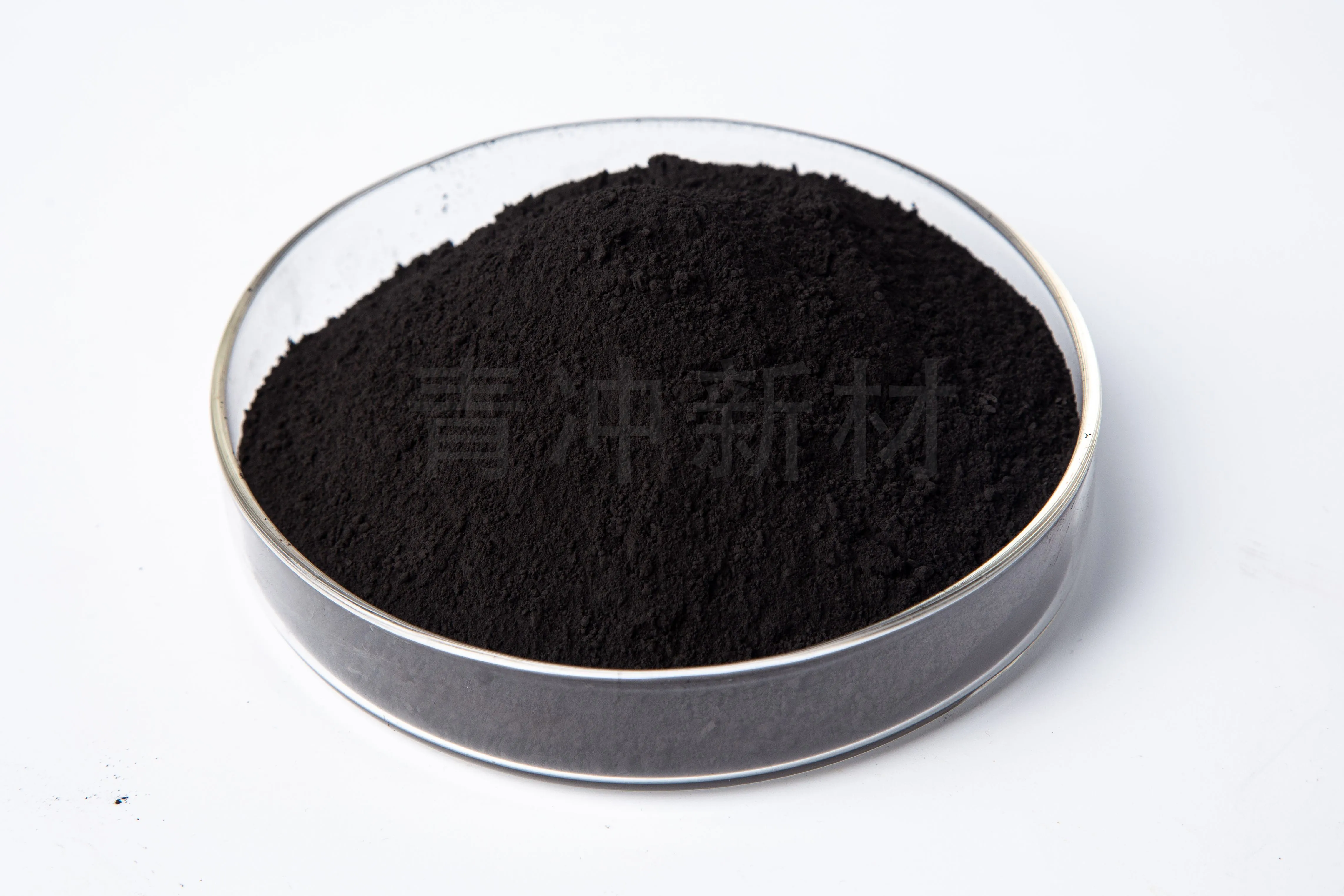
QingChong's EMD is a cathode material for four primary cell families: carbon-zinc, alkaline, button and primary lithium cells that cannot be recharged. It is not a licence to assume one grade fits every cell. Each family uses a different electrolyte, electrode recipe and discharge duty, so a passing result in one proves nothing about the other three. A certificate screens the powder; only a cell trial built in the intended chemistry approves it. Before buying, name the application and plan one validation per application, each with its own control material, recipe, discharge protocol and acceptance limits.
The rest of this guide sets out what changes between the four, what each trial has to reproduce, and where a result stops being transferable.
What one EMD grade cannot prove
The QingChong’s electrolytic manganese dioxide technical properties give 90% MnO2 minimum, iron at 200 ppm maximum, moisture at 3% maximum and pH 5–7.5, plus a broad mesh band. They tell you what to reject, not which cell the powder was made for, and they say nothing about the actual particle distribution behind that band.
Grades are separated by cell type. A US International Trade Commission publication on EMD describes alkaline, zinc-chloride and lithium grades, distinguished in finishing by particle size and pH, with each grade tied to its own battery type. It also notes that an alkaline cathode needs the alkaline grade, not a natural or chemical substitute.
So a single "battery grade EMD" report is a starting point, not approval. Ask which chemistry the data was generated in, on what recipe and with which discharge method. If the report cannot answer that, it cannot qualify any of your four lines. A report built on one discharge rate can also hide a powder that fails under pulse load, which is why the protocol belongs in the inquiry.
Four primary cell applications, four validation targets
The four families below all use EMD as the cathode active material, but they judge it on different outputs.
| Application | Conditions the EMD must survive | Validation that cannot be skipped |
|---|---|---|
| Carbon-zinc | Zinc-chloride or ammonium-chloride electrolyte, blending with natural MnO2, low-drain duty | Discharge on the real blend ratio and cell size against the current cathode mix |
| Alkaline | Concentrated KOH, dense EMD/graphite cathode, high-drain pulses, long storage | High-rate and pulse discharge, storage behaviour, cathode density and compaction |
| Button / coin | Tight volume, thin electrode, sealing limits, light or intermittent load | Build the actual format; check loading, height, impedance and pulse response |
| Primary lithium | Non-aqueous electrolyte, lithium metal anode, very low residual moisture, conditioned powder | Agree a drying or conditioning step and moisture method, then run electrode and cell discharge in that electrolyte |
Carbon-zinc cells often blend EMD with natural manganese dioxide, while primary lithium coin cells use conditioned, high-purity EMD because residual moisture is critical around lithium metal and non-aqueous electrolytes. How EMD works in primary cells covers the zinc-manganese systems; neither route can be inferred from the other.
Button is a format, not a chemistry, so that row has to be read together with a declared system. Use the EMD for battery application notes as the decision rule: requirements for an alkaline cell should not be treated as interchangeable with those for a zinc-carbon cell or another design.
What each validation has to reproduce
Four elements stay constant in every line: a control material already approved on that line, a fixed recipe and electrode loading, an agreed discharge protocol, and acceptance limits written down before the sample ships. Change any one and the comparison is no longer about the powder.
For carbon-zinc work, document the blend ratio, cell size, electrolyte and the discharge test used today; the seven-input purchase dossier is a workable template for those inputs. For alkaline work, add high-rate and pulse duty, cathode density and a storage condition, since shelf behaviour is part of the target.
A primary lithium line adds another layer. The lithium manganese dioxide cell guide asks teams to check crystal phase, surface area, particle distribution, pore structure, residual moisture, tap density and discharge behaviour in the intended electrolyte. Moisture deserves its own method and limit, agreed with the supplier before the trial.
None of those packages substitutes for another. Ask for one COA, one method list and one test report per application, each tied to the exact lot under evaluation.
Where a result stops being transferable
Three boundaries hold. Results do not cross chemistries, because the electrolyte and reaction path change. They do not cross recipes, because a different blend ratio or compaction changes what the same powder can deliver. They do not cross scale, because a laboratory cell is not a production line.
The last one is the most expensive to learn late. Why a lab-passed sample still needs a small-batch trial sets out where mixing, pressing, assembly and cell testing diverge; run that check on the line that will actually use the powder.
However, four separate validation lines cost more samples and more bench time than one generic approval, and they narrow the number of grades a supplier can offer. They also stop a full batch being mixed against a report that was generated in a different cell system. Record which line each COA and test report belongs to; a shared file number across four lines is a warning sign.
Set the validation scope before the first sample
Fix the scope in writing. Four steps are enough to keep the review comparable.
- Name the cell chemistry and format for every validation line, including the system behind a button cell.
- Fix the control material, recipe, electrode loading and discharge protocol for each line.
- Agree acceptance thresholds, storage conditions and the moisture method before samples ship.
- Request the COA, test methods, lot definition, sample identification and TDS/SDS for the exact lot on trial.
A supplier who asks which cell the data belongs to before quoting is easier to audit than one who supplies a single sheet for every application.
Technical review
Send the cell system with your validation plan
State the chemistry, format, recipe, discharge protocol and acceptance limits for each line. The grade and document set can then be matched to the applications you actually run.
Or call +86-731-52326088
FAQ
Can one EMD grade cover all four primary cell types?
Not on the strength of one report. The published properties screen the powder, but alkaline, zinc-chloride and lithium grades are separated in finishing for their own cell types. Ask for data generated in your chemistry, with the recipe and discharge method named, and approve each line separately.
We qualified the powder in an alkaline cell. Do we need a trial for a button cell?
Yes. A button cell changes electrode loading, height, compaction and pulse duty, and the name does not say whether it is alkaline, zinc-air or primary lithium. Build the real format, declare the chemistry and compare against the control material already approved on that line.
Does this EMD cover rechargeable or traction batteries?
No. The range discussed here serves primary cells only. If your programme targets a rechargeable or traction cathode, name the cathode chemistry and the precursor under review and ask which manganese product family applies; the battery application area lists battery-grade manganese sulfate and carbonate separately.