productlist

Manganese Dioxide Granular for Industrial Buyers

manganese dioxide granular

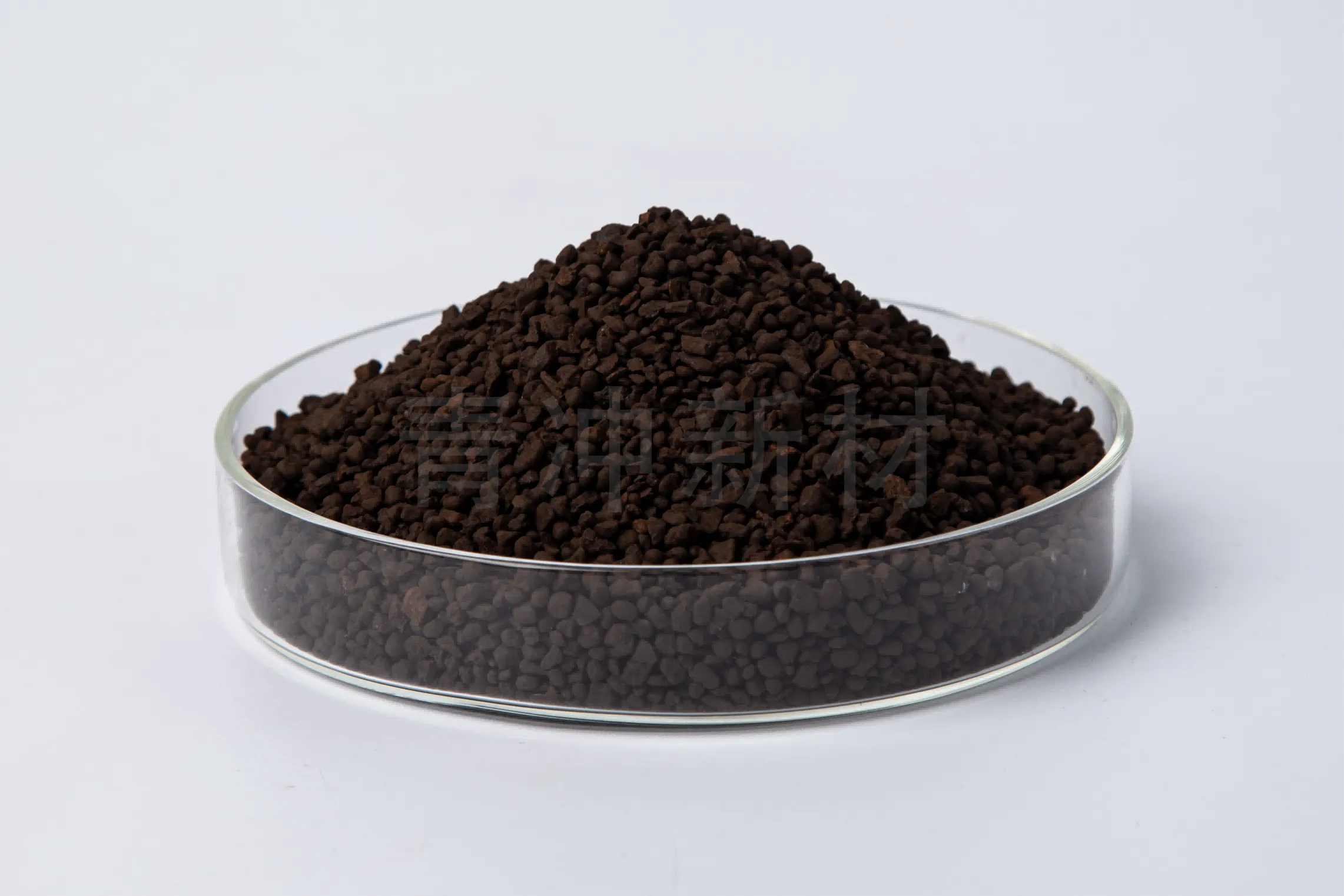
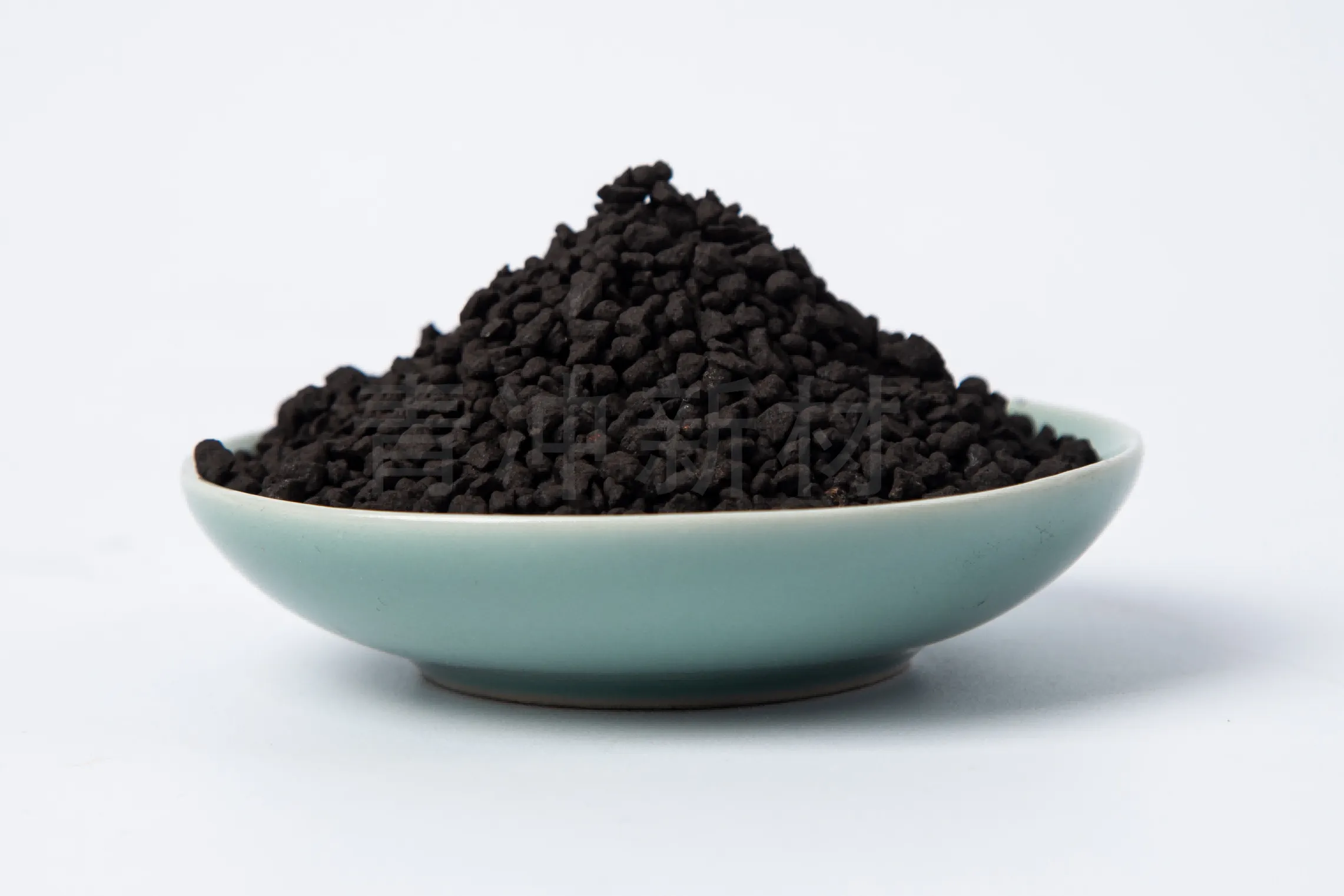
A request for manganese dioxide granular describes a physical form as well as a chemical material. The distinction matters: particles intended for a packed bed face different handling and performance questions from a powder intended for blending. For industrial buyers, the first step is to define what the material must do, then establish whether a proposed granular grade can do it under the actual operating conditions. QingChong New Materials is a Chinese manganese chemical manufacturer integrating research and development, production, and sales. Buyers considering the company for manganese dioxide granular can use this page to frame a technical discussion, but should not treat the keyword alone as a product specification. No particle-size range, manganese dioxide content, bulk density, or application-specific performance figure has been supplied for a granular grade. Those details need confirmation before a purchase decision. The sections below explain how granule properties affect use, where operating conditions can change suitability, and what information to send when requesting a grade recommendation or quotation.

Technical Detail

Configured around process stability, mold life, and long-term uptime.

The choice between granular manganese dioxide and a finer form often begins with handling. Granules may be considered where buyers need a material that can be loaded into a vessel, retained on a screen, or moved with less airborne dust than a fine powder. Powder may be more appropriate where rapid dispersion or intimate mixing is the priority. These are differences between physical forms, not proof that every granular grade will perform the same way. Granules can still shed fines during transport or use, and their behavior depends on how they are made and handled. QingChong New Materials operates from Xiangtan Manganese Mine, a major manganese production base in China, and reports more than 20 years of industry experience. Its integrated R&D, production, and sales operations give buyers a direct route to discuss both material requirements and commercial questions. The company also reports a strict quality control system and an ISO9001:2008 quality management system certification passed in July 2010. That certification concerns the management system; it does not establish a particular specification or approval for manganese dioxide granular. For a meaningful comparison with powder or another granular material, request the actual grade documentation and check the properties relevant to your process. In particular, do not infer particle size, composition, mechanical durability, or suitability for a named end use from the material name alone.

Manganese Filter Media(MnO₂)

How Granules Behave in a Contact Bed

Manganese dioxide is a manganese oxide, while “granular” describes the form in which the material is supplied. In a bed of granules, liquid or gas would pass through spaces between particles and encounter their exposed surfaces. Particle size and size distribution influence those spaces; surface condition and composition can influence how the material behaves at the point of contact. The amount of fines also matters because small particles may move differently from intact granules. This explains why two materials both called manganese dioxide granular cannot be assumed to be interchangeable. A chemical name does not describe bed structure, and a granular appearance does not establish a reaction rate or service life. QingChong’s R&D and production background provides a basis for a technical discussion, but no grade-specific test results have been provided here. If an application relies on a particular chemical action, the buyer should ask what evidence is available for that action under comparable conditions. If the intended function is primarily physical retention or support, the discussion will instead need to address particle integrity and bed behavior.
Manganese Filter Media(MnO₂)

Check the Conditions Before Assuming a Fit

A proposed granular grade has to be assessed against the process that will contain it. In a packed vessel, flow direction, flow rate, vessel geometry, and the means of retaining particles can affect whether the bed stays in place and whether pressure loss is acceptable. Changes in feed composition or operating conditions can also change the result of a contact-based process. For that reason, suitability for one treatment duty should not be carried over to another without testing or relevant grade data. Handling conditions deserve a separate check. Transfer methods, vibration, and repeated loading can generate fines if a material breaks down; buyers who cannot tolerate fines should raise that limit explicitly. Likewise, exposure to a liquid, a gas, or a dry blending process calls for different evidence. QingChong identifies itself as a manganese chemical manufacturer, but the supplied information does not establish approved operating ranges for a granular manganese dioxide grade. A practical fit assessment therefore compares the intended environment with documented properties and, where performance is application-dependent, a representative trial.

Manganese Filter Media(MnO₂)

What to Send With a Granular Manganese Dioxide Inquiry

Start an inquiry with the intended use and the form the material must take in your process. State whether it will sit in a fixed bed, be added to a mixture, or be handled in another way. Then provide the particle-size range you need, any limit on fines, the chemical specifications your process requires, and any available drawing or description of the equipment that will hold the granules. For a contact process, include the feed characteristics, operating conditions, and the result you need to verify. If you are replacing an existing material, its specification and the reason for changing it can make the comparison more useful. Ask QingChong to identify any proposed grade and provide its current specification and relevant test information before treating it as equivalent to a material already in use. The company’s integrated R&D, production, and sales structure offers a point of contact for these questions, but this page does not establish available grade options, minimum order quantities, prices, or lead times. Confirm those details directly in the quotation discussion.

News

Industry updates

Products

Production modules

Why Choose Us

Why Discuss Manganese Dioxide Granular With QingChong

For an industrial buyer, the value of a supplier discussion lies in traceable information and clear answers about the proposed material. QingChong New Materials brings more than 20 years of manganese industry experience and combines R&D, production, and sales within the business. That structure is relevant when an inquiry moves from a chemical name to questions about a specific grade and its documented properties. The company is located in the Xiangtan Manganese Mine area, one of China’s important manganese production bases. It also reports a strict quality control system and an ISO9001:2008 quality management system certification passed in July 2010. Buyers should still request current documents relevant to the material being offered; a company-level management certification is not a substitute for a batch result or an application test. QingChong describes global export capabilities and maintains a multilingual website, which may help international buyers start a discussion in their preferred language. These credentials make the company worth assessing as a potential supplier, while the final purchasing decision should rest on the quoted grade, verified specification, and evidence from the intended operating conditions.

FAQ

Common technical questions

Is granular manganese dioxide the same as manganese dioxide powder?

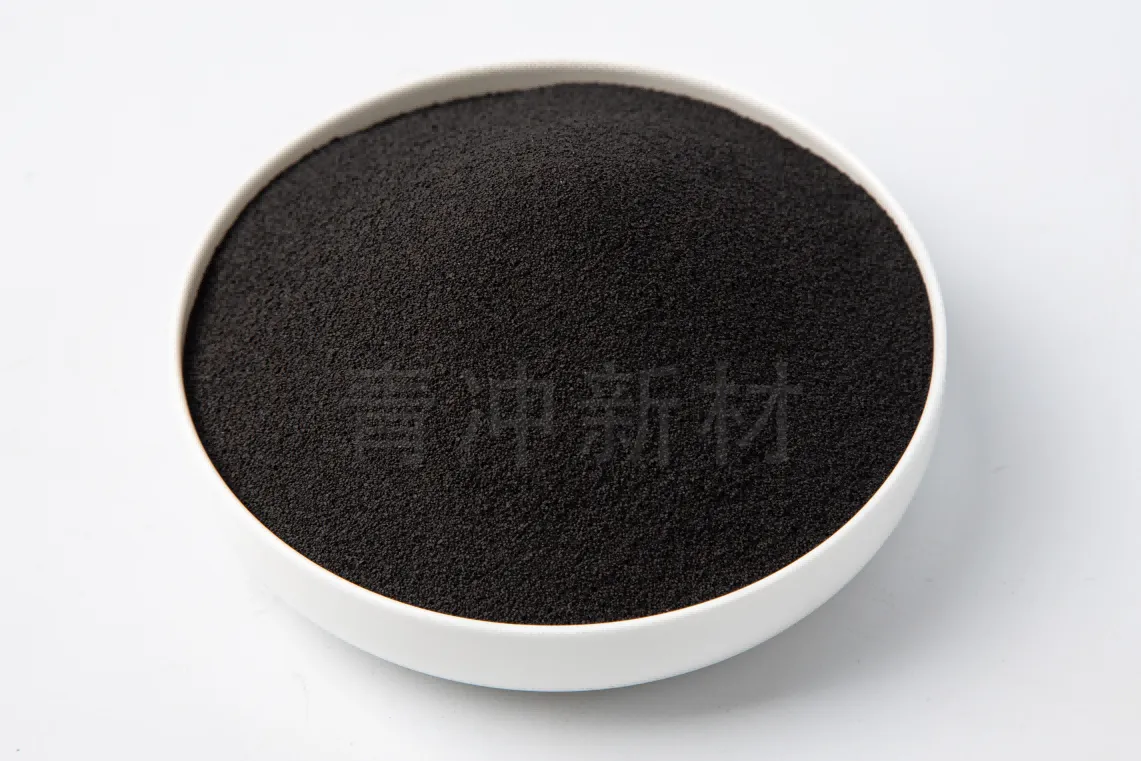
They share the material name but differ in physical form. Granules may be easier to retain in a bed, while powder may suit processes requiring dispersion. Compare the proposed grades’ documented composition and physical properties rather than assuming form is the only difference.

Can I use it in a water treatment vessel?

That depends on the treatment objective, feed-water conditions, vessel design, and the properties of the offered grade. Ask for relevant grade data and verify performance in conditions representative of your process before specifying it for water treatment.

What should operators check during loading?

Follow the equipment procedure and the supplier’s material-handling guidance. Check that the vessel’s retention components are suitable for the actual granule size, and watch for fines generated during transfer. No grade-specific loading procedure has been supplied here.

Can I order against a particle-size target alone?

Particle size is a starting point, not a complete purchasing specification. Share your application and ask QingChong to confirm the proposed grade’s composition, size distribution, fines information, and any other properties that your process requires.

Need a solution for your project?

Share your product type, target capacity, and application requirements. Our team can review the details and recommend a practical next step.

Contact Us
Whatsapp
WeChat

CONTACT US

Office Address:21/F,Zhonghan Fortune Building,Ji'an Road, Yuetang District,Xiangtan,Hunan,China

Factory Address: Heling Town, Yuhu District, Xiangtan City, Hunan Province, P.R.China

WhatsApp: 8613786275365

Fax: 86-731-52326088

E-mail: [email protected]