productlist

EMD in manufacturing: What Buyers Need to Confirm

EMD in manufacturing

A battery producer changing cathode material cannot judge a new source by the name EMD alone. Electrolytic manganese dioxide is used as an active cathode material in certain battery systems, but its suitability depends on the cell design, processing method, and agreed material specification. The same purchasing question applies to other proposed uses: what must the material do in the finished product, and how will the buyer verify that it can do it consistently? This guide addresses EMD in manufacturing from that practical perspective. It is intended for battery-material buyers, process engineers, and procurement teams comparing manganese chemical sources. QingChong New Materials is a Chinese manganese chemical manufacturer integrating R&D, production, and sales. No EMD product grade, test result, or supply specification was provided for this page, so its availability and suitability should be confirmed directly rather than assumed. Before requesting a quote, identify the intended use, the specification your process requires, and the evidence needed to qualify a potential source.

Technical Detail

Configured around process stability, mold life, and long-term uptime.

EMD means electrolytic manganese dioxide: manganese dioxide produced by an electrolytic process. In manufacturing, buyers usually encounter it as a specified input rather than a material that can be substituted on name alone. For a battery manufacturer, the relevant question is whether a proposed EMD grade matches an established cathode formulation and its qualification requirements. For a team developing a new formulation, the starting point is different: it must first define measurable acceptance criteria and a testing plan. QingChong New Materials operates in the manganese chemical sector and combines research, production, and sales. The company is based in Xiangtan Manganese Mine, a major Chinese manganese production area, and reports more than 20 years of industry experience. That background makes it a relevant contact for discussing manganese-material sourcing, but the information supplied here does not identify a QingChong EMD grade or establish that a particular EMD product is available. Buyers should therefore distinguish the company’s stated manufacturing capabilities from verified attributes of any material offered for their project. Treat this page as a starting point for a technical inquiry, not a product datasheet. Ask whether QingChong can supply the EMD required for your application and, if so, request the applicable specification and batch-level test information. This keeps the discussion tied to material that can actually be evaluated.

Electrolytic Manganese Dioxide (EMD)

How Electrolytic Manganese Dioxide Gets Its Name

The “electrolytic” in EMD describes its production route: manganese dioxide is formed through an electrochemical process. That route distinguishes EMD from manganese dioxide made by other methods, but the production label does not tell a buyer everything about a finished powder. Material characteristics relevant to manufacturing can include composition, impurities, particle properties, and the way the powder behaves during processing. Those characteristics need to be established for the grade under discussion rather than inferred from the abbreviation. In a battery cathode, manganese dioxide participates in the cell’s electrochemical reactions. Actual performance depends on the wider cell design and the properties of the material selected. This is why two materials both called EMD should not be treated as interchangeable without qualification. QingChong’s stated business covers manganese chemicals, with R&D and production in the same organization. No description of an EMD production line or EMD-specific process controls was provided, however. If the manufacturing route matters to your approval procedure, request a description of the proposed material and its production route directly from QingChong.
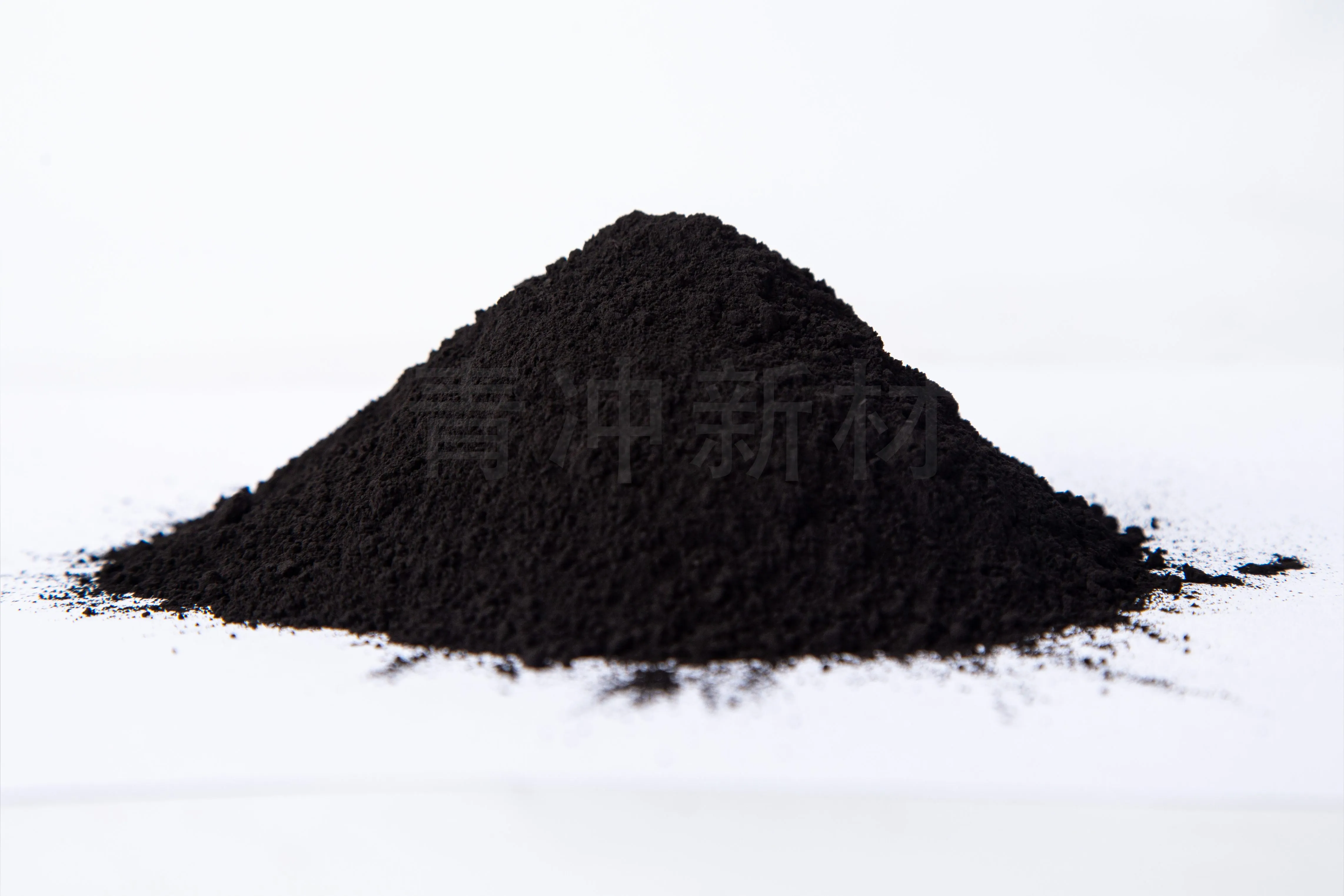
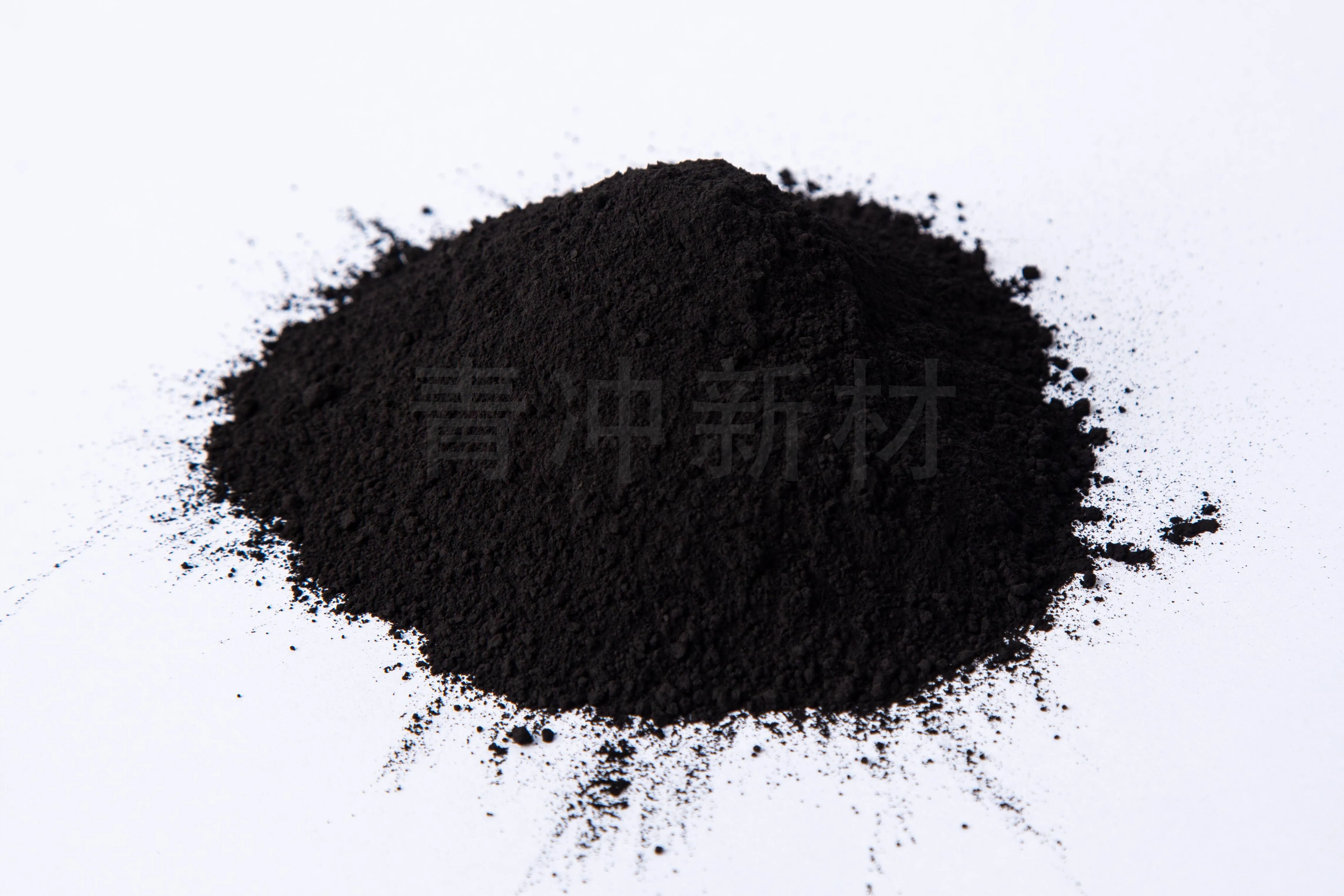
Electrolytic Manganese Dioxide (EMD)

Where EMD Fit Must Be Tested

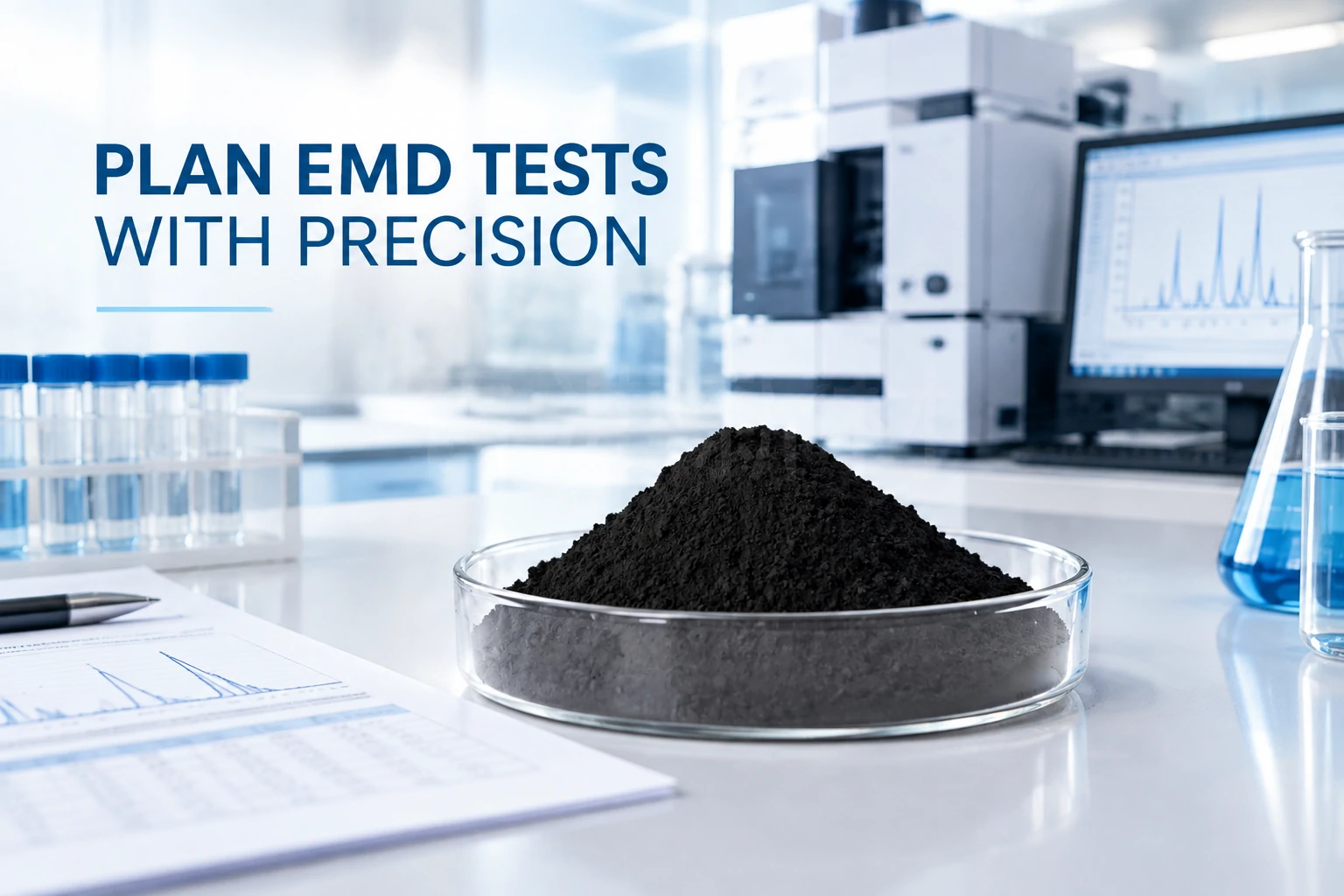
Application fit is determined at the point where the powder enters a real process. A battery producer may need to assess how a candidate material behaves during mixing and electrode preparation, then test the resulting cells against its own performance requirements. A specification that appears acceptable on paper is only one part of that assessment. Processing behavior, consistency between batches, and compatibility with the existing formulation can all affect a decision. The first screening question is whether the proposed material is intended for the same type of application as the buyer’s project. The next is whether its documented characteristics fall within the buyer’s limits. If those checks pass, controlled production trials can address questions that a supplier document cannot settle. The supplied information does not establish an EMD grade or application limits for QingChong, so no particular battery system or operating condition should be presumed suitable. Buyers with requirements outside battery manufacturing should describe their process just as precisely; the relevant tests and acceptance criteria may differ. Agree on those criteria before treating a sample result as approval for routine purchasing.

Electrolytic Manganese Dioxide (EMD)

What to Send with an EMD Inquiry

Start with the intended end product and state whether you need to match an existing approved material or qualify a new one. If you have a current specification, send its required parameters and test methods; a comparison is more useful than a request for “standard EMD.” Include any processing constraints your team has identified and explain which results are mandatory for acceptance. Ask QingChong first to confirm whether an EMD material matching the inquiry is available. If it is, request the proposed grade’s specification, the basis for its reported values, and the batch information needed for your qualification process. Confirm packaging and documentation requirements rather than assuming a particular format is offered. Where your organization requires samples or a formal approval sequence, describe the sequence and the tests you plan to run. QingChong states that it integrates R&D, production, and sales, which gives buyers a clear reason to raise both technical and purchasing questions in the same inquiry. It does not replace written confirmation of the actual product, applicable terms, or qualification evidence.

News

Industry updates

Products

Production modules

Why Choose Us

Why Discuss Manganese Materials with QingChong?

QingChong New Materials brings an established manganese-chemical business to a technical sourcing conversation. It is located in the Xiangtan Manganese Mine area, one of China’s major manganese production bases, and reports more than 20 years of industry experience. Its stated integration of R&D, production, and sales can help buyers direct questions about material requirements and commercial supply to the same organization. The company also reports a strict quality control system. QingChong passed ISO9001:2008 quality management system certification in July 2010 and was certified as a National High-tech Enterprise in September 2019. It reports invention patents obtained in cooperation with local universities and operates a multilingual website in 14 languages for international audiences. These are relevant company credentials, not proof that a specific EMD grade meets a buyer’s specification; current certificate status and product-level evidence should be checked separately. QingChong describes quality and integrity as its guiding principles. For an EMD inquiry, the useful test of those principles is a clear answer on product availability, documented properties, and which requirements still need technical confirmation.

FAQ

Common technical questions

Is EMD the same as any manganese dioxide powder?

No. EMD identifies an electrolytic production route. A buyer should compare the proposed material’s documented properties and test methods with the requirements of the intended process rather than substituting on the chemical name alone.

Can I use the same EMD in a different battery design?

Do not assume so. Check the new design’s cathode-material specification and processing requirements, then qualify any candidate material under that design’s test plan.

What should I check when trialing an EMD sample?

Record the sample’s identifying and batch information, use your normal incoming-material tests, and observe its behavior in the intended process. Keep trial conditions documented so results can be compared with later batches.

Does QingChong list an EMD grade or guaranteed parameters here?

No EMD grade or product parameters were supplied for this page. Ask QingChong to confirm availability and provide the applicable specification before making a selection.

Need a solution for your project?

Share your product type, target capacity, and application requirements. Our team can review the details and recommend a practical next step.

Contact Us
Whatsapp
WeChat

CONTACT US

Office Address:21/F,Zhonghan Fortune Building,Ji'an Road, Yuetang District,Xiangtan,Hunan,China

Factory Address: Heling Town, Yuhu District, Xiangtan City, Hunan Province, P.R.China

WhatsApp: 8613786275365

Fax: 86-731-52326088

E-mail: [email protected]