productlist

Dyeing electrolytic manganese dioxide: check process fit

Dyeing electrolytic manganese dioxide

The phrase Dyeing electrolytic manganese dioxide needs clarification before it becomes a purchase specification. Electrolytic manganese dioxide, often called EMD, is manganese dioxide produced through an electrochemical process. The word “dyeing,” however, does not identify a grade, a tested function, or a confirmed use in a particular dye bath. A buyer may be investigating EMD as a process material, or may simply be using the term found in an existing recipe. Those are different starting points for a technical discussion. QingChong New Materials is a Chinese manganese chemical manufacturer with integrated R&D, production, and sales operations. Its background makes it a relevant contact for a manganese-material inquiry, but the information supplied here does not establish a dyeing-specific EMD product or published specifications. This page therefore focuses on the questions that matter before a trial: what the material is expected to do, which process conditions it will encounter, and what evidence would demonstrate acceptable performance. Dye-house engineers, formulators, and procurement teams should align on those points before treating a search term as an approved material description.

Technical Detail

Configured around process stability, mold life, and long-term uptime.

QingChong New Materials approaches manganese chemical inquiries from Xiangtan Manganese Mine, a major Chinese manganese production base. The company reports more than 20 years of industry experience and integrates R&D, production, and sales. It also describes a strict quality control system. For a buyer researching Dyeing electrolytic manganese dioxide, these details establish who is being contacted; they do not establish that a particular EMD grade has been qualified for dyeing. No product sheet, assay, particle-size range, impurity limits, or dyeing trial results were supplied for this request. Accordingly, no numerical product specification or assured dye-bath performance should be inferred from the company profile. A useful first distinction is between a manufacturer’s general manganese-chemical capabilities and the properties of a specific offered lot. The latter require a product identity, current technical documentation, and test results relevant to the intended operation. QingChong’s stated quality management background includes ISO9001:2008 certification passed in July 2010; that is a company-level fact, not evidence that an unspecified material meets a dyeing standard. Buyers can use this page to frame a focused technical inquiry while keeping approval decisions tied to documented material properties and their own process results. The immediate objective is a clear match between the material being discussed and the function the dyeing process actually requires.

Electrolytic Manganese Dioxide (EMD)

What the electrolytic label does and does not tell you

In electrolytic manganese dioxide, “electrolytic” describes the production route, while “manganese dioxide” names the material. Neither word defines how the powder will behave in a dyeing recipe. Production route alone does not state composition limits, available surface characteristics, particle distribution, or the amount of material that might enter a liquid phase. Those questions depend on the actual grade and its documentation. The term “dyeing” is especially important to unpack: is the material intended to participate in a chemical step, remain in contact with a dye liquor, or appear in a supplier’s existing formulation under a different name? Each interpretation calls for different evidence. A technical conversation should begin with the material’s intended role and with any existing recipe or reference sample, if one is available. QingChong’s integrated R&D and production background provides context for such a discussion, but no supplied product information identifies the mechanism of a dyeing-specific grade. Until that mechanism and material identity are confirmed, descriptions of expected color effects or reaction performance would be speculation.
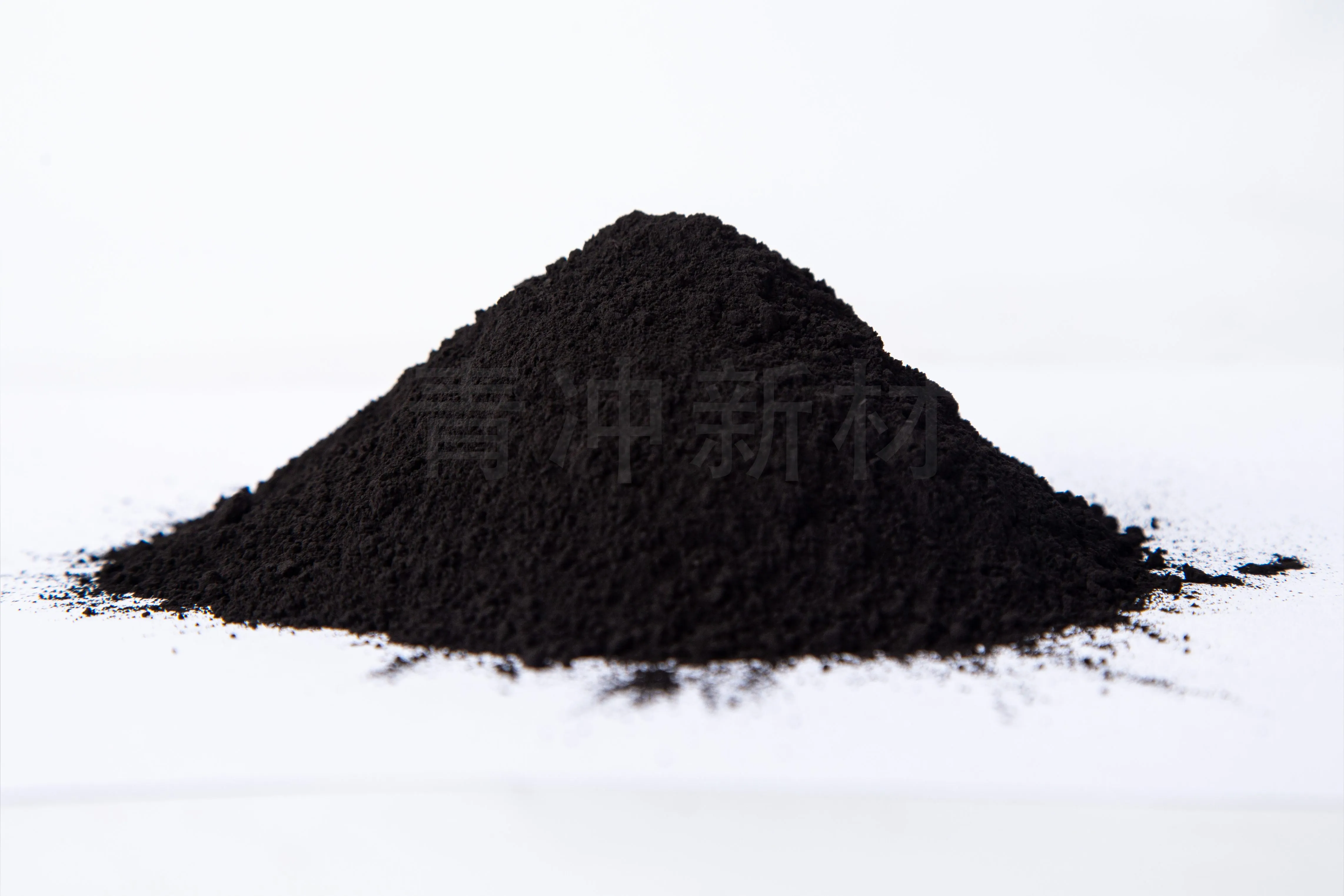
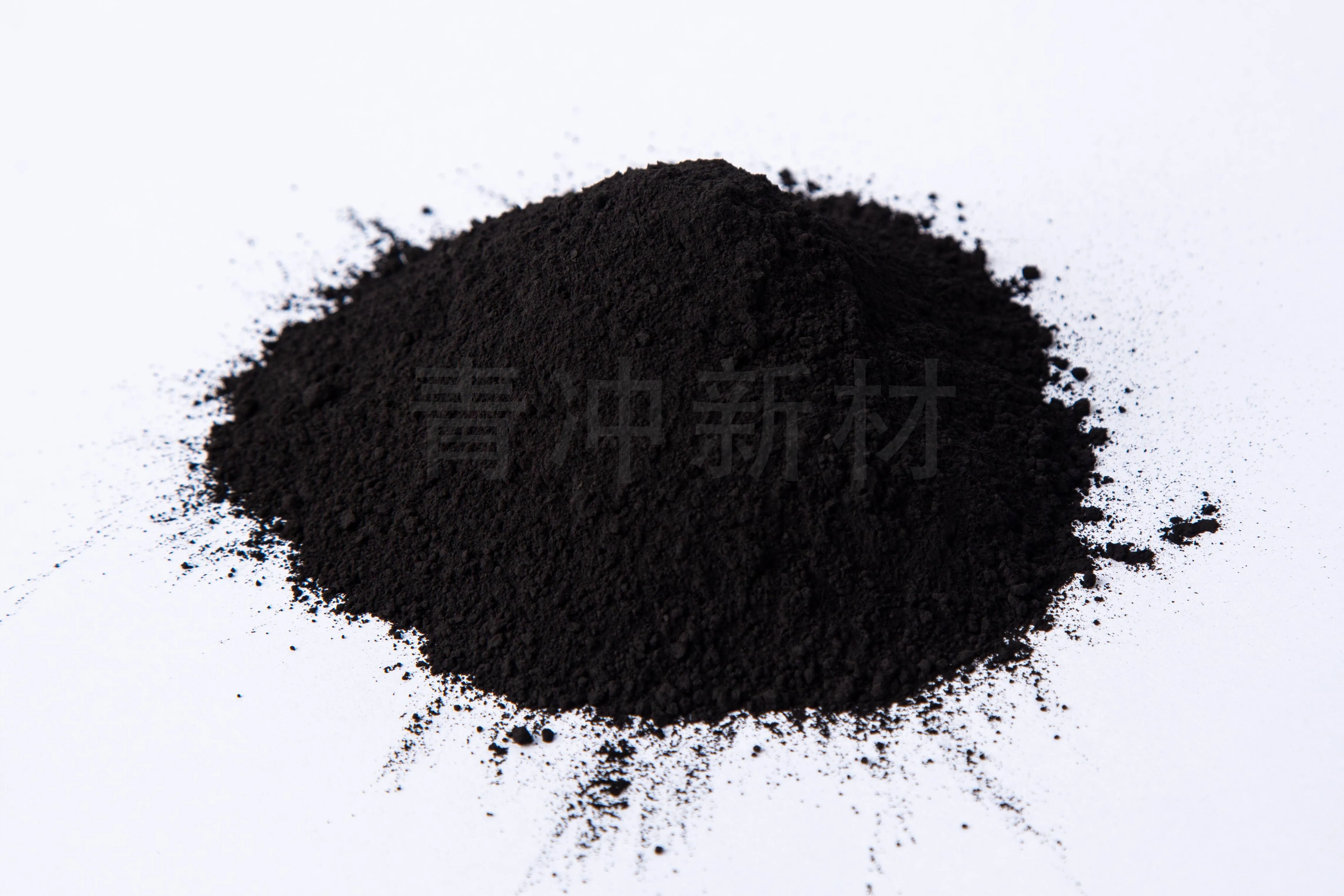
Electrolytic Manganese Dioxide (EMD)

Assessing contact with a dye bath and finished fabric

A material considered for dyeing must be assessed in the conditions where it will actually be used. The relevant questions include bath composition, pH, temperature, contact time, and whether the material is intended to stay in the bath, be filtered out, or remain on the textile. Dye chemistry and auxiliaries also matter: a result observed in one formulation should not be assumed to transfer to another. If the process handles a visible powder or slurry, evaluate dispersion, settling, filtration, and the possibility of unwanted residue on equipment or fabric. If consistent shade is the goal, compare trial results against the current approved process rather than relying on the name EMD. This is a fit assessment, not a claim that QingChong supplies a material suitable for each condition. The company has not provided dyeing-specific test data or limits here. Buyers should set acceptance criteria with their process team, then examine any proposed material against those criteria in a controlled trial. Where a process has environmental or textile-compliance requirements, obtain the relevant documentation for the specific material before approval.

Electrolytic Manganese Dioxide (EMD)

Information to prepare for a technical inquiry

Start with the exact purpose of the inquiry: identify the process step, the material’s expected function, and whether an existing specification or reference sample is being replaced. Provide the intended substrate, dye system, bath composition, operating pH and temperature, contact time, and the point at which the material would be added or removed. If a recipe uses the phrase Dyeing electrolytic manganese dioxide, include its original material description; it may contain a grade name or requirement that the search phrase omits. State which results your team will measure, such as shade consistency, residue, or ease of filtration, without assuming any outcome. Ask QingChong to confirm whether a relevant EMD product is available and, if so, to provide its current technical data, lot-specific documentation where applicable, and guidance on which stated properties can be checked against your requirements. Its R&D, production, and sales integration may help route the inquiry, but suitability, supply details, and any proposed configuration need direct confirmation. Do not approve a substitution until the exact offered material has passed your internal review and trial criteria.

News

Industry updates

Products

Production modules

Why Choose Us

Why discuss a manganese-material inquiry with QingChong

QingChong New Materials combines manganese-chemical R&D, production, and sales within one company. For a buyer working through an ambiguous search term, that structure offers a practical starting point for questions about material identity and documentation. Its location in the Xiangtan Manganese Mine area and more than 20 years of industry experience add relevant industry context, although neither fact substitutes for testing an offered grade. The company states that it operates a strict quality control system and passed ISO9001:2008 quality management system certification in July 2010. Buyers should still request current, product-specific records rather than treating a historical company certification as a product approval. QingChong also maintains a website in 14 languages and describes global export capabilities, which may help overseas teams communicate an inquiry across markets. It obtained multiple invention patents in cooperation with local universities and was certified as a National High-tech Enterprise in September 2019. These are reasons to open a technical discussion, not guarantees of dyeing performance. The sound purchasing basis remains the same: confirm the exact product, review its documented properties, and test it under the conditions that govern your process.

FAQ

Common technical questions

Is electrolytic manganese dioxide the same as chemical manganese dioxide?

No. The terms describe different production routes. The route by itself does not tell you whether either material will work in a dyeing process; compare the documented properties of the actual grades under consideration.

Can this material be used in every dyeing bath?

No general suitability can be established from the information provided. Share the dye system, bath conditions, intended material function, and acceptance criteria before assessing an offered product in a controlled trial.

What should we check if a trial leaves visible residue?

Record where the residue appears and review dispersion, settling, removal, and filtration steps. Compare the result with a control run, and request particle and handling information for the exact material tested.

How do we select a grade if our recipe only says “dyeing EMD”?

Trace the recipe to an original specification or approved sample first. Then ask whether QingChong has a corresponding product and request its current technical documents. Do not select a grade from the abbreviation alone.

Need a solution for your project?

Share your product type, target capacity, and application requirements. Our team can review the details and recommend a practical next step.

Contact Us
Whatsapp
WeChat

CONTACT US

Office Address:21/F,Zhonghan Fortune Building,Ji'an Road, Yuetang District,Xiangtan,Hunan,China

Factory Address: Heling Town, Yuhu District, Xiangtan City, Hunan Province, P.R.China

WhatsApp: 8613786275365

Fax: 86-731-52326088

E-mail: [email protected]