EN
EN
 CN
CN
 fr
fr es
es ar
ar ru
ru de
de pt
pt tr
tr vi
vi it
it ja
ja ko
ko hi
hi

How Manganese Dioxide Behaves in a Ceramic Recipe
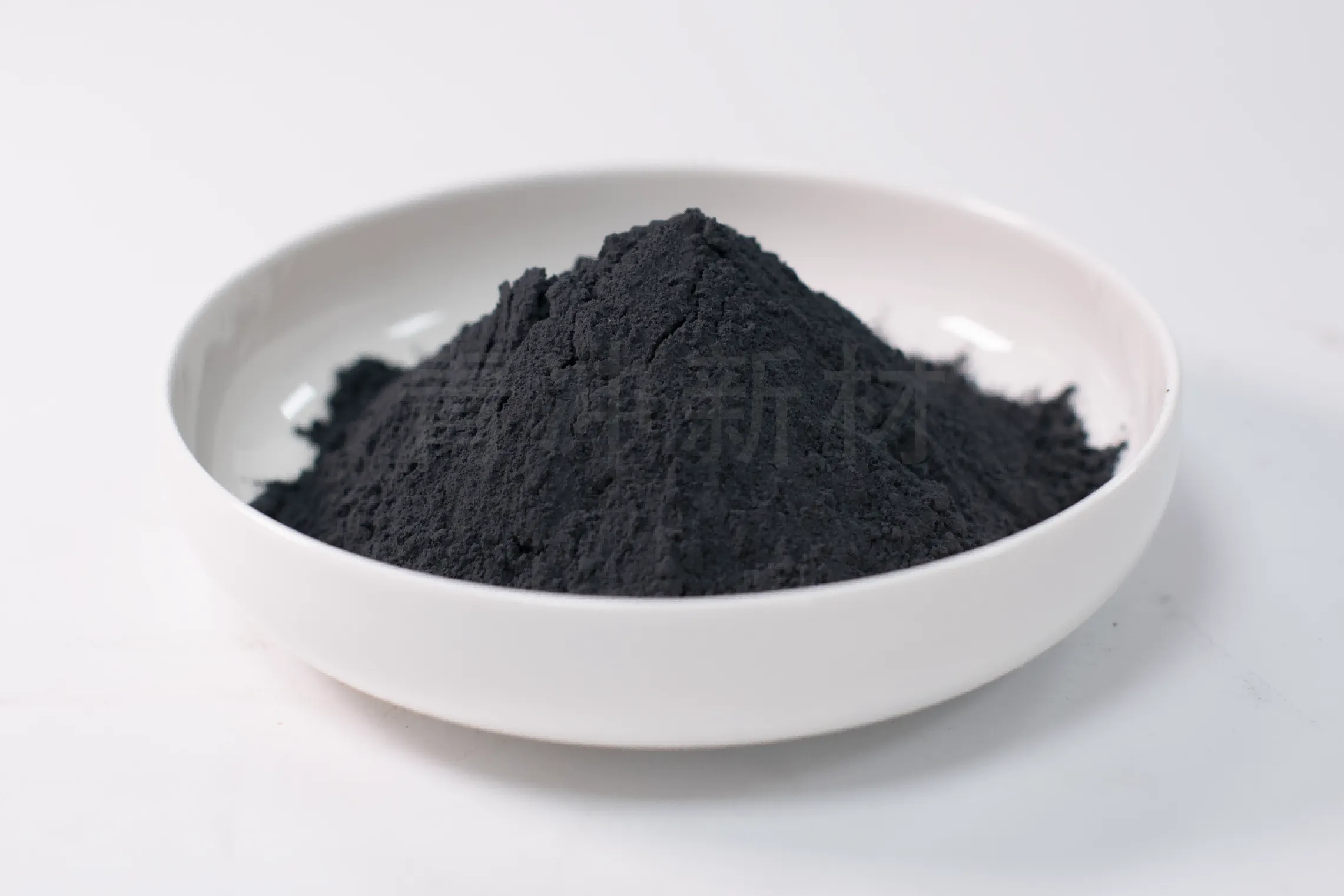
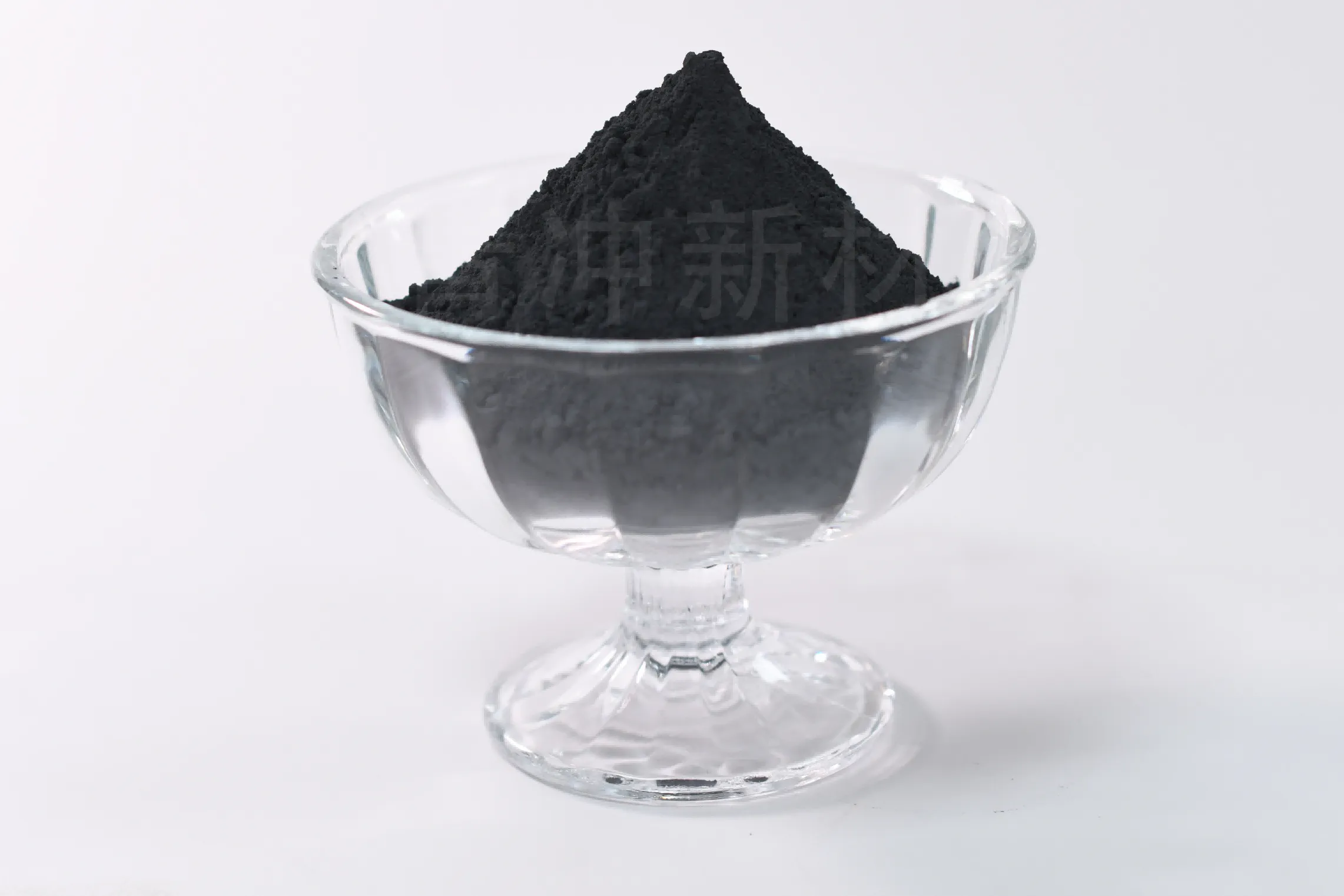
Pottery chemical manganese dioxide describes an ingredient, not a guaranteed color result. In ceramics, manganese compounds can contribute dark tones, speckling, or other visual effects depending on the formulation. Heat can change the chemical form of manganese during firing, while the surrounding glaze or clay body affects what becomes visible at the surface. A recipe that produces a satisfactory finish in one kiln should not be assumed to reproduce it in another. This distinction matters when reading a supplier’s data sheet. Chemical content describes the incoming material; a fired test shows its behavior in a particular ceramic system. Particle characteristics may also affect how evenly a material disperses, but no particle-size specification has been supplied for QingChong’s proposed material. Buyers should ask for that information rather than infer it from the product name. Likewise, QingChong’s experience manufacturing manganese chemicals does not constitute a published ceramic performance claim. Keep a record of the source material used for each test tile so that a promising result can be tied to an identifiable grade and batch.