productlist

Manganese Carbonate Ceramic Glazes: Material and Sourcing Guide

manganese carbonate ceramic glazes

Manganese carbonate can be used as a manganese source in ceramic glaze formulations, but the name alone does not predict the color a kiln will produce. The base glaze, application thickness, firing atmosphere, and temperature all affect the fired result. For a ceramic manufacturer, glaze studio, or raw-material distributor, the practical question is whether a particular supply of manganese carbonate can be evaluated against an existing recipe and production process. This page addresses that question without assuming that one grade suits every glaze. QingChong New Materials is a Chinese manganese chemical manufacturer integrating research and development, production, and sales. Its background makes the company relevant to buyers assessing manganese-based inputs, while the information provided here does not identify a specific ceramic-grade manganese carbonate product or its specifications. Buyers researching manganese carbonate ceramic glazes should therefore treat supplier discussion and glaze testing as separate steps: first establish what material documentation is available, then assess its behavior in the intended glaze under actual firing conditions. That distinction matters when a promising laboratory test must later translate into repeatable production.

Technical Detail

Configured around process stability, mold life, and long-term uptime.

For buyers comparing sources of manganese carbonate for ceramic glazes, consistency between deliveries is a commercial concern as well as a technical one. If an established glaze relies on a manganese-bearing ingredient, a change in raw-material characteristics may call for renewed sampling and firing tests before the material enters routine production. Consistent purchasing begins with a clearly identified material and a specification that can be checked against incoming lots; the brand description supplied for this page does not provide such a specification for manganese carbonate. QingChong New Materials operates from the Xiangtan Manganese Mine area, described in its brand information as one of China's important manganese production bases. It reports more than 20 years of industry experience and integrates research and development, production, and sales. The company also describes a strict quality control system. These are useful points for an initial supplier assessment, but none establishes the purity, particle size, moisture level, or lot-to-lot tolerance of a particular manganese carbonate offering. For a purchasing team, the benefit of a disciplined evaluation is avoiding an unsupported equivalence between two materials sold under the same general name. Ask QingChong whether manganese carbonate suitable for your intended glaze use is available, request current product and batch documentation where applicable, and compare that information with the requirements of your own recipe. A production trial, evaluated against your existing fired reference, remains the practical basis for approval.

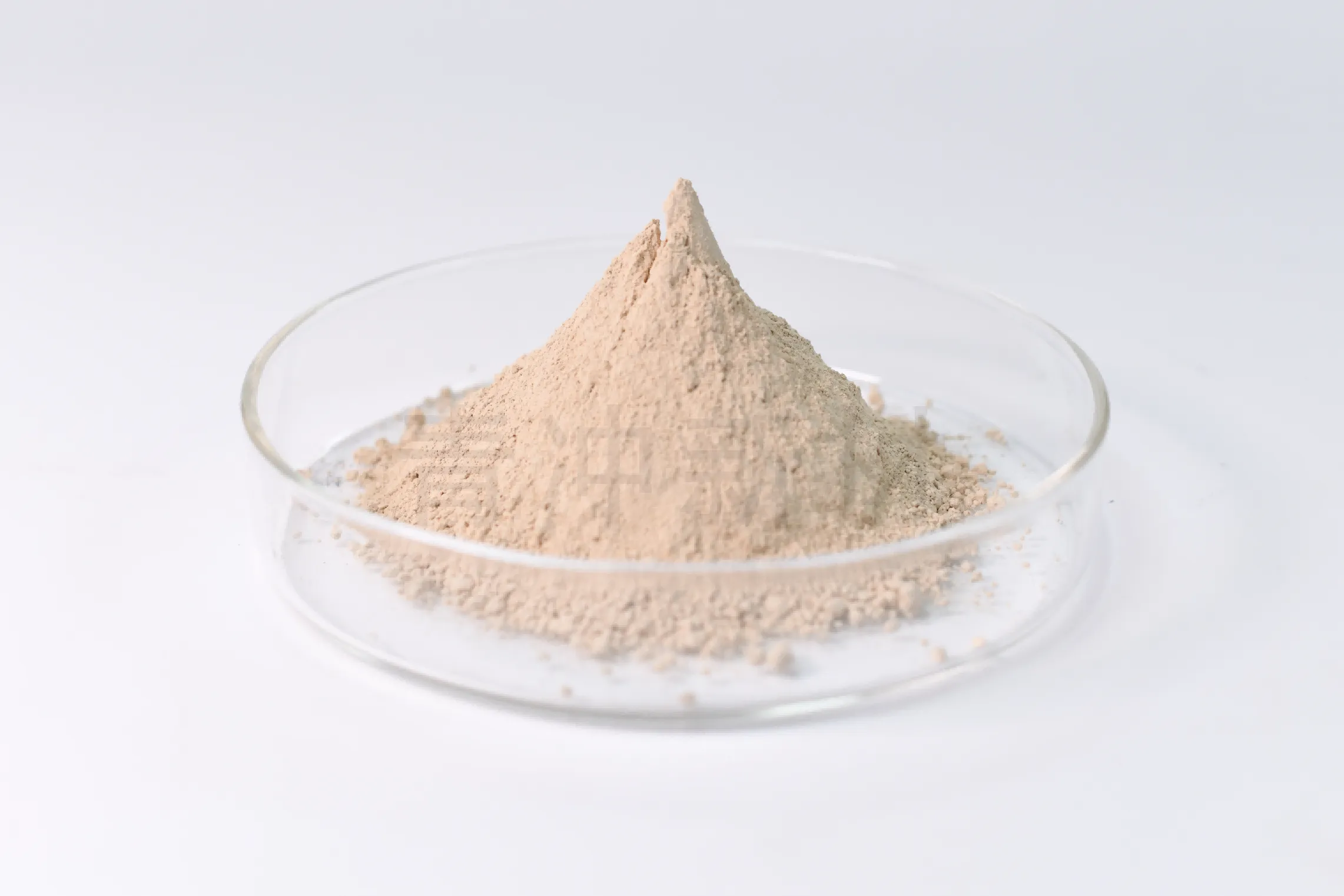
Manganese Carbonate (MnCO₃)

What Manganese Carbonate Contributes During Firing

Manganese carbonate is a manganese-containing compound that can serve as an input to a ceramic glaze recipe. During firing, the carbonate portion decomposes and the manganese participates in the chemistry of the glaze melt. The fired appearance depends on the whole formulation and firing conditions; it cannot be inferred from the raw material name alone. This also explains why an unfired glaze slurry is a poor guide to its eventual color. A manganese source may be included to pursue a particular fired effect, yet the final appearance must be observed on the intended clay body, under the intended firing schedule. For technical discussions with QingChong, it helps to distinguish the compound's identity from the behavior of a particular production batch. The available brand information establishes that QingChong works in manganese chemicals, but it does not state a manganese carbonate grade, assay, or particle-size profile for glaze production. Any explanation of how a proposed supply will behave in your formulation therefore needs the actual material documentation and firing tests. Treat published glaze recipes as starting points, not as proof that an unspecified manganese carbonate supply will reproduce the same result.
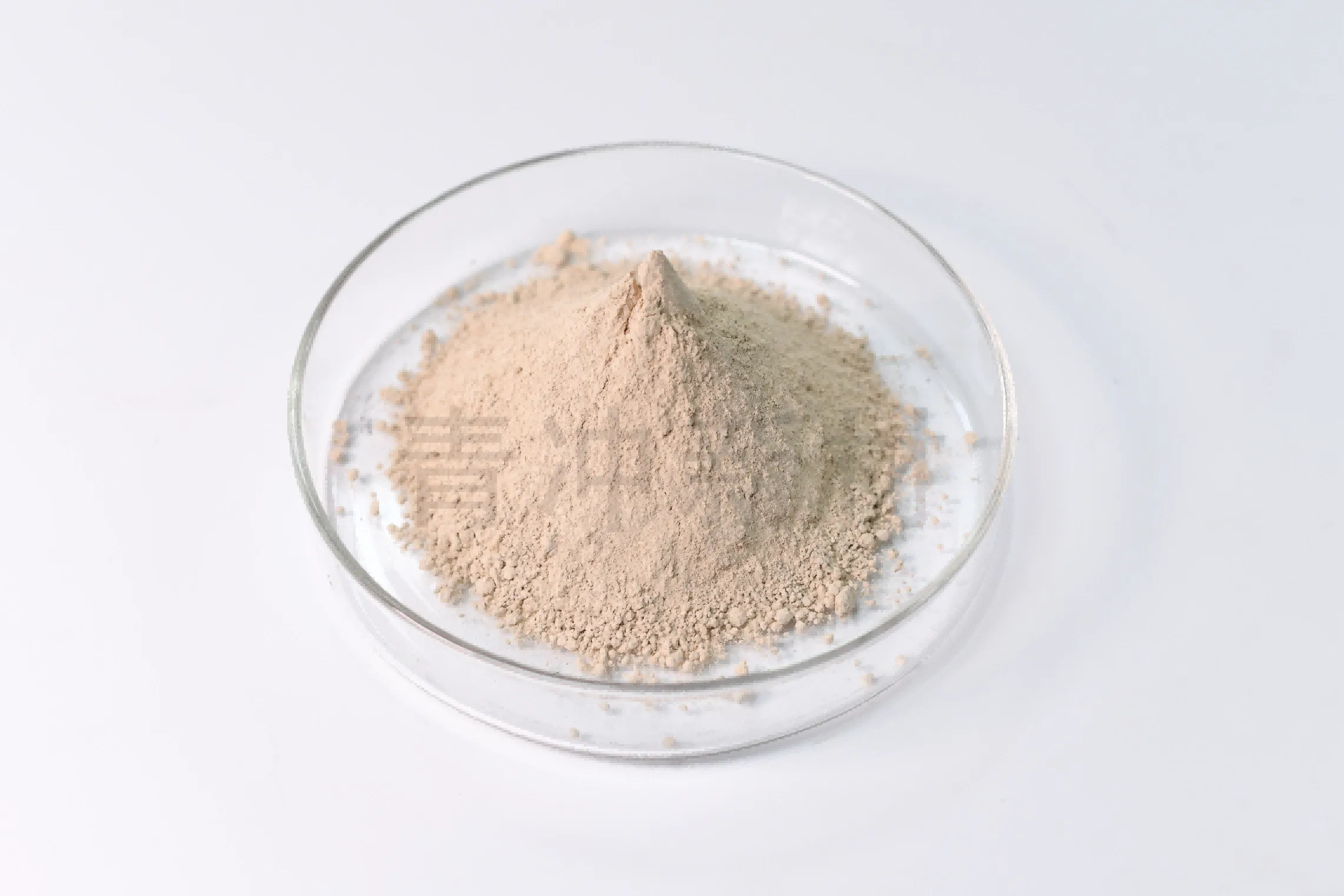
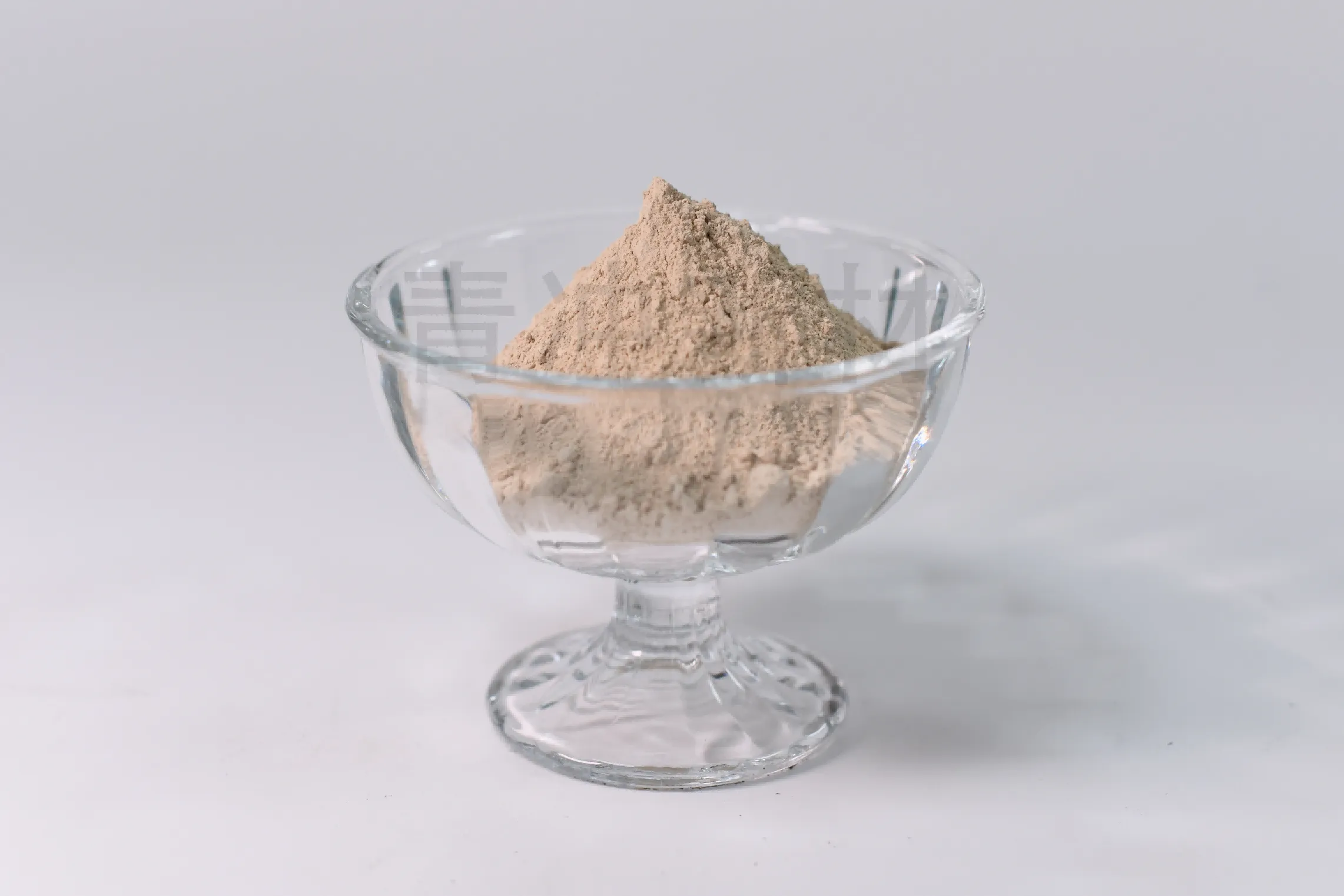
Manganese Carbonate (MnCO₃)

Where Glaze Trials Need Closer Scrutiny

A suitable trial reproduces the conditions that matter in the buyer's process. Test the proposed material in the actual base glaze and on the intended clay body, then compare results at the planned firing temperature and atmosphere. If your production uses more than one application thickness, test those thicknesses too: variations in the glaze layer can make a color result that looks acceptable on one sample less useful on another. The evaluation should include the visual result and any performance criteria already required for the finished ware. For functional surfaces, an attractive fired color alone is not evidence that a glaze is suitable for contact with food; the finished glaze needs assessment against applicable requirements. Likewise, a result from one firing setup should not automatically be transferred to another. QingChong's supplied information does not define a ceramic-grade specification or a recommended firing range for manganese carbonate. Until those details are confirmed for a proposed material, buyers should avoid treating the company's general manganese-chemical background as a statement of fit for a particular kiln schedule. A controlled comparison with an existing approved recipe gives the clearest basis for judging suitability.

Manganese Carbonate (MnCO₃)

Information to Prepare Before Requesting a Glaze Sample

Start an inquiry with the material name and the intended use: manganese carbonate as an ingredient in a ceramic glaze, rather than a request for any manganese compound. Send the current recipe's manganese-source designation if you are evaluating a substitution, and identify whether the goal is color development, matching an existing result, or testing a new formulation. Include the firing atmosphere, target firing schedule, clay body, and whether the finished surface has functional-use requirements. Ask QingChong to confirm whether it offers manganese carbonate for this application and, if so, which current product documentation is available. A useful review may include the relevant specification, batch analysis, safety information, and packaging details, subject to what the company can provide for the proposed material. Do not approve a substitute solely because the compound name matches a recipe entry. Agree internally on the sample test, acceptance criteria, and records needed to compare fired results with the existing standard. Those details make the supplier conversation more precise and leave the final material decision tied to evidence from your own process.

News

Industry updates

Products

Production modules

Why Choose Us

Why Discuss Manganese Inputs With QingChong

QingChong New Materials brings a defined manganese-chemical background to an initial sourcing discussion. The company is located in the Xiangtan Manganese Mine area and reports more than 20 years of industry experience. Its integrated research and development, production, and sales operations give buyers a clear basis for asking about material identity, available documentation, and how product requirements are communicated. QingChong also describes a strict quality control system, which is relevant when a glaze manufacturer needs to review batch information before trialing a new input. For broader supplier due diligence, the brand reports that it passed ISO9001:2008 quality management system certification in July 2010 and was certified as a National High-tech Enterprise in September 2019. Those are historical statements, not proof of current certification status or approval of a specific ceramic material; request current evidence if either matters to procurement. QingChong's multilingual website and stated global export capability may help international buyers begin the conversation. The decisive next step remains product-specific: confirm that manganese carbonate for the intended glaze application is available and obtain the documentation needed to evaluate it.

FAQ

Common technical questions

Can I replace manganese dioxide with manganese carbonate at the same recipe percentage?

Do not assume a one-for-one replacement. They are different compounds, and the manganese supplied by a given weight is not the same. Have the formulation reviewed and run controlled fired tests before changing a production recipe.

Can manganese carbonate be used in a glaze for food-contact ware?

Its presence alone does not establish whether the finished glaze is suitable for food contact. Assess the fired surface against the requirements that apply to your ware and market; obtain appropriate finished-glaze testing where needed.

How should we handle manganese carbonate powder during glaze preparation?

Review the safety data for the actual product before use. Apply your facility's dust-control and personal-protection procedures during weighing and mixing, and keep containers identified to prevent a mix-up with other manganese compounds.

What should we compare when assessing two manganese carbonate sources?

Compare their current product specifications and batch documentation, where available, alongside fired test results in your own glaze. The shared compound name does not establish identical composition, handling behavior, or fired appearance.

Need a solution for your project?

Share your product type, target capacity, and application requirements. Our team can review the details and recommend a practical next step.

Contact Us
Whatsapp
WeChat

CONTACT US

Office Address:21/F,Zhonghan Fortune Building,Ji'an Road, Yuetang District,Xiangtan,Hunan,China

Factory Address: Heling Town, Yuhu District, Xiangtan City, Hunan Province, P.R.China

WhatsApp: 8613786275365

Fax: 86-731-52326088

E-mail: [email protected]