productlist

glazes mnco3: Manganese Carbonate for Ceramic Glazes

glazes mnco3

A search for glazes mnco3 usually starts with a formulation question: can manganese carbonate provide the manganese needed for a particular ceramic glaze? MnCO3 is manganese carbonate, a manganese-bearing compound that glaze makers may use as a colorant ingredient. Its effect cannot be judged from the ingredient name alone. The base glaze, other colorants, firing atmosphere and firing schedule all influence the result. This page is for ceramic manufacturers, glaze formulators and raw-material buyers who need to discuss an MnCO3 requirement with a potential supplier. It explains where the material fits in a glaze recipe and what information a buyer should verify before treating any grade as suitable. QingChong New Materials is a Chinese manganese chemical manufacturer with integrated R&D, production and sales operations. The information supplied for this page does not identify a specific manganese carbonate product, ceramic grade or test result from QingChong. Buyers should therefore confirm product availability and obtain a current specification before approving the material for production.

Technical Detail

Configured around process stability, mold life, and long-term uptime.

Manganese carbonate and manganese dioxide are both manganese-bearing materials, but they should not be treated as interchangeable entries on a purchasing list. Their chemical identities differ: manganese carbonate is MnCO3, while manganese dioxide is MnO2. A glaze recipe or material approval written for one should not be transferred to the other on a weight-for-weight assumption. The practical question for a buyer is whether a documented grade can deliver the intended result in the buyer’s own glaze system. QingChong New Materials describes itself as a manganese chemical manufacturer based in the Xiangtan Manganese Mine area, with more than 20 years of industry experience and integrated R&D, production and sales. Its stated approach emphasizes quality control and integrity. Those details provide a basis for a technical conversation, but they do not establish that a named MnCO3 glaze grade is currently offered. No assay, particle-size distribution, impurity limits or ceramic firing data were provided for such a grade. If a glaze formulation specifies MnCO3, request the exact product identity and its current technical documentation. If a supplier proposes another manganese compound, ask for a formulation trial rather than accepting a chemical-name substitution. This distinction matters to buyers maintaining an existing glaze color, comparing potential raw-material sources or investigating a change in fired appearance. A sample can support that evaluation, provided it is tested against the approved material under the same production conditions.

Manganese Carbonate (MnCO₃)

What MnCO3 Does During Glaze Firing

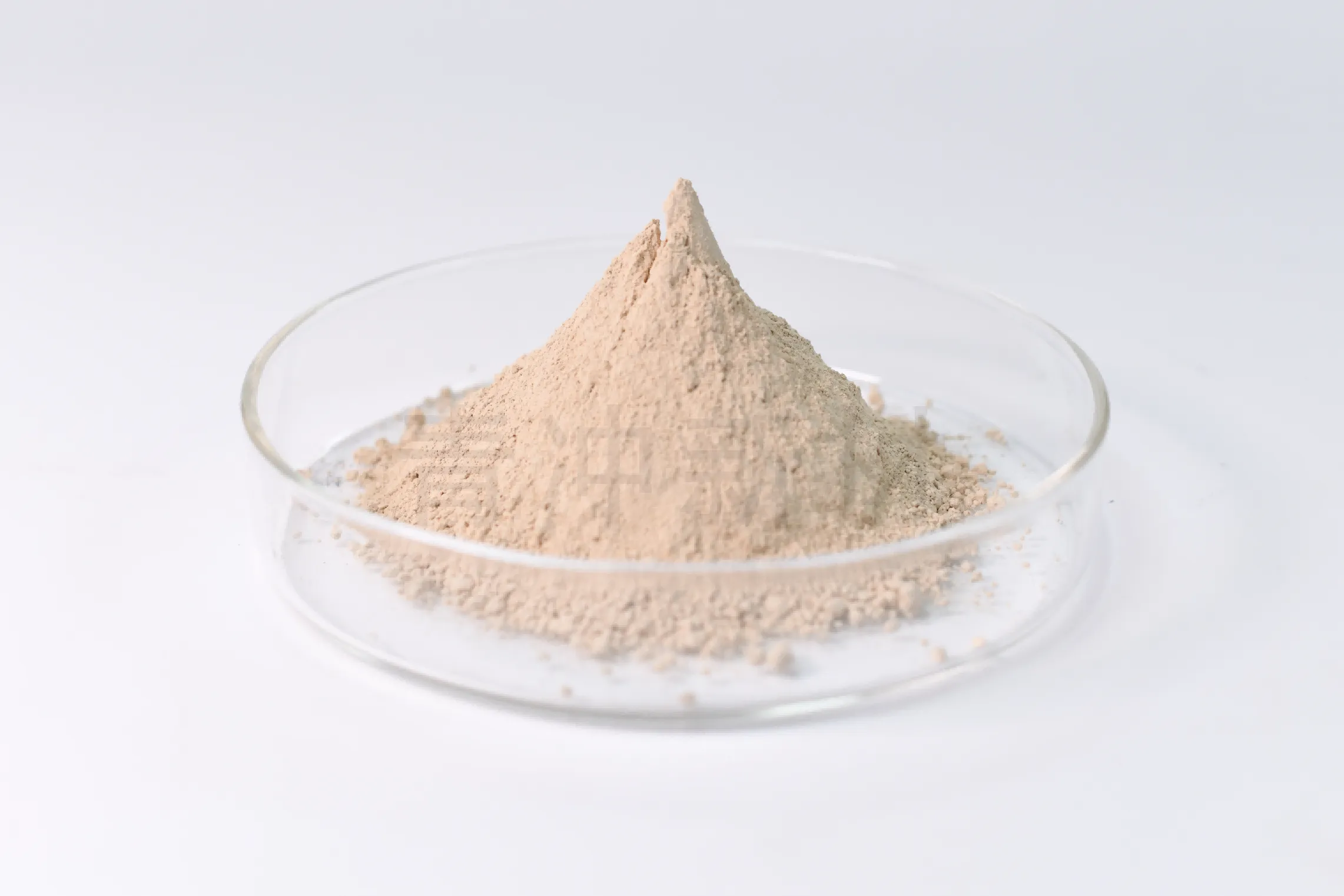
MnCO3 denotes manganese carbonate. In a ceramic glaze, it serves as a source of manganese rather than as a finished pigment with a guaranteed fired color. During firing, the carbonate changes as the glaze develops; the manganese then participates in the chemistry of the fired coating. What the eye sees depends on the complete glaze composition and firing conditions, not simply on the amount of MnCO3 listed in the recipe. This is why an unfired powder comparison cannot establish that two manganese carbonate sources will produce the same finished glaze. It is also why a color description without a firing method has limited value to a production buyer. QingChong New Materials’ stated R&D and production capabilities make technical questions about a manganese compound appropriate to raise with the company. The supplied information, however, contains no QingChong-specific MnCO3 test report or firing study. Any claim about the behavior of a particular QingChong grade would require product documentation and a controlled glaze trial. For now, MnCO3 is best understood as a manganese input whose fired effect belongs to a defined recipe and process.
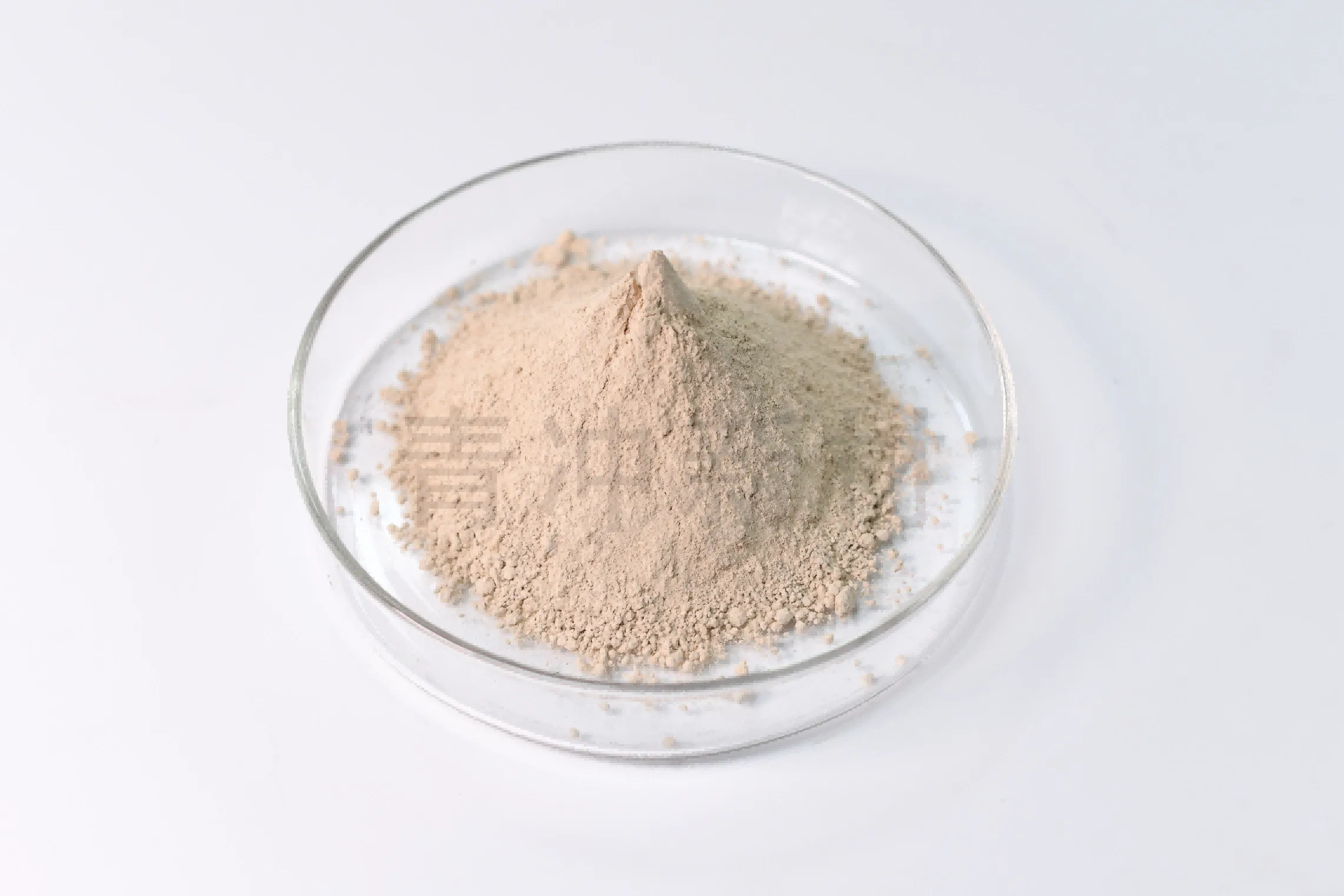
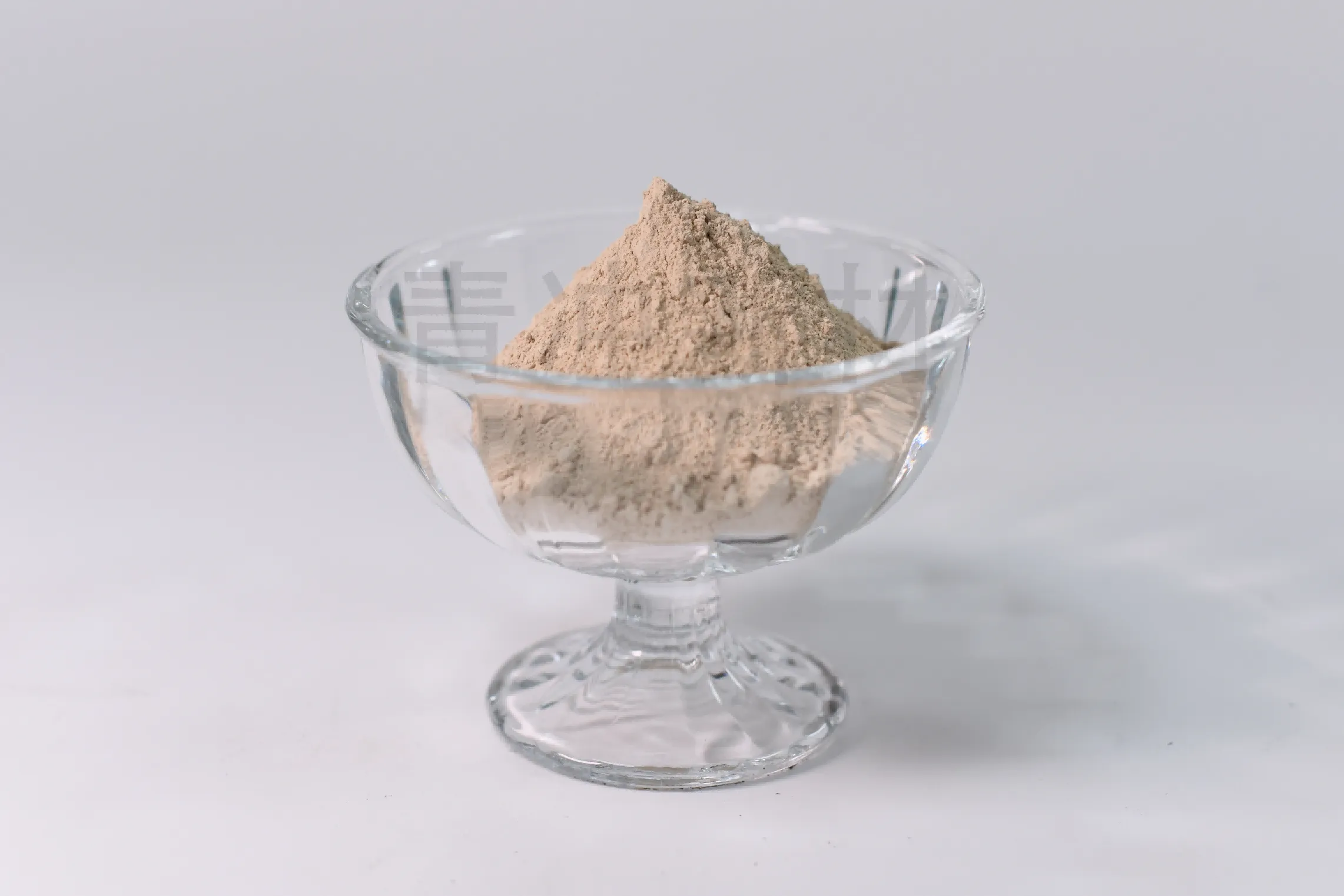
Manganese Carbonate (MnCO₃)

Where Glaze Conditions Can Change the Result

A manganese carbonate candidate is most relevant where the existing recipe calls for MnCO3 or the formulation team is deliberately testing a manganese source. Its suitability still has to be checked in the actual production setting. Compare trials using the same base glaze, application method, firing schedule and atmosphere; a change in any of these can make a raw-material comparison hard to interpret. Record the target fired appearance alongside visible defects or variation across pieces. For a manufacturer matching an established finish, the sensible benchmark is an approved production sample, not a general photograph of a manganese-colored glaze. Raw-material handling also matters: if the plant has requirements for powder dispersion, sieving or contamination control, those requirements should be included in the evaluation. QingChong states that it operates a strict quality control system, but the supplied materials give no ceramic-grade limits against which to check these conditions. Ask for the proposed grade’s documented properties before deciding whether it belongs in a production trial. If the existing process uses manganese dioxide, assess a carbonate candidate as a formulation change, not a routine supplier switch.

Manganese Carbonate (MnCO₃)

What to Send With an MnCO3 Glaze Inquiry

Start the inquiry with the material name written clearly as manganese carbonate (MnCO3). Include the intended ceramic application, whether the request concerns an existing recipe or a new formulation, and the manganese material currently used, if any. A buyer replacing an approved ingredient should share the current specification or the properties that must be matched. A formulator testing a new recipe can instead describe the desired fired appearance and the trial conditions. State the firing atmosphere and schedule, along with any plant requirements for powder handling or documentation. Ask QingChong New Materials whether it offers an MnCO3 grade for the stated use, and request the current specification for the exact material proposed. Confirm which test methods and batch documents are available before comparing suppliers. The brand information establishes manganese chemical manufacturing and international market activity, but it does not provide an MnCO3 product code, ceramic-grade specification, price or lead time. None should be assumed. Once the material identity and documents are confirmed, arrange an appropriate sample evaluation using your own glaze recipe and acceptance criteria.

News

Industry updates

Products

Production modules

Why Choose Us

A Documented Conversation With QingChong New Materials

For a glaze buyer, the value of a supplier discussion lies in being able to identify the material, examine its documentation and resolve differences before a production change. QingChong New Materials brings more than 20 years of manganese chemical industry experience and combines R&D, production and sales within its operations. Its location in the Xiangtan Manganese Mine area places it in a recognized Chinese manganese production base. The company also states that it uses a strict quality control system and serves global markets through a multilingual website. These are relevant reasons to approach the company with a technical inquiry, especially when a purchasing team needs to communicate requirements across markets. QingChong reports that it passed ISO9001:2008 quality management system certification in July 2010 and was certified as a National High-tech Enterprise in September 2019. Those historical details should not be read as proof of a current certificate or of certification for an unspecified MnCO3 grade. Ask for current company documents and product-specific records where your approval process requires them. Most importantly, confirm whether QingChong supplies manganese carbonate suited to your glaze trial; the information provided does not establish that product offering.

FAQ

Common technical questions

Is manganese carbonate the same material as manganese dioxide in a glaze recipe?

No. MnCO3 is manganese carbonate; MnO2 is manganese dioxide. If a recipe specifies one, do not substitute the other by weight without a formulation review and fired tests.

Can I judge an MnCO3 grade from its manganese content alone?

Manganese content is only part of a specification. Ask for the exact grade’s current documentation, including any available particle-size and impurity information, then check the material in your own glaze and firing process.

Will MnCO3 produce the same color in an oxidation and a reduction firing?

Do not assume so. Firing atmosphere is one of the conditions that can affect a manganese-containing glaze. Test the candidate material under the atmosphere and schedule used for the finished ware.

What should I check before scaling a glaze trial into production?

Compare fired pieces with your approved appearance standard, note any defects or variation, and confirm that the tested material matches the product identity and documentation intended for purchasing. The supplied information does not include a QingChong MnCO3 grade or production-trial data.

Need a solution for your project?

Share your product type, target capacity, and application requirements. Our team can review the details and recommend a practical next step.

Contact Us
Whatsapp
WeChat

CONTACT US

Office Address:21/F,Zhonghan Fortune Building,Ji'an Road, Yuetang District,Xiangtan,Hunan,China

Factory Address: Heling Town, Yuhu District, Xiangtan City, Hunan Province, P.R.China

WhatsApp: 8613786275365

Fax: 86-731-52326088

E-mail: [email protected]