productlist

Glazes Manganese Carbonate for Ceramic Buyers

glazes manganese carbonate

A glaze recipe may call for manganese carbonate, but that name alone does not tell a buyer whether a particular material will behave as expected in production. Particle characteristics, impurities, the rest of the glaze, and the firing schedule can all affect the finished surface. For ceramic manufacturers, glaze developers, and raw-material purchasing teams searching for glazes manganese carbonate, the useful starting point is the intended result: a specific color, surface effect, or adjustment to an existing formulation. Manganese carbonate is a manganese-bearing raw material used in some ceramic glazes. It is not a finished glaze or a guarantee of a particular color. QingChong New Materials is a Chinese manufacturer focused on manganese chemicals, with integrated R&D, production, and sales operations. The information provided here does not identify a manganese carbonate grade, its specifications, or its current availability from QingChong. Buyers should therefore treat this page as a guide to framing a technical inquiry, not as a specification sheet. Before discussing a production order, establish the target appearance, firing conditions, and acceptance criteria for a sample trial.

Technical Detail

Configured around process stability, mold life, and long-term uptime.

For a buyer evaluating glazes manganese carbonate, the commercial question is whether a documented material can be assessed against an existing ceramic process. A promising laboratory result is useful, but repeat orders also depend on receiving material whose relevant characteristics are understood and checked. QingChong New Materials is based in the Xiangtan Manganese Mine area and has more than 20 years of manganese-industry experience. Its operations combine R&D, production, and sales, and the company describes a strict quality-control system. Those are relevant reasons to open a technical discussion; they do not establish a specification for manganese carbonate. No product file, assay, particle-size data, packaging details, or availability confirmation has been supplied for this keyword. A purchasing team should request the actual grade documentation before comparing offers or approving a material for production. In particular, ask which measured characteristics are reported for the proposed material and how batch information is presented. Then compare those documents with the requirements of the glaze formula and the plant's incoming-inspection procedure. This keeps the sourcing decision tied to evidence rather than to the general term on an inquiry or quotation. If QingChong confirms a suitable manganese carbonate offering, the next meaningful step is a controlled trial using the buyer's own recipe and firing cycle. Until that confirmation is available, no specific performance or supply claim should be assumed.

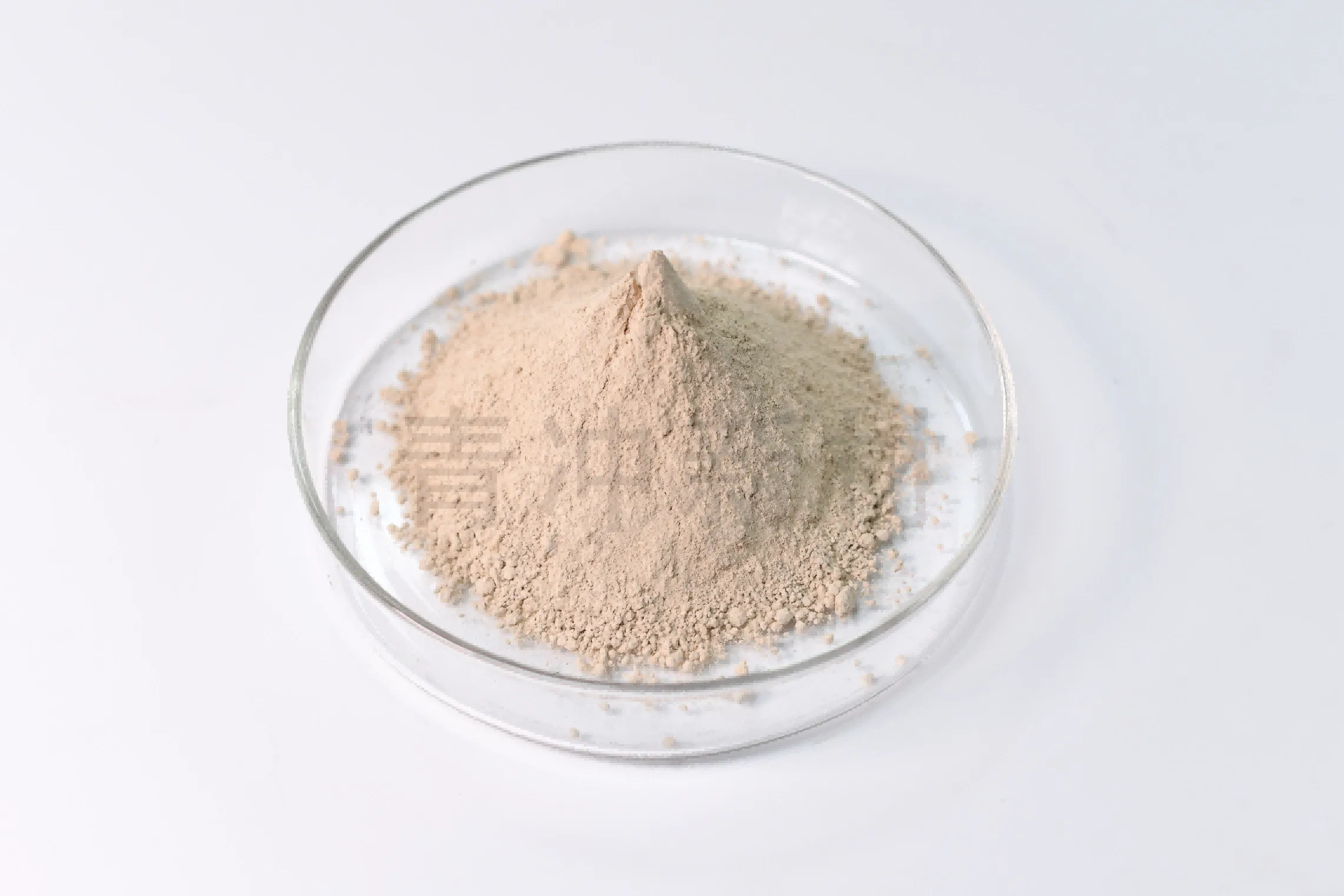
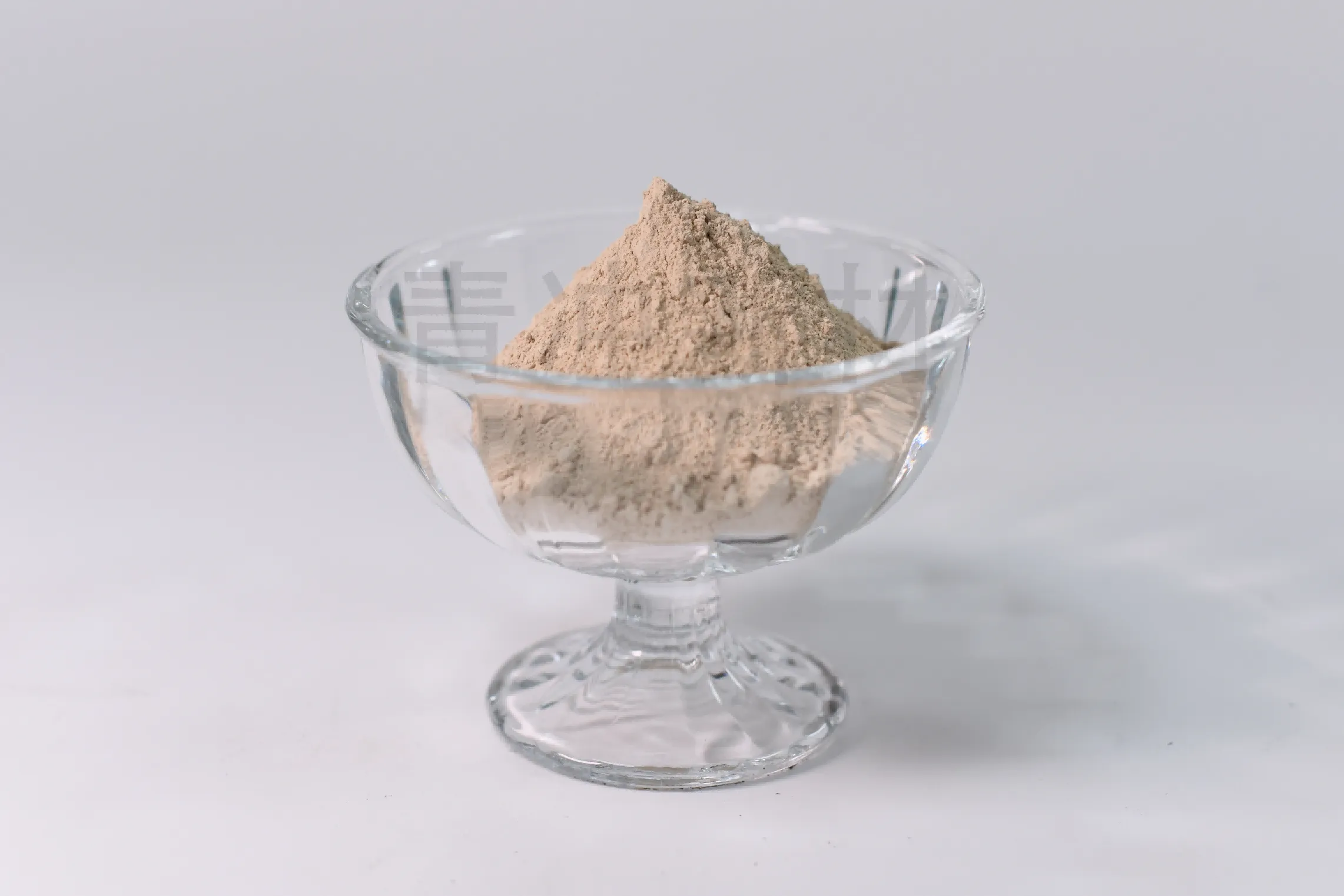
Manganese Carbonate (MnCO₃)

What Manganese Carbonate Does in a Glaze

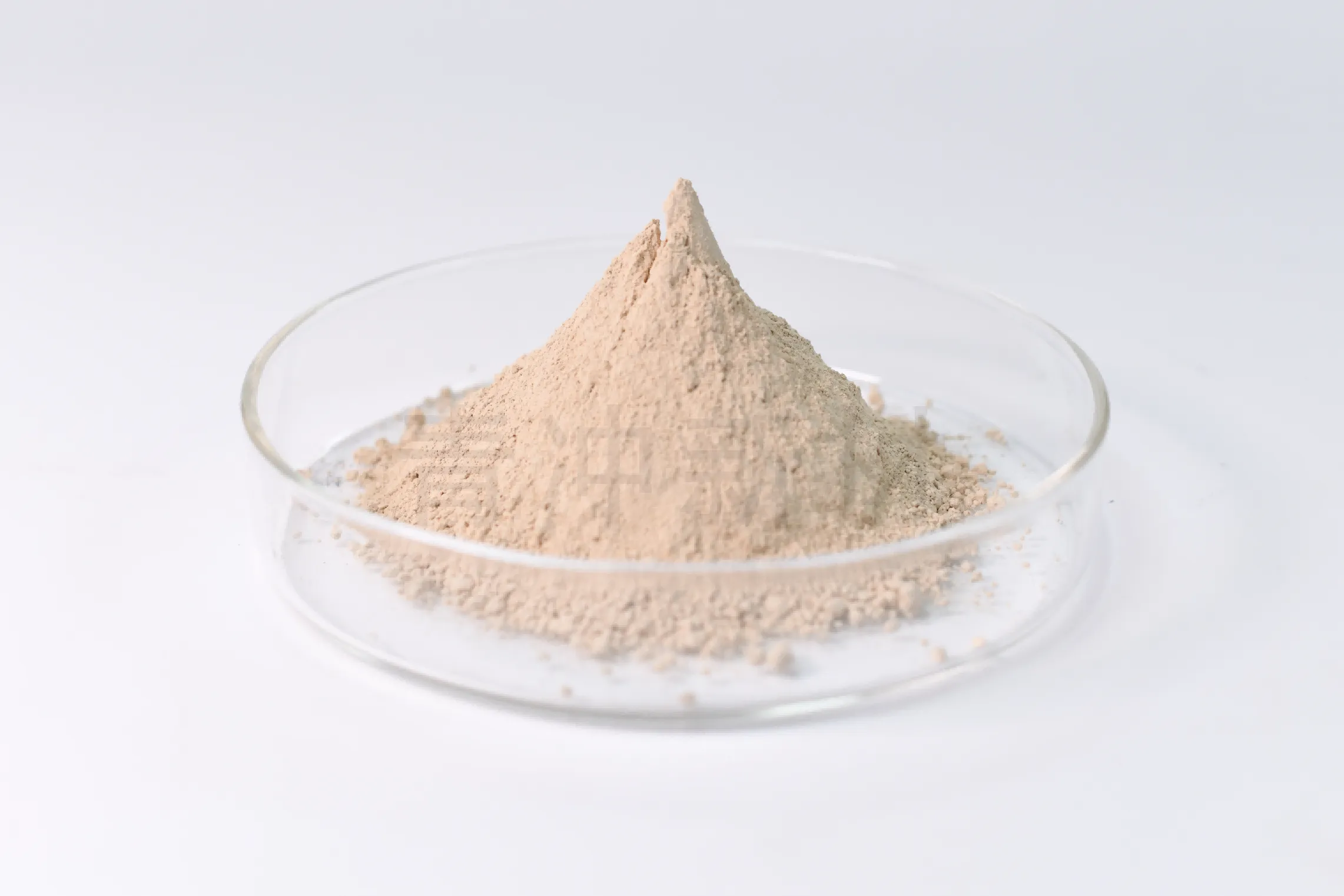
Manganese carbonate is a source of manganese in a ceramic formulation. During firing, the carbonate breaks down and the manganese can participate in the chemistry of the glaze. The visible result depends on more than the manganese-bearing ingredient: glaze composition, concentration, kiln atmosphere, temperature, and cooling conditions can change how the fired surface appears. That is why a raw-material name is not a color specification. Two recipes containing manganese carbonate may produce different finishes, while substituting another manganese compound into an established recipe can change the result even when both materials supply manganese. The carbonate also contributes to the material's behavior during firing, so a substitution should be tested rather than treated as a simple name change. QingChong's business focuses on manganese chemicals, but no technical sheet for a glazes manganese carbonate grade was provided. Consequently, this explanation describes the general function of the material, not a verified QingChong formulation or performance claim. For process records, it helps to keep the raw-material identity, recipe, and firing cycle together. A fired test piece without that context is difficult to interpret or reproduce.
Manganese Carbonate (MnCO₃)

Where a Glaze Trial Needs Extra Scrutiny

The most relevant operating condition is the buyer's actual firing process. A test made under one kiln atmosphere or firing schedule may not predict the appearance from another. Evaluate glazes manganese carbonate in the base glaze already used on site, on the intended ceramic body, and through the production-relevant firing and cooling cycle. Record both the desired effect and unwanted changes, such as inconsistent color, speckling, or a surface that no longer meets the plant's visual standard. These observations give a practical basis for deciding whether further trials are warranted. Incoming-material variation matters as well: if the proposed grade's composition or particle characteristics are important to the recipe, buyers need documented values and a way to check subsequent lots. No values for these characteristics were supplied here, so no firing range, addition rate, or grade suitability can be confirmed. QingChong reports a strict quality-control system, but the buyer should still obtain documentation for the specific offered material. A fit decision should rest on that documentation and repeated tests under the buyer's own conditions, especially when an existing glaze must retain a tightly controlled appearance.

Manganese Carbonate (MnCO₃)

Information to Prepare Before Requesting a Grade

Start the inquiry with the current glaze recipe's manganese-bearing ingredient, if any, and explain whether the project is a new formulation or a proposed substitution. State the ceramic body, target surface, kiln atmosphere, firing schedule, and how the finished glaze will be judged. If there is an existing approved material, provide its available specification rather than relying only on a trade name. This gives QingChong a concrete basis for discussing whether a manganese carbonate grade can be offered for evaluation. Ask for the proposed material's specification, relevant test documentation, and batch-identification details; confirm packaging and availability directly instead of assuming either. Where your purchasing process requires particular chemical or physical limits, list them explicitly and ask whether the offered grade is documented against those limits. QingChong integrates R&D, production, and sales, which provides a relevant point of contact for a technical discussion, but the supplied information contains no manganese carbonate grade list or supply terms. Do not approve a substitution from a quotation alone. Request material for a controlled trial if available, compare the fired result with your acceptance criteria, and confirm the approved specification before placing a production order.

News

Industry updates

Products

Production modules

Why Choose Us

A Documented Conversation with QingChong New Materials

QingChong New Materials brings an established manganese-chemical background to a ceramic raw-material inquiry. Located in the Xiangtan Manganese Mine area, the company reports more than 20 years of industry experience and integrates R&D, production, and sales. For buyers, that combination is most useful when a technical question and a purchasing question need to be resolved against the same proposed material. The company also describes a strict quality-control system and holds ISO9001:2008 Quality Management System certification, passed in July 2010. It was certified as a National High-tech Enterprise in September 2019 and reports invention patents obtained in cooperation with local universities. These credentials describe company capabilities; they should not be read as certification or performance data for an unspecified manganese carbonate grade. QingChong's multilingual website and global-market focus may help international teams begin the discussion, but product availability and export arrangements still need direct confirmation. Bring the intended glaze application and required documentation to that conversation. A sound reason to proceed is a material offer that can be checked against your process, tested in your kiln, and identified consistently in purchasing records.

FAQ

Common technical questions

Is manganese carbonate interchangeable with manganese dioxide in my glaze recipe?

Do not assume a direct substitution. They are different manganese compounds, and a change may affect the fired result. Compare the proposed material's documented composition and run tests in your actual recipe and firing cycle.

Can I use the material for both decorative ware and production tile glazes?

Those uses call for separate evaluation. The relevant body, glaze, firing process, and appearance criteria may differ. No QingChong manganese carbonate grade has been specified here, so suitability for either application needs confirmation and a plant-relevant trial.

What should I record during the first kiln trial?

Keep the material identity and lot reference with the recipe, test-piece body, application method, firing schedule, kiln atmosphere, and observations after cooling. That record makes an unexpected result easier to investigate.

What documents should I request before selecting a supplier grade?

Ask whether QingChong offers manganese carbonate for this use, then request the proposed grade's specification, relevant test documentation, and batch-identification information. Check them against your incoming-material requirements before approving a production purchase.

Need a solution for your project?

Share your product type, target capacity, and application requirements. Our team can review the details and recommend a practical next step.

Contact Us
Whatsapp
WeChat

CONTACT US

Office Address:21/F,Zhonghan Fortune Building,Ji'an Road, Yuetang District,Xiangtan,Hunan,China

Factory Address: Heling Town, Yuhu District, Xiangtan City, Hunan Province, P.R.China

WhatsApp: 8613786275365

Fax: 86-731-52326088

E-mail: [email protected]