EN
EN
 CN
CN
 fr
fr es
es ar
ar ru
ru de
de pt
pt tr
tr vi
vi it
it ja
ja ko
ko hi
hi

How EMD functions in an AA battery cathode
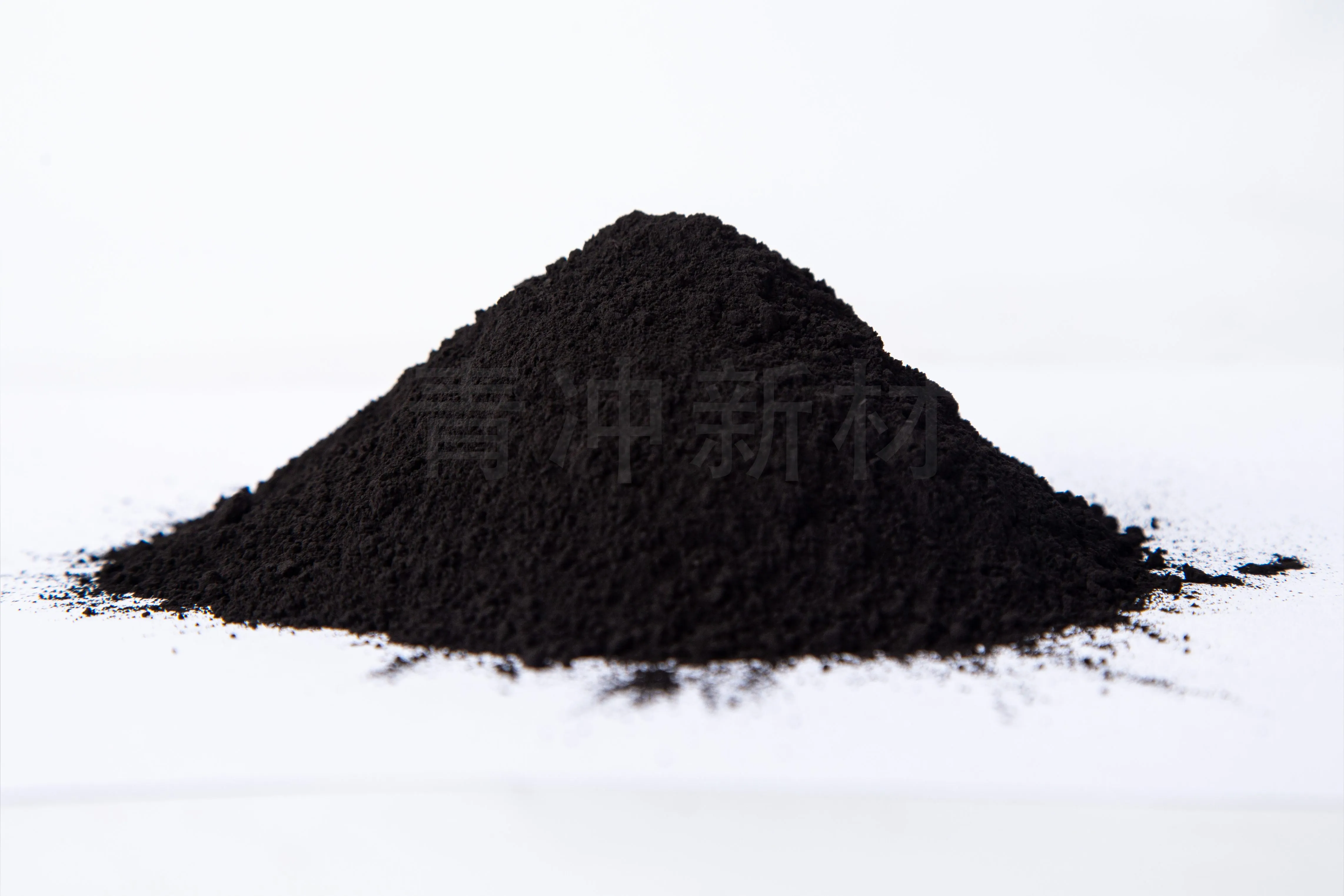
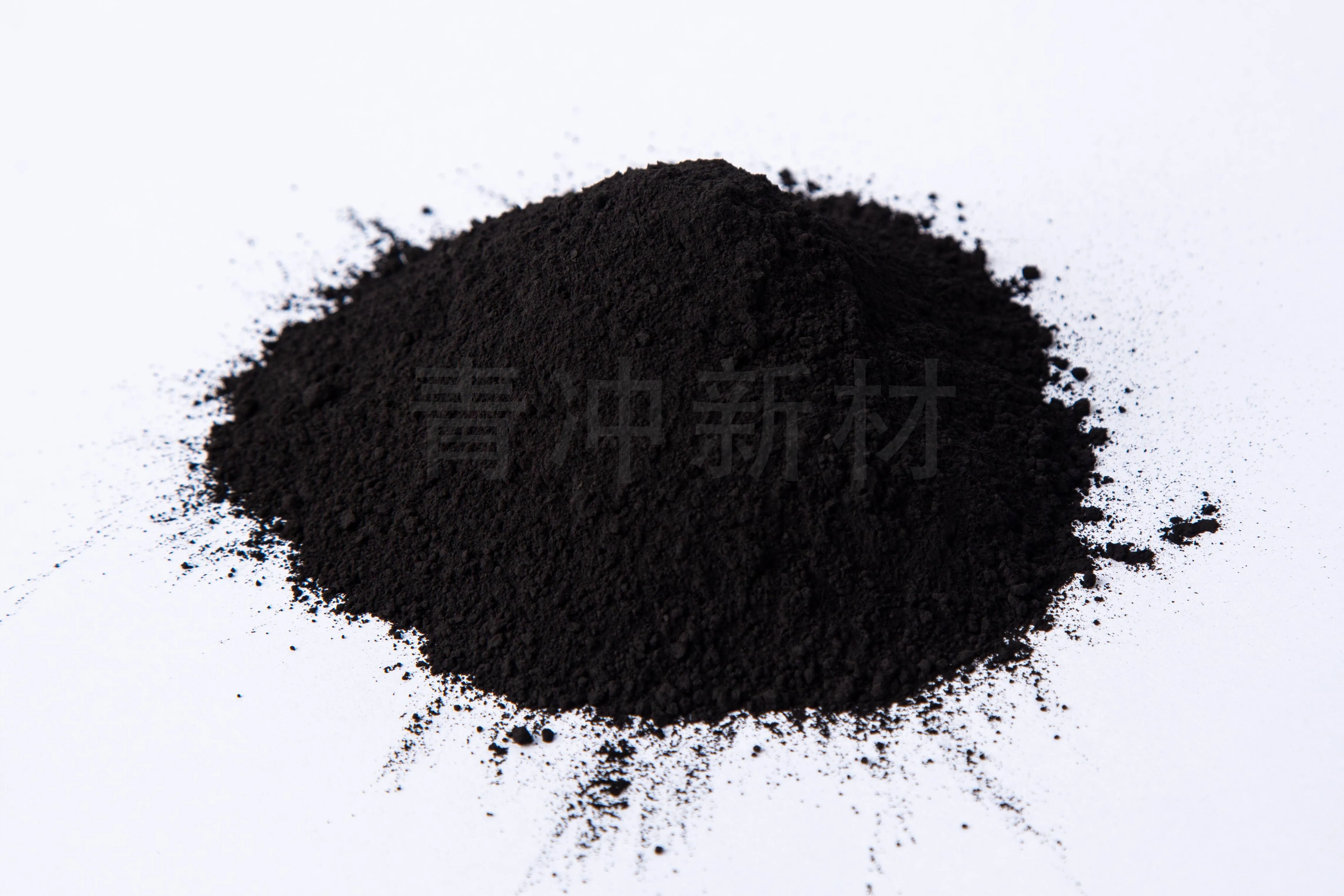
Electrolytic manganese dioxide is used as a cathode active material in battery systems, including common AA formats. In a battery, the cathode material participates in the electrochemical reactions that produce electrical energy. The word “electrolytic” identifies the material type, but it does not tell a buyer all the details that affect manufacturing behavior or cell performance. Grade-specific properties and the chosen battery chemistry still matter. AA describes a cell size, not a single internal design. Alkaline and zinc-carbon AA batteries, for example, use different chemistries and formulations. EMD intended for one design should not automatically be assumed suitable for another. Formulation, mixing, electrode preparation, and the rest of the cell construction determine how the material behaves in the finished battery. For this reason, buyers should evaluate the actual EMD specification alongside their own process requirements and test protocol. QingChong identifies itself as a manganese dioxide and compound manufacturer with integrated R&D, production, and sales. However, no product datasheet or grade-specific electrochemical information was supplied here. Ask for those details before treating this description as a technical approval. A manufacturer’s general experience provides useful supplier context, while product documents and controlled battery trials establish whether the material works in a specific AA design.