productlist

EMD Producers: What to Verify Before You Buy

EMD producers

EMD, or electrolytic manganese dioxide, is a manganese-based material commonly specified for battery cathodes. Buyers searching for EMD producers usually need more than a company name: they need to establish whether a producer offers the required material, whether its specifications suit their process, and which documents support that assessment. A supplier’s broader manganese-chemical experience is relevant, but it does not replace confirmation of an EMD grade. QingChong New Materials is a Chinese manganese-chemical manufacturer with integrated R&D, production, and sales operations. It is based in the Xiangtan Manganese Mine area, a major manganese production base, and reports more than 20 years of industry experience. That background makes the company worth assessing if you source manganese materials. No EMD product sheet, grade, test results, or availability details were provided for this page, however. Before treating QingChong as a match for an EMD purchase, ask the company to confirm that it supplies EMD and provide the specification for the proposed grade. The sections below set out what to check and what to include in that inquiry.

Technical Detail

Configured around process stability, mold life, and long-term uptime.

For a buyer, the useful distinction is between a manganese-chemical manufacturer and a verified source for a particular EMD grade. QingChong New Materials describes itself as a high-tech manufacturer integrating R&D, production, and sales. Its location in the Xiangtan Manganese Mine area connects it to one of China’s established manganese production bases. The company also reports more than 20 years of industry experience and maintains a website in 14 languages for international audiences. These are concrete points to consider when building a supplier shortlist; none establishes the properties of an unlisted EMD product. An EMD purchase normally requires agreement on the exact material designation and a written basis for acceptance. Ask QingChong whether the offered material is electrolytic manganese dioxide, which grade it would propose, and what product specification and batch documentation are available. If you already have an approved specification, send it rather than relying on the term “EMD” alone. Buyers responsible for battery materials may also need to review impurity limits, moisture, particle characteristics, and electrochemical performance against their own application requirements. No values for those properties have been supplied here, so they should not be inferred from the company’s manganese-chemical background. QingChong’s integrated organization may make it a relevant contact for a technical discussion, while the purchasing decision should rest on the proposed grade and verifiable documentation.

Electrolytic Manganese Dioxide (EMD)

What the “Electrolytic” in EMD Tells You

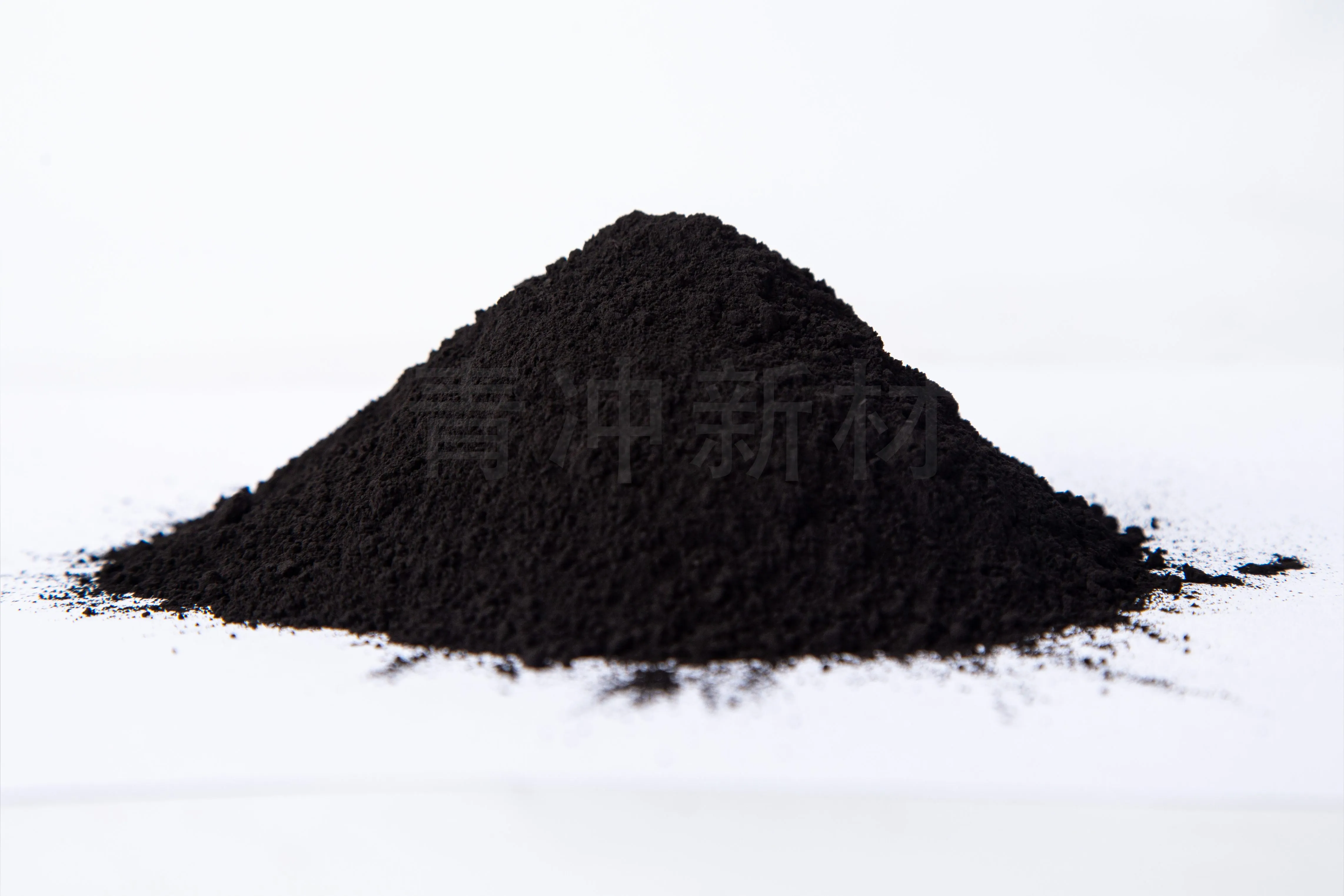
EMD refers to manganese dioxide produced through an electrolytic route. That production route matters because buyers often specify EMD for an intended electrochemical use rather than asking for manganese dioxide solely by chemical name. The name alone does not describe every property that affects a finished cell. Two materials identified as EMD can still require separate evaluation under a buyer’s formulation and test method. Start by separating three questions: Is the offered material actually EMD? Which specification applies to the offered grade? Which test results describe the batches you would receive? Depending on the application, a technical review may consider composition, impurity profile, moisture, particle characteristics, and electrochemical results. This is an explanation of the information buyers typically examine, not a claim that QingChong offers any particular EMD values or grade. QingChong’s manganese-chemical R&D and production background provides context for a technical conversation. Requesting a product sheet and an example of the relevant batch documentation is the way to move from that background to a defined material.
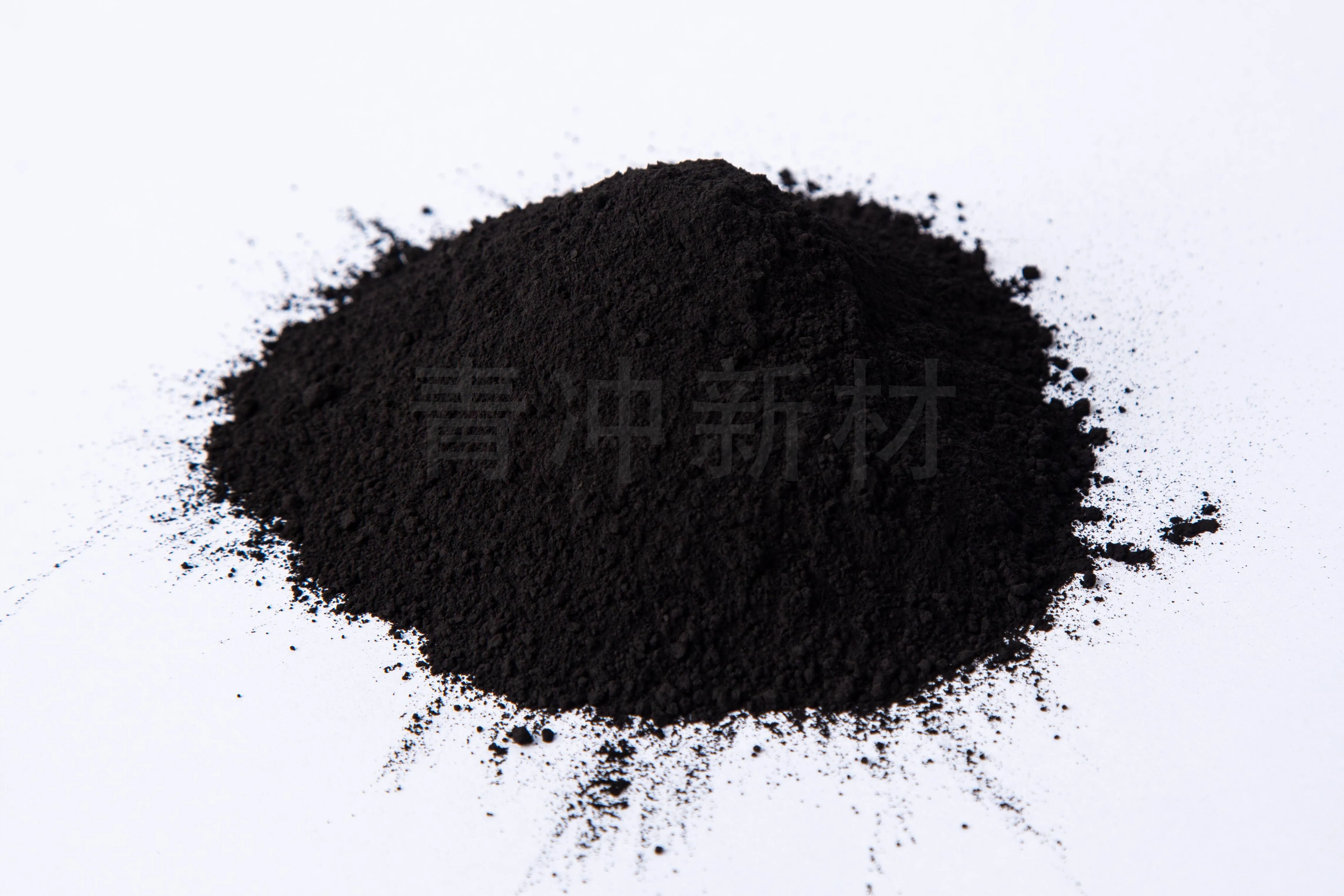
Electrolytic Manganese Dioxide (EMD)

Check the Cell and Process Before Assessing Fit

A material that carries the right chemical name is not automatically suitable for a battery line. EMD is commonly associated with battery-cathode applications, but suitability depends on the cell chemistry, electrode formulation, processing conditions, and the buyer’s acceptance tests. A purchaser making a change to an established line should compare the proposed grade with its approved incoming-material limits before scheduling a production trial. In particular, properties such as moisture and particle characteristics may affect handling or formulation, while the relevant impurities and electrochemical response must be judged against the intended cell. The relative importance of each property is application-specific; no QingChong EMD test data have been provided here to make that judgment. This creates a practical limit on supplier evaluation: the company’s location and manganese-chemical experience cannot establish compatibility with a particular cathode recipe. If the intended use is outside battery production, describe it explicitly to QingChong rather than assuming a battery-oriented specification will apply. A useful decision point is whether the supplier can identify a proposed grade and provide evidence against your application’s stated limits.

Electrolytic Manganese Dioxide (EMD)

Send a Specification-Led EMD Inquiry

An effective inquiry gives a prospective supplier enough information to respond with a defined material rather than a general manganese dioxide offer. State that you require electrolytic manganese dioxide and identify the intended use. Attach your current specification or list the acceptance limits and test methods that govern purchasing. If you are evaluating a replacement material, say which characteristics are mandatory and which can be assessed during a trial; there is no need to disclose confidential formulation details to explain the requirement. Ask QingChong to confirm whether it supplies EMD, identify the proposed grade, and share the applicable product specification and available batch test documentation. You can also ask which quality-system documents are relevant to your supplier-approval process. Keep commercial questions separate until the technical match is clear: provide the destination and expected purchase volume when requesting a quotation, but do not assume a price, minimum order quantity, lead time, or sample arrangement from this page. The immediate next step is a written comparison between your requirements and a documented offer from the supplier. If QingChong cannot confirm an EMD grade, its broader manganese-chemical portfolio should not be treated as an equivalent substitute without your technical team’s approval.

News

Industry updates

Products

Production modules

Why Choose Us

Why Include QingChong in a Manganese-Supplier Review?

QingChong New Materials offers several identifiable points for a supplier assessment, even though an EMD grade still needs direct confirmation. The company brings together manganese-chemical R&D, production, and sales and reports more than 20 years in the industry. It is based in the Xiangtan Manganese Mine area, giving buyers a specific manufacturing-region background to investigate rather than an anonymous trading profile. On quality management, QingChong reports that it passed ISO9001:2008 certification in July 2010. That is a historical certification fact; buyers who need evidence of current certification scope and status should request the relevant documents. The company was certified as a National High-tech Enterprise in September 2019 and has obtained multiple invention patents in cooperation with local universities. Those credentials support a discussion of technical capability, but they do not certify an unverified EMD product. For international procurement teams, the 14-language website and stated global export capabilities may make initial communication easier. The strongest reason to proceed is a documented match: confirm EMD supply, examine the proposed grade, and review its test information alongside your purchasing requirements.

FAQ

Common technical questions

Does QingChong New Materials currently offer an EMD grade?

The supplied company information does not identify an EMD product or grade. Ask QingChong to confirm availability in writing and provide the proposed product specification before qualifying it as an EMD source.

Can I compare two EMD offers using MnO₂ content alone?

Usually not. Use your application specification to compare the full set of relevant results, which may include impurities, moisture, particle characteristics, and electrochemical test data. Check that the suppliers used comparable test methods.

Would EMD intended for one battery design automatically work in another?

No. Cathode formulations and acceptance tests differ. Give the supplier the intended cell application and have your technical team assess the proposed grade against that design’s requirements.

What should our receiving team check when an EMD shipment arrives?

Check the material and grade identification against the purchase order, review the accompanying batch documentation, and apply your established sampling and incoming-inspection procedure. Follow the supplied safety documentation for handling and storage.

Need a solution for your project?

Share your product type, target capacity, and application requirements. Our team can review the details and recommend a practical next step.

Contact Us
Whatsapp
WeChat

CONTACT US

Office Address:21/F,Zhonghan Fortune Building,Ji'an Road, Yuetang District,Xiangtan,Hunan,China

Factory Address: Heling Town, Yuhu District, Xiangtan City, Hunan Province, P.R.China

WhatsApp: 8613786275365

Fax: 86-731-52326088

E-mail: [email protected]