productlist

EMD for AA Battery: Check Grade Fit for Your Cell

EMD for AA battery

An AA battery’s cathode material has to work within the cell’s chemistry and intended discharge profile. Electrolytic manganese dioxide (EMD) is used as a cathode active material in many alkaline battery designs, but the term “EMD for AA battery” does not identify a single universal specification. Grade characteristics and compatibility need to be checked against the battery maker’s formulation and manufacturing process. QingChong New Materials is a Chinese manganese chemical manufacturer integrating R&D, production, and sales. Based in Xiangtan, a major manganese production area in China, the company supplies manganese chemical solutions to global markets. For battery manufacturers evaluating EMD, the practical first step is to confirm which product grade is available and obtain its technical documentation. Then compare the documented properties with the requirements of the intended AA cell, including chemistry, electrode formulation, and discharge conditions. This helps avoid treating a general material category as proof of suitability for a particular battery design.

Technical Detail

Configured around process stability, mold life, and long-term uptime.

EMD for AA battery production is a material specification question, not simply a matter of buying manganese dioxide. In an alkaline AA cell, manganese dioxide participates in the cathode reaction, while the finished battery’s performance depends on the complete formulation and manufacturing process. A grade must therefore be reviewed in the context of the buyer’s existing cell design rather than selected by application name alone. QingChong New Materials focuses on manganese dioxide and related compounds, with more than 20 years of industry experience and integrated R&D, production, and sales operations. The company is located in Xiangtan, one of China’s important manganese production bases, and maintains a quality control system. These are relevant sourcing credentials, but they do not substitute for a grade-specific technical data sheet or application validation. No EMD grade, particle-size range, purity figure, electrochemical rating, or AA battery qualification has been provided for this page. Buyers should request current product documentation and confirm the relevant test methods and values directly with the manufacturer before making a material decision. QingChong’s quality philosophy is that quality underpins an enterprise’s survival, while integrity supports its development. Those principles are most useful to purchasers when reflected in clear specifications, consistent documentation, and direct technical communication throughout material evaluation.

Electrolytic Manganese Dioxide (EMD)

How EMD Functions in an Alkaline AA Cell

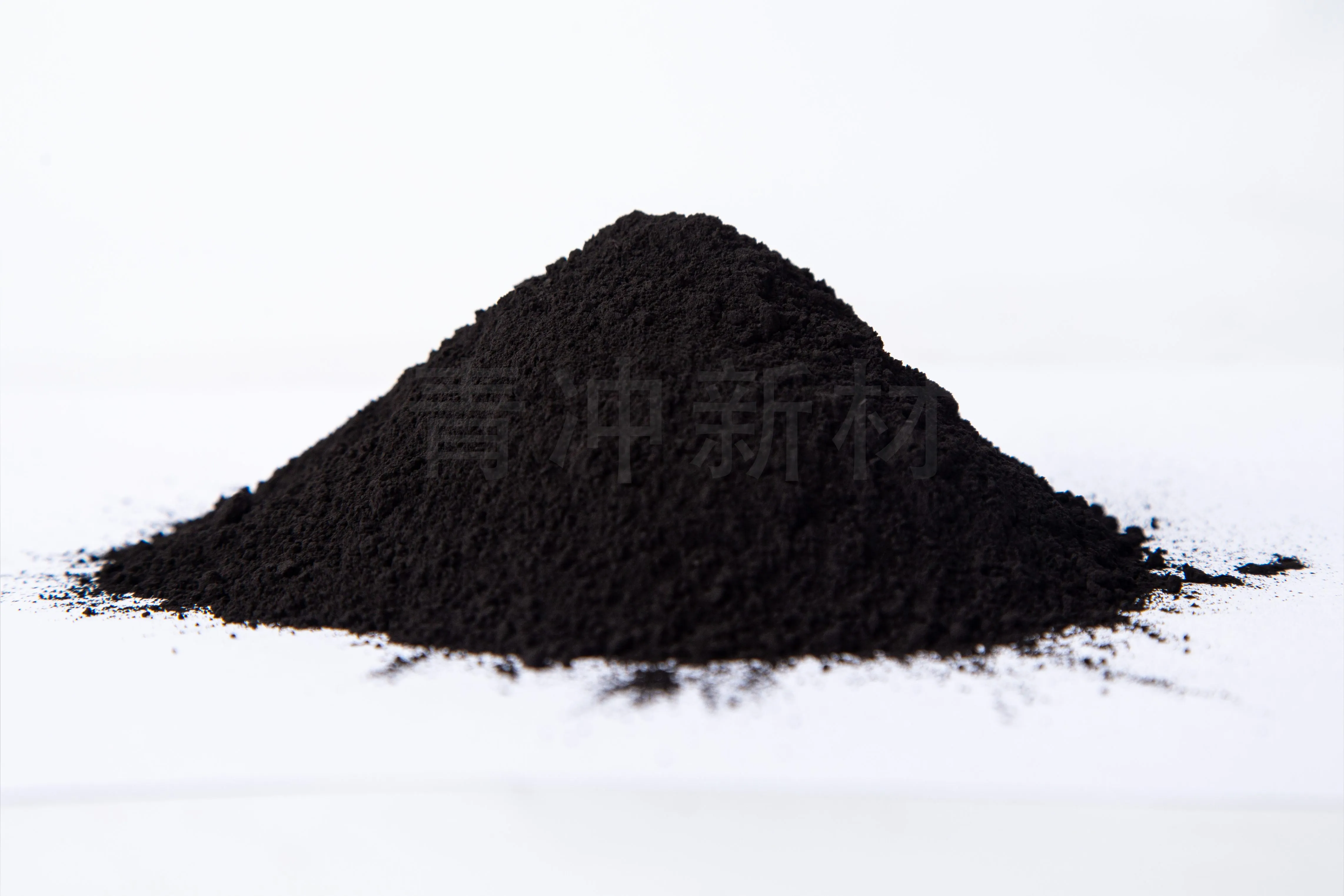
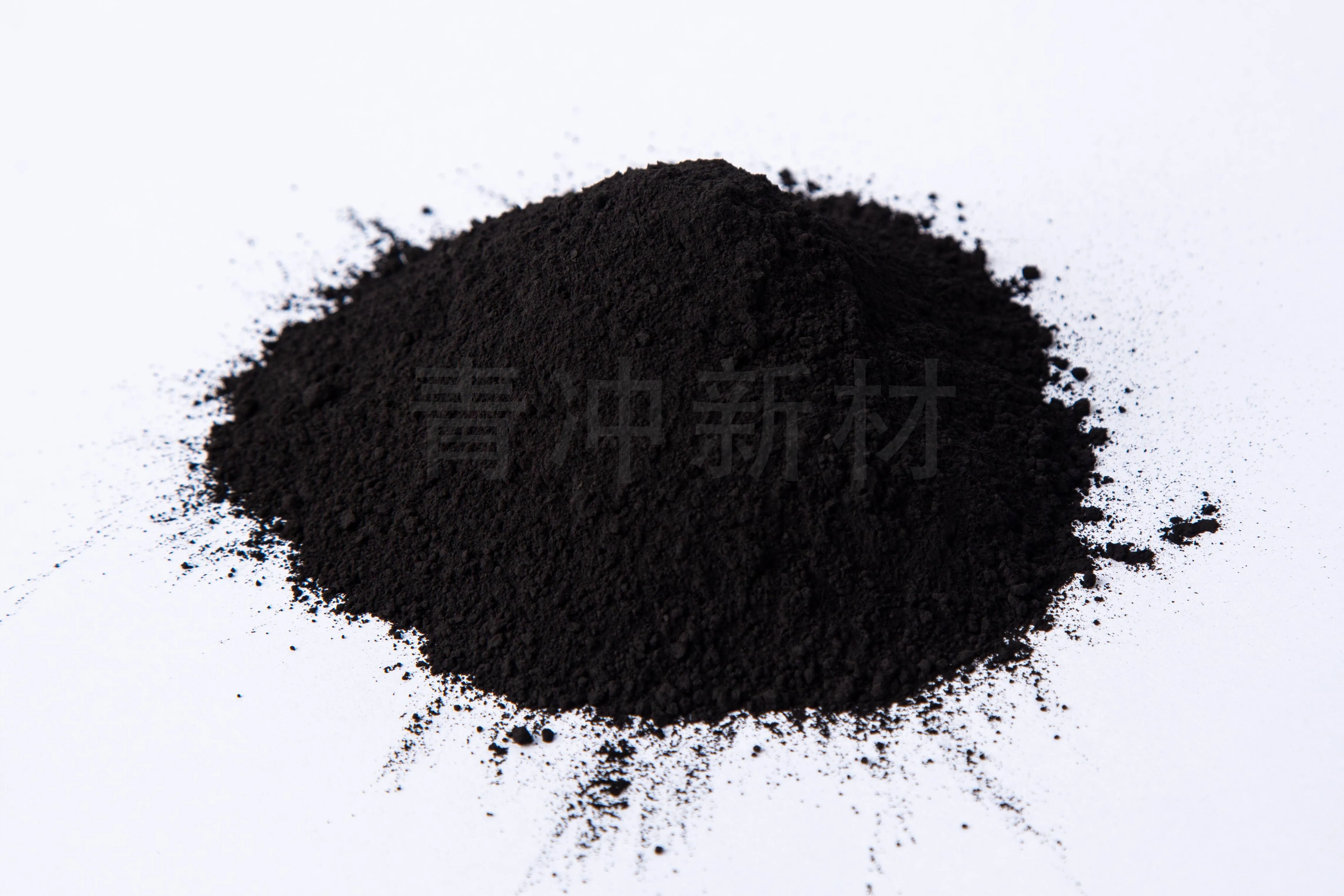
In an alkaline AA battery, EMD serves as the manganese dioxide active material in the positive electrode. During discharge, the cathode reaction takes place alongside the anode reaction, with the electrolyte supporting ion transport through the cell. This role explains why an EMD grade cannot be judged by its chemical name alone: material properties can influence how it behaves in an electrode mix and under the cell’s operating conditions. The battery manufacturer’s formulation, including the proportions and processing of its components, also affects the finished cell. For that reason, a material intended for one manganese dioxide application should not automatically be assumed to suit an alkaline AA design. The available information for QingChong does not specify an EMD grade or provide electrochemical or physical parameters. Ask for the grade’s technical documentation and determine how its stated properties relate to the electrode process used in your plant. If the supplier’s documentation does not identify test methods or application boundaries, resolve those points before running a production trial. This keeps the discussion focused on measurable material behavior rather than an application label.
Electrolytic Manganese Dioxide (EMD)

Match the Material to the AA Cell’s Duty

Whether EMD is appropriate depends on the intended cell chemistry and the way the AA battery will be discharged. A cell designed for intermittent, low-drain use may place different demands on its materials than one expected to supply sustained or repeated higher loads. Temperature during use and storage can also affect battery behavior, so buyers should assess the conditions their product must tolerate rather than rely on a generic “AA battery” description. The potential cost of a mismatch is practical: an unsuitable grade or formulation may lead to poor cell performance, inconsistent production results, or additional qualification work. Those outcomes cannot be predicted from the information currently available about QingChong’s EMD products, because no grade-specific parameters or test results were supplied. Before judging fit, compare the offered material’s documented properties with your cell chemistry, electrode process, discharge profile, and relevant temperature conditions. If any of these differ from the conditions covered by the supplier’s data, treat suitability as unverified and arrange application-specific evaluation. Do not infer alkaline AA compatibility from manganese dioxide content alone.

Electrolytic Manganese Dioxide (EMD)

Information to Confirm Before an EMD Trial

Before requesting an EMD quotation or arranging a trial for AA battery production, prepare a concise technical brief. State whether the cell is alkaline and describe the intended discharge profile, operating and storage temperature range, and electrode-processing requirements that affect material handling. Ask QingChong New Materials for the exact available grade name, its current technical data sheet, the test methods behind listed values, and any documented application limitations. The supplied company information confirms an integrated R&D, production, and sales operation, but it does not establish a particular EMD grade, packaging format, minimum order, price, or delivery schedule. Those details should be confirmed directly rather than assumed. During evaluation, agree internally on the acceptance criteria and compare trial results with a suitable baseline under the same cell formulation and test conditions. Record deviations and seek clarification before scaling a material change. This approach gives both the battery maker and supplier a concrete basis for discussing fit, while avoiding a purchase decision based only on the general term “EMD for AA battery.”

News

Industry updates

Products

Production modules

Why Choose Us

A Manganese Supplier Built Around Quality and Direct Communication

QingChong New Materials brings together R&D, production, and sales within one manganese chemical business, giving buyers a direct route to discuss material documentation and application questions. The company reports more than 20 years of industry experience and is based in Xiangtan, a major manganese production area in China. Its stated quality control system and quality-first philosophy are relevant considerations for purchasers who need to evaluate supplier practices alongside the material itself. QingChong also reports ISO 9001:2008 Quality Management System certification, received in July 2010, and National High-tech Enterprise certification in September 2019. The company was listed on the Hunan Equity Exchange Center in December 2020 under equity code 600362HN, and reports invention patents obtained in cooperation with local universities. These credentials describe the company; they should not be read as proof that a specific EMD grade is qualified for an AA battery. Global buyers can communicate through the company’s multilingual website, which supports 14 languages. For a battery-material decision, the next useful step is a direct technical exchange: request the available EMD grade documentation and establish whether it can be evaluated against your cell design.

FAQ

Common technical questions

Is every EMD grade suitable for alkaline AA batteries?

No. EMD is used in alkaline battery cathodes, but suitability depends on the grade’s documented properties and your cell formulation and process. Request the specific grade data and verify it against your requirements.

Can EMD for AA batteries be used in both low-drain and high-drain cells?

Do not assume that one grade will perform equally across different discharge profiles. Compare the grade documentation and trial results against the actual load conditions and cell design.

What should I send when asking QingChong about EMD for an AA battery project?

Include the cell chemistry, intended discharge profile, relevant operating and storage temperatures, and any electrode-process requirements. Ask for the available grade name, current technical data sheet, test methods, and stated application limits.

Does ISO 9001:2008 certification confirm that a specific EMD grade is battery-qualified?

No. It is a quality management system certification reported by the company, not a product-specific qualification. Battery-grade suitability needs to be established from grade documentation and evaluation under your cell’s requirements.

Need a solution for your project?

Share your product type, target capacity, and application requirements. Our team can review the details and recommend a practical next step.

Contact Us
Whatsapp
WeChat

CONTACT US

Office Address:21/F,Zhonghan Fortune Building,Ji'an Road, Yuetang District,Xiangtan,Hunan,China

Factory Address: Heling Town, Yuhu District, Xiangtan City, Hunan Province, P.R.China

WhatsApp: 8613786275365

Fax: 86-731-52326088

E-mail: [email protected]