EN
EN
 CN
CN
 fr
fr es
es ar
ar ru
ru de
de pt
pt tr
tr vi
vi it
it ja
ja ko
ko hi
hi

Yellow Water After Backwashing? The Problem May Not Be the Manganese Media
Yellow water after a backwash usually means the filter has not restored its treatment conditions or has released accumulated iron solids. Replacing manganese media before checking the process can leave the real fault untouched. For equipment builders and water-utility operators, the fastest diagnosis is to compare raw-water chemistry, oxidant contact, filter loading, bed condition, distribution, and waste discharge in that order. A media sample and a short operating log then show whether the media is exhausted, hydraulically bypassed, or simply carrying over trapped solids.
Start with the symptom, not the media
Record colour and turbidity at raw water, filter outlet during the first minutes after rinse, and stable outlet water. A burst that clears points toward residual ferric floc, incomplete rinse, or retained solids. Persistent colour suggests inadequate oxidation or flow bypassing active media. A grey-black tint or rising manganese result needs a separate breakthrough check.
Take paired samples for dissolved and total iron and manganese. The difference indicates how much metal is particulate. Also log pH, temperature, alkalinity, oxidant residual, flow, pressure drop, and time since backwash. These data distinguish hydraulic carryover from chemical failure.
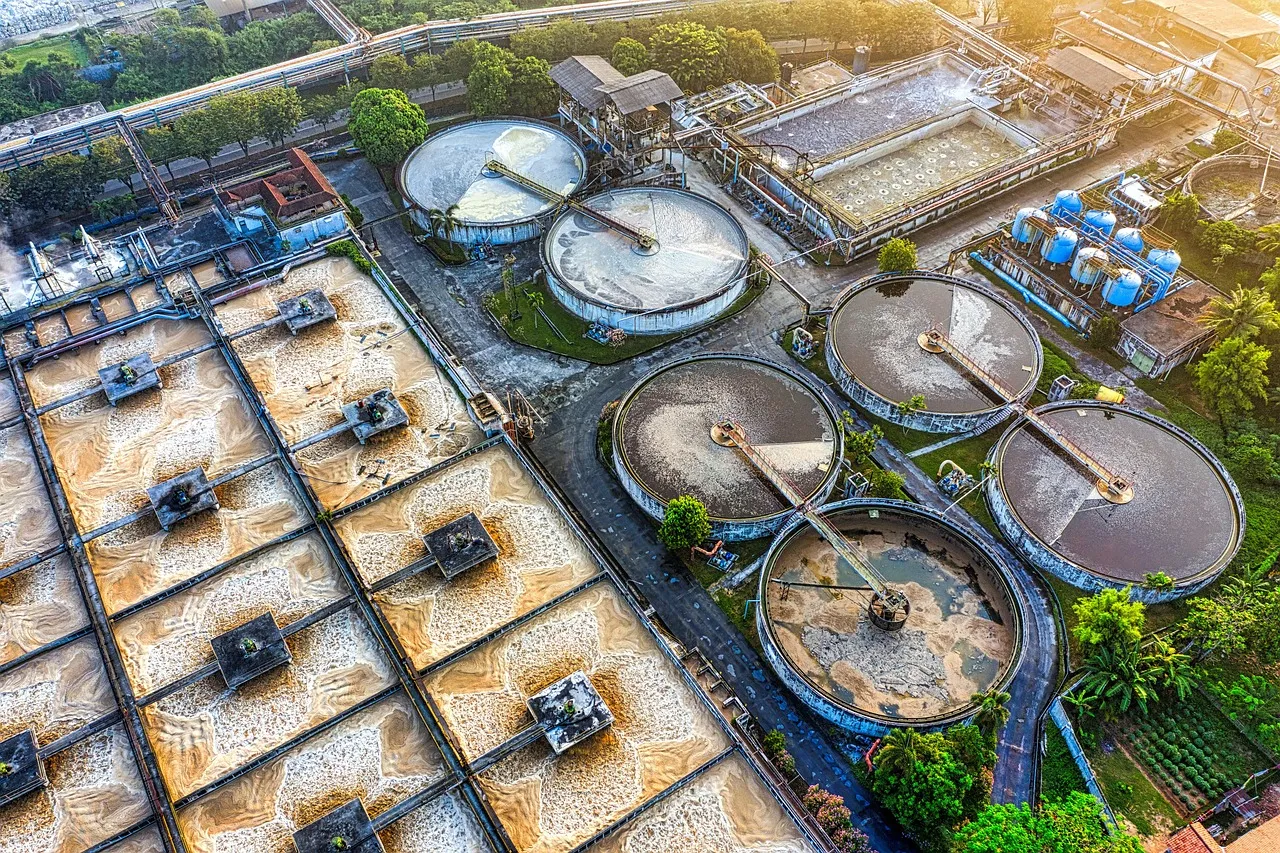
1. Check raw-water iron and manganese variability
Groundwater chemistry can change after rainfall, pumping-rate changes, well maintenance, recharge, or blending. Compare daily or shift results during the failure with design values. Look for higher total iron, a larger particulate fraction, or a manganese increase.
Use load, not only concentration: metal mass per hour equals concentration multiplied by flow. A modest increase at higher production can double solids loading. Sample each well and the blended header, then recalculate contact time and backwash frequency using peak load.
2. Verify oxidation conditions before blaming filtration
Manganese dioxide media promotes oxidation and filtration, but it cannot compensate for an oxidant dose or contact condition that is wrong for the water. Confirm where air, chlorine, ozone, or another oxidant is introduced, and measure residual at the filter inlet rather than at the dosing skid. A pump stroke or analyzer value is not proof that the filter actually receives the intended dose.
Check pH and alkalinity at the same point. Iron oxidation is generally easier than manganese oxidation; a system that removes iron while manganese remains soluble may need different pH, oxidation potential, or contact time. Verify mixer operation, contact-tank short-circuiting, and dosing-to-filtration time. For chlorine, record demand from organic matter and ammonia.
When chemistry shifts, run a controlled jar or column check while holding flow and pH constant. Validate chemical-feed changes against discharge, safety, and corrosion requirements.
3. Confirm actual filter speed and loading
Filter rate is often higher than the design value after a pump change, a valve position adjustment, or parallel filters being taken offline. Calculate the rate from measured flow divided by the filter surface area; do not rely on a nameplate setting. A high rate shortens contact time and increases the chance that freshly formed floc will pass through. It also raises head loss, which can create preferential paths through the bed.
Compare each vessel, not only plant total. A flow imbalance can make one filter yellow while others appear normal. A sudden low differential pressure with poor water quality can indicate channeling; a rapid rise points toward solids accumulation and breakthrough.
Reducing filter rate may improve removal but reduce plant capacity. Before derating permanently, run a short trial and record outlet metals, turbidity, pressure drop, and production volume.
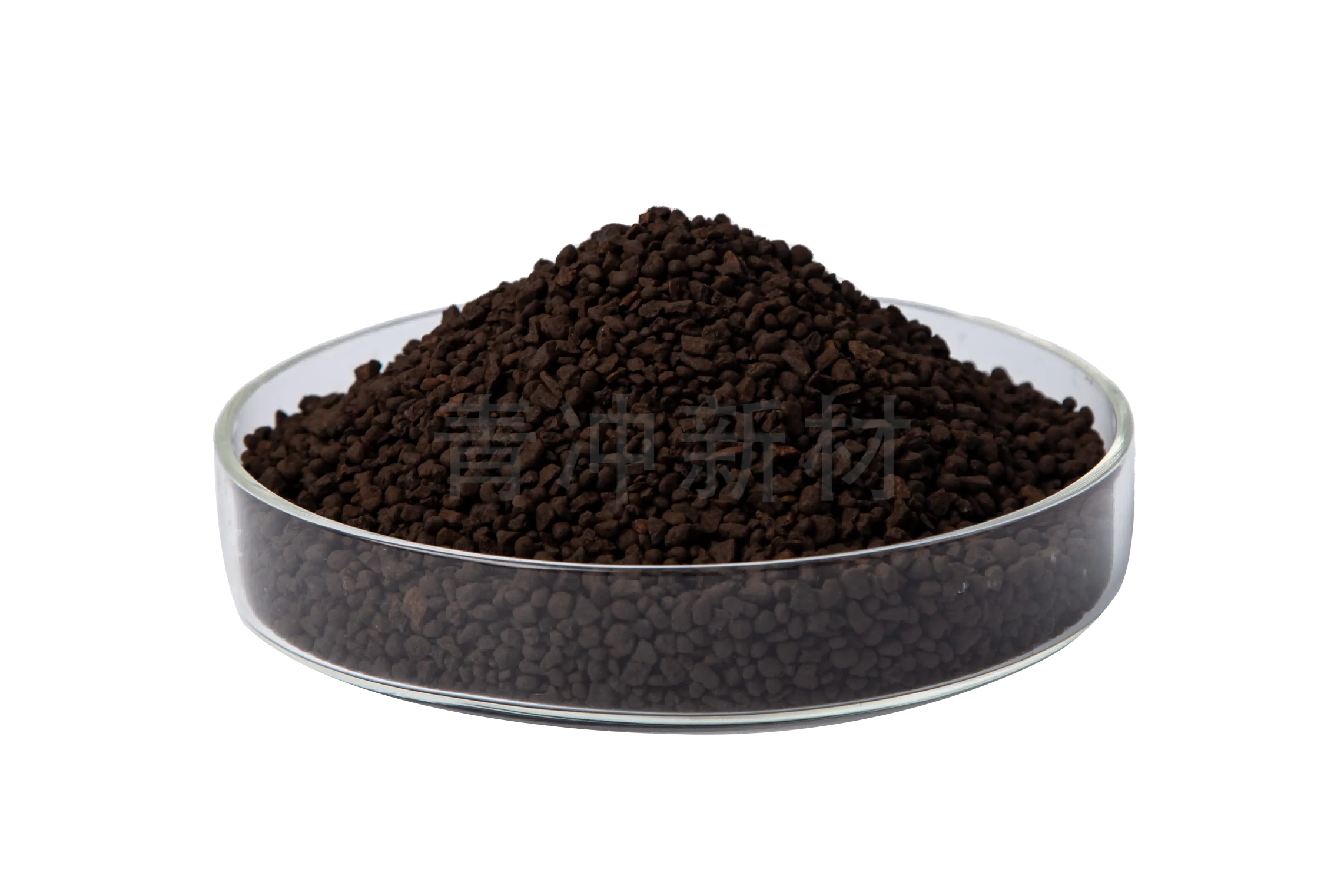
4. Inspect for bed compaction, mudballs, and fines
Open the vessel only after isolation, depressurization, and the site's confined-space procedure. Measure bed depth and inspect for crusting, cracks, mudballs, or a dirty layer. Iron hydroxide and suspended solids can cement grains together, reducing effective area and bed expansion.
Check grain-size distribution and attrition from a representative sample. Excess fines raise pressure loss and can migrate through the underdrain. Do not compare suppliers only by nominal MnO2 percentage: request particle size, insoluble content, moisture, and a mechanical-strength or attrition method where available.
5. Prove that backwash hydraulics actually clean the bed
Backwash must lift and separate grains enough to release trapped solids and carry them to waste. Verify vessel flow, temperature, expansion height, and duration. The correct rate depends on media density, grain size, and temperature; a timer is not hydraulic proof. We recommend that you can use bed expansion and water clarity as operating checks.
Inspect the air-scour grid, if fitted, for blocked laterals and uneven air release. Air before water can break compacted layers, but only when the underdrain and vessel are designed for it. During the water phase, observe whether the bed surface moves evenly. A stationary zone or a violent jet indicates distribution trouble, not a media shortage.
After washing, include a rinse-to-waste step long enough to clear the initial turbidity peak. Return to service only after outlet turbidity and iron meet the plant's acceptance limit. Capture the first-minute sample; stable samples alone can hide a repeatable carryover event.
6. Check underdrain, inlet distribution, and valve sequencing
Uneven inlet distribution creates overloaded and underused zones. Inspect the distributor, inlet diffuser, lateral screens, and support gravel for damage, scaling, or blockage. Confirm all valves reach command position and that the drain is unrestricted.
For multi-vessel systems, confirm automation does not open service before rinse is complete. Trend valve position, flow, and turbidity; timestamps can reveal a control-logic error.
7. Confirm waste handling and discharge capacity
Backwash removes solids only if the waste path accepts them. Check drain flow, sight-glass clarity, and sump level. A blocked screen, undersized drain, or high sump level can shorten the wash and return solids to the process.
A field decision sequence for equipment teams
Use this order during a site visit:
- Sample raw, first-rinse, and stable outlet water for dissolved and total Fe/Mn, turbidity, pH, and oxidant residual.
- Verify actual flow, pressure drop, bed depth, expansion, and drain flow on the affected vessel.
- Check oxidation contact and chemical-feed records against the same timestamps.
- Inspect distribution hardware and the bed for channeling, mudballs, fines, or media loss.
- Run a controlled rate or dose trial, one variable at a time, with agreed acceptance limits.
- Escalate to the media supplier with the data package before changing media.
For a technical review of manganese filter media, send the supplier the vessel diameter, media depth and age, grain-size specification, raw-water range, flow profile, oxidant type and residual, backwash rate and temperature, pressure-drop trend, and photographs of the bed and first-rinse water. Out Manganese Filter Media page provides the product route, and the water-treatment application page explains the intended iron and manganese removal context. Use the contact page for an application-specific review.
FAQ
Should I replace the manganese media first?
No. First separate dissolved-metal breakthrough from particulate carryover using paired samples and a first-rinse sample. Replace or top up media only after checking bed depth, attrition, oxidation conditions, and hydraulics.
What data should an equipment builder request from the media supplier?
Provide Fe/Mn ranges, pH, oxidant regime, flow, vessel geometry, bed depth, temperature, backwash rate, and acceptance limits. Ask the supplier to confirm particle-size range, composition, and the test basis for any recommended grade.
Can a higher MnO2 percentage solve yellow water?
Not by itself. Higher active content may change catalytic capacity, but it cannot correct poor oxidation, excessive filter rate, channeling, or inadequate waste discharge. Confirm the limiting mechanism first.
How can QingChong support a troubleshooting review?
QingChong offers manganese filter media in published composition and particle-size ranges and provides a product inquiry route. Send the operating data and photographs through the product inquiry path so suitability can be reviewed against the actual water and backwash conditions.