EN
EN
 CN
CN
 fr
fr es
es ar
ar ru
ru de
de pt
pt tr
tr vi
vi it
it ja
ja ko
ko hi
hi

Why Dry-Cell Battery Buyers Should Not Purchase EMD by MnO2 Content Alone
MnO2 content screens electrolytic manganese dioxide (EMD), but it is not a battery specification by itself. Two EMD lots can show similar assay results and behave differently in a carbon-zinc or alkaline cell because crystal structure, impurity profile, particle-size distribution, moisture, and electrochemical activity change the cathode mix. A sound purchase decision links chemistry to the battery system, powder behavior, lot-to-lot control, and the factory's electrode process. Use assay to reject unsuitable material; use application data and controlled cell trials to approve it.
Start with the battery system
The first procurement question is not “What is the highest MnO2 percentage?” It is “Which EMD behavior does this cell design require?” Qingchong’s EMD can be used in alkaline and carbon-zinc primary batteries. Alkaline cathodes use EMD with zinc and potassium hydroxide; carbon-zinc formulations may blend EMD with natural manganese dioxide. Formulation, discharge profile, electrolyte, and compaction determine which attributes matter most.
For alkaline cells, compare candidate EMD in the actual cathode recipe and target discharge rates. A powder that performs well at low rate may not show the same polarization under high drain. For carbon-zinc cells, assess compatibility with the NMD fraction, binder, and electrolyte rather than ranking EMD on assay alone. State cell type, size, loading, electrolyte, and discharge protocol in the quotation request. Without these inputs, “battery grade” is too broad.
What MnO2 content tells you, and what it misses
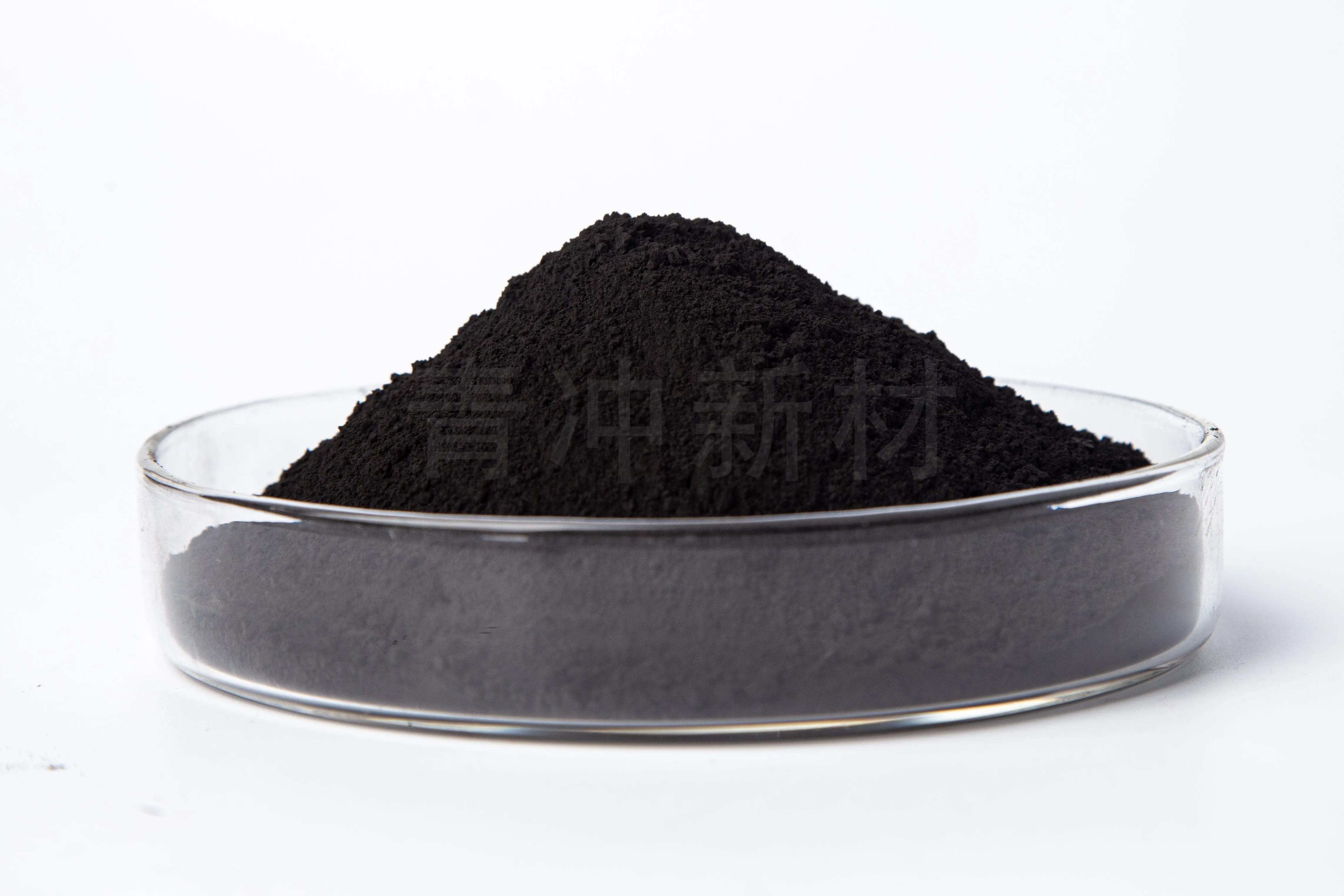
Assay indicates how much manganese dioxide is present. It does not fully describe the oxidation state, crystal phase, available reaction sites, pore structure, or electrochemical utilization. QingChong's EMD specification has MnO2 at 90% minimum, Fe at 200 ppm maximum, moisture at 3% maximum, pH 5-7.5, and a 100-400 mesh particle-size range. These are useful purchasing checkpoints, but the buyer still needs the test methods, sampling plan, and lot-specific results behind each value.
Impurities deserve separate attention. Iron, copper, nickel, chloride, sulfate, and soluble alkali can affect self-discharge, gas generation, electrolyte balance, corrosion, or processing. Request a complete impurity panel with units, detection limits, and method. Set limits according to formulation sensitivity and failure data.
Moisture is similarly process-dependent. Excess water can change mixing viscosity, drying demand, and cathode density; too little or inconsistent moisture can increase dust and alter wetting. Agree whether moisture is measured as received, after conditioning, or by a specified loss-on-drying method. Compare results on the same basis before changing suppliers.
Evaluate crystal and electrochemical characteristics
EMD is an engineered form of manganese dioxide. Its crystal structure and surface morphology influence proton and ion transport during discharge. A certificate that reports only MnO2 percentage cannot confirm that two sources have equivalent electrochemical activity. Ask for the supplier's characterization package, which may include phase identification, surface-area information, oil absorption or pore data, and an agreed electrochemical test.
Do not accept an activity number without its test configuration. Chemistry, loading, current density, temperature, cut-off voltage, and conditioning change the result. For comparison, use one laboratory, recipe, and discharge method; treat different methods as screening only.
Treat particle characteristics as a formulation variable
“100-400 mesh” describes a broad screening range; it does not tell you the full particle-size distribution, D10/D50/D90, span, agglomeration, or fine fraction. Those details affect mixing, packing, pore connectivity, dust generation, and cathode compaction. A finer powder may improve contact area but raise dust and water demand. A coarser distribution may flow better yet leave packing gaps or require a different binder level. The correct choice is the one that produces the required electrode density and discharge result in your process.
Request sieve or laser-diffraction results from a defined sampling method. Check bulk density, tap density, morphology, and flow where feeding equipment is sensitive. A bulk-density change can alter mass delivered by a volumetric feeder even when assay is unchanged.
Run a mixing and compaction trial before approval. Record mixing torque, blend time, moisture addition, density, crush strength where relevant, and dust. Keep formulation fixed so particle effects are not confused with binder or electrolyte changes.
Check batch stability, not only one COA
A single certificate of analysis describes one sample. Battery plants need predictable behavior across the supply period. Ask for several recent lot COAs and the supplier's control limits, not only a “typical value.” Compare assay, impurities, moisture, particle distribution, bulk density, and any electrochemical index across lots. Look for drift, widened ranges, missing test methods, or values reported with excessive rounding.
Define incoming inspection before commercial approval. Identify which tests are release tests, which are periodic verification tests, the sample quantity, the retain-sample period, and the action when a result falls outside the agreed range. For critical attributes, agree on a change-notification rule covering raw materials, process route, equipment, site, or test method. A lower unit price can be offset by line adjustments and investigation time when lot behavior moves outside the established window.
Packaging and logistics also influence stability. Confirm bag construction, liner compatibility, pallet protection, storage humidity limits, and shelf-life start date. Treat undocumented details as written confirmation points.
Validate process fit with a staged trial
Use a three-stage gate. Stage one is document review: formula, impurity panel, particle distribution, moisture method, SDS, COA examples, and change-control process. Stage two is a laboratory cathode trial using the production recipe and agreed discharge tests. Stage three is a controlled line trial with retained samples and defined approval criteria.
Compare more than initial capacity. Track mixing, electrode density, open-circuit voltage distribution, relevant discharge curves, leakage or gas observations, and storage when required. Record temperature, cell construction, conditioning, and sample size.
The trade-off is speed versus confidence. Document-only approval is faster but leaves formulation and lot risks unresolved. A line trial can reveal feeder, compaction, or sealing effects that a laboratory cell misses. Use the smallest trial that exposes the decision risk.
Build a supplier comparison sheet
Score candidates in four blocks:
- Chemistry: MnO2 assay, impurity panel, moisture, pH, test methods, and specification limits.
- Electrochemical fit: phase or structure evidence, agreed activity test, discharge protocol, and data from your cell design.
- Physical behavior: particle-size distribution, bulk and tap density, morphology, flow, dust, and compaction response.
- Consistency and control: multi-lot history, sampling plan, change notification, packaging, traceability, and complaint response.
Do not average these blocks into one score if a single disqualifier can stop production. For example, a strong assay cannot compensate for an impurity outside your cell limit or a particle distribution that prevents target density. Mark such items as gates, then use weighted scoring only among technically acceptable candidates.
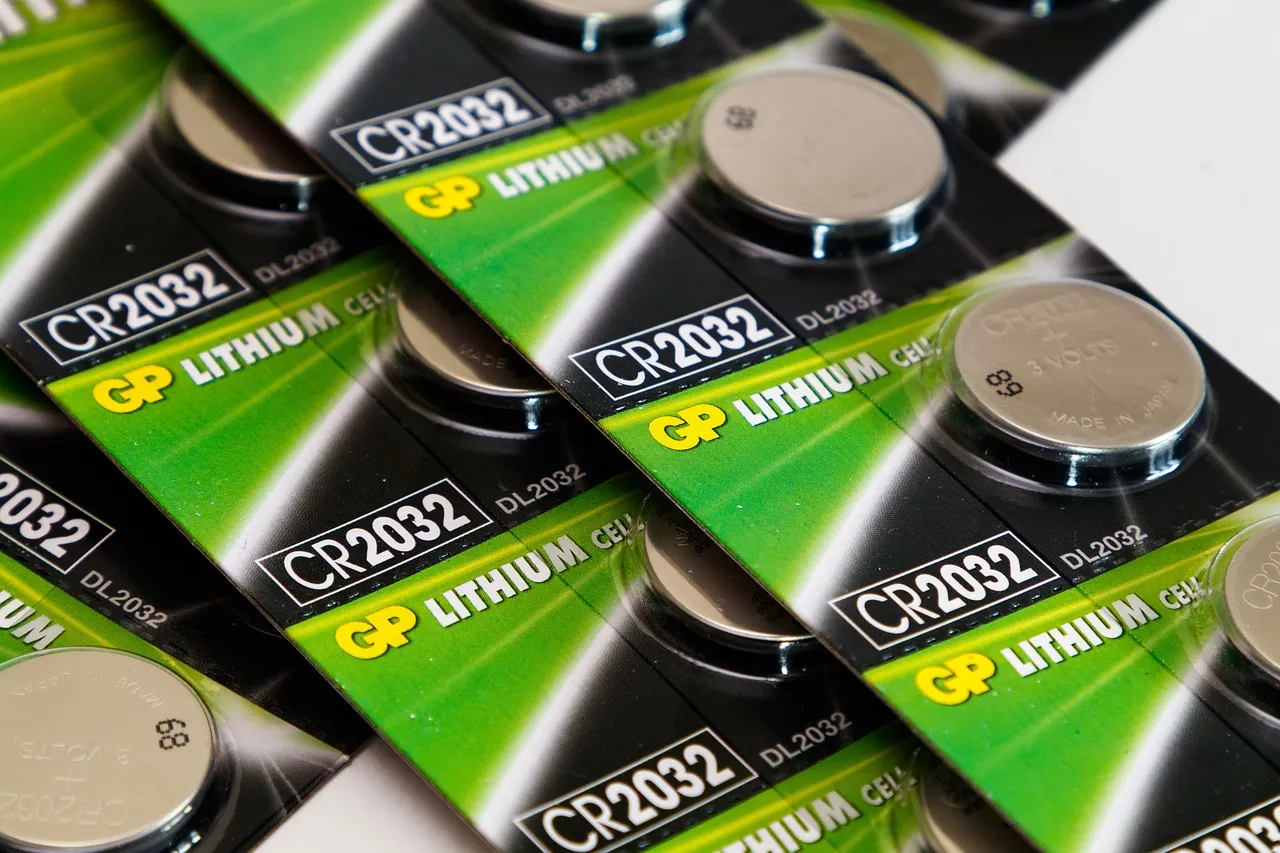
QingChong's EMD is suitable for dry-cell batteries, AA/AAA carbon-zinc batteries, button cells, alkaline batteries, lithium batteries (single-use), etc. For a grade review, send us your cell system, formulation, target loading, discharge method, particle requirements, and qualification plan through the contact route. Ask for lot-specific evidence and a test plan rather than a higher assay number alone.
FAQ
Is 90% MnO2 enough to qualify an EMD lot?
No. It is a chemical screen. Confirm the applicable impurity limits, moisture method, particle distribution, electrochemical test, and performance in your cell formulation before approval.
Should alkaline and carbon-zinc cells use the same EMD specification?
Not automatically. Their electrolytes, cathode formulations, and discharge demands differ. State the battery system and test protocol in the inquiry so the supplier can review fit against the intended application.
Which particle data should a buyer request?
Request the full size distribution with method and sampling basis, plus bulk density, tap density, morphology, and fine-particle information where these affect feeding or compaction. A broad mesh label alone is insufficient.
How many lots should be reviewed before supplier approval?
Review multiple recent lots and define incoming inspection with the supplier. The exact number depends on your quality system and risk, but one COA cannot demonstrate supply stability.