EN
EN
 CN
CN
 fr
fr es
es ar
ar ru
ru de
de pt
pt tr
tr vi
vi it
it ja
ja ko
ko hi
hi

Qualifying MnO2 for Peroxide Catalysis
COA, activity tests, and batch control for hydrogen peroxide processes
To qualify manganese dioxide for hydrogen peroxide catalysis, use three connected controls: a COA that identifies the exact material, an activity test that reproduces your reaction conditions, and batch rules for later shipments. A rapid visual reaction is not enough. It does not show whether the material will meet process limits or behave like the sample after delivery. The question is whether one defined MnO2 grade performs consistently.
Set the decision before you test
First state what the catalyst must accomplish. A process may use MnO2 to remove residual peroxide, generate oxygen, or support an oxidation step. Those objectives create different acceptance criteria. Fast decomposition can be desirable for a quench, but it can be a failure when peroxide must remain available to react with another component. A powder that gives a high initial response can also be difficult to separate, may foam too aggressively, or may introduce unacceptable dissolved manganese into the liquid phase.
Create a one-page qualification brief before contacting suppliers or comparing samples. Record the actual peroxide concentration range, liquid composition, pH, temperature range, mixing arrangement, catalyst form, intended contact time, separation method, and endpoint. Define what will be measured: residual peroxide, gas generation, reaction-specific conversion, dissolved manganese, filterability, or another process-relevant output. Specify whether the material is single-use or recovered and reused. The brief turns "high activity" from an ambiguous request into a testable requirement.
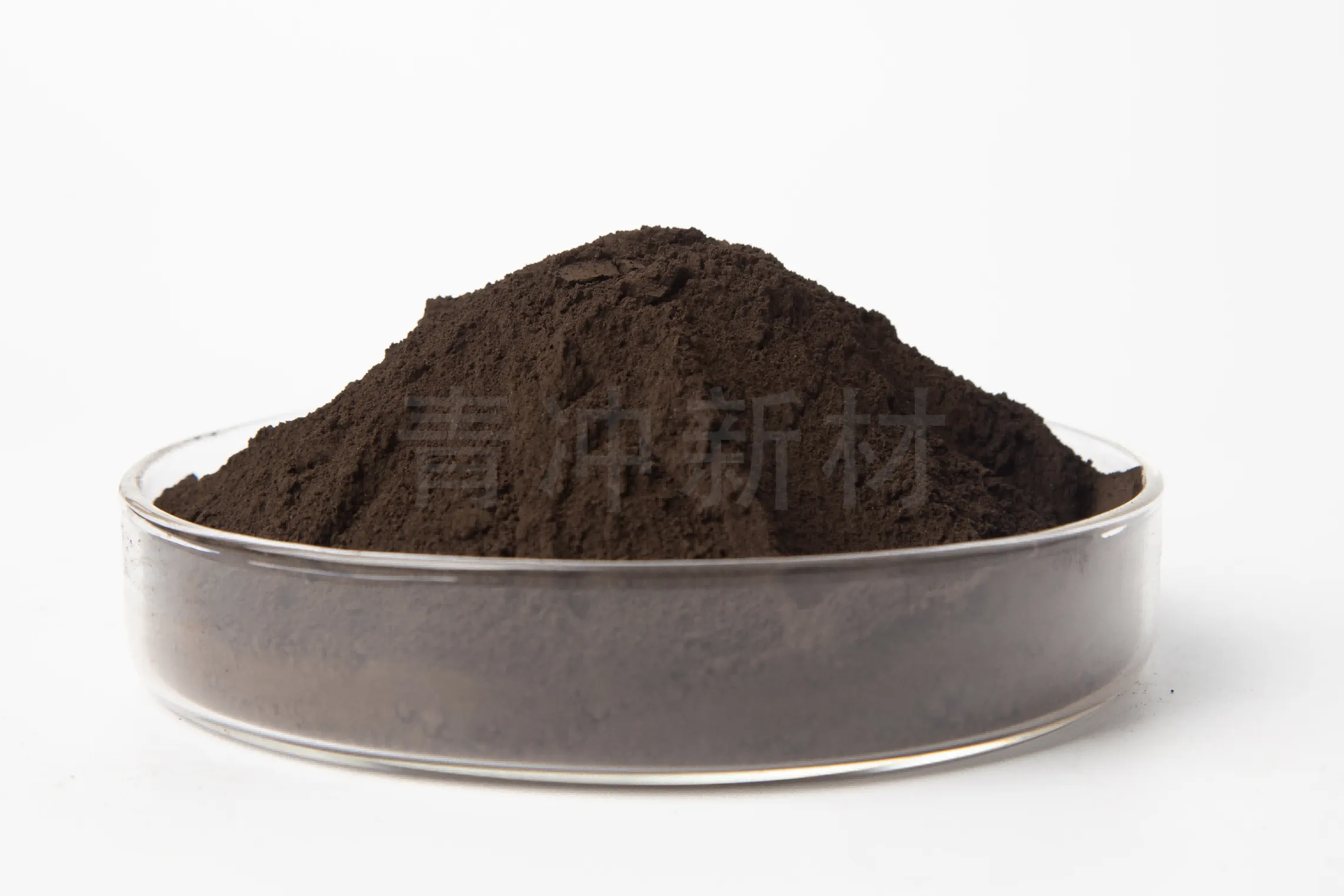
Use the COA as an identity and release record
A certificate of analysis cannot by itself guarantee catalytic performance, but it must prove what was tested and shipped. Request the product name, grade code, production lot, manufacturing or test date, specification limits, actual results, units, and analytical-method references. The lot number on the COA must match the package label and shipping paperwork. If the supplier cannot link those records, do not use the document as release evidence.
| COA or document field | Why it matters in a peroxide qualification | Buyer action |
|---|---|---|
| MnO2 assay and basis | Confirms the stated chemical identity but does not measure accessible catalytic sites | Use it as one release field; do not substitute it for an activity result |
| Moisture or loss on drying | Changes the effective dry-mass dose and can affect handling | Specify the reporting basis and correct the test dose consistently when needed |
| Particle-size data and method | Changes wetting, mass transfer, filtration, and apparent activity | Compare the delivered distribution, not an undefined mesh claim or a ground lab sample |
| Impurity profile | May affect liquid purity, downstream equipment, or the peroxide pathway | Name the elements relevant to your product, wastewater route, and equipment materials |
| Lot identification and retained-sample policy | Connects incoming material to investigation data if performance changes | Keep a sealed receiving retain and record it against the COA and purchase order |
Design one activity test that survives comparison
The activity method should compare materials under one controlled procedure, not reward whichever sample is tested under the most favorable conditions. Fix the peroxide starting condition, liquid volume, reactor geometry, mixing, catalyst mass, addition sequence, temperature, pH, sampling times, and endpoint method. Record the test configuration in enough detail that the same laboratory can repeat it after a new lot arrives. Process-safety review is essential because peroxide decomposition can release oxygen and heat; the test scale, ventilation, materials of construction, and controls must be appropriate to the operation.
Choose a measurement that matches the production decision. Residual peroxide can be measured with a validated titration or instrumental method. Oxygen evolution can be monitored with an appropriate calibrated collection or flow method. A reaction-specific process may require a conversion, selectivity, color, impurity, or filtration measurement as well. Report the result with the test conditions and units. A statement such as "fast catalyst" is not comparable across labs; a controlled response curve or time-to-endpoint is.
Run a blank without MnO2 every time you compare lots. Peroxide can change because of light, temperature, container surfaces, or contamination, and a blank shows the non-catalytic background. Include a retained reference lot in the same run. If both the reference and new lot move together, investigate the reagent, analyst, instrument, or test setup before rejecting a shipment. If only the new lot moves, the evidence points more directly to material or delivery condition.
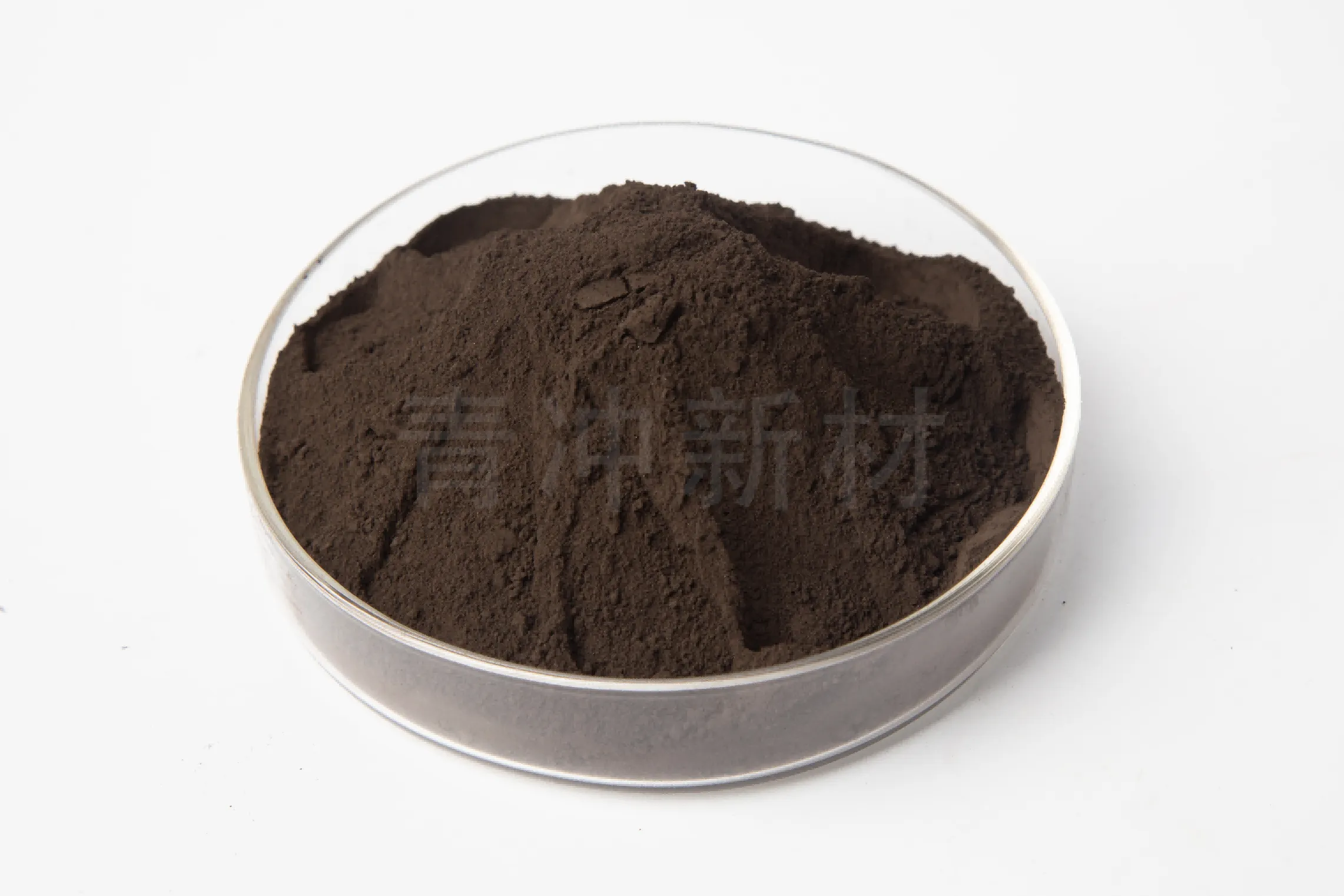
Measure the behavior that creates production risk
Initial activity is only one response. Record induction time, rate profile, total endpoint, gas behavior, foam, temperature response, color change, solids settling, and filtration performance when they affect the process. For liquid-contact applications, measure dissolved manganese or other relevant soluble contaminants when product quality, wastewater treatment, or equipment protection requires it. A grade with a sharper initial rate may reduce cycle time, but it may also make heat removal and oxygen handling harder. A slower rate may be the better process choice when control and separation are the binding constraints.
Test the delivered form. Fine material may increase contact but can create dust, difficult filtration, or loss of solids; a coarser form may be easier to recover while changing mass transfer. Do not qualify a hand-ground laboratory portion if the commercial product will be packed, transported, and dosed differently. Record package condition, opening date, humidity exposure, pre-treatment, and storage time. If the catalyst will be reused, test the recovered material after the same washing, drying, and separation steps planned for production. Fresh-sample data is not a durability claim.
Turn a successful sample into a batch-control plan
After a candidate sample passes, qualify more than one production lot where the purchase risk justifies it. For each lot, capture the COA values, activity result, particle-size result, moisture, delivered appearance, packaging condition, and any liquid-phase check. Use the same protocol, reference lot, and calculation method. Then set acceptance bands based on your validated process requirements, not on an arbitrary percentage around the first sample. The acceptance rule should state whether a lot is released, held for investigation, retested under a defined method, redirected to a lower-risk use, or rejected.
Trend the data rather than storing isolated COAs. A simple lot log can show a slow change in activity, moisture, particle distribution, or filtration behavior before it becomes a production failure. Do not automatically correlate every activity shift with MnO2 assay. First review the blank, reference result, peroxide preparation, temperature record, and analytical check. That sequence prevents a laboratory drift from being mistaken for a supplier deviation.
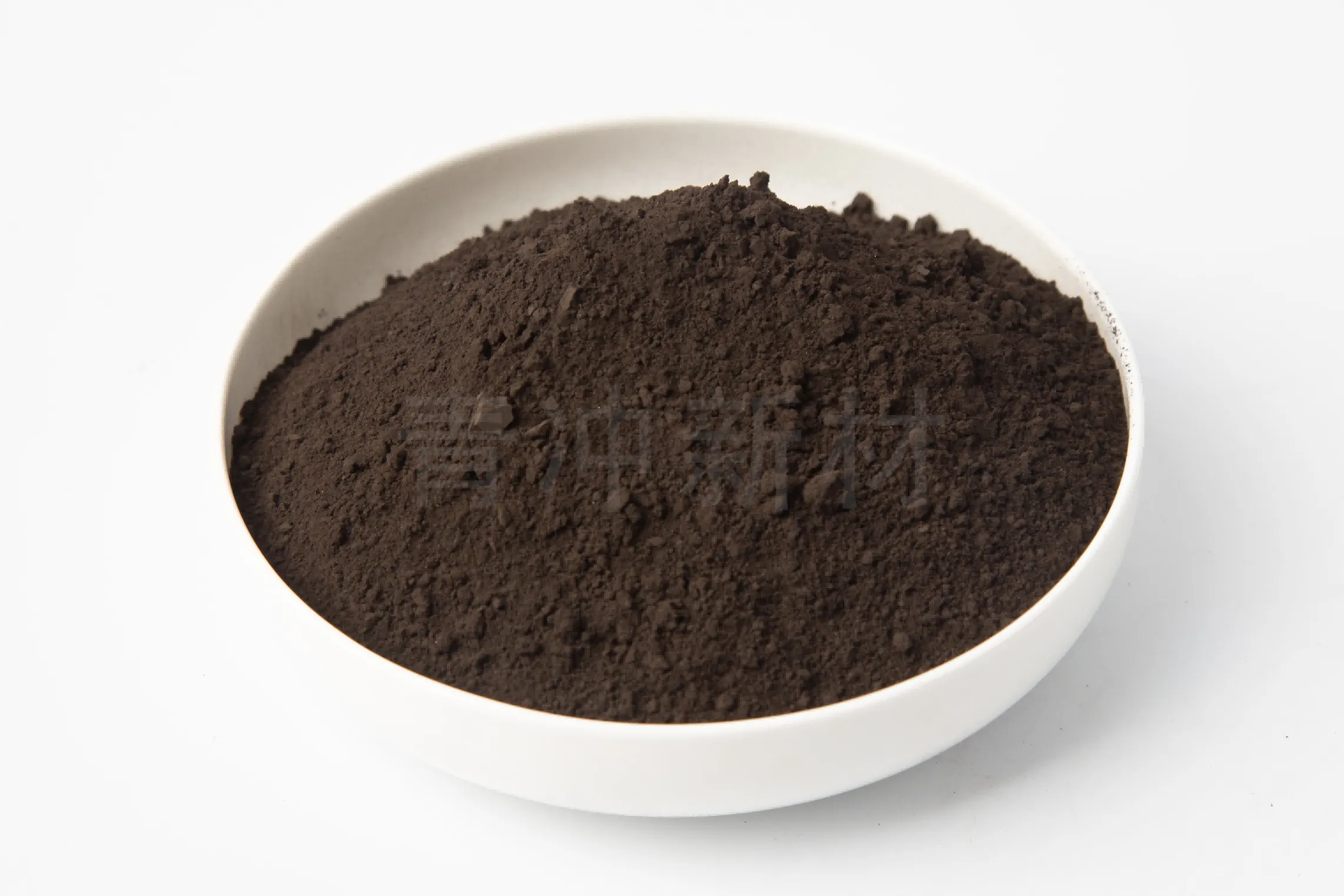
Agree change control before the purchase order
Ask what changes trigger notification: raw-material source, manufacturing route, activation or milling condition, particle-size control, packaging, manufacturing location, analytical method, or specification limit. Agree whether notification is required before shipment, whether a new sample is needed, and what document revision will identify the change. The trade-off is straightforward: a narrow change-control requirement can protect a sensitive process but may lengthen approval cycles; a broad commercial grade may be easier to buy but leaves the buyer with more incoming validation work.
Also agree on the out-of-specification path. Define sampling responsibility, chain of custody, retest conditions, retained-sample access, and the decision-maker for release. Keep a sealed sample from every accepted delivery and link it to the internal test record, COA, purchase order, and production result. When a future batch gives slower decomposition, unusual foaming, or poor filtration, those links are the evidence needed to identify whether the cause is material, storage, transport, or the process itself.
Prepare a meaningful MnO2 qualification request. Send QingChong your peroxide test brief, intended endpoint, separation requirement, impurity concerns, destination, and required document set through the contact page. The supplier can then confirm the proposed product family and current documentation; your own controlled test determines fit for the process. Contact QingChong
FAQs
Does a high MnO2 assay prove high peroxide-catalysis activity?
No. Assay confirms an important composition field, but it does not directly measure accessible surface, particle behavior, wetting, impurities, or activity under your reaction conditions. Use assay as a COA release item and confirm performance with a blank-corrected, fixed-condition activity test.
What is the minimum test evidence for a new MnO2 lot?
At minimum, match the delivery to its grade-specific COA and label, run the agreed activity method alongside a blank and retained reference, and check the physical and impurity fields that affect your process. The exact acceptance thresholds should come from your validated operating window, not from a generic MnO2 listing.
Which QingChong MnO2 product page should I use for a catalyst inquiry?
Start with the activated manganese dioxide or chemical manganese dioxide product path when those product families match the intended function, then submit the reaction brief and required document list. The public page identifies a category; it does not replace application-specific qualification.