EN
EN
 CN
CN
 fr
fr es
es ar
ar ru
ru de
de pt
pt tr
tr vi
vi it
it ja
ja ko
ko hi
hi

How to Evaluate a Mn3O4 Manufacturer: COA, MSDS, and On-Site Audit Red Flags Procurement Teams Should Know
Choosing a manganese tetroxide supplier is not only a price discussion. For ferrite, battery-material, ceramic, brick, and advanced-material buyers, the real question is whether the manufacturer can prove batch consistency, provide usable safety documents, and keep production traceable when orders scale.
Why Mn3O4 Supplier Evaluation Matters
Manganese tetroxide, or Mn3O4, is used in soft ferrites, batteries, bricks, ceramics, pigments, and other industrial materials. In MnZn ferrite production, small changes in manganese content, impurity profile, moisture, or powder behavior can affect calcination, sintering, density, permeability, loss, and final yield. That makes Mn3O4 a strategic raw material, not a simple commodity powder.
The lowest quotation can become expensive if the COA does not match the shipped lot, the MSDS/SDS is incomplete, or the factory cannot explain traceability. Procurement teams should evaluate the manufacturer through three lenses: batch evidence, safety documentation, and on-site process control.
QingChong's Mn3O4 is relevant for buyers comparing manganese compound sources because it sits inside a broader product system covering manganese dioxide, manganese sulfate, manganese carbonate, EMD, CMD, ACMD, and related application knowledge. That helps procurement connect a material inquiry with real downstream use cases instead of treating Mn3O4 as a detached catalog item.
Start With the Specification Window
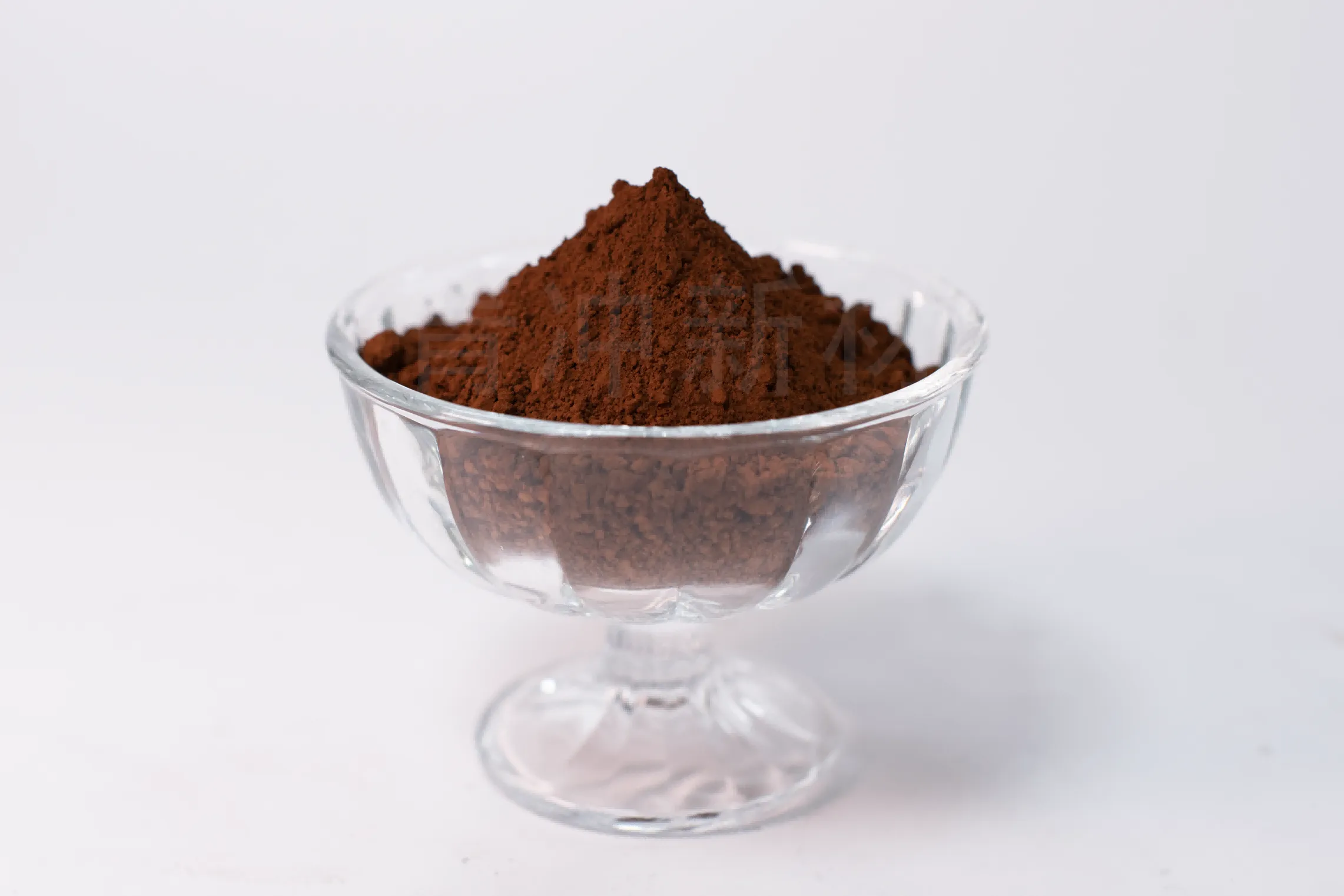
Before requesting samples, define what your process needs. A serious Mn3O4 manufacturer should discuss chemistry, appearance, impurity control, moisture, packaging, and batch stability. For buyer-side screening, the published Mn3O4 data can be used as a verification checklist: CAS 1317-35-7, molecular weight 228.81 g/mol, brown-red powder appearance, manganese 65% minimum, Fe2O3 3% maximum, Al2O3 0.02% maximum, and moisture 0.5% maximum.
Those values are a starting point, not a universal acceptance standard. Ferrite, battery, ceramic, brick, and pigment producers may each care about different limits. If your process is sensitive to iron, aluminum, moisture, particle behavior, or color stability, put those points into the RFQ. A good supplier will discuss measurable limits; a weak one will hide behind vague phrases such as industrial grade or factory standard.
Key Mn3O4 Documents to Request
| Document | What it should prove | Red flag |
|---|---|---|
| COA | Batch-specific test results for the shipped lot. | No lot number, test date, actual values, or method reference. |
| MSDS/SDS | Hazards, handling, storage, PPE, transport, and emergency guidance. | Incomplete sections or unclear manufacturer identity. |
| TDS | Formula, CAS, grade, appearance, technical properties, packaging, and application fit. | Marketing language without measurable limits. |
| Quality records | Evidence of controlled production, testing, and traceability. | Expired, unverifiable, or unrelated certificates. |
| Export documents | Packing, invoice, origin, and buyer-required customs support. | Supplier cannot explain document flow before shipment. |
How to Review the COA
A COA only helps when it connects the delivered batch to real test data. Check supplier name, production or inspection site, product name, formula, CAS number, lot number, production or test date, specification limits, actual results, units, approval signature, and document-control details.
For Mn3O4, do not accept a COA that only says pass. The result column should show measured values for agreed items such as manganese content, Fe2O3, Al2O3, moisture, MgO, CaO, appearance, and any application-specific indicator. Buyers placing repeat orders should trend COA values over time; single-batch review misses drift.
Ask how samples are taken and whether tests are internal, third-party, or both. For ferrite or battery-related applications, independent verification during onboarding is often worth the cost, especially before mass production approval.
COA Red Flags
- No batch number, shipment reference, or production date.
- Results copied from a brochure instead of measured batch data.
- Missing units, methods, or specification limits.
- Only manganese content is listed while impurity and moisture risks are ignored.
- Handwritten edits or unexplained changes between draft and final COA.
- The COA is issued by a trader that cannot identify the producing plant.
- The supplier refuses to explain retain samples, retesting, or complaint handling.
MSDS/SDS Review Points
Many buyers still say MSDS, while SDS is the more current term. Either way, the document should support EHS, warehouse, logistics, and production teams. OSHA's Hazard Communication Standard requires chemical manufacturers and importers to provide safety data sheets, and its SDS format uses 16 sections. That structure is a useful completeness checklist even for global buyers outside the United States.
For Mn3O4, check product identity, CAS number, supplier contact details, hazard classification where applicable, first-aid measures, firefighting measures, accidental-release guidance, handling and storage, exposure controls, PPE, physical and chemical properties, stability and reactivity, toxicology, transport, disposal, and revision information.
Request the SDS early. If your team imports, mills, repacks, blends, heats, or stores Mn3O4 in volume, EHS review may affect approval timing. It is easier to resolve document gaps before the purchase order than after material is already in transit.
COA vs. SDS: Different Risks
| Item | COA focus | SDS focus | Buyer action |
|---|---|---|---|
| Purpose | Batch quality and agreed specs. | Safe handling and hazard communication. | Request both before supplier approval. |
| Owner | Quality, R&D, procurement, production. | EHS, warehouse, logistics. | Route each document to the right internal reviewer. |
| Timing | Per batch or shipment. | Updated when hazard or supplier data changes. | Check COA each shipment; review SDS during onboarding and periodic audits. |
| Red flag | Generic pass/fail data. | Incomplete 16-section structure. | Pause approval until clarified. |
On-Site Audit Red Flags
A factory audit should test whether the supplier can control what it promises. For Mn3O4, review raw-material control, process management, drying and milling, screening, blending, packaging, labeling, warehouse segregation, lab capability, retain samples, nonconforming-material handling, and complaint response.
- Operators cannot explain the grade’s key control points.
- Finished bags lack readable batch codes.
- Different manganese compounds are stored without clear segregation.
- Lab instruments exist, but calibration and test records are missing.
- Retain samples are absent, poorly labeled, or discarded too early.
- Nonconforming material is not isolated or investigated.
- Packaging areas show dust, moisture, or contamination risks.
- Sales staff answer technical questions that QA or production should own.
Questions That Reveal Manufacturer Capability
Ask where the Mn3O4 is produced, whether the grade is standard or customized, how batch size is defined, how sampling is performed, which tests are internal, which are outsourced, how long retain samples are kept, and who signs off before shipment. These questions quickly separate a controlled manufacturer from a broker with limited visibility.
A credible supplier will discuss trade-offs. Tighter impurity control, special packaging, third-party inspection, or customized particle behavior may affect lead time or price. That is normal. The danger sign is a supplier that promises everything immediately but cannot explain how each requirement will be controlled.
Match Evaluation to Application Risk
The same Mn3O4 grade may not fit every process. Electronics and soft ferrite buyers usually focus on stable chemistry, impurity profile, dispersion, calcination behavior, and magnetic-property consistency. Battery-material buyers may emphasize purity, trace metals, process compatibility, and supply continuity. Ceramic, brick, and pigment users may care more about firing behavior, color stability, lot consistency, and cost-performance balance.
For a QingChong inquiry, procurement can frame the use case around battery, magnetic-material, brick, construction-material, electronics, or other industrial production, then ask which COA items, SDS details, sample tests, and audit checks best protect that process.
Pre-Approval Checklist
- Confirm product identity: Mn3O4, CAS 1317-35-7, grade, appearance, and target application.
- Collect TDS, sample COA format, current SDS/MSDS, packaging details, and lead time.
- Clarify standard COA parameters and any extra items your process needs.
- Review SDS with EHS before import, storage, repacking, milling, or heating.
- Ask for traceability, retain-sample, retest, and complaint-response procedures.
- Run lab and pilot trials before mass production approval.
- Compare trial performance with COA data and record sensitivity to moisture, impurities, or powder behavior.
- Agree on change-notification rules before repeat orders.
Need Mn3O4 Documents for Supplier Qualification?
If your team is evaluating Mn3O4 for soft ferrite, battery-material, brick, ceramic, or industrial use, share your target application, specification window, documentation needs, and audit expectations with QingChong so the team can respond with the right grade and supporting materials.
FAQ
What should a Mn3O4 COA include?
It should include product name, formula, CAS number, batch number, test date, specification limits, actual results, units, approval signature, and document-control details. Relevant items often include manganese content, impurity oxides, moisture, appearance, and application-specific indicators.
Is MSDS the same as SDS?
MSDS is the older term many buyers still use. SDS is the current term in modern hazard communication systems. Procurement should request the current safety data sheet and check that it follows the 16-section format.
Can certificates replace an on-site audit?
No. Certificates support screening, but an audit checks whether the production site can actually control raw materials, testing, labeling, storage, traceability, and nonconforming material.
What is the biggest red flag when buying Mn3O4?
Weak traceability. If the supplier cannot connect a sample, COA, shipment, batch record, retain sample, and production site, the buyer has little protection when a quality issue appears.
Final Takeaway
A strong Mn3O4 manufacturer should make quality easier to verify. The COA should prove batch performance. The SDS should support safe handling. The audit should show that production, laboratory, warehouse, and document systems can protect repeat orders. When those three signals align, procurement can move from price comparison to controlled supplier approval.