EN
EN
 CN
CN
 fr
fr es
es ar
ar ru
ru de
de pt
pt tr
tr vi
vi it
it ja
ja ko
ko hi
hi

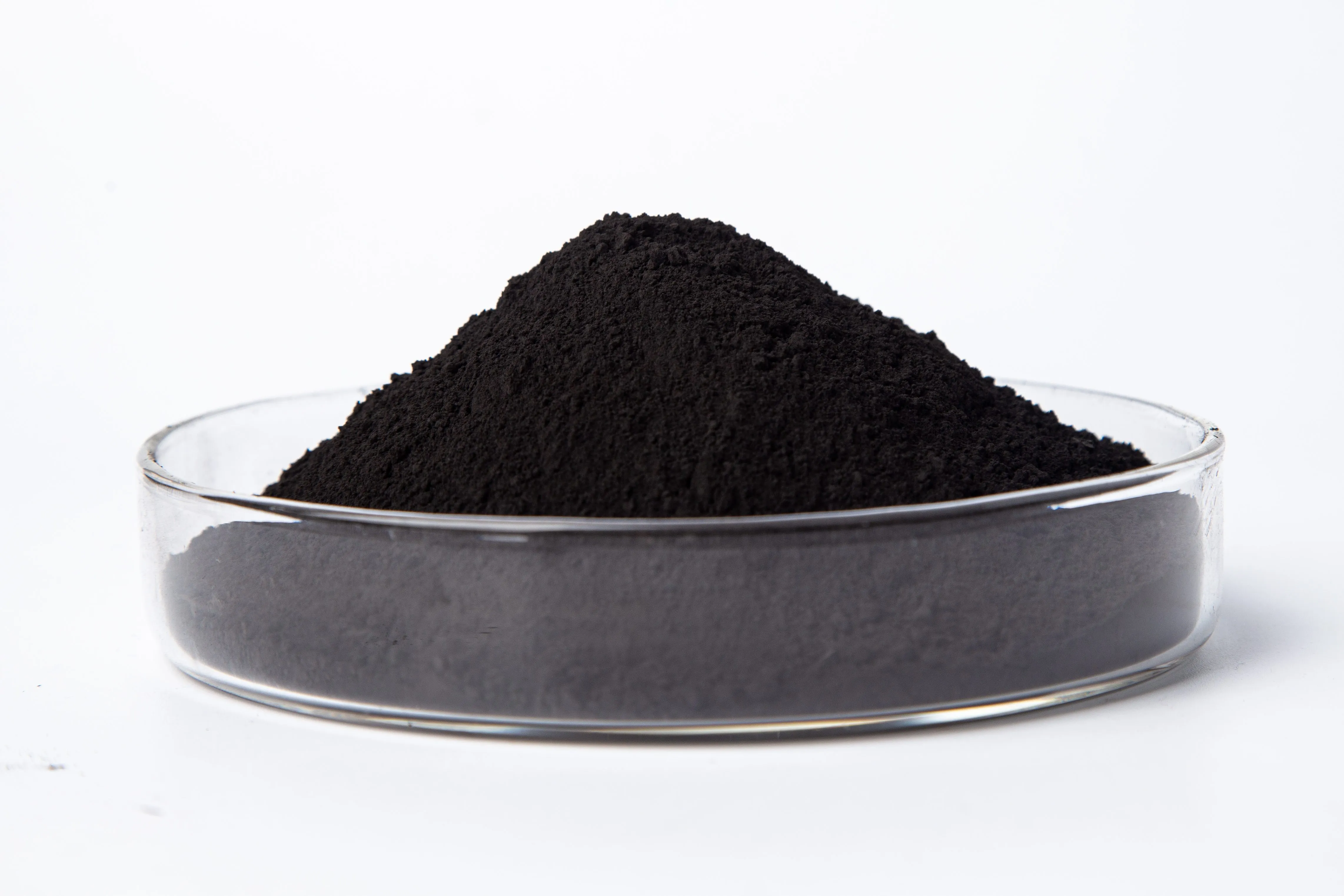
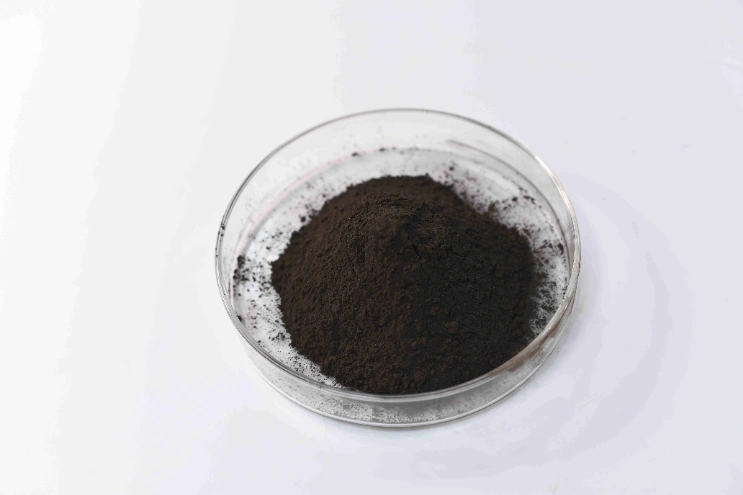
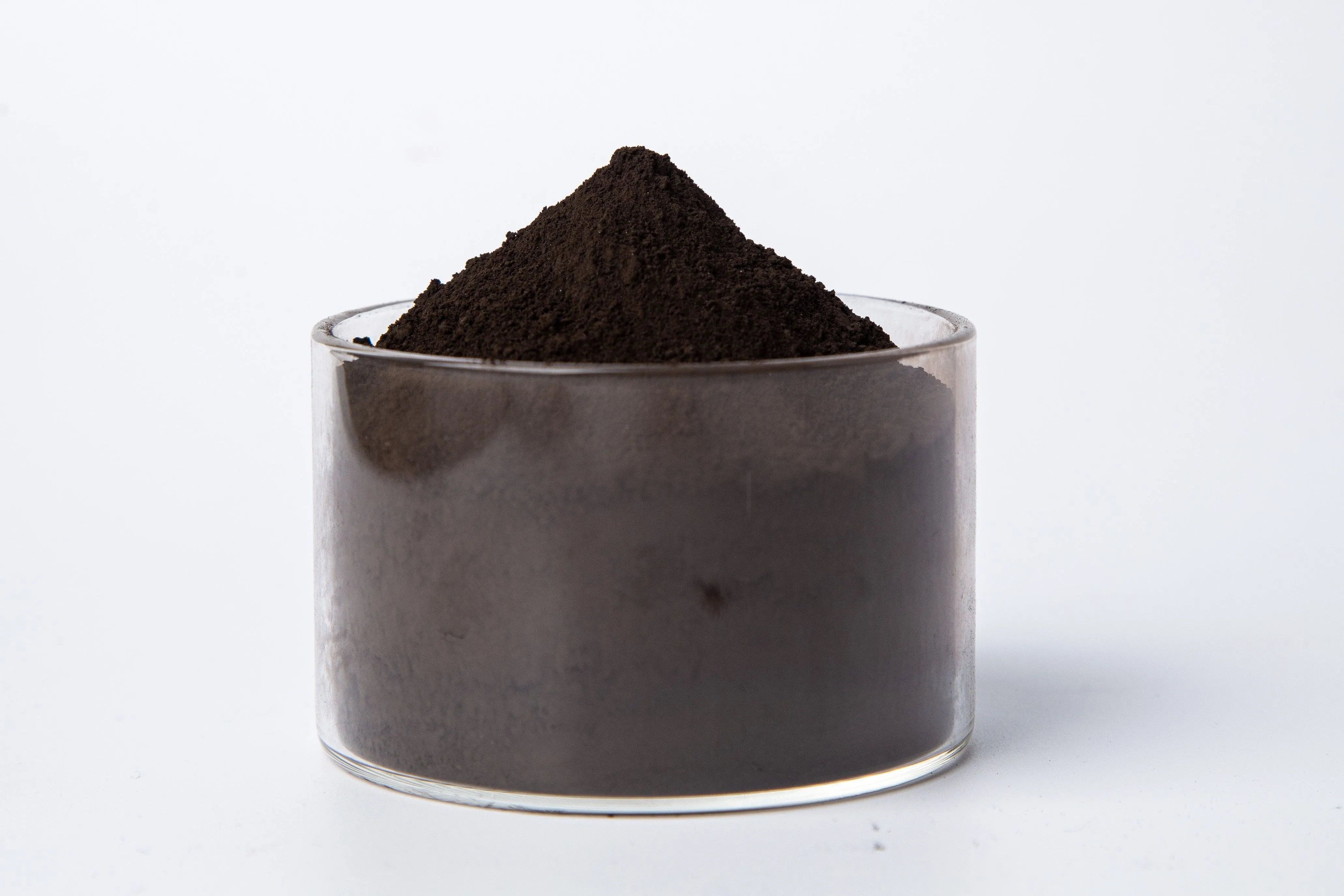
Oxidizing agent activated manganese dioxide
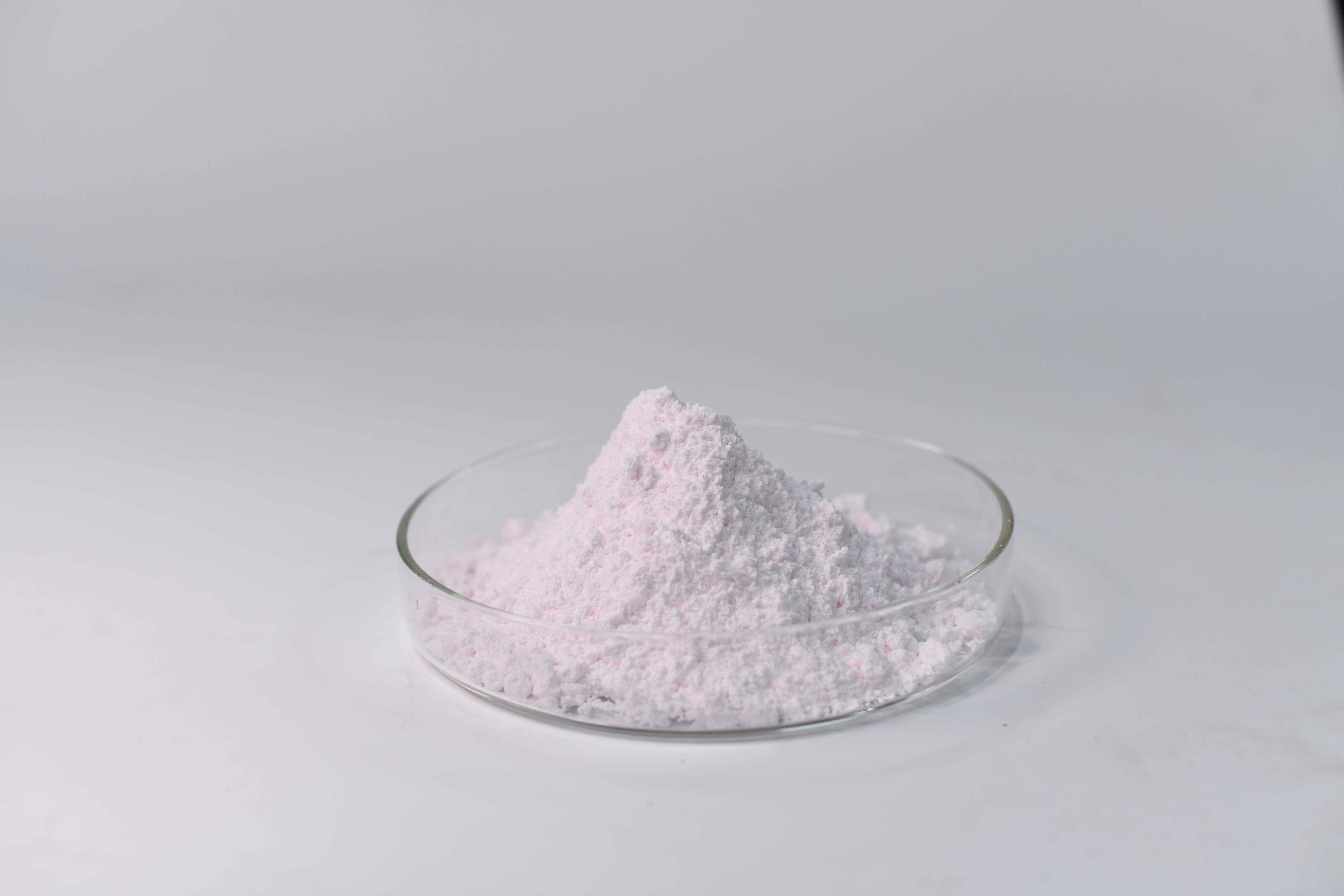
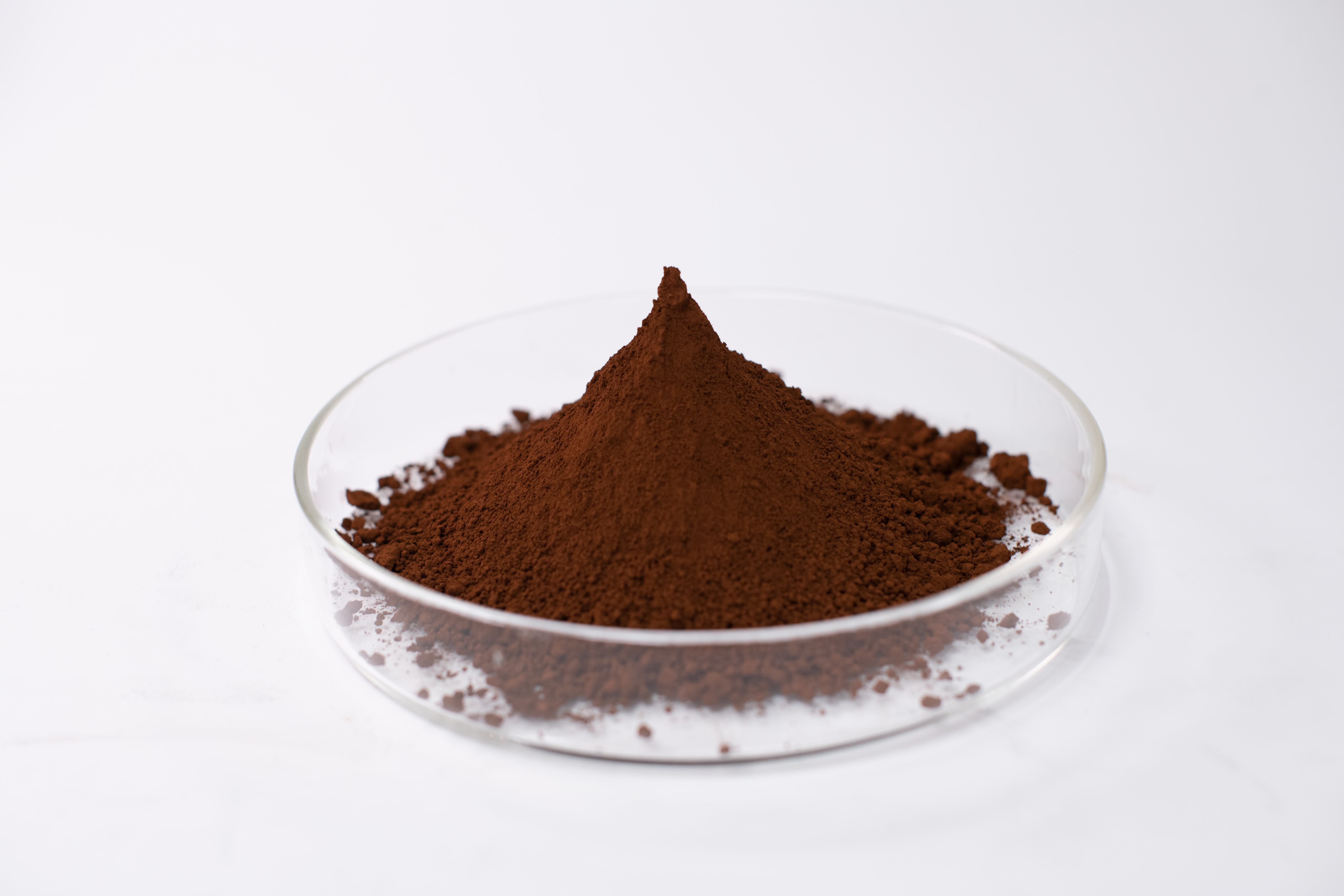
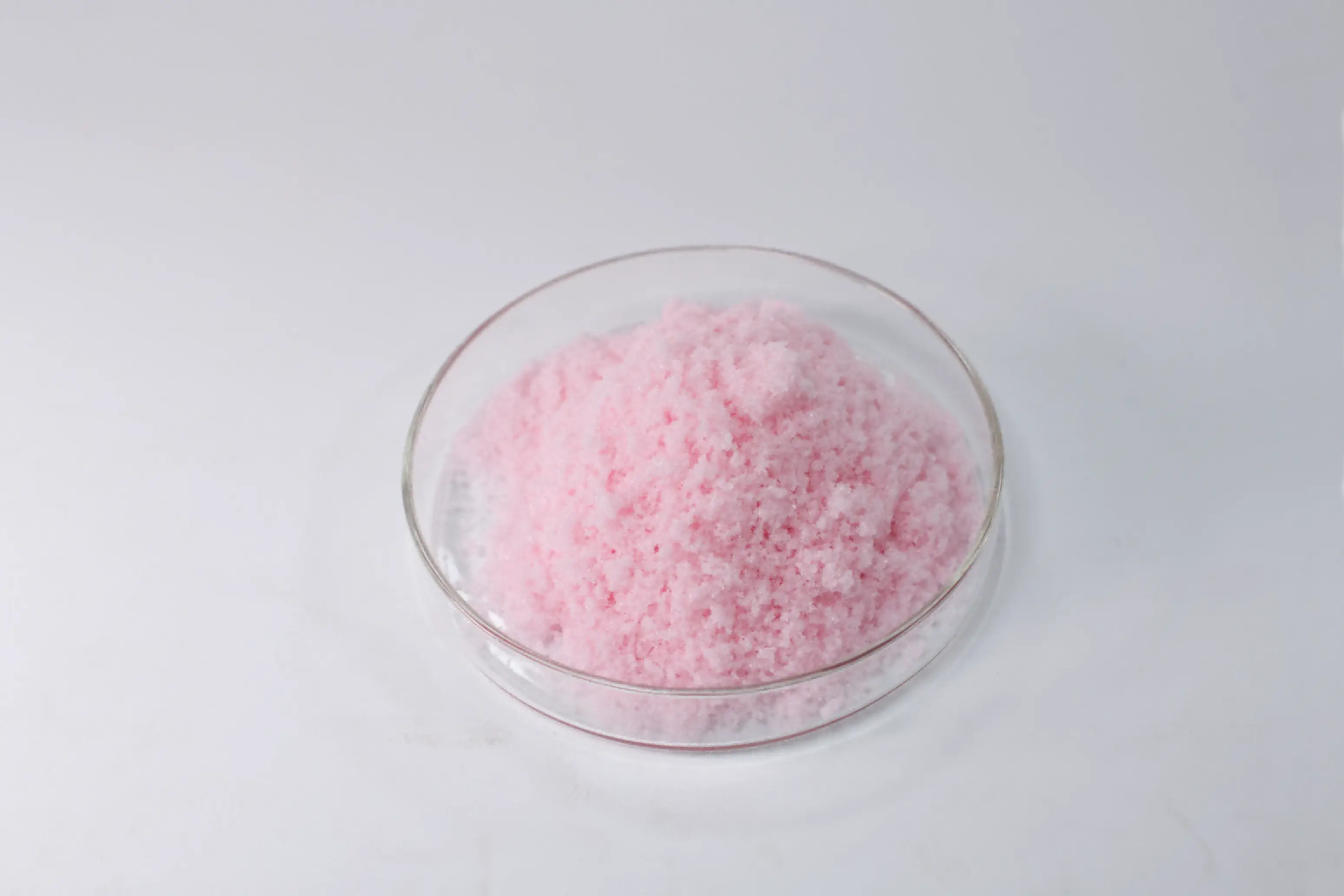
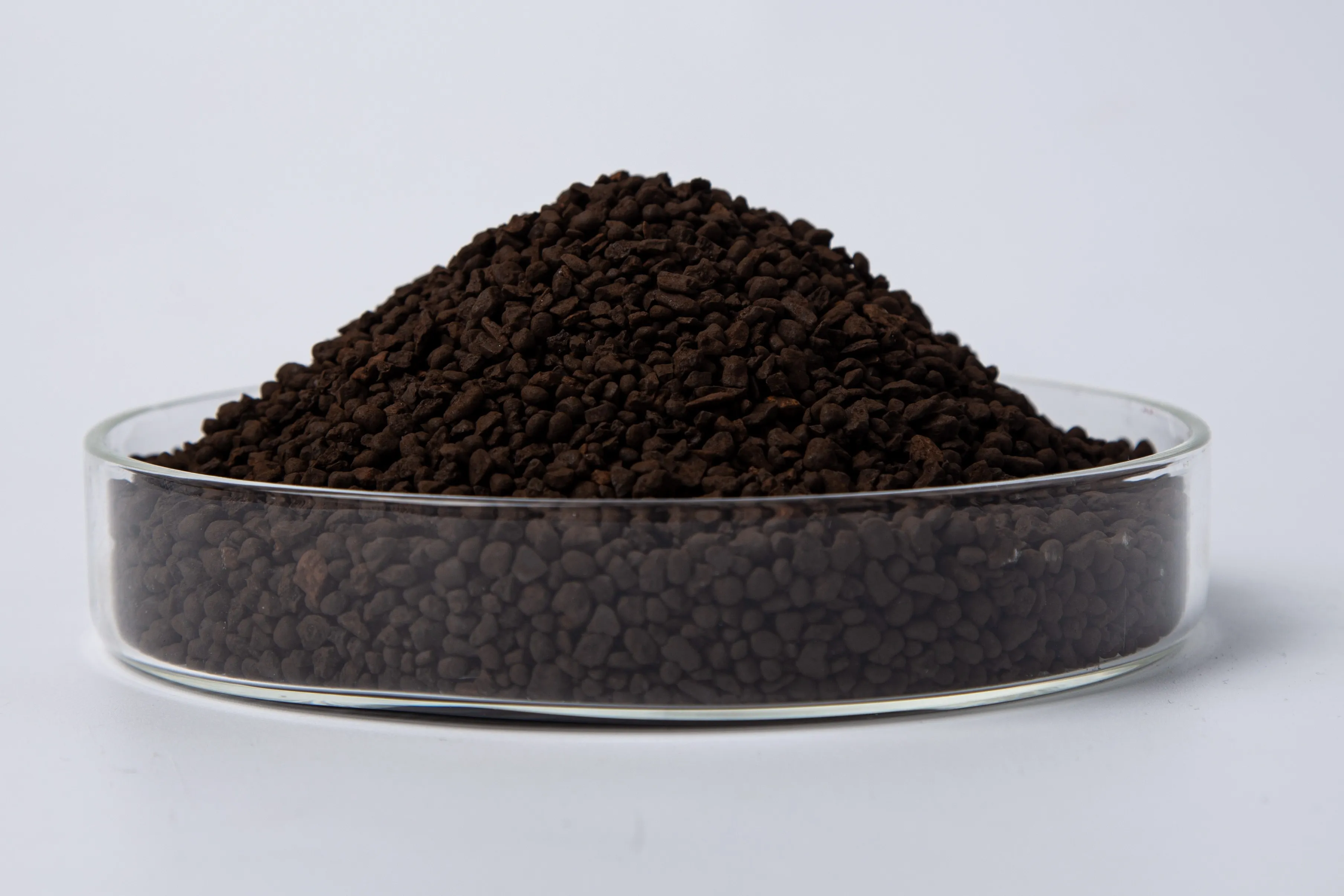
In the technology for the environment, Oxidizing agent activated manganese dioxide is the main element for the removal of contaminants and the degradation of pollutants. The change of Oxidizing agent activated manganese dioxide into reactive manganese oxides allows efficient adsorption of heavy metals and the catalysis of organic compounds. By manipulating surface properties, particle size, and reactivity, treatment efficiency can be optimized by industrial engineers. Oxidizing agent activated manganese dioxide is stable under different pH, temperature, and chemical conditions which guarantee its reliable performance in the remediation of water and soil. Its combination with other treatment strategies not only removes contaminants but also keeps the process cost-effective. The material’s versatility and predictable behavior render Oxidizing agent activated manganese dioxide a pivotal resource in the sphere of sustainable environmental management as well as in the industrial waste treatment applications.

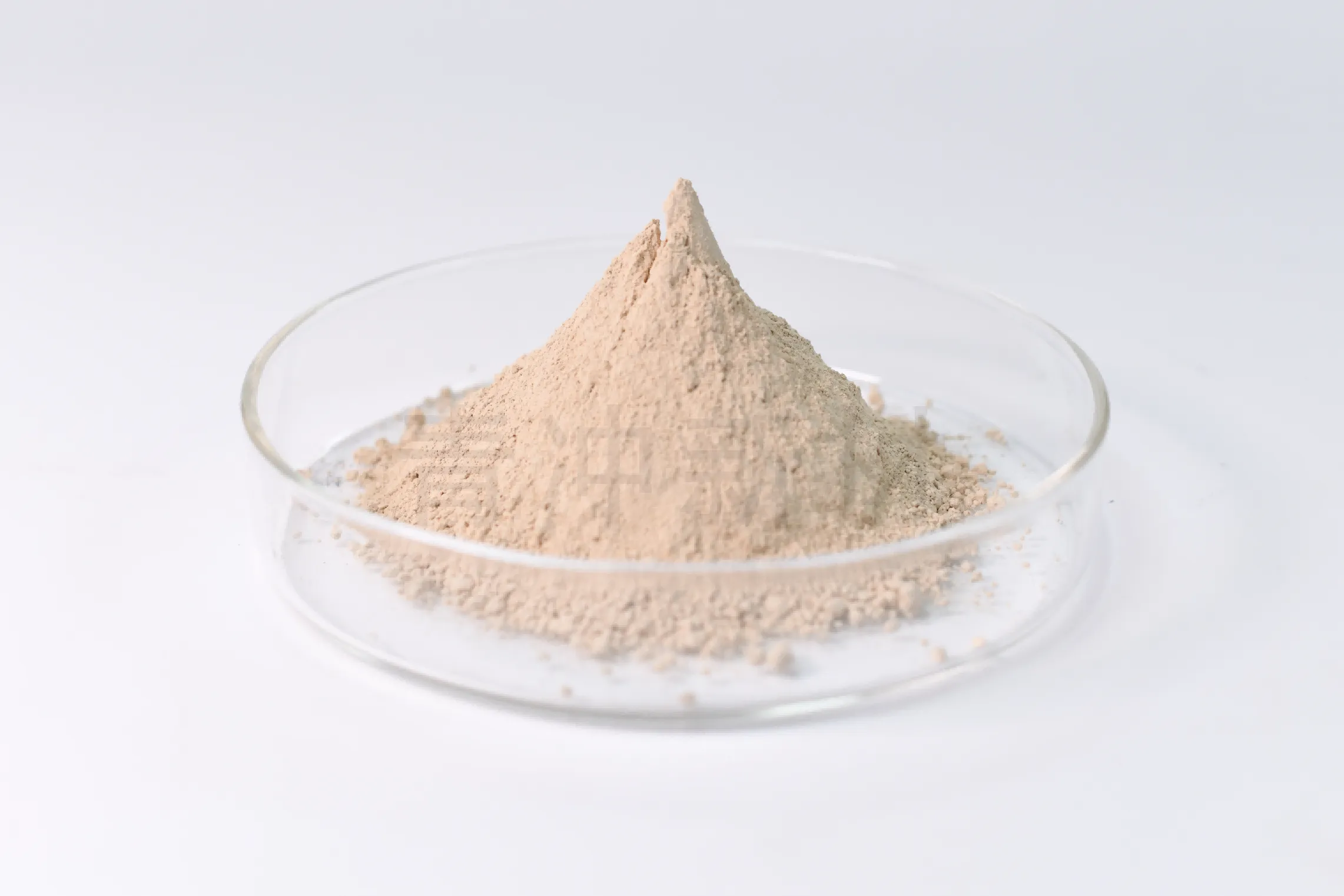
Application of Oxidizing agent activated manganese dioxide
Oxidizing agent activated manganese dioxide is getting more and more common to use in the creation of top-notch coatings for industrial machines and components used in the aerospace sector. Surface treatments with Oxidizing agent activated manganese dioxide allow the engineers to boost wear resistance, lower friction, and make the material thermally stable even when subjected to harsh operating conditions. The excellent particle distribution of the material guarantees the production of coatings with the same thickness and strong adhesion which in turn considerably reduces the need for maintenance. Besides, Oxidizing agent activated manganese dioxide is found to have a synergistic interaction with not only other metallic but also ceramic additives leading to the optimization of mechanical properties and the enhancement of surface smoothness. The multipurpose nature of Oxidizing agent activated manganese dioxide has made it possible for the manufacturers to develop super-performance coatings that not only last longer but also improve overall efficiency and retaining structural soundness. This factor signifies the crucial part played by Oxidizing agent activated manganese dioxide in the surface engineering of modern industries and the application of advanced materials.
The future of Oxidizing agent activated manganese dioxide
In the field of industrial catalysis, Oxidizing agent activated manganese dioxide is shown to be the most favored option in the future since it is less harmful to the environment and provides more efficiency in the processes. New technologies in surface modification and nanoscale engineering could significantly improve the catalytic activity and selectivity. These characteristics of the material make it easy to predict its redox behavior which is a strong point in its application to multi-step chemical reactions and the manufacturing of renewable chemicals. Thus, it is specific to the future developments that Oxidizing agent activated manganese dioxide-based catalysts would be the ones that would be facilitating cleaner, faster, and more energy-efficient industrial transformations driving innovation in chemical processing, fine chemical production, and eco-friendliness in industrial operations.
Care & Maintenance of Oxidizing agent activated manganese dioxide
Periodic maintenance of Oxidizing agent activated manganese dioxide highlights the importance of its physical uniformity. The alteration of texture over time through vibration or long storage might lead to the coalescing of particles, which in turn could affect dispersion during application. Periodic gentle agitation or controlled reconditioning methods help to maintain free-flowing characteristics of the material. Cleaning of the handling equipment used for Oxidizing agent activated manganese dioxide should be done regularly to avoid the buildup of residues that could compromise purity. Keeping transfer systems like hoppers and conveyors clean guarantees that the quality of batches remains the same. These maintenance practices contribute to the reliability of material behavior that allows the integration of Oxidizing agent activated manganese dioxide into the production process without performance variations due to unexpected reasons.
QingChong Oxidizing agent activated manganese dioxide
In the production of steel and aluminum alloys, Oxidizing agent activated manganese dioxide plays a significant role by improving both mechanical and chemical properties. When used in very small amounts, it is able to boost hardness, tensile strength, and corrosion resistance of the metals. This makes the alloys suitable not only for structural but also for automotive and aerospace applications. During the metal processing, Oxidizing agent activated manganese dioxide reacts with other elements used for alloying and in this way affects the periode of crystallization and the development of microstructure. The uniformity of the particle shape ensures that the distribution in the melted metal is the same which also leads to the formation of no weak points. As a result, the alloys exhibit greater durability and perform better even under extreme mechanical and environmental stress. With the strategic integration of Oxidizing agent activated manganese dioxide, manufacturers are able to get the material properties that are suitable in very demanding industrial applications, hence the parts in engineering will have durability and reliability like never before.
FAQ
Q: What makes Manganese Carbonate valuable in the production of battery materials? A: It remains a dependable source of manganese for the production of cathodes with good electrochemical properties. Q: Is Manganese Carbonate a candidate for the manufacturing of electronic materials? A: It finds its application in making magnetic substances, including conductive parts as well as products related to ferrite. Q: Manganese Carbonate material being uniform, is there a processing time influence on the material quality? A: Its uniform chemical composition gives an edge in keeping a consistent performance throughout the industrial operation. Q: Is Manganese Carbonate the right choice for precision manufacturing? A: Yes, the controlled specifications allow it to cater to the needs of the precision-driven industrial sector. Q: Is it possible to supply Manganese Carbonate according to the specifications provided by the customer? A: The manufacturers are able to modify such parameters as the degree of purity, the size of the particles, and the type of packaging according to the demands of the customer.
Reviews
Isabella Anderson
Manganese Chloride has been essential for our chemical synthesis operations. The uniformity and stability of each batch allow precise dosing and reproducible results, improving overall operational efficiency.
Michael Brown
Using Manganese Filter Media has transformed our water treatment operations. The media’s uniformity and efficiency have improved filtration rates and reduced maintenance. The supplier’s technical support helped us implement it seamlessly into our existing systems.
Latest Inquiries
To protect the privacy of our buyers, only public service email domains like Gmail, Yahoo, and MSN will be displayed. Additionally, only a limited portion of the inquiry content will be shown.
Ethan****@gmail.comFrance
Hi, we are sourcing Activated Manganese Dioxide for catalytic applications. Please provide product d...
Noah****@gmail.comSouth Africa
Hello, we are interested in sourcing Manganese Oxide for metallurgical applications. Please send spe...
Related product categories
- ACMD china
- activated manganese dioxide factory
- active manganese dioxide factory
- activated manganese dioxide acmd factory
- activated carbon and manganese dioxide factory
- activated manganese dioxide manufacturers factory
- activated manganese dioxide powder factory
- activated manganese dioxide preparation factory
- activated manganese dioxide producers factory
- activated manganese dioxide suppliers factory
- activated manganese dioxide synthesis factory
- drying manganese dioxide activated factory