EN
EN
 CN
CN
 fr
fr es
es ar
ar ru
ru de
de pt
pt tr
tr vi
vi it
it ja
ja ko
ko hi
hi

activated manganese dioxide powder factory
For precision and high-performance tools, the use of activated manganese dioxide powder factory results to an improved dimensional accuracy and resistance to wear. It has an impact on the metallurgical processes thereby changing the cooling and heating expansion behavior of the materials. The mentioned effects are very important for machine parts that endure very high mechanical or thermal stress. Through the control over the concentration and the size of the particles, a manufacturer can achieve the desired combination of hardness, toughness, and surface finish. In addition to that, activated manganese dioxide powder factory plays a big role in getting a uniform microstructure of the alloy which, in turn, leads to fewer defects and a longer service life. Its use in engineering materials helps to improve their reliability, accuracy, and longevity. To sum up, activated manganese dioxide powder factory acts as an additive as well as a performance booster, thus supporting the applications of advanced metallurgical and industrial manufacturing processes with the least necessary aid.
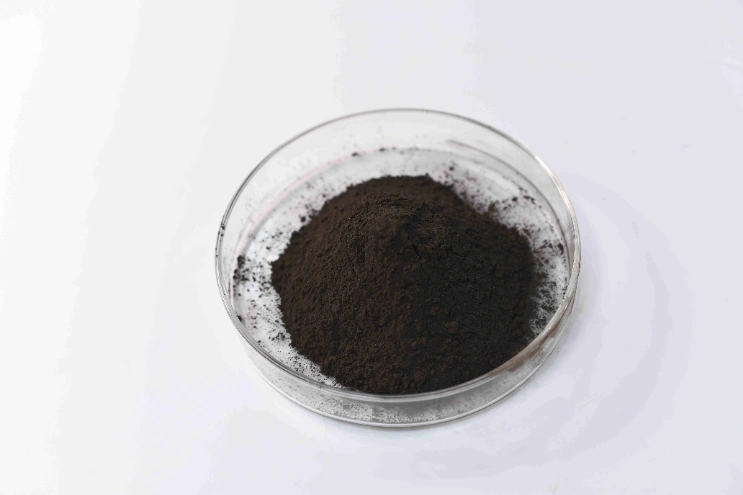
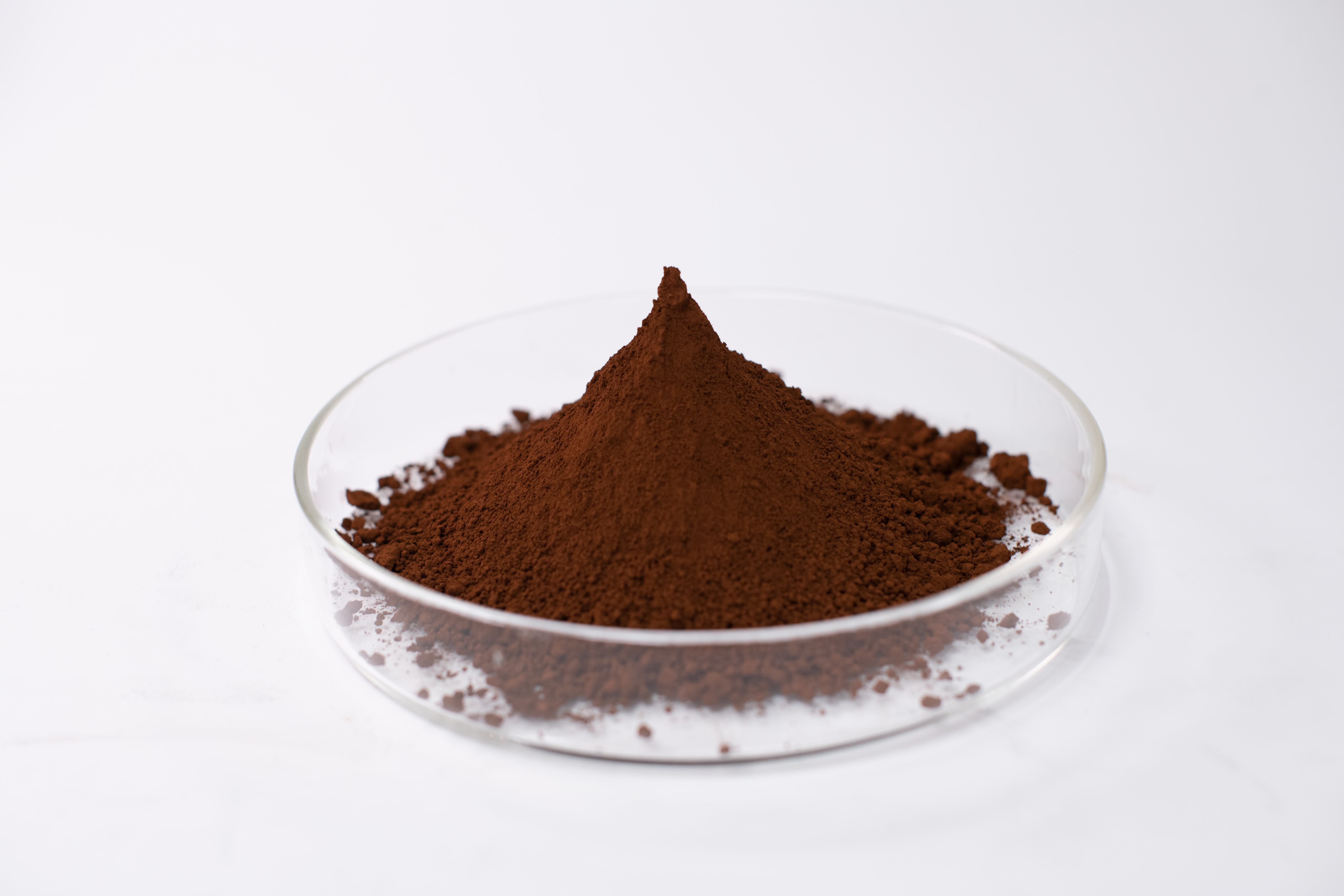
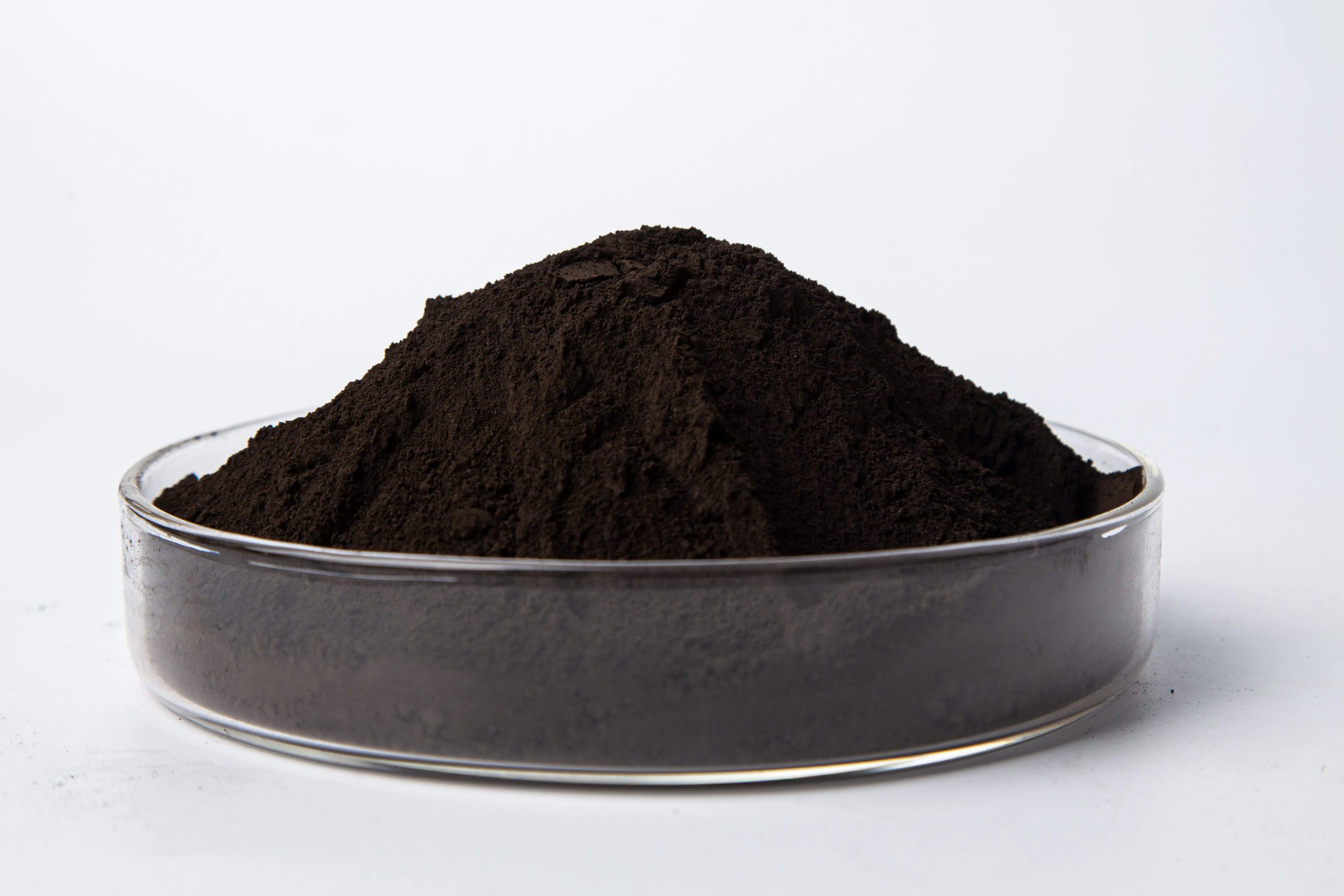
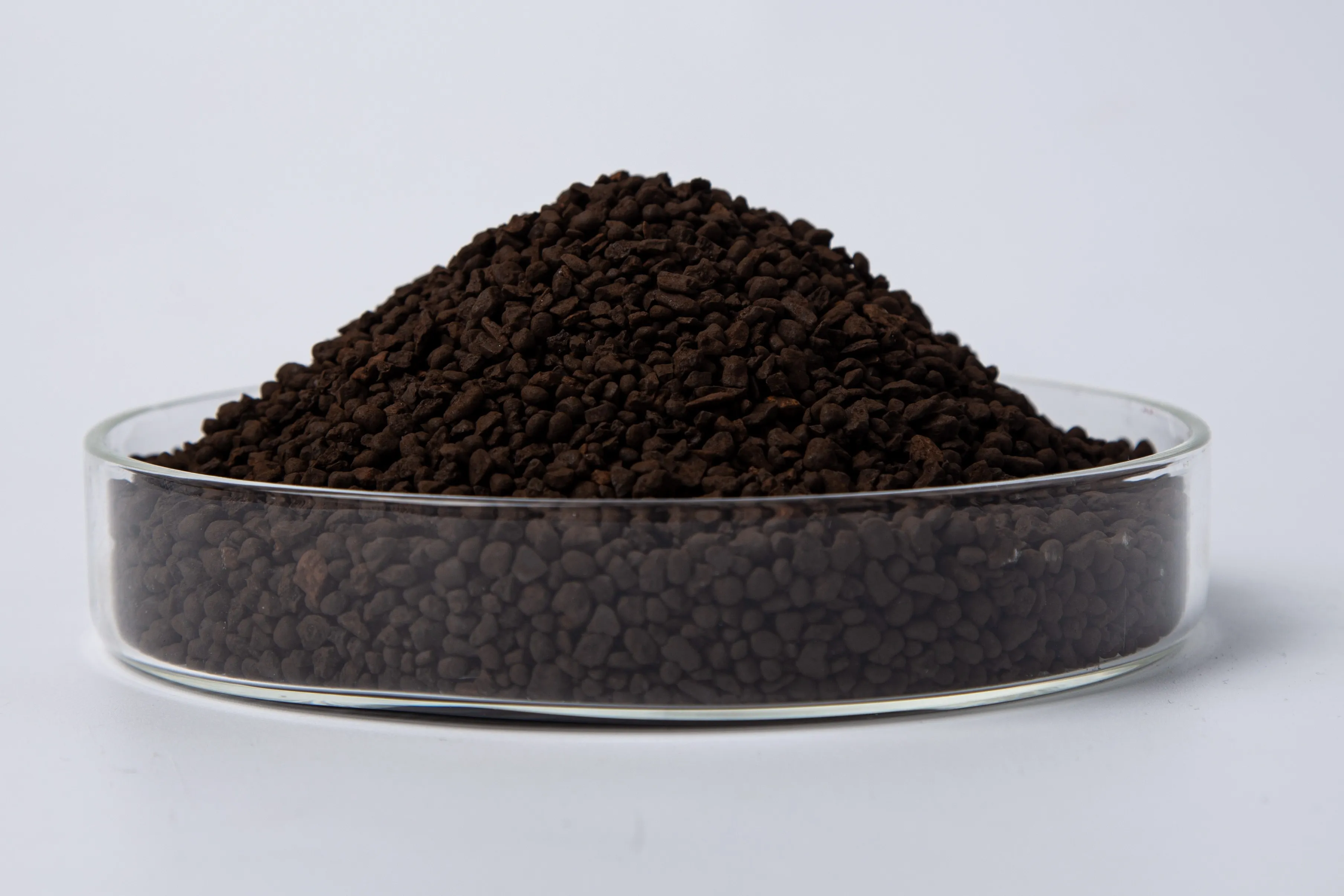
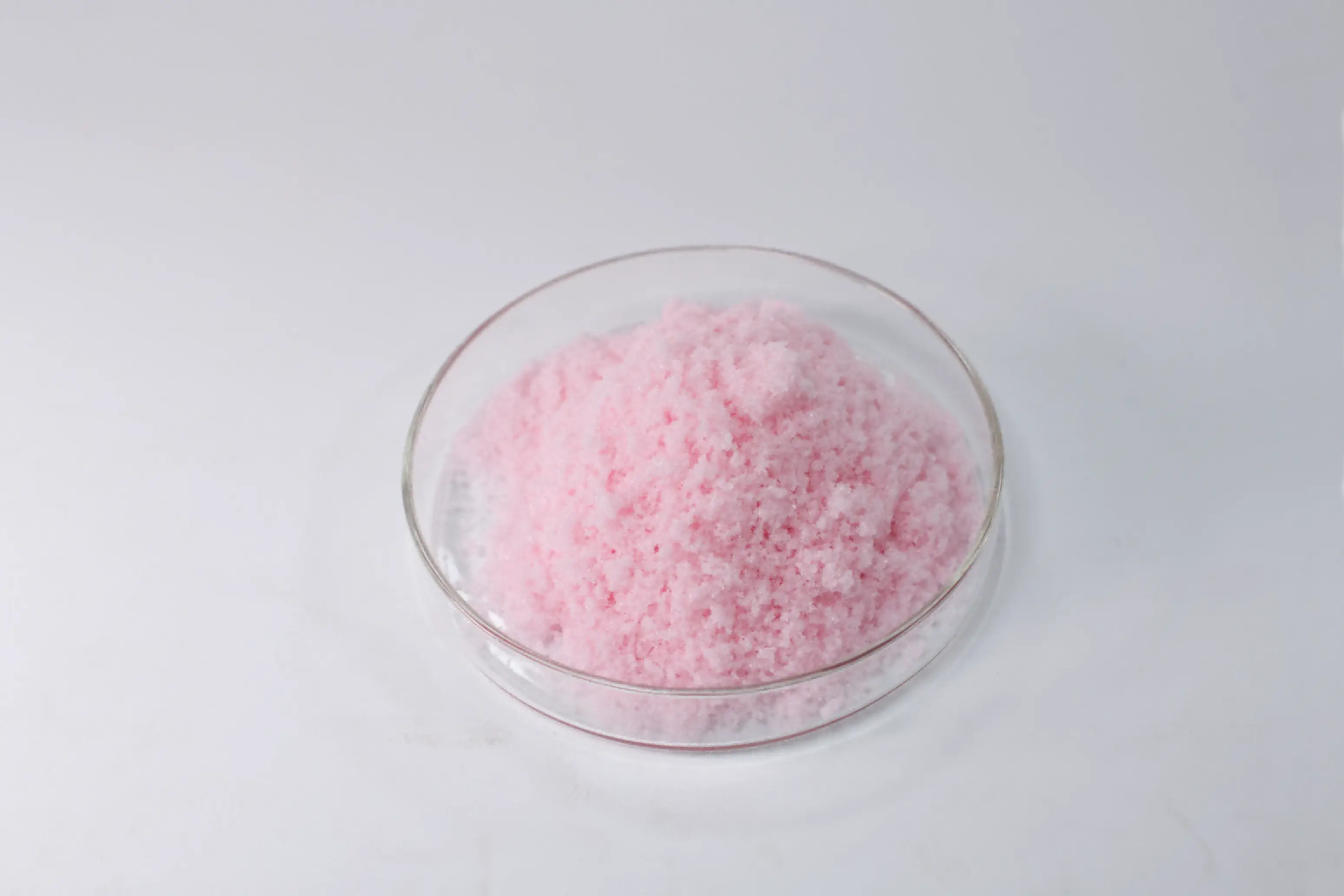
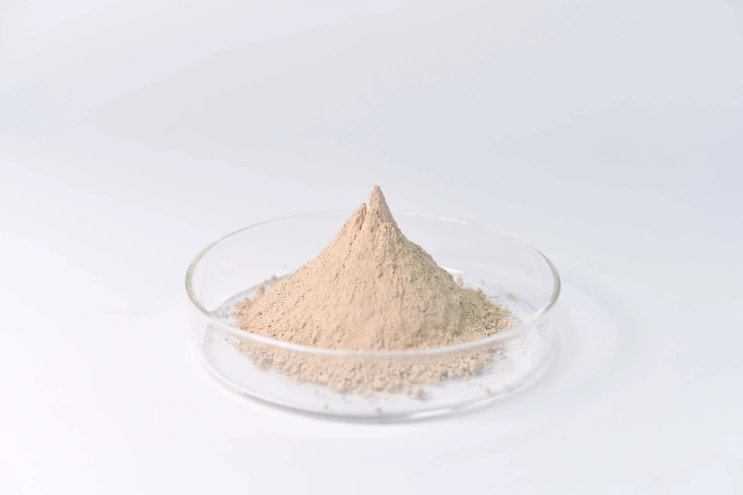
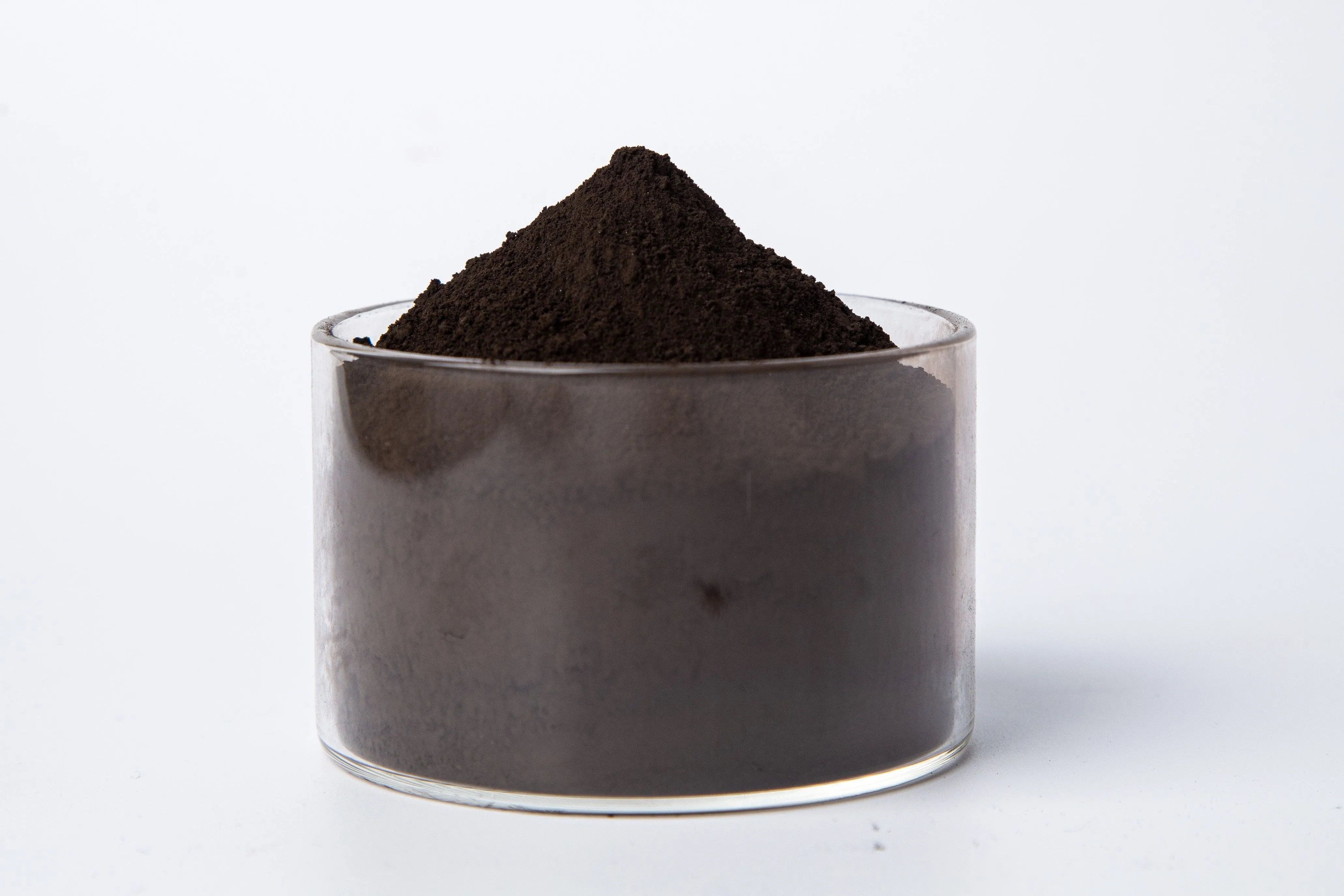
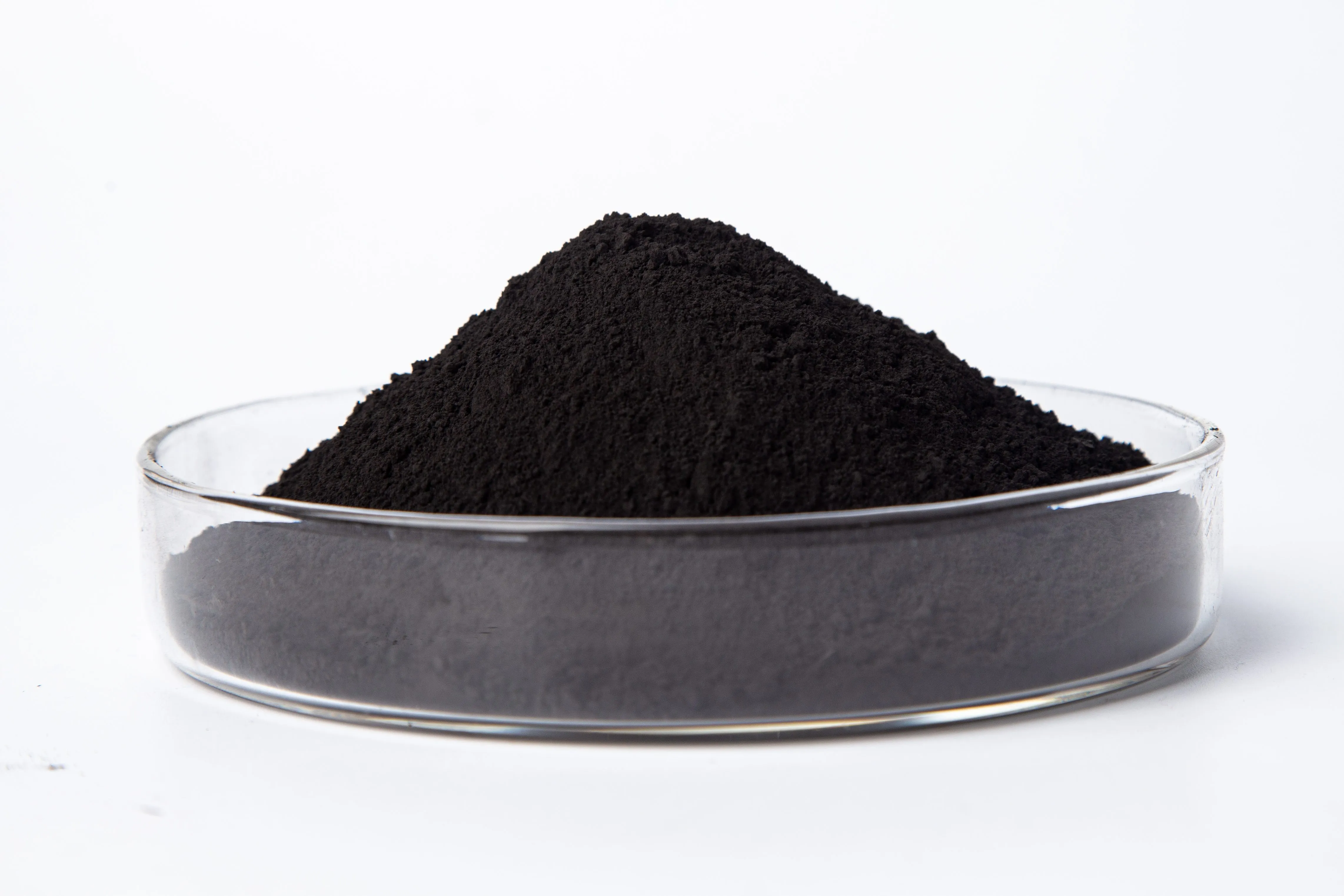
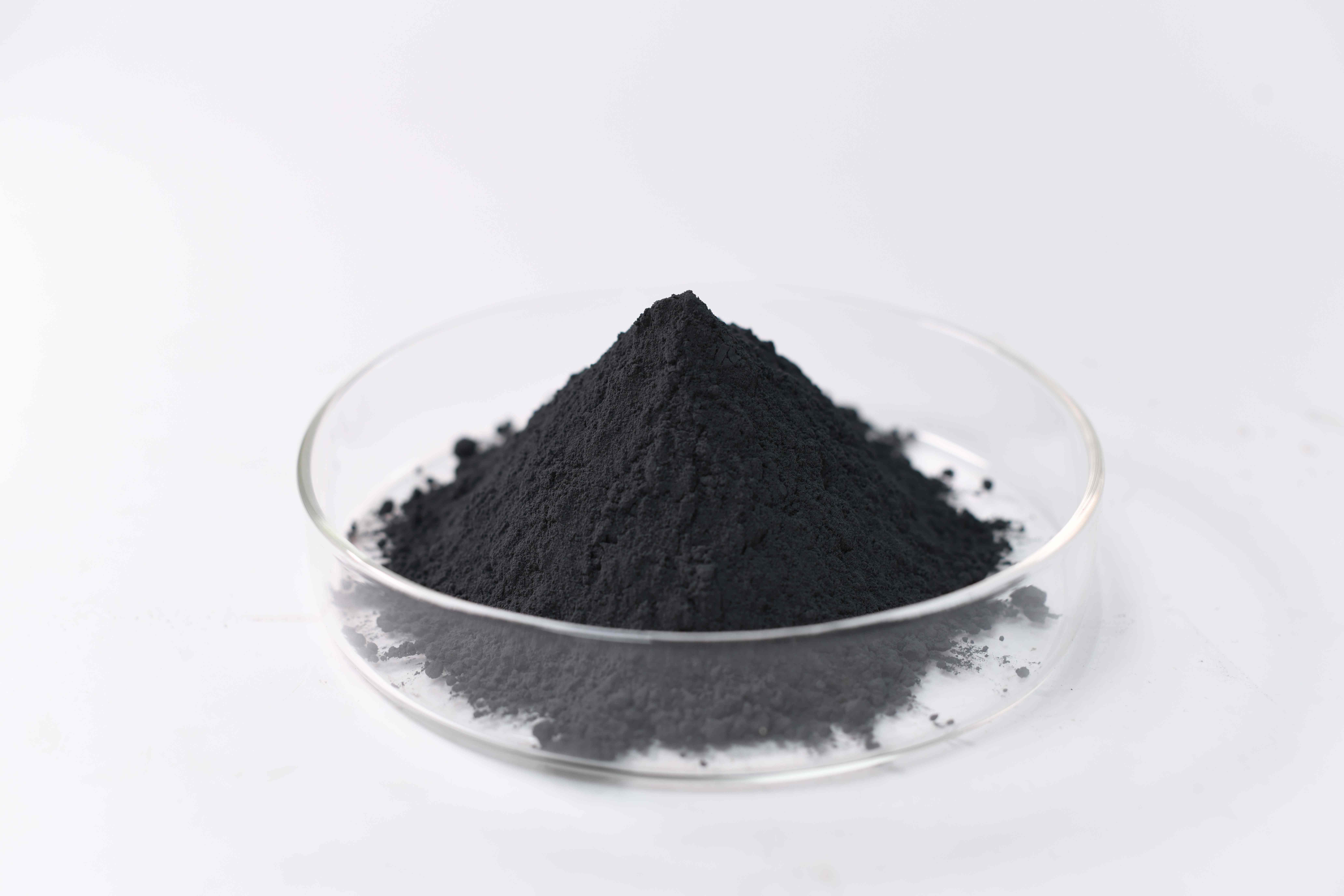
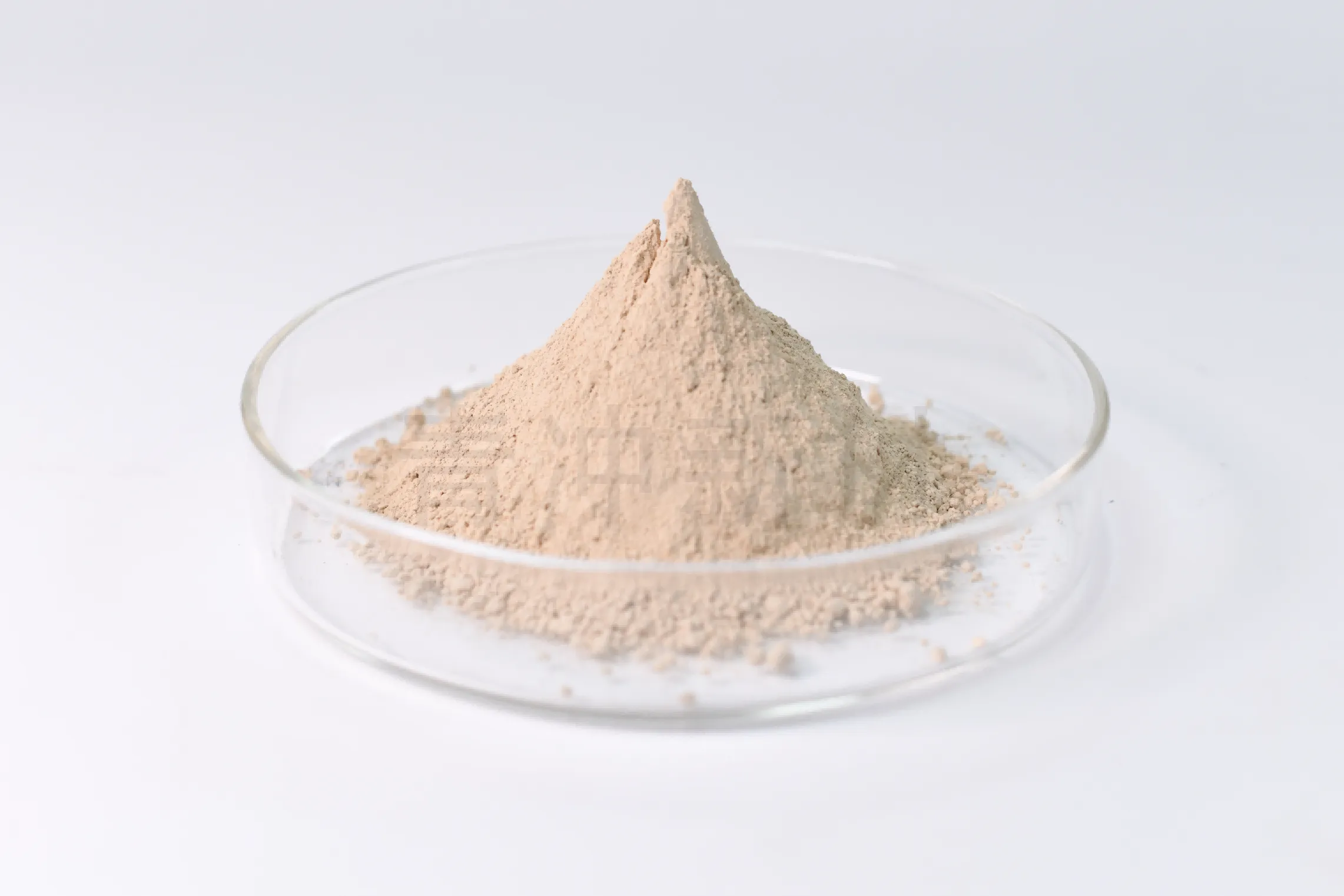
Application of activated manganese dioxide powder factory
activated manganese dioxide powder factory has found its way into glass and ceramics as an effective tool for tuning thermal and optical properties. The presence of the compound has an impact on the melting properties, shifting the refractive index, and altering the rate of crystallization which results in better surface smoothness and translucency. Designers take advantage of activated manganese dioxide powder factory in making special glasses such as lenses, filters, and decorative panels where uniformity and clarity are of utmost importance. Furthermore, the material also has a positive effect on the toughness and resistance to crack formation on a microscopic level. Through the adjustment of concentration and particle size, manufacturers are able to create the desired optical effects and structural performance. Hence, activated manganese dioxide powder factory provides the industry with a dependable material control for the development of new ceramic and glass applications, allowing for the exact customization of thermal, mechanical, and visual properties according to the requirements of a particular industry.
The future of activated manganese dioxide powder factory
In the field of industrial catalysis, activated manganese dioxide powder factory is shown to be the most favored option in the future since it is less harmful to the environment and provides more efficiency in the processes. New technologies in surface modification and nanoscale engineering could significantly improve the catalytic activity and selectivity. These characteristics of the material make it easy to predict its redox behavior which is a strong point in its application to multi-step chemical reactions and the manufacturing of renewable chemicals. Thus, it is specific to the future developments that activated manganese dioxide powder factory-based catalysts would be the ones that would be facilitating cleaner, faster, and more energy-efficient industrial transformations driving innovation in chemical processing, fine chemical production, and eco-friendliness in industrial operations.
Care & Maintenance of activated manganese dioxide powder factory
The first step in taking proper care of activated manganese dioxide powder factory is to have controlled storage conditions. The material needs to be stored in a dry and well-ventilated place so that it does not absorb moisture which affects its flowability and consistency. Sealed containers or moisture-resistant packaging can be used to ensure the integrity of the particles during long-term storage. It is advisable to regularly inspect the packaging and check the integrity so that the risks of contamination are reduced to the minimum. Keeping the temperature of the ambient environment stable also helps in having the same quality of material. Manufacturers can use organized inventory rotation and clear labeling to maintain the physical quality of activated manganese dioxide powder factory in the different storage and handling stages thus ensuring reliable performance during the processing or manufacturing operations.
QingChong activated manganese dioxide powder factory
activated manganese dioxide powder factory are really good at catalyzing oxidation reactions and thus making chemical transformations much easier and fast. Chemical companies are working hard to get the best possible catalytic performance out of it by adjusting particle size, surface area, and composition. It is involved in the redox reactions of both organic and inorganic compounds, which leads to the acceleration of reactions and the increase of the product. The uses in the industry are, for instance, that it is applied in chemical synthesis, wastewater treatment, and environmental recovery. Its high-temperature and pH resistance are the main reasons why it is used in a reliable way. When activated manganese dioxide powder factory is put into reactors together with other materials, industries get better energy savings and process control. Its predictable nature and ability to work alongside other catalytic agents make it a must-have for chemical producers aiming to improve their industrial processes both with regard to productivity and sustainability.
FAQ
Q: What is the main application of Manganese Carbonate in industry? A: Manganese Carbonate finds application as a basic material for the manufacturing of manganese oxides, specialty alloys, ceramics, and battery-related materials in the course of industrial development. Q: What color and powder form do Manganese Carbonate mostly have? A: It is normally a light pink or pale powder with a fine particle size distribution making it suitable for mixing and processing. Q: Will Manganese Carbonate be available in different particle sizes? A: Indeed, the particle size can be set during the production phase according to the particular processing or application requirements. Q: Can Manganese Carbonate withstand high-temperature processing? A: Its high-temperature processing behavior is very good under strict temperature control, especially during the technical transformation of materials and calcination. Q: Which sectors are the main consumers of Manganese Carbonate? A: It is especially needed in the metallurgy, chemical manufacturing, ceramics, electronics, and energy-related sectors.
Reviews
Alexander Smith
he quality of the Manganese Dioxide supplied exceeded our expectations. Its consistent particle size and purity allowed smooth integration into our chemical production processes. Delivery was prompt, and batch uniformity has significantly improved our operational efficiency.
Olivia Davis
The Chemical Manganese Dioxide we received is highly reactive yet stable for industrial applications. Its fine particle distribution has allowed us to maintain reproducible chemical reactions, increasing productivity and reducing waste significantly.
Latest Inquiries
To protect the privacy of our buyers, only public service email domains like Gmail, Yahoo, and MSN will be displayed. Additionally, only a limited portion of the inquiry content will be shown.
Ethan****@gmail.comFrance
Hi, we are sourcing Activated Manganese Dioxide for catalytic applications. Please provide product d...
Isabella****@gmail.comUnited Kingdom
Dear team, we would like to purchase Manganese Carbonate for alloy manufacturing. Could you provide ...
Related product categories
- activated manganese dioxide powder in Spain
- activated manganese dioxide powder in Malaysia
- drying manganese dioxide activated in United States
- drying manganese dioxide activated in Canada
- drying manganese dioxide activated in Australia
- drying manganese dioxide activated in United Kingdom
- drying manganese dioxide activated in France
- drying manganese dioxide activated in Germany
- drying manganese dioxide activated in Japan
- drying manganese dioxide activated in South Korea
- drying manganese dioxide activated in Turkey
- drying manganese dioxide activated in Brazil