EN
EN
 CN
CN
 fr
fr es
es ar
ar ru
ru de
de pt
pt tr
tr vi
vi it
it ja
ja ko
ko hi
hi

What Is Manganese Chloride Used For? 7 Major Industrial and Commercial Applications
Manganese chloride operates as much more than a simple textbook chemical compound. It functions as a heavy-duty industrial workhorse across global supply chains. Manufacturers rely heavily on manganese chloride uses in sectors as diverse as advanced battery manufacturing, critical animal nutrition, and high-tech medical imaging. This compound provides a highly soluble, exceptionally stable source of vital manganese ions. You can read more about its core chemical properties in our companion article regarding what MnCl₂ is—What Is Manganese Chloride? A Complete Guide to MnCl₂ Properties and Forms.
This current guide explores the seven major industrial and commercial applications of this highly versatile compound. Understanding these specific commercial applications helps procurement teams specify the exact grade required for their daily operations. It also ensures that commercial buyers source their materials from the most capable and appropriate supplier.
1. Agriculture & Animal Nutrition
The agricultural sector represents one of the largest continuous consumers of this chemical. Modern farming operations rely heavily on manganese chloride feed grade formulations to maintain optimal animal health. Manganese plays a vital role in cellular enzyme activation, healthy bone development, and normal reproductive function in both livestock and poultry.
Feed manufacturers specifically prefer manganese chloride over other available manganese sources for several practical reasons. It offers exceptional biological bioavailability. It dissolves instantly in water, making it perfect for modern liquid feed delivery systems. It also delivers a highly stable and predictable manganese content per batch.
Regulatory bodies actively manage this application. The European Union, the United States, and the ASEAN region approve this compound within strict feed additive frameworks. This regulatory compliance remains a primary purchasing criterion for international agricultural buyers. Feed mills typically blend this compound at highly precise inclusion rates. They often mix it alongside other essential trace minerals, such as zinc sulfate and copper sulfate.


2. Batteries & Energy Storage
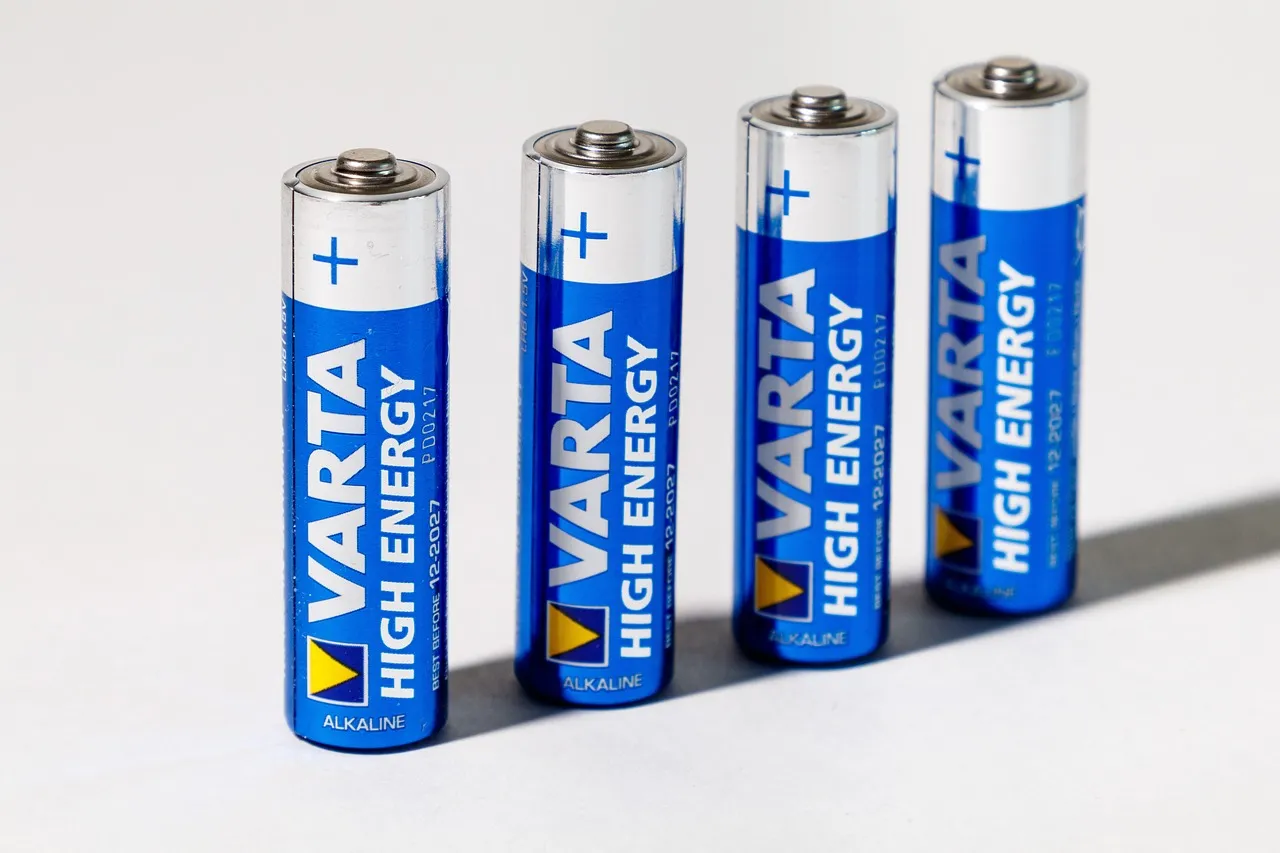
The global energy storage sector drives rapidly growing demand for advanced manganese compounds. Battery material sourcing remains a high-volume and high-stakes procurement category for modern technology companies. Manufacturers use this compound as a critical chemical precursor to electrolytic manganese dioxide (EMD). They also use it to produce specialized cathode materials for lithium-manganese oxide (LMO) batteries.
These specific applications define the rapidly expanding market for manganese battery materials. The compound also maintains historical and continued relevance in traditional zinc-manganese alkaline dry cells.
Furthermore, engineers are actively developing new manganese-based aqueous batteries. These emerging energy systems offer a low-cost, highly abundant alternative to expensive cobalt and nickel systems. Buyers must carefully specify their exact purity requirements for these applications. Battery-grade material requires significantly lower heavy metal impurities compared to standard industrial grades. Sourcing high purity manganese chloride guarantees optimal battery performance and prevents premature cell failure.
3. Electroplating & Surface Treatment
Heavy manufacturing industries, including automotive and aerospace sectors, utilize this chemical for critical metal finishing. Manganese electroplating processes rely on electrolytic baths to deposit hard, protective coatings onto sensitive metal parts. Manganese chloride serves as a highly soluble, reliable source of Mn²⁺ ions in these large electrolytic baths.
The resulting deposited manganese coatings offer exceptional commercial value. They provide outstanding corrosion resistance, superior surface hardness, and excellent mechanical wear properties. Manufacturers also utilize the chemical in specialized co-deposition applications. These targeted processes create highly durable manganese-alloy platings, such as manganese-zinc and manganese-nickel layers, for delicate electronic components.
Additionally, the compound acts as a powerful chemical accelerant in phosphating processes. Facility operators use manganese phosphate coatings to pre-treat bare ferrous metals before painting or oiling. Procurement teams must carefully source industrial grade MnCl₂. They must pay strict attention to purity levels and chloride-ion tolerance to maintain optimal plating bath chemistry.
4. Chemical Synthesis & Catalysis
Specialty chemical manufacturers utilize this compound deep within the industrial value chain. It serves as a fundamental building block for creating much more complex chemical products. Chemists use it as a primary starting material in manganese compound synthesis. This controlled process produces vital derivatives like bulk manganese dioxide, manganese sulfate, and complex organomanganese compounds.
The chemical also plays a central role in advanced catalytic applications. Chemical engineers derive specialized manganese complexes directly from this base compound. They use these refined complexes as potent oxidation catalysts in fine chemical manufacturing and pharmaceutical production.
Furthermore, the chemical functions as an effective Lewis acid catalyst. It drives specific chlorination reactions and targeted organic transformations. A supplier's ability to manufacture and provide this foundational chemical sends a strong signal to the market. It naturally positions them as a fully capable, vertically integrated upstream manganese manufacturer rather than a simple product distributor.
5. Water Treatment
Municipalities and heavy industrial facilities across Asia, the Middle East, and Africa rely on this chemical for critical infrastructure maintenance. Water treatment manganese chloride provides essential chemical support for large-scale municipal filtration systems. Plant operators use it directly as a liquid regenerant in manganese greensand filtration setups.
This specific filtration process effectively oxidizes and removes dissolved iron from municipal groundwater. It also removes naturally occurring, harmful manganese from the water supply. Industrial facilities also use the compound for precise micronutrient dosing. They add it to large cooling water towers and biological process water systems.
Engineers often choose this specific chemical over potassium permanganate in several scenarios. It is highly preferred in non-oxidizing environments. It also offers significant operational cost advantages for tight municipal budgets. Water treatment operators require exceptionally precise chemical dosing capabilities. Therefore, they demand a highly consistent manganese assay from their supplier to maintain stable, safe water purification rates.
6. Life Sciences & Medical
The life sciences sector routinely demands the highest specification materials available on the global market. Medical researchers utilize pharmaceutical grade manganese chloride for cutting-edge diagnostic imaging techniques. Specifically, they use it as a vital liquid contrast agent in manganese-enhanced MRI (MEMRI) procedures. This advanced application supports crucial preclinical neuroimaging and detailed cardiac imaging research.
The medical industry also formulates this purified chemical into specialized nutritional supplements. It serves as an essential, sterile mineral source for intravenous (IV) nutrition lines, specialty dietary products, and clinical nutrition programs.
In controlled cell biology laboratories, researchers utilize Mn²⁺ ions as a necessary chemical cofactor. They require it to conduct complex enzyme studies and cellular signaling experiments. Procurement in this specific sector requires flawless administrative documentation. Buyers must mandate strict USP/EP-grade purity. They must establish rigid endotoxin limits. They must also require complete, unbroken supply chain traceability.

7. Ceramics, Glass & Specialty Materials
The commercial ceramics and glass industries represent a niche but globally significant consumer base. This is particularly true across massive manufacturing hubs in Asia and Europe. Manufacturers use this compound as a reliable chemical precursor to specialty manganese pigments. Manganese chloride ceramics applications successfully produce rich amber, deep brown, and intense black tones in high-end ceramic glazes.
The chemical also functions as an exceptionally effective fluxing agent. It successfully lowers the required heat sintering temperatures in the mass production of specialty ceramic bodies.
In the bulk glass manufacturing sector, operators historically used manganese compounds for vital glass decolorization. The chemical effectively neutralizes the unwanted green tint caused by natural iron impurities in bulk glass batches. Finally, advanced material manufacturers are finding new, rapidly growing uses for the compound. They increasingly apply it in specialty commercial coatings and modern thin-film deposition techniques.

Selecting the Right MnCl₂ Grade for Your Application
Selecting the correct chemical grade is absolutely critical for operational success and safety. A reliable manganese chloride supplier must help commercial buyers navigate a somewhat complex grade matrix. Agricultural buyers need certified feed grade material. Metal plating facilities require standard industrial grade. Laboratories need high-purity reagent grade. Medical buyers demand strict pharmaceutical grade product.
Procurement teams must clearly define their applications to receive the correct product. Buyers should always establish specific specification checkpoints before finalizing a bulk purchase.
- Mn% Assay: This measurement ensures you are paying for the correct concentration of active manganese.
- Moisture Content: Strict moisture limits prevent the product from caking and solidifying during international ocean transit.
- Heavy Metal Limits: Low heavy metal levels are critical for regulatory compliance in feed, food, and pharmaceutical uses.
- CoA Format: A verified, batch-specific Certificate of Analysis guarantees strict quality control.
Supply reliability remains a paramount concern for buyers. Sourcing directly from a vertically integrated manganese compound manufacturer ensures strict material consistency across all seven of these major industrial sectors.
Conclusion
Manganese chloride delivers immense commercial value through its sheer chemical versatility. It supports critical infrastructure across agriculture, energy storage, medical imaging, and heavy manufacturing. Securing the right material requires partnering with a supplier who deeply understands these distinct, varied commercial applications. Our comprehensive manufacturing capabilities ensure we can meet the exact specifications of your specific industry.
Are you ready to secure a reliable supply chain? You can request a detailed product specification sheet to review our metrics. You can also get a tailored quote separated by application grade. Partner with a proven MnCl₂ manufacturer and seamlessly buy manganese chloride for your facility today.
Explore specifications or request a quote on our manganese chloride product page.
FAQs
1. Is manganese chloride safe for animal feed?
Yes, it is perfectly safe when used at regulated inclusion rates. You must purchase certified feed-grade material. This grade complies with strict EU and US feed additive approval numbers, ensuring heavy metal impurities remain well below safe biological thresholds. [manganese chloride feed safe]
2. What is the difference between manganese chloride and manganese sulfate?
Both compounds deliver manganese ions, but they differ in solubility and cost. Manganese chloride generally offers higher water solubility, making it ideal for specific liquid applications and plating baths. Manganese sulfate is often utilized in dry fertilizer blending. [MnCl₂ vs MnSO₄]
3. What purity of manganese chloride do I need?
Your required purity depends entirely on your end-use application. Industrial plating and water treatment typically require standard technical grades (98-99%). Battery manufacturing, medical imaging, and fine chemical synthesis require high-purity or pharmaceutical grades with strictly controlled trace impurities.
4. Can manganese chloride replace potassium permanganate in water treatment?
Yes, in specific scenarios. Operators frequently prefer manganese chloride in non-oxidizing environments. It acts as an excellent, cost-effective regenerant for manganese greensand filtration systems without introducing the aggressive oxidizing properties of potassium permanganate.
5. Why is moisture control important when buying manganese chloride?
The compound is highly hygroscopic. This means it actively absorbs water vapor directly from the surrounding air. If a supplier utilizes poor packaging, the chemical will absorb moisture during transit and solidify into an unusable, hard block before reaching your facility.