EN
EN
 CN
CN
 fr
fr es
es ar
ar ru
ru de
de pt
pt tr
tr vi
vi it
it ja
ja ko
ko hi
hi

What Is Manganese Chloride? A Complete Guide to MnCl₂ Properties and Forms
Materials based on manganese are the foundation of global supply chains. Such substances can be applied in the production of high-tech batteries, as well as in the provision of adequate nutrition for animals. Nonetheless, customers usually specify poorly the most commercially significant manganese compound, which is manganese chloride. This article aims at providing a reference guide for your purchases. It is far from being a mere lesson in chemistry.
The chemical compound of manganese chloride is inorganic and is usually in a pink crystalline form (hydrated), which acts as an important intermediate in the industry. In this guide, we will analyze the key features of manganese chloride. There will be covered all of its physical parameters and differences between various types of this substance. We will also detail its major industrial applications and provide essential tips for sourcing it effectively.
1. What Is Manganese Chloride? — The Definitive Definition
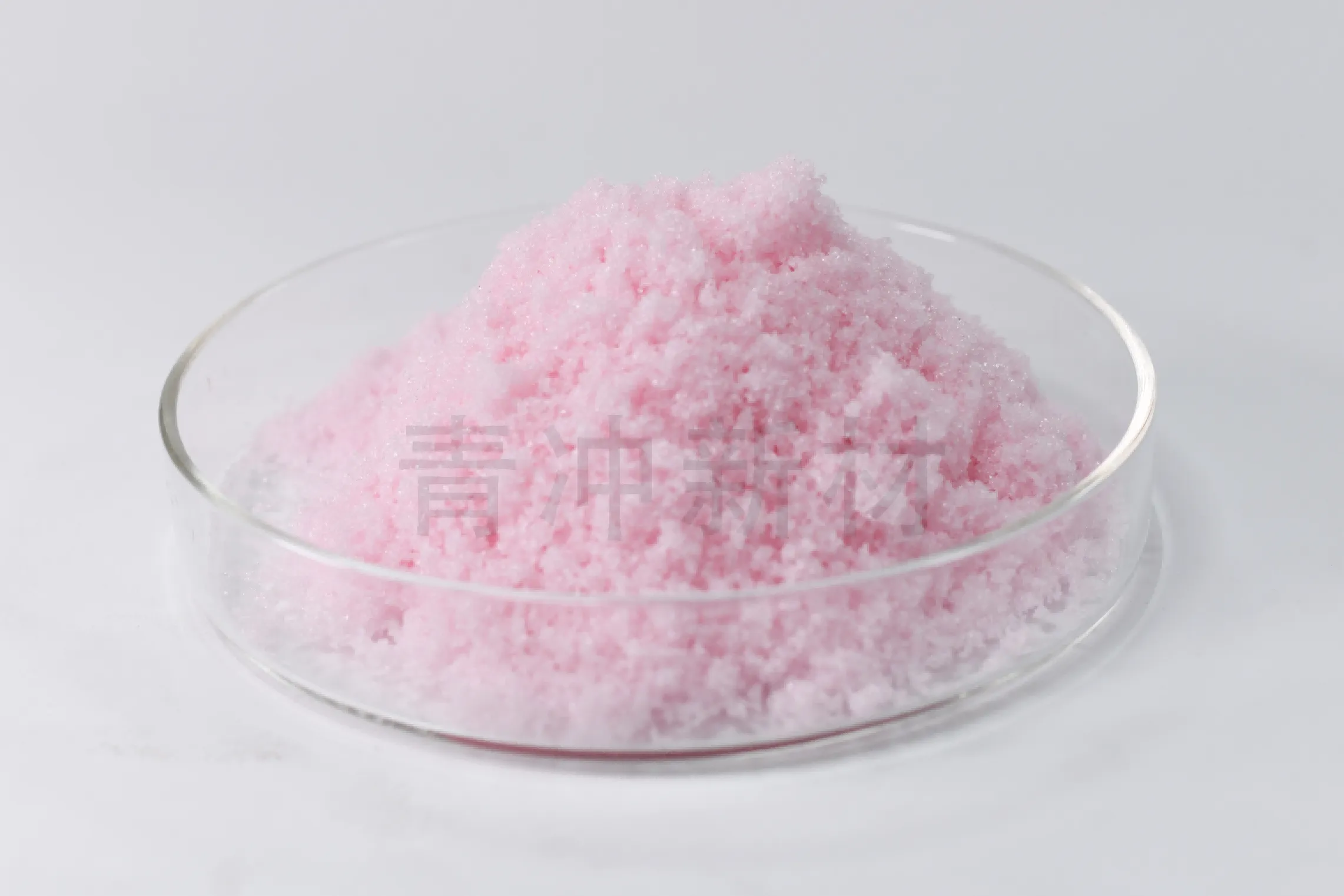
Manganese chloride is a highly soluble inorganic compound. It serves as a fundamental building block in inorganic chemistry and commercial manufacturing. Let us examine its basic chemical information.
Chemical Identification Reference
- Chemical Name: Manganese(II) chloride
- Chemical Formula: MnCl₂
- CAS Number: 7773-01-5 (Anhydrous) / 13446-34-9 (Tetrahydrate)
- Molecular Weight: 125.84 g/mol (Anhydrous) 197.91 g/mol (Tetrahydrate)
The manganese ion in this compound is in the +2 oxidation state. Chemists denote this as Mn²⁺. This particular oxidation state controls the reactivity of this material with other chemicals. Also, it will ensure compatibility for downstream manufacturing processes. Buyers must distinguish manganese(II) chloride from other oxidation states. For example, manganese(III) chloride (MnCl₃) and manganese(IV) chloride (MnCl₄). However, these higher oxidation states are unstable and have very limited commercial value. Manganese(II) chloride anchors the broader family of manganese compounds. It naturally complements a manufacturer's portfolio of related materials like manganese dioxide and manganese sulfate.
2. Key Physical and Chemical Properties of MnCl₂
When it comes to purchasing chemicals, the technical buyer should be very careful and perform due diligence before making a purchase. The quality of manganese chloride can be evaluated based on its chemical and physical characteristics.
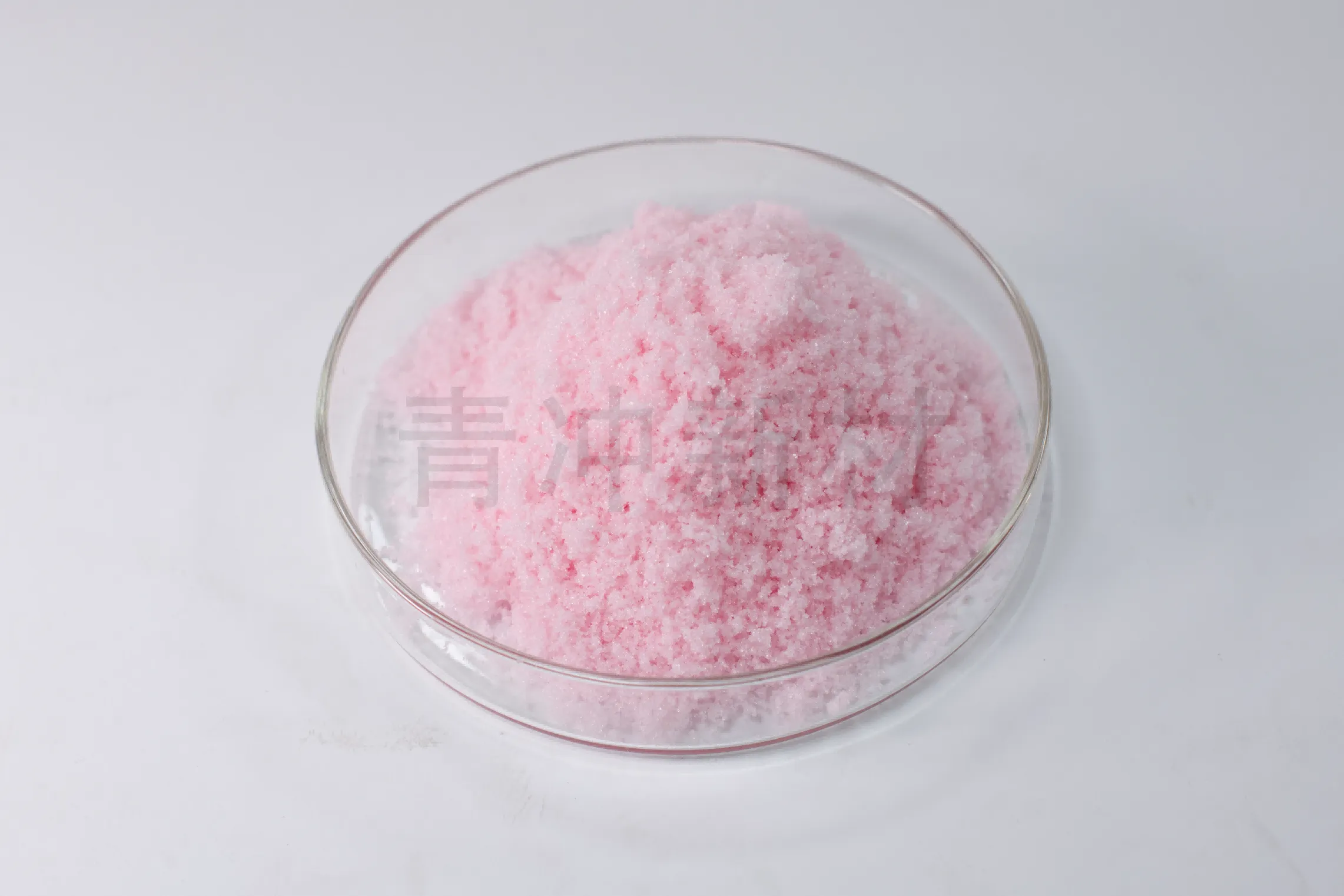
Physically, the compound’s appearance acts like an early sign. When manganese chloride is pure, its properties usually show up as a pale pink or reddish-brown crystalline solid. If you notice discoloration, that commonly means there are impurities or the material has been stored improperly at some point. Also, it has high solubility in water. This solubility is important in practice for manufacturers who need to formulate liquid solutions for industrial processes, and they rely on that consistency.
Physical Property Data Table
| Property | Value (Anhydrous) | Value (Tetrahydrate) |
|---|---|---|
| Melting Point | 654 °C | 58 °C |
| Boiling Point | 1,190 °C | N/A (Loses water) |
| Density | 2.977 g/cm³ | 2.01 g/cm³ |
Furthermore, manganese chloride is quite hygroscopic. That means it will actively suck up moisture from the surrounding air. And that trait has notable storage implications too, because if you get the conditions wrong, the compound can start to cake or otherwise lose performance during transit. So buyers need to be clear about rigorous, moisture-resistant packaging requirements.
Also, the material shows paramagnetic behavior. Paramagnetic substances are weakly attracted by external magnetic fields. In this case, that particular magnetic property makes the compound relevant for niche uses, like in medical contrast agents, where the magnetic response matters.
Finally, the reactivity profile is one more thing that needs careful handling. This compound reacts readily with strong bases and oxidizers. It can also interact pretty quickly with ambient moisture. So operators should treat it with care in real-world conditions. Industrial teams should explicitly flag these behaviors inside their safety protocols to avoid unwanted chemical reactions, and keep day-to-day operations under control.
3. The Different Forms of MnCl₂: Anhydrous vs. Hydrated
Buyers often search for the differences between the various forms of this compound. Not all manganese chloride is equivalent in commercial use. The concept of hydration simply refers to the number of water molecules attached to the core chemical structure.
Anhydrous Manganese Chloride
Anhydrous manganese chloride contains zero water molecules. Manufacturers produce this form by treating manganese(IV) oxide with concentrated hydrochloric acid, followed by careful dehydration. It appears as a pale pink powder. Buyers specifically source anhydrous manganese chloride for use cases where water content is strictly unacceptable. These applications include certain electrochemical processes and specialized catalyst manufacturing.
Manganese Chloride Dihydrate (MnCl₂ · 2H₂O)
The dihydrate form contains two water molecules. It represents an intermediate hydration state. This version is less common commercially. Suppliers occasionally provide it for highly specific niche applications, but it rarely drives bulk global trade.
Manganese Chloride Tetrahydrate (MnCl₂ · 4H₂O)
Manganese chloride tetrahydrate contains four water molecules. This form dominates the global market and is the most widely traded version of the chemical. The tetrahydrate form offers superior stability under normal environmental conditions. It also provides excellent handling ease and remarkable cost-effectiveness. Major applications for the tetrahydrate include agricultural fertilizers, animal feed supplements, and industrial electroplating.
Buyer's Decision Matrix: Form Comparison
| Feature | Anhydrous (MnCl₂) | Tetrahydrate (MnCl₂ · 4H₂O) |
|---|---|---|
| Mn Content by Weight | ~43.6% | ~27.7% |
| Shelf Stability | Requires strict moisture control | Highly stable in standard packaging |
| Dissolution Rate | Slower | Extremely fast in aqueous solutions |
Buyers must also evaluate grade and purity levels. Industrial facilities typically require standard technical grade material. The agricultural sector demands stringent heavy-metal controls for feed grade certification. Meanwhile, the pharmaceutical industry requires strict adherence to international standards, such as ACS or USP, for pharmaceutical grade products.
4. Industrial Applications: Where Is Manganese Chloride Used?
Manganese chloride serves a diverse array of global industries. For sourcing professionals, it can be tricky because they have to match the compound to the right sector expectations, and some requirements are really specific. In each use case, the same chemical properties get put to work in slightly different ways, depending on what the customer is trying to achieve.
Animal feed and agriculture: The agricultural sector relies heavily on manganese chloride feed grade products. Farmers add it as a key micronutrient supplement, so that livestock and poultry don’t run into dangerous manganese deficiencies. Feed manufacturers often mix it together with other trace minerals too, aiming for steady, balanced animal growth.
Electroplating and surface treatment: The manufacturing sector uses the compound for manganese electroplating. During this process, it helps form a protective film of manganese over metal surfaces. These coatings are valued for corrosion resistance, especially for structural steel parts and automotive components, where wear is common and conditions can be rough.
Chemical synthesis and catalyst precursor: Chemical producers treat manganese chloride like a core intermediate, not just a minor ingredient. It supports the making of high-purity manganese dioxide (MnO₂). It also works as a precursor for organomanganese compounds and advanced battery materials.
Water treatment: Industrial facilities apply the compound in water treatment operations. Technicians use it to regenerate manganese greensand filtration systems. It also provides necessary trace element supplementation in complex industrial biological water systems.
Medical & life sciences: Researchers utilize the compound's unique magnetic properties. They apply it in the development of specialized MRI contrast agents. Nutrition companies also include highly purified versions in human nutritional supplement formulations. Buyers in this sector must navigate strict regulatory contexts to ensure absolute product safety.
Dry cell batteries: The chemical has a long historical role in energy storage. It continues to support traditional dry cell battery manufacturing. Furthermore, its role is evolving rapidly as engineers develop new manganese battery materials for next-generation energy storage solutions.
5. Sourcing Manganese Chloride: What Buyers Should Know
You must convert this informational knowledge into actionable commercial strategies. Successful procurement requires more than just finding a supplier. You must address practical procurement considerations related to quality, specifications, and compliance. This approach differentiates a strategic buyer from a standard purchasing agent.
You must specify manganese chloride correctly in your official purchase orders. A vague order will result in the wrong product. You must clearly state the required form, whether anhydrous or tetrahydrate. You must specify the minimum overall purity percentage. You must dictate the required manganese (Mn) content percentage. Furthermore, you must define strict moisture limits and preferred particle sizes. When you choose to buy manganese chloride, these exact details protect your investment and ensure process compatibility.
International shipping requires robust packaging standards. Suppliers typically offer standard 25 kg bags for easy handling. Large-scale operations usually request 1 MT (metric ton) jumbo bags. You must mandate moisture-barrier inner liners for all packaging because the product is highly hygroscopic.
Compliance certifications separate a reliable MnCl₂ manufacturer from a mere commodity trader. You should always request current ISO quality management certificates. European buyers must ensure REACH registration compliance. Agricultural and medical buyers must secure food-grade or feed-grade certificates. You must also request a standardized Certificate of Analysis (CoA) with every single shipment.
Supply chain considerations directly impact your production schedule. You must evaluate the production origin and realistic lead times. The consistency of the raw manganese source heavily impacts your downstream product quality. Finally, you should understand basic manganese market dynamics. The availability of manganese chloride links directly to upstream manganese dioxide and ferromanganese production. A knowledgeable manganese chloride supplier understands these upstream factors and can secure your supply chain against market volatility.
Conclusion
Manganese chloride represents a technically specific and commercially versatile material. It demands careful handling and precise specification. You need an informed supplier partner to navigate these chemical complexities and secure a reliable supply chain. Our extensive expertise in manganese dioxide and related manganese compounds directly translates to our exceptional MnCl₂ sourcing capabilities. We understand the precise requirements of your industry. Do not leave your chemical procurement to chance. Request a detailed product specification sheet today. Contact us to get a competitive quote for premium manganese chloride, available in both tetrahydrate and anhydrous forms.
[Contact Us Now for Premium Manganese Chloride]
FAQs
1. In what way anhydrous manganese chloride differs from tetrahydrate manganese chloride?
Anhydrous manganese chloride does not contain any water molecules. Its primary purpose is the implementation in moisture-sensitive chemical reactions. Tetrahydrate manganese chloride is more stable in air conditions and contains four water molecules. It is the most popular variety among farmers and electroplaters.
2. Is handling manganese chloride a dangerous activity?
It is considered to be relatively safe as long as industrial safety procedures are observed. Handling manganese chloride may cause eye and skin irritation. Thus, protective gear must be worn and inhalation avoided.
3. Why is moisture management so vital during storage?
It is extremely hygroscopic in nature, meaning that it readily absorbs moisture from the air. Inadequate moisture-proofing can lead to caking, crumbling, and degradation of the material which would create difficulties in manufacturing.
4. Can I employ technical grade manganese chloride as an animal feed additive?
No, you must only apply certified feed-grade manganese chloride. Technical grade products are not subject to tests and thus contain higher amounts of heavy metals which pose significant threats to animals' well-being.
5. How does this compound benefit the electroplating industry?
Manufacturers use the chemical in electroplating baths to deposit a smooth, durable layer of manganese onto metal substrates. This process significantly enhances the corrosion resistance and overall longevity of automotive parts and steel components.