EN
EN
 CN
CN
 fr
fr es
es ar
ar ru
ru de
de pt
pt tr
tr vi
vi it
it ja
ja ko
ko hi
hi

The Hidden Risks of Cheap Manganese Sulfate in Industrial Applications
When you're buying industrial chemicals, the temptation to go with the cheapest supplier is real. Budgets are tight. Management wants cost savings. The sales rep swears their product is just as good.
But here's problems thant happen too many times: that initial price saving evaporates fast when things go wrong. And with manganese sulfate, things can go very wrong.
Manganese sulfate (MnSO₄·H₂O) shows up everywhere—battery manufacturing, agricultural fertilizers, animal feed, ceramics. It's one of those workhorse chemicals that nobody thinks about until it causes problems. The problem is, cheap versions of this stuff carry risks that don't show up on a price quote.

The risks from cheap manganese sulfate
Heavy metals
Cheap manganese sulfate often comes with uninvited guests: lead, arsenic, cadmium, mercury. Some substandard products testing at 50+ ppm of heavy metals. That's five times what's acceptable for industrial use.
What happens? In battery manufacturing, these metals degrade performance and can create actual safety hazards. In agriculture, they end up in soil, then crops, then the food chain. In animal feed, they accumulate in livestock. None of this ends well.
The scary part is you might not know until it's too late. A reputable supplier tests for this stuff and shows you the results. A shady one? They're hoping you won't ask.
When "98% pure" isn't really 98%
Here's a fun trick some suppliers play: they sell you "98% pure" manganese sulfate, but when you actually test it, you get 92-95%. That gap matters.
Lower purity means you need more product to get the same result—typically 5-10% more. It also means inconsistent reactions, variable end-product quality, and this creeping sense that something's off with your process. The worst part? The cost overruns often exceed what you "saved" by going cheap in the first place.
The impurity problem
Beyond heavy metals, there's a cocktail of other stuff that shows up in low-quality manganese sulfate:
- Calcium (0.5-2.0%): Screws with crystallization and chemical reactions
- Magnesium (0.3-1.5%): Alters solution properties, bad news for battery electrolytes
- Iron (0.1-0.5%): Causes discoloration, triggers unwanted reactions
- Chloride (0.05-0.2%): Corrosive, damages equipment over time
Moisture
Good manganese sulfate should have moisture content ≤0.5% for battery applications. Cheap stuff? Often 1-3%.
Why does this matter? In battery production, excess moisture causes electrolyte decomposition. That's a safety risk. It also messes with your stoichiometric calculations, causes the product to cake during storage, and accelerates degradation. What looked like a bargain becomes a handling nightmare.
Particle size
Quality manganese sulfate has consistent particle size. Cheap versions don't. This sounds minor, but it's not.
Inconsistent particle size means uneven dissolution rates, handling hazards from fine dust, and unpredictable performance. In battery electrode coating, you get uneven coverage. In fertilizer blending, you get nutrient hot spots. In feed production, you get segregation in mixes. It's all downstream problems.
Safety risks
Cheap products with poor quality control create real health hazards:
Chronic manganese poisoning isn't theoretical. It happens. Workers breathing in dust from poorly controlled products develop neurological damage. Starts with neurobehavioral dysfunction, can progress to something that looks a lot like Parkinson's. The cheaper the product, often the worse the dust control and the higher the risk.
Unexpected chemical reactions—impurities can trigger reactions you didn't plan for during processing. Sometimes that's just a ruined batch. Sometimes it's dangerous.
Environmental contamination—heavy metals don't stay in your facility. They leach into soil and water. And that's not just an ethical problem; it's a regulatory one.
The violation of regulatory
Using substandard manganese sulfate can put you in violation of REACH (EU), TSCA (USA), GB Standards (China), and dozens of industry-specific regulations. Consequences? Market access denial, production shutdowns, product recalls, legal liability.
Many quality managers who thought they were fine until regulators showed up. However, "I didn't know the product was substandard" is not a defense that works.
What "good" actually looks like
Here's what quality manganese sulfate should meet:
- GB/T 15899-2020 (Industrial Grade, China): ≥98% purity, heavy metals ≤0.001%
- HG/T 4823-2023 (Battery Grade, China): ≥99.5% purity, moisture ≤0.5%
- USP Standards (Pharmaceutical): 99.0-100.5% purity
- FCC Standards (Food): Full safety compliance
If a supplier can't show you documentation for these standards, that's a problem.
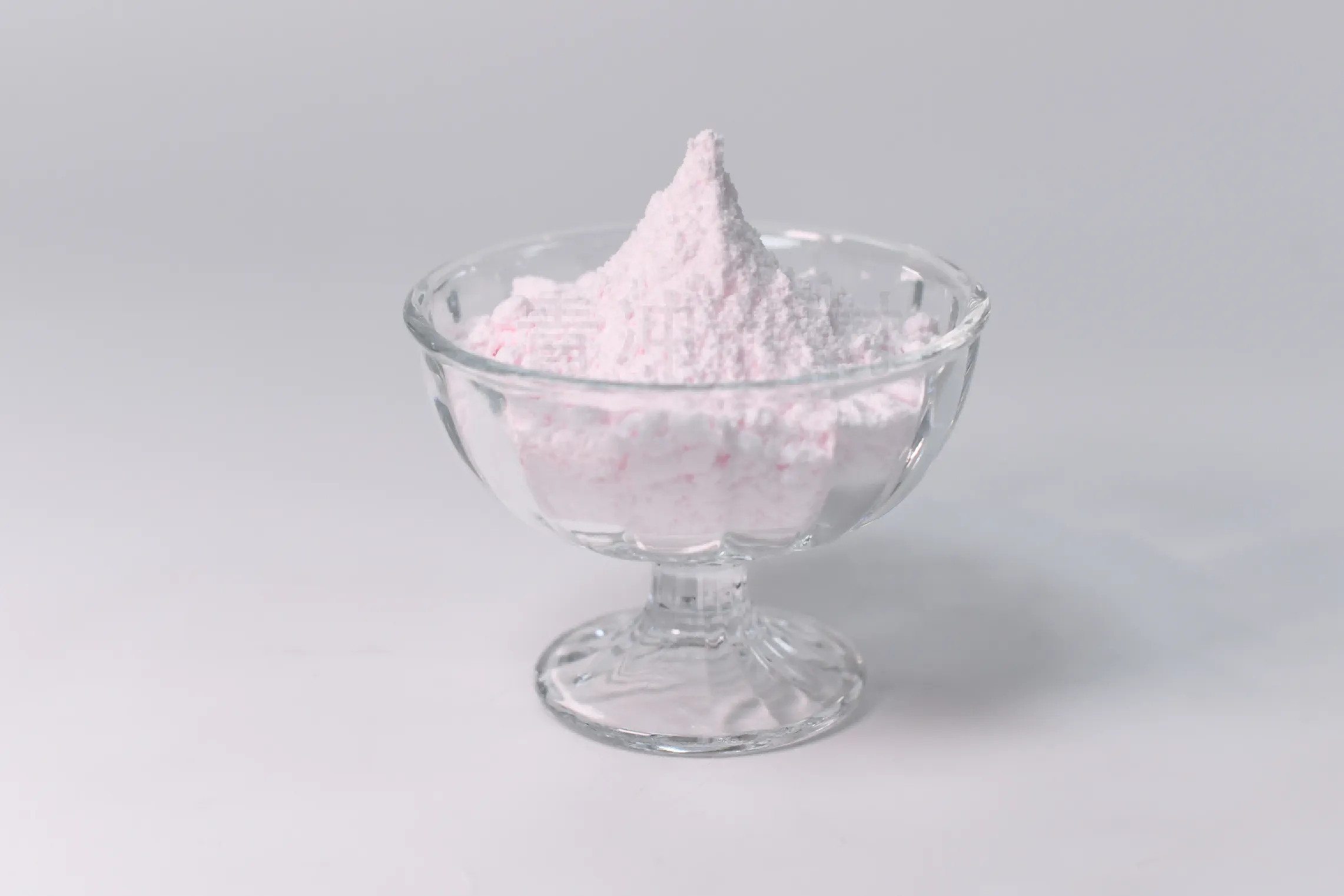
Actually testing quality of manganese sulfate
Don't take certificates of analysis at face value. Here's what to actually test:
Purity: Titration or spectrophotometry. Accept nothing below 98% for industrial, 99.5% for battery applications.
Heavy metals: AAS or ICP-MS. Total heavy metals should be ≤10 ppm. Anything above that is unacceptable.
Impurities: Test for calcium, magnesium, iron, and chloride specifically. Each has different acceptable thresholds depending on your application.
Moisture: Karl Fischer titration. Should be ≤0.5-1.0% depending on grade.
Particle size: Laser diffraction analysis. Consistency matters more than any specific number here.
Warning signs in suppliers
If you see any of these, walk away:
- Pricing way below market average (there's a reason it's cheap)
- Missing or incomplete certificates of analysis
- Vague or evasive answers about specifications
- No independent third-party testing
- Batch-to-batch inconsistency
- No ISO 9001 or relevant certifications
- Salespeople who get defensive when you ask technical questions
A better way to buy manganese sulfate
Actually qualify your suppliers
Check documentation: Business licenses, ISO certifications, product certifications. Verify them. Call the certification bodies if you have to.
Visit the factory: If you can. See their quality control processes. Look at their lab. Ask hard questions.
Test samples: Not just one sample. Multiple batches. And test for the things they might not want you to find.
Start small: Trial orders first. Watch for consistency. See how they handle problems.
Stay vigilant: Incoming inspection protocols, statistical process control, periodic audits. This isn't a one-time thing.
Basic incoming inspection checklist
| What to check | What to expect | How to test |
|---|---|---|
| Appearance | White to pale pink powder | Visual inspection |
| Purity | ≥98% | Titration |
| Mn content | ≥32% | AAS or ICP |
| Heavy metals | ≤10 ppm total | ICP-MS |
| Moisture | ≤0.5-1.0% | Karl Fischer |
Why the quality of manganese sulfate actually matters
The quality of manganese sulfate determines the outcomes of your production process, whether you are in battery manufacturing, feed production, or fertilizer creation. Everything operates smoothly until a breakdown occurs, which causes extreme difficulties.
Let's discuss your quality problems with QingChong New Materials if you need to protect your process from potential hazards. We have seen enough of these problems, and we understand that prevention measures need to be implemented instead of performing emergency cleanup operations.
Finding the right supplier
When you're evaluating manganese sulfate suppliers, here's what matters:
Real certifications (ISO 9001, GMP, relevant product standards) that you can verify
Complete documentation: CoA, SDS, test reports, and transparency about methods
Technical support: People who can actually answer your questions, not just sales reps
Consistency: Demonstrated reliability across batches
Honesty: Openness about sourcing, processes, and limitations
If you're looking for manganese sulfate that actually meets specifications, check out our manganese sulfate products here. We built our reputation on not having these kinds of problems.
Conclusion
The hidden costs of cheap manganese sulfate—product failures, regulatory issues, safety hazards, operational inefficiencies—are almost always higher than the price difference you see upfront. Implementing real supplier qualification, actual testing protocols, and total cost analysis isn't bureaucracy. It's protection.
Investing in quality manganese sulfate from reputable suppliers isn't just a procurement decision. It's about not having to explain to management why a "cost saving" turned into a product recall or a regulatory fine.
What you need to remember
1. Quality costs less than you think when you factor in everything
2. Test everything, especially when a new supplier seems too good to be true
3. Actually audit your suppliers—certifications on paper don't guarantee reality
4. Total cost matters more than unit price
5. Regulatory compliance isn't optional, and shortcuts catch up with you
FAQs
Q: What's the minimum purity I should accept?
A: For industrial applications, 98% MnSO₄·H₂O is the floor. For battery applications, you need ≥99.5%. But here's the thing: make your supplier prove it with current test results, not old certificates.
Q: How do I test quality without a full lab?
A: Basic tests: titration for purity, visual inspection, moisture by loss on drying. For heavy metals and full impurity profiling, you'll need an accredited lab. Worth the cost.
Q: What are the red flags?
A: Weird colors (should be white to pale pink), caking from moisture, inconsistent particle size, missing paperwork, prices way below market, suppliers who get defensive about questions. Any of these, walk away.
Q: What certifications matter?
A: ISO 9001 and ISO 14001 are baseline. GMP for pharmaceutical and food applications. USP, FCC, or GB certifications for specific applications. For EU markets, REACH registration. And verify these—don't just take their word for it.
Q: Storage requirements?
A: Cool, dry, ventilated. Below 30°C. Humidity under 60%. Sealed containers. Follow the SDS. This isn't complicated, but it matters.