EN
EN
 CN
CN
 fr
fr es
es ar
ar ru
ru de
de pt
pt tr
tr vi
vi it
it ja
ja ko
ko hi
hi

What Is Discharge Manganese Powder? A Complete Guide to MnO₂ for Battery Use
Discharge manganese powder is a manganese dioxide-based powder used in dry cell batteries, especially zinc-carbon batteries. It works as a depolarizer and supports stable electrochemical discharge inside the battery. For battery manufacturers, this material is not just a dark powder. It affects discharge time, shelf life, cathode performance, and production cost.
In battery purchasing, the word “MnO₂” is often too broad. Electrolytic manganese dioxide, chemical manganese dioxide, natural manganese dioxide, and discharge manganese powder can all belong to the manganese dioxide family, but they do not serve the same production needs. Discharge manganese powder has its own role. It is often selected when dry cell battery makers need a cost-effective MnO₂ material with suitable depolarization properties and controlled particle distribution.
What is discharge manganese powder?
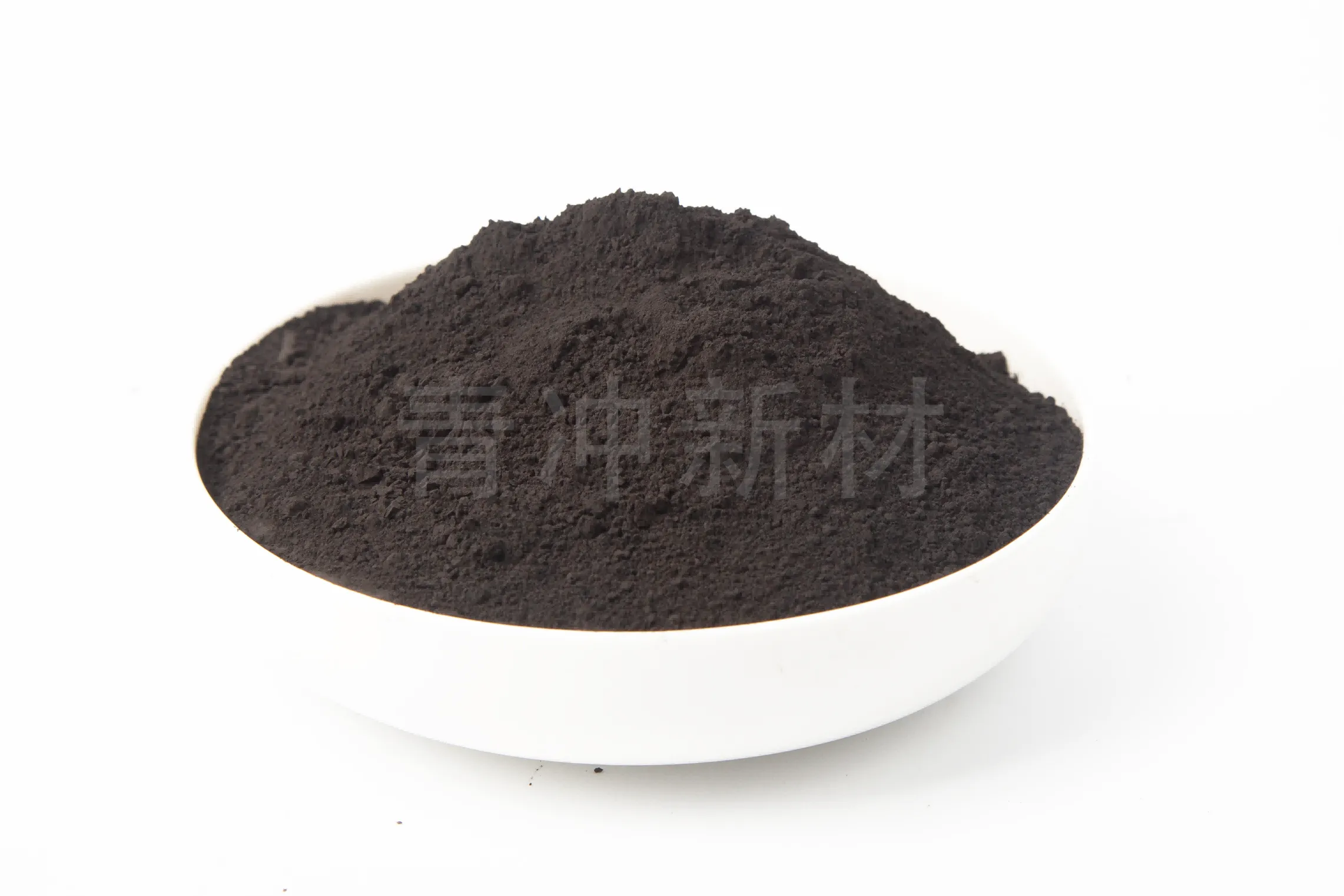
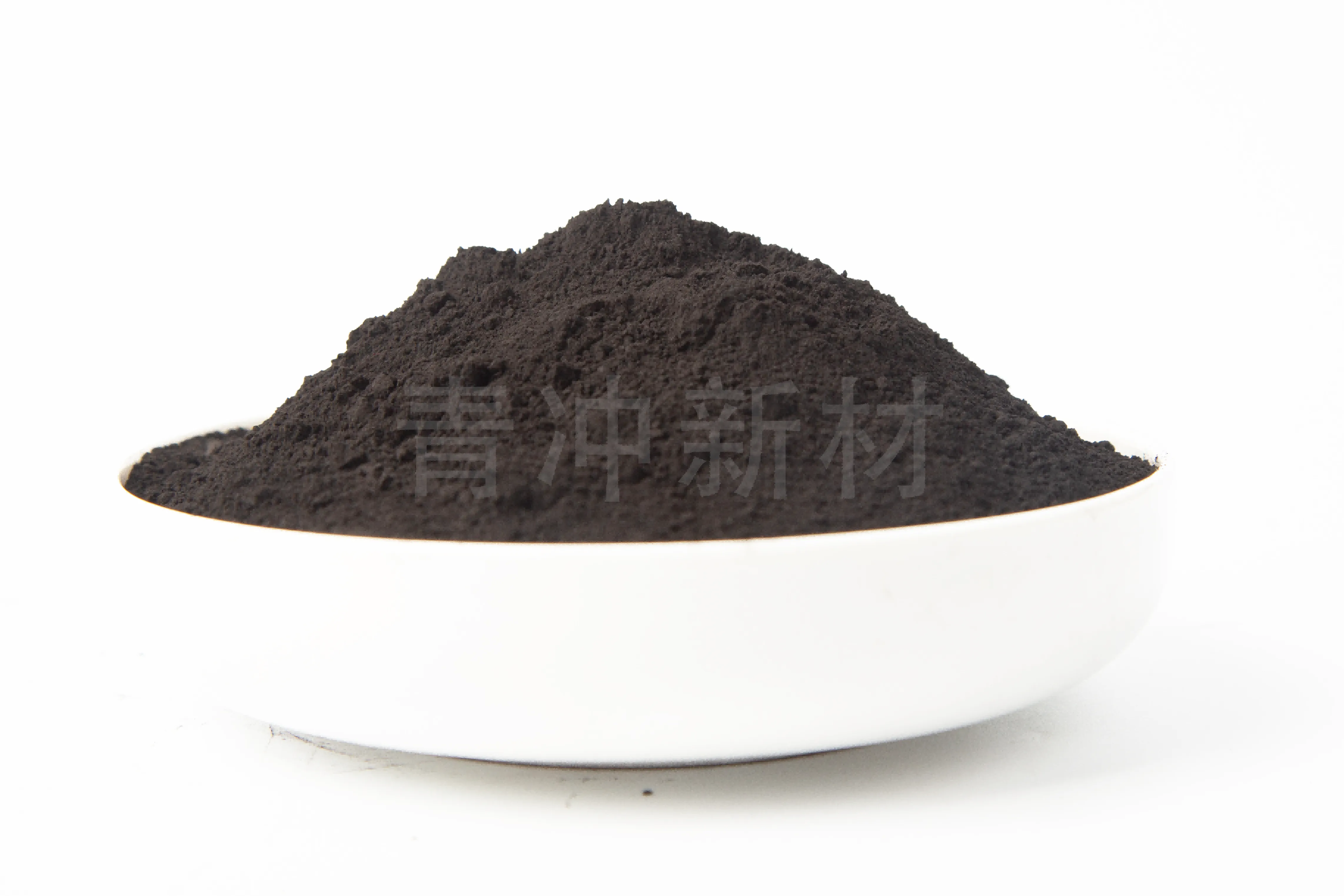
Discharge manganese powder is a manganese dioxide-based powder optimized for electrochemical discharge. QingChong lists the material with the formula MnO₂ and CAS number 1313-13-9. The product appears as a dark gray, blackish, or brown powder, and it is a fine powder designed for battery discharge use.
In zinc-carbon batteries, discharge manganese powder is used as a depolarizer. This means it helps control unwanted polarization during discharge. Without proper depolarization, the battery can lose voltage faster and deliver unstable performance.
A practical way to understand the material is simple: zinc provides the negative electrode reaction, while MnO₂ supports the positive electrode side. During discharge, MnO₂ helps accept electrons through reduction reactions. The battery then releases useful electrical energy.
Discharge manganese powder is often connected with pyrolusite-derived manganese dioxide. We notes that its discharge manganese powder is directly mined from pyrolusite, which helps lower production cost compared with electrolytic manganese dioxide. This cost difference matters for zinc-carbon battery lines where raw material economics can decide whether the final cell remains competitive.
Why MnO₂ matters in zinc-carbon batteries
A zinc-carbon battery may look simple, but its performance depends heavily on raw material consistency. MnO₂ is packed into the cathode mixture, usually with conductive carbon and electrolyte components. The quality of that cathode mixture affects discharge time, voltage stability, and shelf life.
Discharge manganese powder matters because it influences several battery outcomes:
- It supports depolarization during discharge.
- It affects how long the battery can provide usable power.
- It influences cathode paste behavior during production.
- It helps control the balance between cost and performance.
- It can affect the consistency of finished cells across batches.
For dry cell battery manufacturers, a low-cost material is not automatically a good material. A powder with poor particle distribution, high moisture, or uncontrolled impurities can create paste defects or unstable discharge results. The right discharge manganese powder should match the battery formula, the production process, and the target discharge requirement.
Key specifications buyers should check
Buyers should not order discharge manganese powder based on product name alone. They should review the technical data and confirm whether the material fits their battery design.
This QingChong’s discharge manganese powder specifications:
| Parameter | Listed specification |
|---|---|
| Formula | MnO₂ |
| CAS No. | 1313-13-9 |
| Appearance | Blackish or brown powder |
| MnO₂ content | 60% Min. |
| Iron (Fe) | 6% Max. |
| Silicon dioxide (SiO₂) | 15% Max. |
| Particle size | 120-325 mesh |
| pH value | 5-7.5 |
| Moisture | 3% Max. |
These values show why buyers need to distinguish discharge manganese powder from high-purity EMD or CMD. This product is not positioned as the same material as electrolytic manganese dioxide. It is a cost-effective discharge material for dry cell and zinc-carbon battery applications.
We also mention that discharge manganese powder typically requires MnO₂ content greater than 50%, low iron content, extremely low levels of heavy metals such as nickel, copper, and cobalt, and discharge time exceeding 300 minutes. These points are important because finished battery performance depends on both chemical content and actual discharge behavior.
How discharge manganese powder differs from EMD and CMD
Many buyers compare discharge manganese powder with EMD and CMD, but the comparison should be practical rather than academic.
EMD, or electrolytic manganese dioxide, is produced through an electrolytic process. It is usually selected when a battery needs stronger electrochemical consistency and higher-performance cathode behavior. EMD is an ideal choice for alkaline and zinc-carbon battery applications.
CMD, or chemical manganese dioxide, is produced by chemical precipitation. It is often used in electronics, capacitors, batteries, specialty glass, and other industrial applications, depending on its specification.
Discharge manganese powder has a different procurement logic. It is usually evaluated for dry cell use, especially zinc-carbon batteries, where cost control and sufficient discharge performance both matter. A buyer should not simply ask, “Which MnO₂ is best?” A better question is, “Which MnO₂ matches my cell formula, discharge target, and cost structure?”
| Material | Typical decision point |
|---|---|
| EMD | Choose it when higher electrochemical consistency is required |
| CMD | Choose it when chemically produced MnO₂ fits the application specification |
| Discharge manganese powder | Choose it when dry cell batteries need cost-effective depolarization performance |
This distinction prevents a common purchasing mistake. A supplier quote may say “MnO₂ powder,” but the buyer still needs to confirm the product route, active content, particle size, moisture, and intended battery use.
Quality factors that affect battery performance
The first quality factor is MnO₂ content. Higher active content can support stronger discharge performance, but it must be judged together with the full formula and discharge test results. For discharge manganese powder, the MnO₂ level may be lower than EMD, but the cost-performance balance can still fit zinc-carbon battery production.
Particle size is the second major factor. Particle size affects packing, surface area, paste mixing, and contact with conductive carbon. A powder that is too coarse may reduce reaction efficiency. A powder that is too fine may increase dust or complicate handling.
Moisture content is another practical issue. Excess moisture can cause clumping, change dosing accuracy, and disturb cathode paste preparation. For ocean shipment, moisture control also affects storage stability. QingChong lists moisture at 3% Max., which gives buyers a clear checkpoint when reviewing a CoA.
Impurities also matter. Iron, nickel, copper, and cobalt can influence battery behavior, especially self-discharge and long-term stability. Buyers should ask suppliers to provide batch-specific documentation instead of relying only on a website description.
Applications in battery manufacturing
Discharge manganese powder is mainly used in zinc-carbon dry cell batteries. These batteries remain widely used because they are affordable, easy to manufacture, and suitable for many low to medium-drain devices.
Typical end uses include:
- Remote controls
- Flashlights
- Clocks
- Toys
- Radios
- Simple household electronics
- Low-cost consumer battery products
In these applications, the manufacturer often needs a stable material that can support reliable discharge while keeping production costs under control. Discharge manganese powder fills that space. It does not need to compete with every high-purity MnO₂ grade. It needs to meet the dry cell manufacturer’s actual specification.
QingChong’s discharge manganese powder product also places the material under battery, chemical, and other industrial application areas. For battery buyers, the zinc-carbon depolarizer use remains the central application.
What buyers should request before ordering
A buyer should confirm more than the price. The material must match the factory’s formulation and incoming inspection standard.
Before placing an order, buyers should request:
- Technical Data Sheet
- Safety Data Sheet
- Certificate of Analysis
- Particle size data
- Moisture result
- Heavy metal impurity data
- Sample for discharge testing
- Packaging details
- MOQ and lead time
- Export documentation
A sample test is especially useful. The buyer can compare discharge time, paste behavior, and storage stability against the current material. This test protects both sides. The supplier avoids mismatched expectations, and the buyer avoids large-volume quality risk.
QingChong present ourselves as a manganese dioxide and manganese compound manufacturer with products used in batteries, water treatment, ceramics, glass, metallurgy, agriculture, and other industries. We also highlight quality control, export experience, and batch tracking on our website. Welcome to visit us and learn more about our manganese product.
[Contact us to get your quotation]
Conclusion
Discharge manganese powder is a practical MnO₂ material for dry cell battery production, especially zinc-carbon batteries. It works as a depolarizer, supports discharge performance, and gives manufacturers a cost-effective alternative to higher-cost manganese dioxide grades when the application allows it.
Buyers should evaluate this material by specification, not by name alone. MnO₂ content, particle size, moisture, impurities, discharge time, and documentation all matter. The best choice is not always the highest-purity material. The best choice is the material that fits the battery formula, passes the factory’s test, and performs consistently in production.
FAQs
1. What is discharge manganese powder used for?
Discharge manganese powder is mainly used in zinc-carbon dry cell batteries as a depolarizer. It helps support stable electrochemical discharge.
2. Is discharge manganese powder the same as EMD?
No. Discharge manganese powder and EMD are both MnO₂-based materials, but they differ in production route, purity level, cost, and typical application.
3. What MnO₂ content should discharge manganese powder have?
QingChong’s product page lists MnO₂ 50% Min. for its discharge manganese powder.
4. Why does particle size matter in discharge manganese powder?
Particle size affects cathode paste mixing, surface area, reaction efficiency, and production handling. Buyers should confirm mesh size or particle size data before ordering.
5. What should buyers check before purchasing discharge manganese powder?
Buyers should check MnO₂ content, particle size, moisture, iron content, heavy metal levels, discharge time, CoA, SDS, TDS, packaging, MOQ, and sample test results.