EN
EN
 CN
CN
 fr
fr es
es ar
ar ru
ru de
de pt
pt tr
tr vi
vi it
it ja
ja ko
ko hi
hi

How to Buy Discharge Manganese Powder: What Specs to Check Before Placing an Order
Buying discharge manganese powder looks simple until the first batch fails incoming inspection. A buyer may receive a powder that looks correct, but the battery line may still see weak discharge time, unstable cathode paste, excess moisture, or impurity-related self-discharge.
This is why a purchase order should never rely on the phrase “MnO₂ powder” alone. Discharge manganese powder is a functional battery raw material, not a generic mineral powder. The right product must match the battery formula, discharge requirement, production process, and inspection standard.
This guide explains which specifications buyers should check before placing an order, especially when sourcing discharge manganese powder for zinc-carbon dry cell battery production.
Step zero: confirm what product you are actually buying
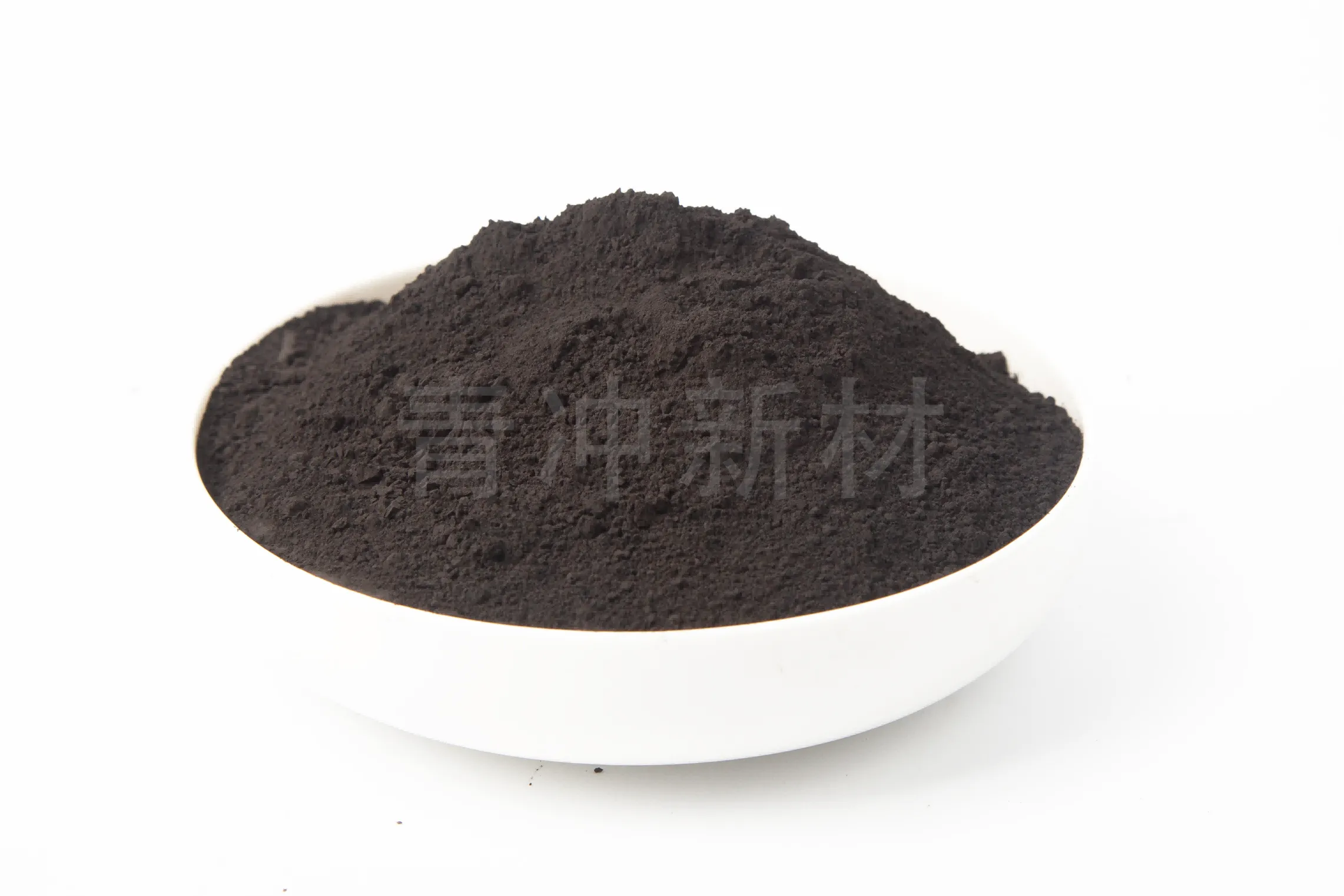
Before you compare prices, you should confirm the product type. Manganese dioxide products can include electrolytic manganese dioxide, chemical manganese dioxide, natural manganese dioxide, and discharge manganese powder. These materials may share the formula MnO₂, but they do not carry the same purity level, production route, or application logic.
Discharge manganese powder is usually purchased for dry cell batteries, especially zinc-carbon batteries. It works as a depolarizer and supports the discharge process inside the cell. It is often selected when the buyer needs a cost-effective MnO₂ material rather than a higher-cost electrolytic grade.
A supplier should clearly state whether the offered material is discharge manganese powder, EMD, CMD, or another MnO₂ product. If the quotation only says “battery-grade MnO₂” without a product route or specification sheet, that is a risk signal. You should ask for clarification before requesting a final price.
Spec check 1: MnO₂ content
MnO₂ content is the first specification buyers usually check. It tells you how much manganese dioxide is present in the material. For battery use, this number affects the active material available for discharge performance.
The MnO₂ content of our discharge manganese powder’s at 60% Min. And discharge manganese powder generally requires MnO₂ content greater than 50%.
This value should not be compared directly with EMD or CMD without context. EMD and CMD may have higher MnO₂ content, but discharge manganese powder is positioned differently. It is used where dry cell battery manufacturers need a practical balance between discharge function and raw material cost.
Before ordering, buyers should ask:
What is the guaranteed MnO₂ minimum?
Which test method is used?
Is the value shown on a batch-specific CoA?
Does the sample match the bulk material?
Has the material been tested in a similar battery formula?
A website number is useful, but the CoA is what protects the actual order.
Spec check 2: discharge performance
For battery buyers, chemical content is only part of the story. The material must perform inside a real cell. Discharge performance shows whether the powder can support the required battery output over time.
The discharge time of our discharge manganese powder is more than 300 minutes. Buyers can treat this as a key discussion point and ask how the test was performed. The same powder can perform differently under different cell designs, loads, electrolytes, and test conditions.
A good buying process includes sample testing. The buyer should run the sample through its own battery formula and compare it with the current material. This test should check:
Discharge time
Voltage stability
Cathode paste behavior
Storage stability
Batch consistency
Self-discharge tendency
A supplier can provide a starting specification, but the buyer’s own battery test gives the final answer.
Spec check 3: particle size and mesh range
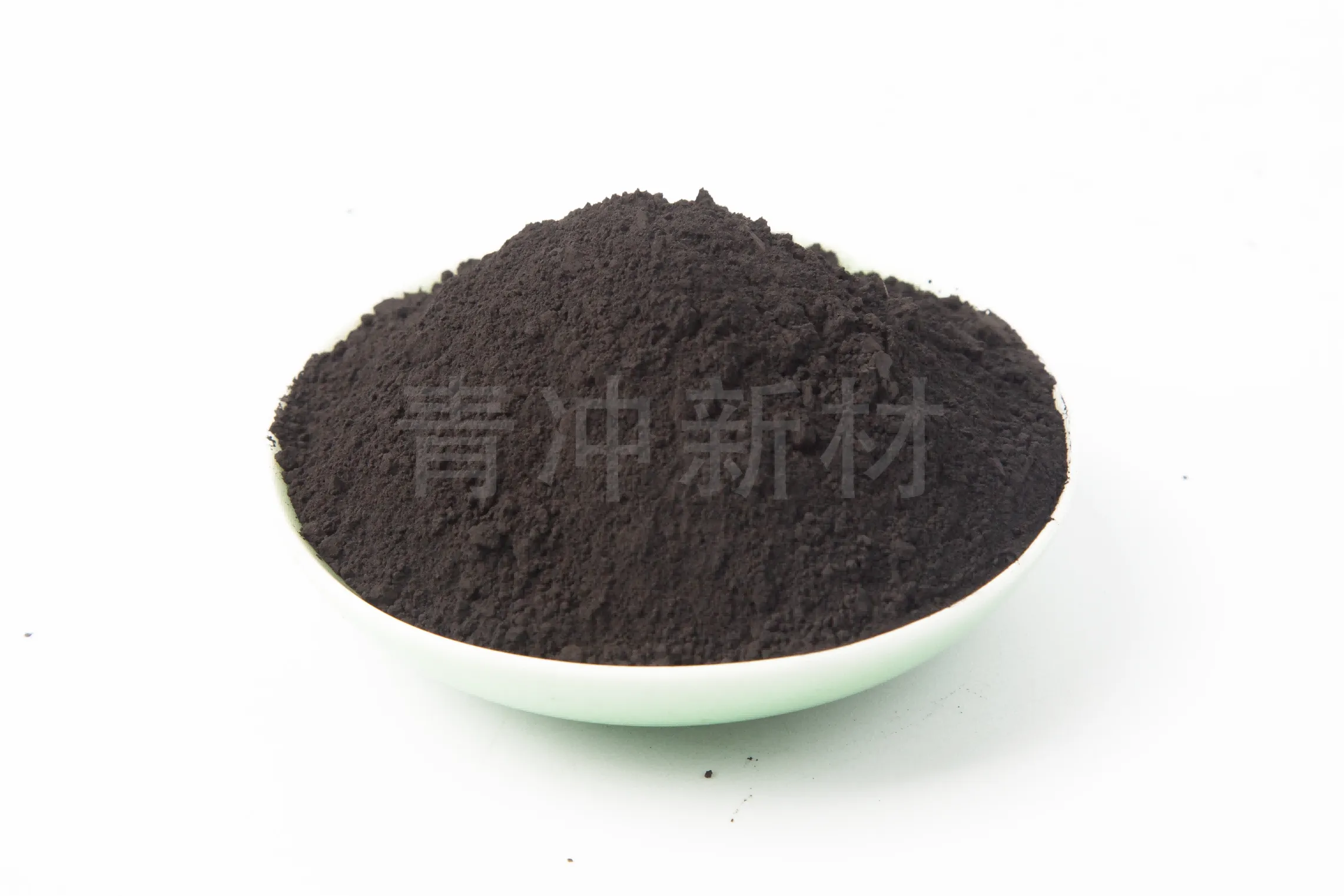
Particle size affects mixing, packing, and reaction behavior. A powder that is too coarse may reduce reaction efficiency. A powder that is too fine may create dust, handling problems, or paste viscosity issues.
Our particle size for discharge manganese powder as 120-325 mesh. This gives buyers a practical range for dry cell production. However, buyers should still confirm whether this mesh range matches their electrode mixing process.
If your factory uses strict cathode paste controls, you may need more than a mesh range. You can request particle size distribution data, such as D50 or D90 values, when available. These numbers help production engineers understand whether the powder will behave consistently during dosing and mixing.
Before placing an order, buyers should confirm:
Listed mesh size
Particle size distribution, if required
Dust control requirements
Compatibility with current mixing equipment
Whether sample and bulk particle size are consistent
Particle size problems are easy to overlook during quotation, but they become obvious on the production floor.
Spec check 4: moisture content
Moisture is a practical specification, but it can create real production problems. Excess moisture can cause clumping during storage. It can also disturb weighing accuracy and change the water balance in cathode paste preparation.
Moisture control also depends on packaging. A powder may leave the factory within specification but absorb moisture during long-distance transport if packaging is weak. Buyers should confirm both the moisture result and the packaging method.
Questions to ask include:
What is the moisture limit on the CoA?
How is moisture tested?
What packaging is used for export?
Is the inner liner moisture-resistant?
How should the material be stored after arrival?
For long ocean freight routes, moisture control should be part of the purchase agreement, not an afterthought.
Spec check 5: iron, silicon dioxide, and heavy metals
Impurities can affect battery performance, storage stability, and customer acceptance. Some impurities may influence self-discharge or create unwanted side reactions inside the cell.
Buyers should not rely only on general descriptions. They should request impurity data on the CoA. If the battery is sold into strict consumer or industrial markets, buyers may also need RoHS, REACH, or customer-specific impurity documentation.
Important impurity checks include:
Fe
SiO₂
Ni
Cu
Co
Pb, if required by compliance rules
Other elements required by the buyer’s internal standard
For a low-cost dry cell product, the buyer may accept broader impurity limits. For a customer with strict shelf-life requirements, the buyer should apply tighter controls.
Spec check 6: pH value
The pH value affects compatibility with the battery formula and other cathode ingredients. A material with an unsuitable pH may create processing issues or affect the stability of the cell system.
The buyer should ask the supplier to include pH in the CoA. If the factory has had paste stability issues before, pH should be reviewed together with moisture, particle size, and impurity levels.
Spec check 7: packaging, MOQ, and shipment conditions
Packaging can decide whether the powder arrives in usable condition. Discharge manganese powder should be kept dry, clean, and protected from contamination. Poor packaging can cause moisture absorption, broken bags, dust loss, or material mixing risk.
Before placing an order, buyers should confirm:
Bag or drum type
Net weight per package
Inner liner material
Pallet method
Container loading method
Storage recommendations
Shipping marks
Export documentation
MOQ also matters. A first order should often begin with a sample or trial batch. The buyer should test the material first, then move to bulk quantity after confirming discharge performance and process compatibility.
Lead time should also be confirmed in writing. If the buyer needs regular supply, it should ask whether the supplier can maintain the same specification across multiple batches.
Documents buyers should request
| Document | Why it matters |
|---|---|
| Technical Data Sheet | Confirms product specifications |
| Certificate of Analysis | Shows batch-specific test results |
| Safety Data Sheet | Supports safe handling and transport |
| Packing list | Confirms shipment details |
| Sample test report | Helps compare performance before bulk order |
| Compliance declaration | Supports regulated markets when needed |
| Country-of-origin document | Supports customs and import clearance |
How to evaluate a supplier before placing an order
A reliable supplier does more than quote a low price. It should help the buyer confirm whether the product matches the intended use.
A buyer should look for these signals:
The supplier clearly identifies the product type.
The supplier provides product specifications before negotiation.
The supplier supports sample testing.
The supplier provides batch-specific CoA.
The supplier explains packaging and shipment conditions.
The supplier responds clearly to technical questions.
The supplier can support repeat orders with consistent quality.
For buyers reviewing discharge manganese powder for battery use, the key next step is not just asking for price. The key step is requesting a sample, CoA, and technical data sheet for qualification.
Pre-order checklist
Before placing an order, buyers should confirm the following:
1. The product is discharge manganese powder, not another MnO₂ grade.
2. MnO₂ content meets the battery formula requirement.
3. Discharge time meets the buyer’s internal test standard.
4. Particle size or mesh range matches the production process.
5. Moisture content is within the agreed limit.
6. Fe, SiO₂, and heavy metal data are available.
7. pH value fits the cathode formulation.
8. Packaging protects the powder during shipment.
9. Sample results match the expected battery performance.
10. Bulk order documents are ready before shipment.
This checklist helps buyers avoid the most common sourcing mistakes. It also makes supplier comparison more objective.
Conclusion
Discharge manganese powder should be purchased by specification, not by product name alone. A good order starts with the correct MnO₂ product type, then moves through MnO₂ content, discharge performance, particle size, moisture, impurity levels, pH, packaging, and documentation.
The lowest price is not always the lowest cost. If the powder causes poor discharge performance or production instability, the savings disappear quickly. Buyers should request a sample, test it in their own battery system, and confirm batch documentation before moving to bulk purchase.
FAQs
1. What is the most important specification when buying discharge manganese powder?
MnO₂ content is one of the most important specifications, but buyers should also check discharge time, particle size, moisture, impurities, and pH.
2. What MnO₂ content does QingChong list for discharge manganese powder?
QingChong lists MnO₂ 50% Min. for its discharge manganese powder.
3. Why does moisture matter in discharge manganese powder?
Moisture can cause clumping, dosing errors, storage problems, and cathode paste instability. Buyers should confirm moisture data on the CoA and check export packaging.
4. Should buyers test a sample before bulk ordering?
Yes. Sample testing helps buyers confirm discharge time, paste behavior, voltage stability, and compatibility with their own battery formula.
5. What documents should a supplier provide?
A supplier should provide a Technical Data Sheet, Certificate of Analysis, Safety Data Sheet, packing details, sample information, and any required compliance documents.