EN
EN
 CN
CN
 fr
fr es
es ar
ar ru
ru de
de pt
pt tr
tr vi
vi it
it ja
ja ko
ko hi
hi

Best Manganese Source for Agriculture: Sulfate or Carbonate?
Understanding Manganese in Agricultural Systems
Manganese represents one of the eight essential micronutrients required for optimal plant growth. However, this element often receives insufficient attention until visual deficiency symptoms appear in crops. Once symptoms manifest, agricultural consultants and crop advisors frequently encounter questions regarding the most effective manganese supplementation strategy.
The distinction between manganese sulfate and manganese carbonate extends beyond simple cost or availability considerations. Soil chemistry, pH levels, and specific crop requirements fundamentally influence which formulation will deliver superior results. Matching the manganese source to existing soil conditions determines whether growers achieve expected yield improvements or experience continued nutritional deficiencies.
Manganese Sulfate: Characteristics and Applications
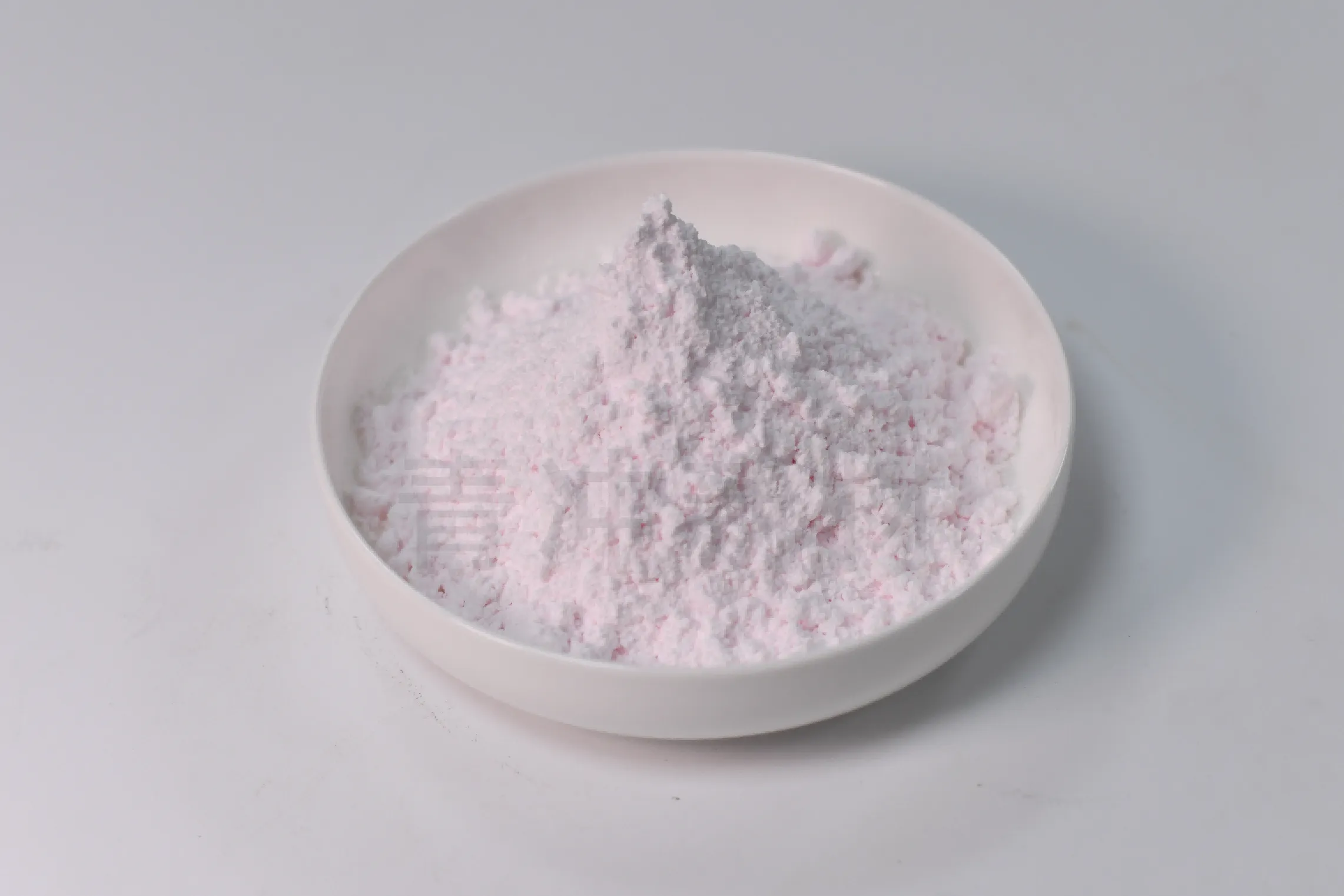
Manganese sulfate monohydrate (MnSO₄·H₂O) demonstrates higher water solubility compared to alternative manganese fertilizer sources. Field research and agronomic studies suggest this property creates both advantages and limitations depending on specific application scenarios.
Key characteristics:
The high solubility of manganese sulfate provides immediate manganese availability to plant root systems. This rapid availability makes the product particularly valuable when addressing active deficiency symptoms. Studies show that crops begin absorbing manganese within days of application rather than weeks.
As manganese sulfate dissolves in soil solution, it contributes to localized soil acidification in the application zone. This effect increases manganese availability not only from the applied fertilizer but also from native soil manganese reserves.
The sulfate component provides supplementary sulfur nutrition, which many crops require for protein synthesis. The single application enables growers to obtain two vital nutrients for their crops.
Field trials and farmer surveys suggest that manganese sulfate demonstrates versatility across multiple application methods. These include soil broadcasting, band placement, foliar spraying, and seed treatment. The system allows farmers to use it in various agricultural practices.
Appropriate use scenarios:
- Rapid correction of observable deficiency symptoms
- Soils with pH readings above 7.0
- Foliar application programs requiring quick nutrient uptake
- Drip irrigation systems where solubility is essential
Documented limitations:
- Leaching potential in coarse-textured sandy soils following precipitation events
- Requirement for multiple applications in high-pH situations to maintain availability
- Unsuitability as a sustained-release nutrient source
Manganese Carbonate: Characteristics and Applications
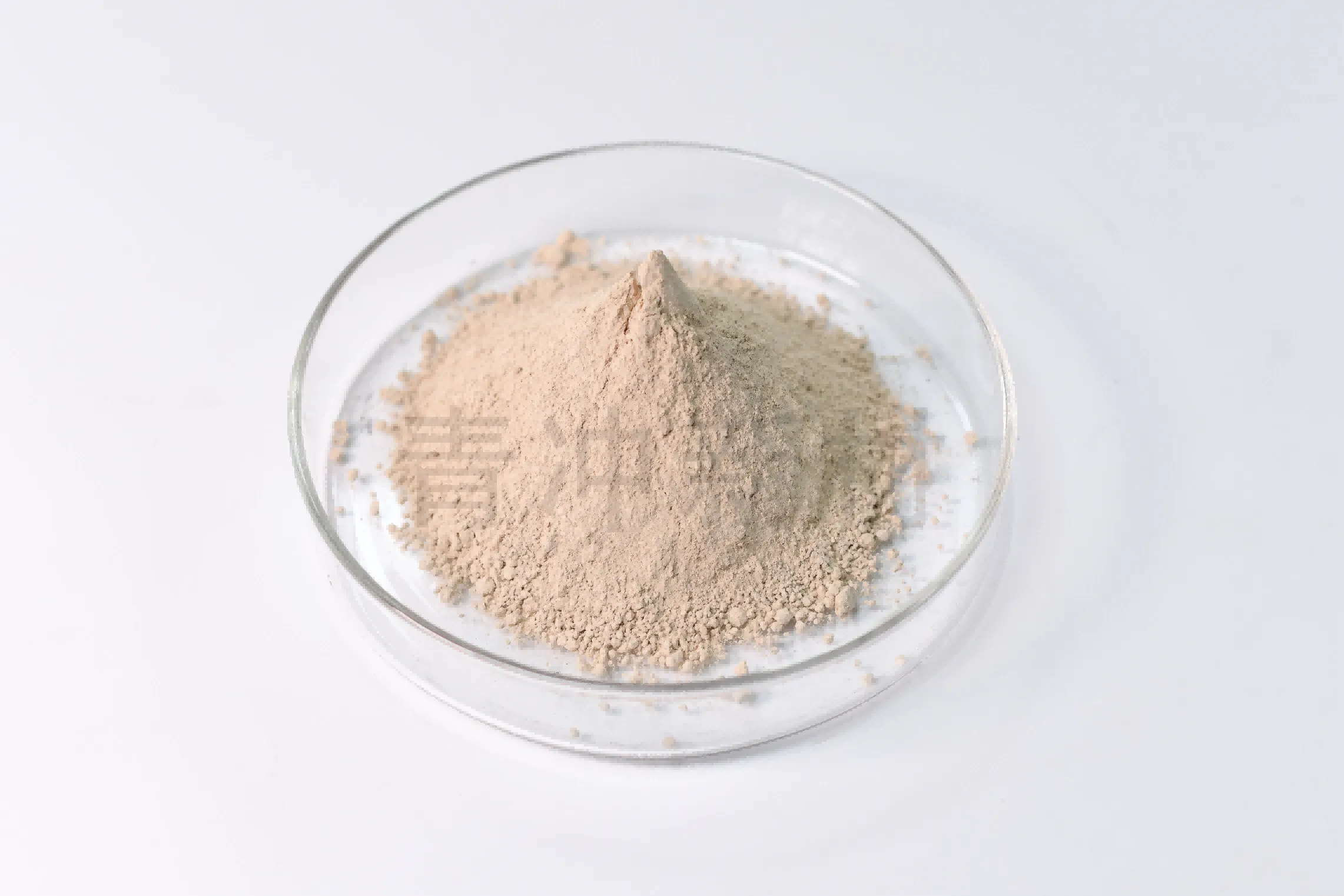
Manganese carbonate (MnCO₃) exhibits different behavior in soil systems compared to sulfate formulations. The reduced solubility profile creates distinct advantages and disadvantages.
Key characteristics:
Soil Manganese availability progresses because manganese carbonate decomposes into its constituents, which release Manganese to plants. The slow-release pattern enables single treatments to sustain manganese levels for extended durations, which can last through multiple growing seasons when conditions are right.
The lower solubility reduces leaching losses, which occur more frequently during periods of inconsistent rainfall or when irrigation management results in drainage issues. The retention characteristic of this material enables cost savings, as it decreases the need for additional application of replacements.
Manganese carbonate does not contribute to soil acidification in the application zone. The material maintains its neutral state, which helps eliminate the potential for micronutrient imbalances and harmful chemical reactions with other soil amendments, including phosphorus fertilizers.
Per-unit manganese costs often favor carbonate formulations, though the trade-off involves slower availability rather than immediate nutrient release.
Appropriate use scenarios:
- Preventive applications before deficiency symptoms develop
- Soils with moderate pH ranging from 6.5 to 7.0
- Operations preferring single-pass nutrient application
- Bulk fertilizer blending systems where slow-release characteristics are desirable
Documented limitations:
- Inappropriateness for emergency correction when plants display deficiency symptoms
- Reduced effectiveness in soils with pH exceeding 7.5 without supplementary management
- Variable performance depending on soil biological activity and organic matter content
Agricultural research on perennial crop systems documents successful early-season soil applications of manganese carbonate. The gradual nutrient release pattern aligns with the progressive nutrient demands of developing fruit and woody tissue. Single applications implemented at spring green-up demonstrated season-long effectiveness.
Comparative Analysis
Research-based comparisons enable informed decision-making. The following table synthesizes findings from multiple agronomic studies and field trials:
| Factor | Manganese Sulfate | Manganese Carbonate |
|---|---|---|
| Solubility | High (immediate availability) | Low (gradual release) |
| Onset of effect | Days | Weeks to months |
| Soil pH interaction | Slight acidification | Neutral |
| Leaching risk | Elevated in sandy soils | Lower retention |
| Primary application | Emergency correction | Preventive programs |
| Application methods | Soil, foliar, seed, drip | Primarily soil |
| Relative cost per unit Mn | Variable | Frequently lower |
| Optimal pH range | All levels | 6.5-7.5 |
Neither formulation demonstrates universal superiority. Soil test results, specific crop requirements, and operational management systems should guide selection decisions.
Decision Framework for Crop Producers
Assessment protocol:
Soil testing should precede any manganese application decision. Key factors include current soil pH levels, organic matter percentages, and cation exchange capacity measurements. Manganese availability declines sharply when pH exceeds 6.5 units.
Objective identification:
Producers should clarify whether the goal involves correcting existing deficiency symptoms or preventing potential shortages. Sulfate formulations address acute needs more effectively, while carbonate sources provide preventive benefits.
System compatibility evaluation:
Matching fertilizer characteristics to existing management practices.Tillage intensity, irrigation methods, and current fertilization programs influence which manganese source will perform optimally.
Practical Application Parameters
Soil application rates:
- Manganese sulfate: Five to twenty pounds manganese per acre
- Manganese carbonate: Ten to thirty pounds manganese per acre (higher rates necessary due to lower availability)
Foliar application guidelines:
- Manganese sulfate: One to two pounds per acre in adequate water volume for thorough coverage
- Applications most effective when leaves demonstrate active growth
Timing considerations:
- Preventive soil applications optimal two to four weeks before peak crop demand periods
- Foliar corrections most effective when initial deficiency symptoms appear
Economic Considerations
Cost-effectiveness evaluation beyond simple product pricing. A comprehensive analysis should include product cost per pound of actual manganese, application expenses, expected duration of effectiveness, and potential yield impacts from untreated deficiency.
The lower-cost slow-release products applied once may outperform more soluble formulations requiring two applications to achieve equivalent results. However, when soil pH exceeds the effective range for slow-release sources, the less expensive product fails to deliver expected benefits, representing false economy.
Common Management Errors
Insufficient diagnostic information:
Soil testing provides essential baseline data. Without laboratory analysis, producers cannot determine whether manganese applications address actual deficiencies.
Symptom-focused rather than cause-focused management:
The repeatedly applying manganese sulfate to high-pH soils addresses symptoms rather than underlying causes. The pH management through appropriate liming practices may reduce long-term manganese supplementation requirements.
Excessive application rates:
Manganese toxicity concerns when applications exceed crop requirements, particularly in acidic soils. Adherence to research-based application guidelines with annual soil monitoring.
Method-selection errors:
The product characteristics must align with application methods. Surface broadcasting of manganese sulfate in no-till systems without addressing soil contact limitations reduces effectiveness.
Selection Guidelines
Manganese sulfate is recommended when:
- Active deficiency symptoms are visible in crops
- Soil pH measurements exceed 7.0
- Sandy textured soils require careful management
- Drip irrigation or foliar application methods are employed
- Rapid response to nutritional deficiencies is necessary
Manganese carbonate is recommended when:
- Preventive nutrient programs are implemented before symptoms appear
- Soil pH falls within the 6.5 to 7.5 range
- Single-pass application coverage is preferred
- Manganese inclusion in bulk fertilizer blends is required
- Perennial crop systems benefit from sustained nutrient availability
Combined use is justified when:
- Farm operations include fields with varied soil conditions
- Both immediate correction and long-term building strategies are desired
- Operational budgets support layered nutrient management approaches
Uncertain producers implement soil testing protocols followed by small test strip comparisons of candidate products. Field-scale response data provides more valuable information than generalized recommendations.
Conclusion
Both manganese sulfate and manganese carbonate serve legitimate roles in agricultural nutrient management. Selection decisions should rest upon matching product characteristics to soil conditions, crop requirements, and operational systems rather than assuming one formulation represents a universally superior choice.
Manganese sulfate delivers rapid availability and application flexibility. It has effectiveness for immediate deficiency correction. Manganese carbonate provides sustained availability and improved retention characteristics. It is more suitable for preventive programs and specific soil conditions.
Neither formulation succeeds when applied inappropriately or under unsuitable conditions. Producers achieving greatest success with micronutrient management employ systematic approaches including soil testing, crop monitoring, appropriate product selection, and results-based adjustment protocols. For those seeking quality manganese products suitable for various agricultural applications, options exist for both sulfate and carbonate formulations addressing diverse farming system requirements.
Preventing manganese deficiency requires understanding soil chemistry, making informed product selections, and implementing timely applications. These practices support healthy crop development and optimized yield outcomes.
FAQs
Q: Can both manganese sulfate and manganese carbonate be applied within the same growing season?
A: Combined use represents a valid strategy. Producers might apply sulfate formulations for early-season acute correction while utilizing carbonate sources for preventive coverage across fields with persistent pH challenges.
Q: What effectiveness should producers expect from manganese carbonate in soils with a pH of 7.8?
A: At elevated pH levels, manganese carbonate dissolution rates decrease substantially. Sulfate or chelated manganese sources typically deliver superior results under these conditions. Long-term pH management should also receive consideration.
Q: What testing frequency do researchers recommend for manganese monitoring?
A: An annual soil testing for high-pH and sandy soil situations where manganese availability fluctuates. Under more stable soil conditions, two to three year testing intervals may prove adequate.
Q: Is manganese carbonate suitable for combination with other fertilizer products?
A: Manganese carbonate demonstrates compatibility in bulk fertilizer blending applications. Physical compatibility testing remains advisable for novel combinations, and extended blend storage periods should be avoided.