EN
EN
 CN
CN
 fr
fr es
es ar
ar ru
ru de
de pt
pt tr
tr vi
vi it
it ja
ja ko
ko hi
hi

MnO as a Ceramic Colorant: How to Achieve Consistent Brown and Amber Glazes with Manganese Oxide Powder
For ceramic plants, glaze labs, and purchasing teams, manganese oxide is useful not because it sounds versatile, but because it can produce repeatable brown and amber development when chemistry, particle size, firing, and batch control stay disciplined. The challenge is that color drift often comes from raw-material variation and process inconsistency, not from the recipe headline alone.
Why MnO Matters in Brown and Amber Glaze Development
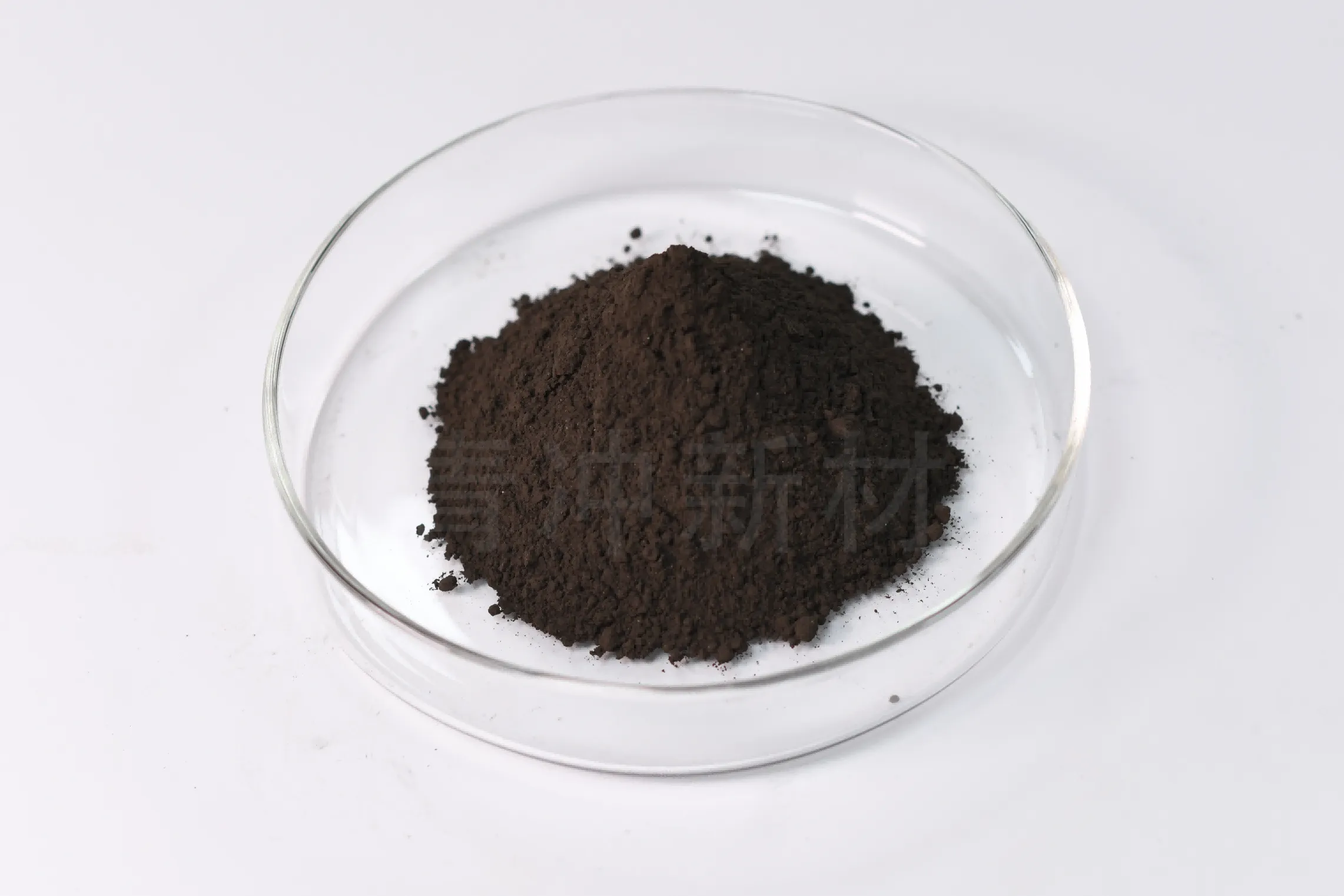
For ceramic buyers screening industrial MnO, the useful starting checks are application fit for ceramics and pigments, grey-green powder appearance, MnO content at 60% minimum, manganese at 46% minimum, and particle size below 250 micrometers.
In ceramic work, a brown glaze is rarely controlled by one number alone. Brown and amber outcomes depend on the manganese source, glaze base, firing temperature, kiln atmosphere, application thickness, and interactions with iron, alkalis, alumina, silica, and any opacifiers or modifiers in the body or coating system. That is why stable glaze color starts with a raw-material review, not only with a firing schedule.
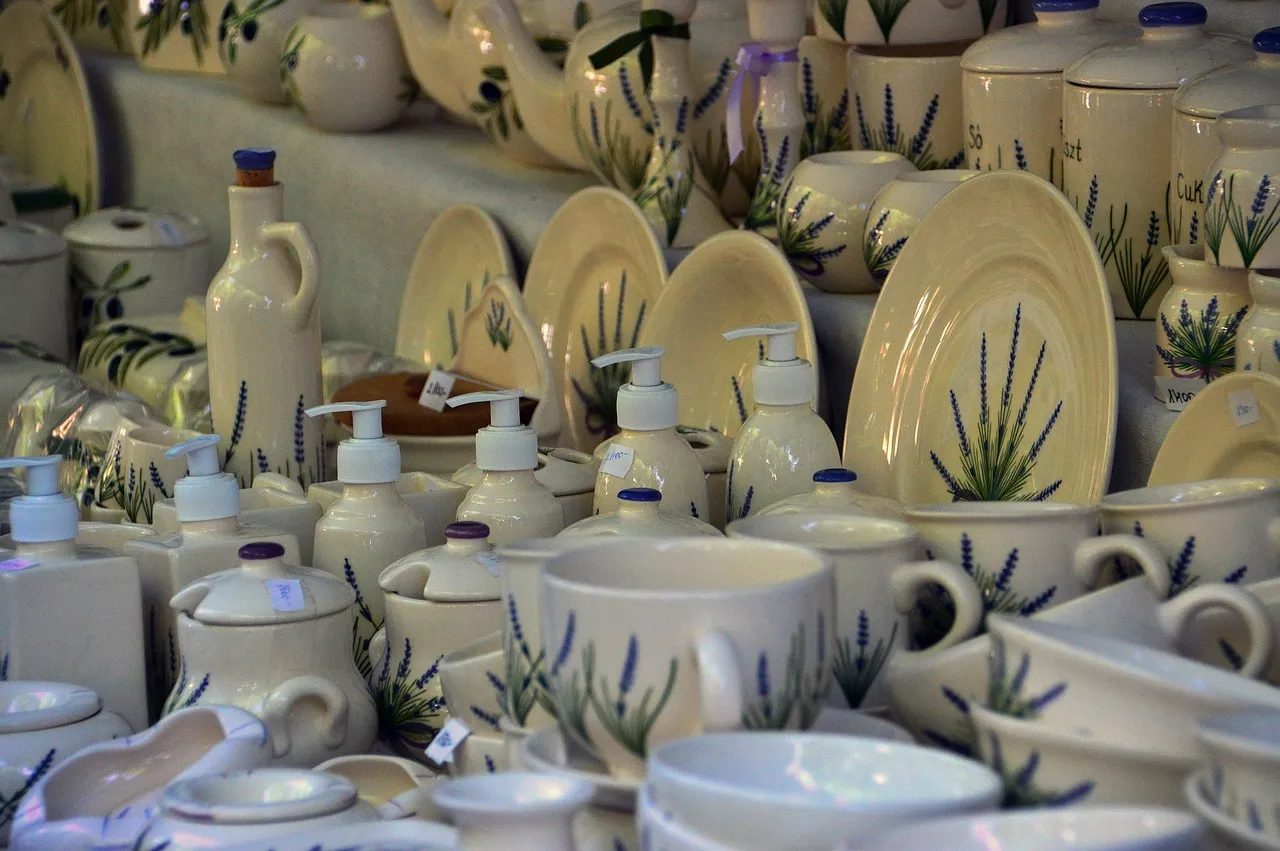
In ceramic and enamel production, manganese compounds are often chosen when the target is stable brown, green, purple, black, or other durable fired tones across tiles, bricks, enamels, and related surfaces.
What MnO Contributes Inside a Ceramic Glaze
MnO functions primarily as a colorant, but it also influences melt behavior and the visual character of the fired surface. In many glaze systems, manganese helps move color into brown, amber, warm bronze, smoky olive-brown, or deep dark earth tones, depending on what other oxides are present and how the kiln cycle is managed. In practical factory terms, MnO is often chosen when the color target calls for warmth, depth, and a less flat appearance than iron alone can provide.
Compared with some other manganese sources, MnO can be useful when the plant wants a direct manganese oxide input rather than relying on decomposition from manganese carbonate or oxygen release from manganese dioxide. That does not automatically make it the best manganese source for every glaze. It does mean buyers should evaluate MnO as part of a full glaze system decision that includes color target, firing range, dispersion needs, and defect tolerance.
MnO Buying Factors for Brown and Amber Glazes
| Factor | Why it matters | What to ask the supplier |
|---|---|---|
| MnO content | Color strength and batch consistency depend on actual available manganese oxide level. | What is the guaranteed MnO minimum and how is it tested by batch? |
| Impurity profile | Lead, arsenic, cadmium, iron, and other trace components can affect both compliance and fired appearance. | Can the supplier provide batch COA values for Pb, As, Cd, and other relevant impurities? |
| Particle size | Dispersion and color uniformity improve when the powder behaves consistently in the glaze slurry. | What particle-size range is normal, and is PSD data available if the glaze is spray-applied or tightly filtered? |
| Appearance and flowability | Powder color, dryness, and agglomeration can hint at storage or lot variation. | How are moisture exposure, caking risk, and packaging handled before shipment? |
| Application fit | Tile glaze, sanitaryware, tableware, and art-stoneware often need different process control windows. | Which ceramic applications has this MnO grade been used in, and what firing range is most typical? |
How Brown and Amber Glazes Drift Off Target
When glaze color shifts from warm amber to muddy brown, from clean brown to over-dark, or from one batch to the next without an obvious recipe change, the root cause is often a combination of small variables. Common triggers include inconsistent MnO content, poor dispersion, raw-material blending variation, uneven application weight, firing differences, glaze-fit shifts, and interaction changes caused by reformulated fluxes or clays.
Thickness matters. A glaze that looks balanced at one application weight may turn too dark, too opaque, or too stagnant at a heavier laydown. Atmosphere matters too. Even when a plant intends to run oxidation, practical kiln conditions can vary enough to change manganese behavior and final tone. The same is true for cooling rate, especially when the glaze surface is expected to stay clean and glassy instead of developing haze, mottling, or excessive microtexture.
- Raw-material lots change, but the plant keeps the same addition rate without rechecking fired panels.
- The glaze slurry is not milled or dispersed consistently, leaving MnO-rich specking or density streaks.
- Application weight varies between lines, shifts, or operators.
- Kiln temperature profile or ventilation changes subtly across production width.
- The glaze base changes because of flux, frit, clay, or silica substitution, but the colorant target is not revalidated.
- Procurement accepts a supplier COA that meets chemistry limits but does not reveal particle-behavior differences relevant to the glaze process.
How to Build More Consistent Brown and Amber Results
The most reliable route is to treat MnO as one controlled input inside a controlled glaze system. Start with a stable base glaze. Then validate MnO across a practical ladder of additions in small pilot runs rather than making a large color jump in full production. The goal is not only to find a pretty color chip. The goal is to identify the addition window where the glaze keeps color stability, melt quality, and surface cleanliness together.
For industrial users, this usually means recording three things at the same time: chemistry, application weight, and kiln result. If a brown glaze only works when applied extremely thin or only at one narrow peak temperature, it may not be robust enough for routine production. A stronger MnO strategy is one that gives acceptable color across the normal operating variation of the line.
Buyers should also request a usable COA format before approving recurring supply. For MnO in ceramic use, the certificate should connect each delivered lot to MnO content, manganese level, relevant heavy-metal limits, and any agreed physical checks. If the glaze system is particularly sensitive to dispersion, discuss whether finer classification, additional milling, or tighter incoming screening is necessary.
MnO Versus Other Manganese Colorant Options
For glaze development, buyers should compare manganese sources by melt behavior, dispersion, defect risk, and firing response rather than by manganese percentage on paper alone.
Manganese carbonate is often favored when formulators want strong dispersibility and in-situ decomposition behavior. Manganese dioxide is used in many traditional glaze effects and can help create brown, violet, black, and speckled surfaces, but it also introduces oxygen-release behavior that can complicate some glaze systems. MnO is valuable when the production team wants a direct oxide input with predictable composition and a cleaner specification conversation around content and impurities.
Choosing the Manganese Source for Ceramic Glaze Work
| Material | Typical reason to choose it | Main caution |
|---|---|---|
| MnO | Direct manganese oxide input for brown and amber glaze development, pigments, and ceramic process control. | Must still be matched to glaze chemistry, particle behavior, and firing practice. |
| MnCO3 | Often selected for strong dispersion and decomposition behavior in many glaze systems. | Decomposition changes must be understood in the firing cycle. |
| MnO2 | Useful for a wide range of brown, purple, black, metallic, and speckled glaze effects. | Oxygen release and firing sensitivity can affect defects and surface quality. |
What Procurement Should Verify Before Approving MnO for Glaze Production
For ceramic colorants, purchasing errors often show up weeks later in the kiln, not on the day the order is placed. That is why procurement should qualify MnO with both document review and fired testing. Use the supplier's published data as a checklist, then compare it with your own glaze and kiln results. For example, the checkpoints can include formula, CAS 1344-43-0, MnO content, manganese minimum, impurity limits, particle size, and ceramic-use fit.
Published impurity limits such as Pb, As, and Cd are useful for supplier screening, but buyers still need to confirm their own product, market, and testing requirements.
- Request TDS, batch COA format, packaging details, and ceramic-use references.
- Check MnO content, manganese minimum, and listed impurity limits against internal specifications.
- Ask whether particle-size or dispersion data can be supplied for spray, roller, or dipping systems.
- Run line-relevant tests instead of relying only on hand-applied studio samples.
- Record color, gloss, opacity, specking, melt quality, and defect response across the expected firing window.
- Lock change-notification expectations before approving repeat orders.
Conclusion
Consistent brown and amber glazes come from controlling the full system: the glaze base, the firing window, the application method, and the manganese source. MnO can be a strong ceramic colorant when its chemistry, impurity profile, and physical behavior match the process. For buyers and glaze labs, the safest path is to qualify MnO with real COA review, line-relevant testing, and supplier conversations tied to measurable fired results.
Need MnO Data for Ceramic Glaze Qualification?
If your team is qualifying manganese oxide powder for ceramic tiles, enamels, decorative ware, or other glaze work, send your target color direction, firing range, application method, and incoming-spec requirements so Qingchong can discussion starts with process fit rather than a generic quote.
Contact QingChong: https://hnqcmy.com/contact-us
FAQ
Can MnO produce both brown and amber glazes?
Yes, but the exact result depends on the glaze base, the amount used, firing conditions, and interactions with other oxides. MnO is best treated as one controlled input inside a broader glaze system, not as a stand-alone color guarantee.
Why can the same MnO addition give different glaze colors in production?
Color drift can come from changes in glaze chemistry, application thickness, kiln atmosphere, firing curve, raw-material lot variation, or powder dispersion. A stable colorant grade helps, but process control is equally important.
What should buyers ask for when sourcing MnO for ceramics?
At minimum, request TDS, COA format, MnO content, manganese minimum, impurity limits, particle-size information where relevant, packaging details, and any ceramic-application guidance that helps connect the material to the actual line process.
Is MnO automatically better than manganese carbonate or manganese dioxide in glaze work?
No. Each manganese source behaves differently. The right choice depends on your glaze chemistry, firing behavior, dispersion needs, defect tolerance, and final color target.