EN
EN
 CN
CN
 fr
fr es
es ar
ar ru
ru de
de pt
pt tr
tr vi
vi it
it ja
ja ko
ko hi
hi

What Is Manganese Tetroxide (Mn₃O₄)? Properties, Structure, and Industrial Significance Explained
The procurement teams and R&D engineers usually confuse manganese tetroxide with manganese oxide in general. Professionals tend to regard it as manganese dioxide (MnO₂) or manganese sesquioxide (Mn₂O₃). This misconception creates tremendous problems for the subsequent processes, since these materials work quite differently industrially.
This article is here to help you avoid such mistakes. By the end of this article, you will learn the true nature of manganese tetroxide (Mn₃O₄). The discussion will cover the mixed valency of Mn₃O₄, its hausmannite crystal structure, and the rationale for choosing this substance due to these key characteristics. Three particular industries need Mn₃O₄ in certain grades, substituting which will be absolutely impossible. These include battery precursors production, soft ferrites, and specialized ceramics.
Physical and Chemical Properties of Manganese Tetroxide
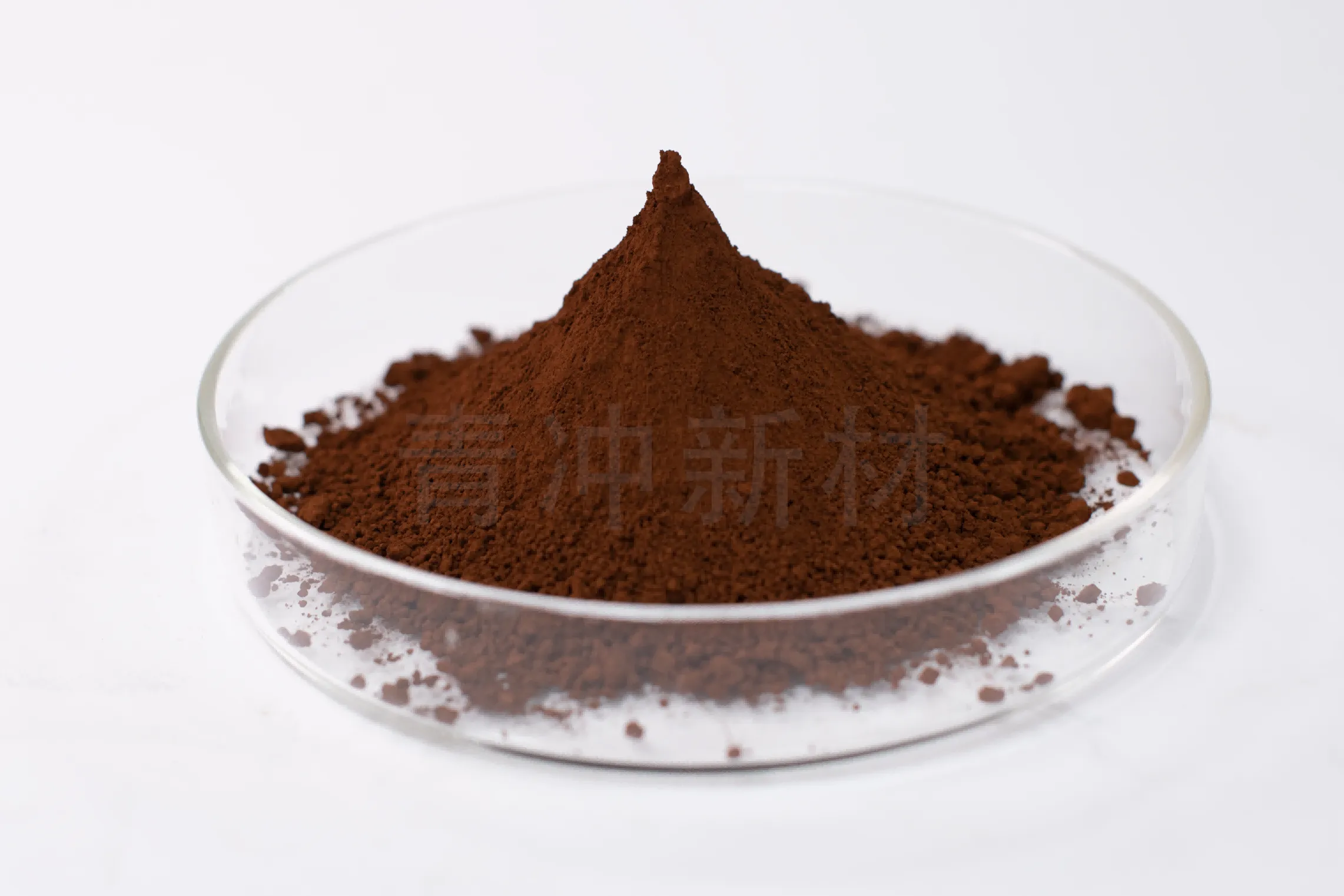
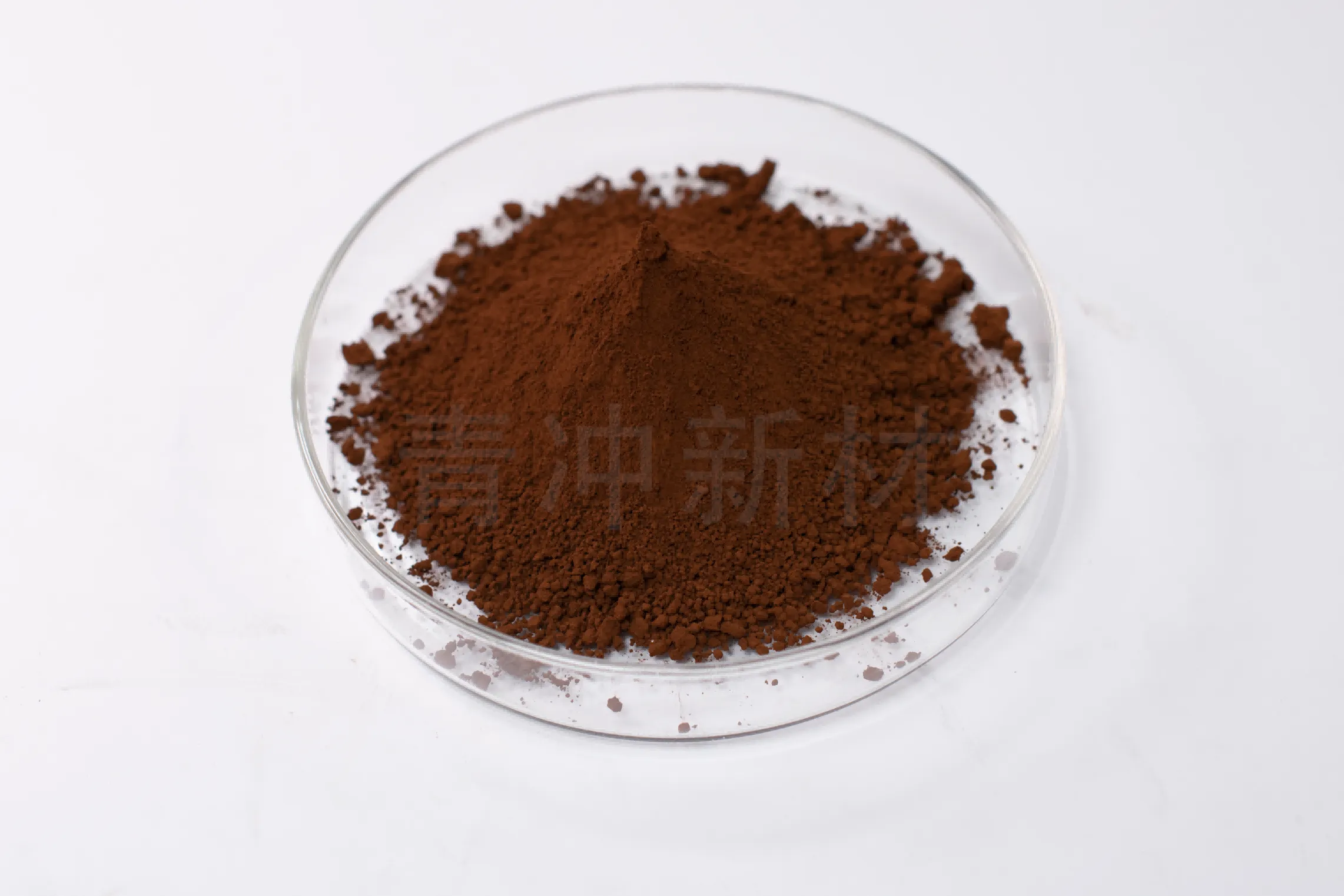
Manganese tetroxide, at its most fundamental level, is an exclusive chemical substance that has been assigned CAS No. 1317-35-7. The substance's chemical formula is Mn₃O₄, and its molecular weight stands at 228.81 g/mol. As a physical state substance, it is quite dense in nature and comes in black-brown color with metallic appearance. This is precisely what any potential chemical purchaser will be searching for on global markets.
To understand how this material performs, you must look at its specific physical data.
Key Physical Properties
| Property | Value | Description |
|---|---|---|
| Density | ~4.86 g/cm³ | High density makes it suitable for advanced material synthesis. |
| Melting Point | ~1,562 °C | Excellent thermal stability for high-temperature firing. |
| Solubility (Water) | Practically insoluble | Remains stable in aqueous environments. |
| Solubility (Acids) | Soluble in mineral acids | Readily dissolves in acids like hydrochloric or sulfuric acid. |
Its chemical behavior sets it apart, too. Mn₃O₄ stays very stable in ordinary air conditions, even when the temperature is pushed to around 940 °C. But once the temperature goes past that critical point, it starts converting into Mn₂O₃. That thermal stability window is a very important buying specification for industrial clients who run their materials through high-temperature kilns.
Also, manganese tetroxide shows a distinct mixed valence vibe. Instead of behaving like most simple metal oxides, Mn₃O₄ has Mn²⁺ and Mn³⁺ ions present together inside one crystal lattice. It’s not just a simple physical blend of two separate oxides. This built-in coexistence shapes its chemical reactivity and contributes to the magnetic moment. And that magnetic moment ends up tied closely to its Fe²⁺ analog, basically the Mn²⁺ ions.
Crystal Structure: The Spinel Architecture That Sets Mn₃O₄ Apart
To really get a handle on manganese tetroxide, you have to zoom in on its crystal form. The synthetic Mn₃O₄ version is basically the straight analogue of the mineral hausmannite that shows up in nature. In practice, geologists, materials people, and procurement researchers throw around the phrases “manganese tetroxide” and “hausmannite” almost like they are the same thing, both in academic writeups and in commercial, sourcing-related documents.
The physical arrangement of hausmannite shows up as a distorted spinel-type lattice. In “normal” spinel structures, the atoms sit in a rather neat, perfectly symmetrical cubic layout. But hausmannite doesn’t follow that clean template. In this skewed spinel setup, the Mn²⁺ ions are in the tetrahedral positions, and the Mn³⁺ ions are placed into the octahedral positions. Then the Mn³⁺ ions set off what chemists refer to as the Jahn–Teller effect. That phenomenon causes the lattice to elongate, and the whole network ends up with a tetragonal deformation. Because of that distortion, Mn₃O₄ behaves in a way that’s noticeably not like the cubic spinels, for instance, manganese ferrite MnFe₂O₄. It provides the materials with a strong magnetic directional preference and particular reactivity signatures.
This structure matters greatly in a commercial context. The unique spinel architecture allows Mn₃O₄ to serve as an exceptional templating precursor in NMC (nickel-manganese-cobalt) cathode synthesis. The structure directly dictates how well the material integrates into battery production lines.
Furthermore, comparing hausmannite to other oxides highlights its uniqueness. Pyrolusite (MnO₂) features a rutile structure, and bixbyite (Mn₂O₃) features a cubic structure. Neither of these alternatives provides the correct lattice framework needed for advanced soft ferrites or battery templating. Therefore, specifying Mn₃O₄ is the only correct choice for these applications.
How Manganese Tetroxide Is Produced: Routes and Purity Implications
Figuring out how manganese tetroxide gets synthesized helps connect what the material is made of, and also how it ends up doing its job in practice. In most cases, manufacturers lean on two main production paths to produce Mn₃O₄. Each route ends with a slightly different particle profile, so it tends to fit with different industries, and different expectations about reactivity.
The Thermal Decomposition Route
The main industrial way is basically the controlled thermal breakdown of MnO₂ or Mn₂O₃. In practice, plant operators run these starting oxides through a reducing atmosphere at exact temperatures of roughly 940 °C to 1,000 °C. That narrow band is the real production lever for the ultimate production variable. Because of that, strict temperature regulation strongly shapes the phase cleanliness of the product. Better production lines tightly check the window, so leftover residues don’t sabotage the batch, and that’s usually what prevents unreacted impurities from showing up.
The Wet Chemical Precipitation Route
Alternatively, producers utilize the wet chemical or precipitation method. This methodology entails the precipitation reaction of soluble manganese salts like manganese sulfate (MnSO₄) using specific oxidants in a strongly alkaline environment. The result of the reaction is distinctive physical properties. This entails the generation of finer particle sizes and larger surface areas.
Different manufacturing methodologies have implications for purity and utilization. For instance, commercial products are expected to ensure a minimum purity level of 70% to 72% manganese content. In addition, the selected methodology will determine the presence of impurities like silicon dioxide (SiO₂), iron (Fe), and heavy metals. Impurity levels determine the type of manganese product that is manufactured either "battery-grade" (often requiring the high surface area of wet precipitation) or "ferrite-grade" (which heavily relies on thermal purity).
Industrial Applications: Where Mn₃O₄ Is Indispensable
Manganese tetroxide acts as a necessary raw material in multiple advanced industries. Due to its structure-based properties and the mixed-valence condition, it carries out specialized roles that other manganese compounds just can’t manage the same way.
Battery Cathode Precursor (NMC/LMO)
The favored material used as raw material for co-precipitation in NMC cathode precursor production is Mn₃O₄, thanks to its well-defined particle shape and Mn²⁺/Mn³⁺ ratio. The material is perfectly compatible with the co-precipitation process for Ni and Co hydroxides. Batteries set high standards on such products. RFQ requests from buyers often come complete with D50 particle size and BET specific surface area specifications to ensure peak battery performance.
Soft Ferrite Production
Mn₃O₄ is used as the direct precursor in the production of MnZn (manganese-zinc) soft ferrites. Such essential magnets are utilized in transformers, inductors, and EMI filters globally. The natural spinel pre-structure of hausmannite reduces the energy input needed during the sintering process. In addition, it leads to an improvement in the magnetic permeability of the ferrite material produced. Consequently, electronics manufacturers operating in key export countries such as South Korea, Japan, and Germany depend greatly on ferrite Mn₃O₄.
Micronutrient Fertilizers
In agriculture, manganese tetraoxide is utilized as an extremely effective manganese fertilizer that releases nutrients slowly. It is used to enhance the soils that are deficient in manganese, especially soils with low humus content in sandy areas or highly alkaline soils. Mn₃O₄ dissolves much slower compared to manganese sulfate (MnSO₄), it effectively reduces rapid leaching losses, ensuring crops receive sustained nutrition over time.
Manganese Trioxide in Specialty Ceramics and Pigments
The ceramics sector employs Mn₃O₄ as a highly efficient coloring agent, as well as a useful fluxing agent for ceramic glazes. Moreover, Mn₃O₄ serves as a sintering additive for specialty ceramics. The outstanding heat resistance up to temperatures of 1,562 °C makes the material very suitable for the harsh heating regimes of heavy industrial ceramics.
Emerging Uses - Supercapacitors and Catalysis
Looking to the future, nanostructured Mn₃O₄ shows immense promise in pseudocapacitive energy storage systems and advanced oxidation catalysis. Researchers continually investigate its potential to improve supercapacitor electrodes, keeping the material at the cutting edge of energy technology.
Partner With a Verified Mn₃O₄ Manufacturer
In summary, the immense industrial value of manganese tetroxide remains absolutely inseparable from its fundamental structure. The unique hausmannite spinel architecture creates the vital mixed-valence chemistry that makes Mn₃O₄ completely irreplaceable in battery precursor formulations and soft ferrite manufacturing.
Choosing the right grade starts with a clear understanding of the material's physical and chemical properties. Now that you understand the crucial metrics—from phase purity to particle size—the next vital step is verifying that your supplier can consistently deliver those exact specifications batch after batch.
Ready to secure a reliable supply chain for your manufacturing needs? Request a specification sheet and sample from our Mn₃O₄ production team today by visiting Qingchong Manganese Tetroxide product detail page.
FAQs
1. What is the difference between manganese dioxide (MnO₂) and manganese tetroxide (Mn₃O₄)?
Manganese dioxide (MnO₂) contains exclusively Mn⁴⁺ ions and features a rutile crystal structure, primarily used in dry-cell batteries and water treatment. Manganese tetroxide (Mn₃O₄) is a mixed-valence compound containing both Mn²⁺ and Mn³⁺ ions in a distorted spinel structure. This distinct structure makes Mn₃O₄ far superior for synthesizing NMC battery cathodes and magnetic soft ferrites.
2. Why is the hausmannite structure important for battery manufacturing?
The distorted spinel structure of hausmannite perfectly templates the co-precipitation process required to make NMC (nickel-manganese-cobalt) battery precursors. The specific arrangement of Mn²⁺ and Mn³⁺ ions allows for uniform integration with nickel and cobalt, resulting in a higher-quality, defect-free final battery cathode.
3. Is manganese tetroxide (Mn₃O₄) magnetic?
Yes, manganese tetroxide exhibits specific magnetic properties. Because it contains Mn²⁺ ions—which are chemically analogous to Fe²⁺ ions found in iron oxides—Mn₃O₄ possesses a distinct magnetic moment. This makes it the ideal precursor material for manufacturing highly magnetic MnZn soft ferrite cores used in modern electronics.
4. What are the key impurities I should watch out for when buying Mn₃O₄?
The most critical impurities to monitor are iron (Fe), silicon dioxide (SiO₂), sulfur (S), and heavy metals like lead (Pb). Iron destroys magnetic permeability in ferrites, while sulfur drastically reduces battery life by degrading electrolyte stability. Always request a Certificate of Analysis (CoA) to verify impurity thresholds.
5. How does the production method change the quality of manganese tetroxide?
The thermal decomposition method involves heating precursor oxides to ~1,000 °C, which generally produces high-purity, larger particles ideal for ferrite production. Conversely, the wet chemical precipitation method reacts manganese salts in liquid solutions, producing much smaller particles with a high surface area. This high surface area is highly sought after by battery manufacturers.