EN
EN
 CN
CN
 fr
fr es
es ar
ar ru
ru de
de pt
pt tr
tr vi
vi it
it ja
ja ko
ko hi
hi

Discharge Manganese Powder Market in 2026: Demand Outlook for Zinc-Carbon Battery Producers
In 2026, the market for discharge manganese powder is still not really pushed by hype about shiny new battery chemistries, more like a quiet day-to-day thing. Zinc- carbon battery producers still need dependable manganese dioxide feedstock, basically because they make low-cost, low-drain primary cells, which get sold through retail, OEM, distributor, and regional private-label routes. And for procurement teams, the key question is practical, not theoretical: which powder can keep stable discharge results, allow predictable processing, and deliver repeatable sourcing at a cost layout that actually works for zinc-carbon battery economics?
Buyer takeaway: In 2026, demand should be treated as stable and tied to the specific application, not something speculative. Manufacturers of R03, R6, R14, R20, and similar zinc-carbon or zinc-chloride batteries will keep checking discharge manganese powder using MnO2 content, particle size, moisture, impurity profile, discharge time, documentation quality, and supplier reliability.
Why Discharge Manganese Powder Still Has a Market in 2026
Zinc-carbon batteries are pretty mature, but even mature products can stay commercially useful for a long time. A lot of consumer devices don’t need high-drain power or premium alkaline performance. Think remote controls, clocks, flashlights, radios, toys, little promotional electronics, and basic household units—these still drive demand for economical primary batteries, especially in markets that are very price sensitive.
From the side of battery factories, this keeps discharge manganese powder pretty relevant. In zinc-carbon dry cells, manganese dioxide works as the positive active material and also as the depolarizing part inside the cathode blend. If the powder has an unstable composition, uneven particle size, or weak electrochemical behavior, the finished cell can end up with shorter discharge time, more units being rejected, or results that feel inconsistent after storage.
So the 2026 demand outlook should be treated less as headline growth and more as production continuity. Buyers will likely favor suppliers that can offer practical specification bands, real batch-to-batch uniformity, quick and clear documentation, and enough flexibility for trial orders, repeat shipments, and export projects.
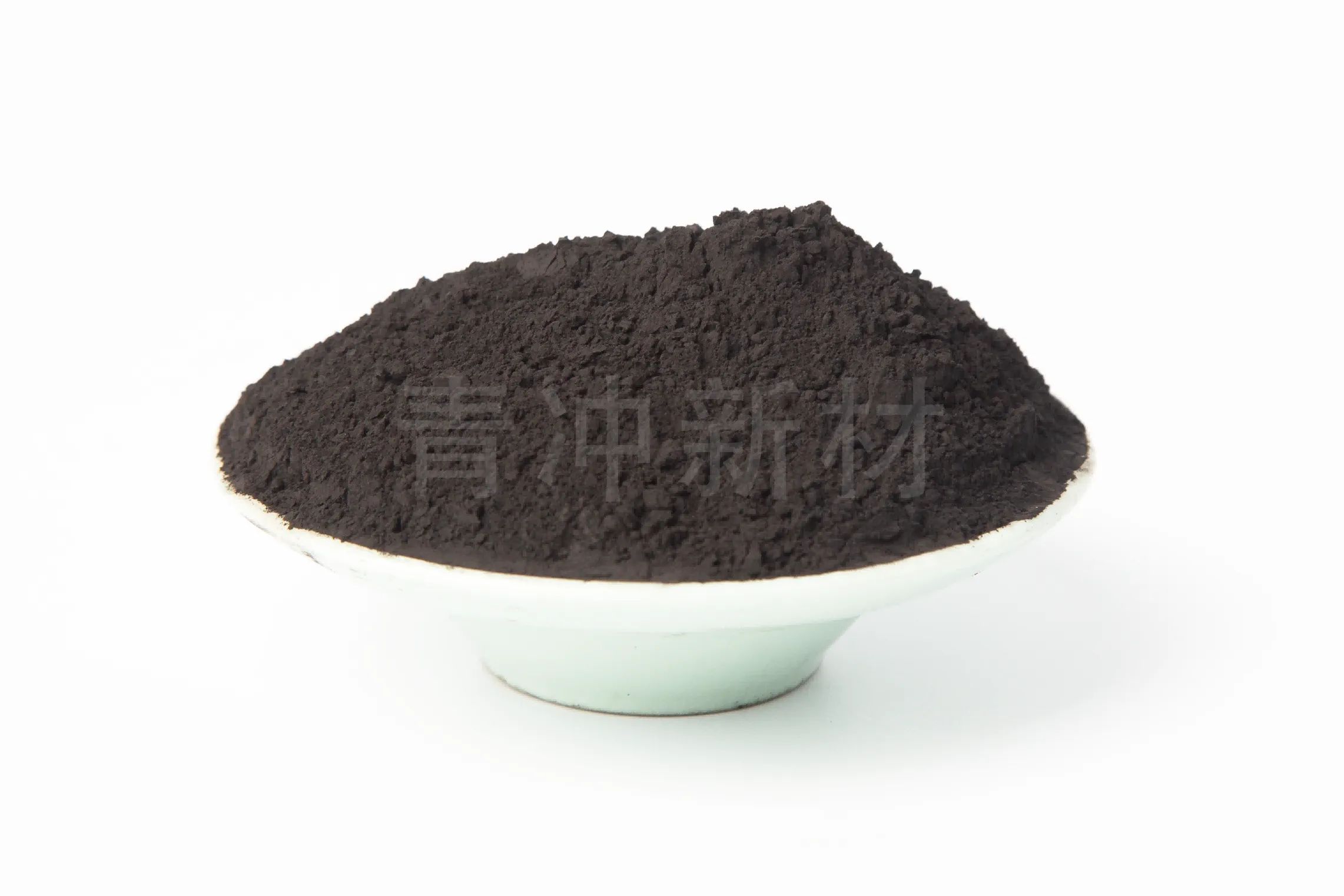
2026 Demand Drivers for Zinc-Carbon Battery Producers
| Demand driver | Effect on discharge manganese powder purchasing | Buyer action |
|---|---|---|
| Low-drain consumer devices | Supports ongoing demand for affordable primary cells. | Match powder performance to the actual device and cell format rather than overbuying premium grades. |
| Private-label battery programs | Factories must balance discharge performance, shelf price, and packaging requirements. | Use sample testing, batch COA review, and clear acceptance standards before bulk orders. |
| Existing zinc-carbon production lines | Installed equipment keeps mature chemistry economically viable. | Check powder flow, particle size, moisture, and mixing behavior in the real production line. |
| Export and regional value markets | Demand can fluctuate by country, retailer, and distributor inventory cycles. | Build approved backup suppliers and confirm documentation before shipment. |
What Buyers Mean by Discharge Manganese Powder
In procurement conversations, discharge manganese powder usually refers to manganese dioxide powder selected for dry-cell discharge behavior, especially in zinc-carbon battery production. The buyer is not simply asking for MnO2 by name. The buyer needs a powder that can work inside a cathode mix, support the target discharge curve, and remain practical for factory handling.
For natural-ore-sourced discharge manganese powder, buyers work from a practical specification floor:
- MnO₂ content: 50% min
- Iron (Fe): 9% max
- Silicon dioxide (SiO₂): 15% max
- Particle size: 120–325 mesh
- Moisture: 4% max
- pH: 3.5–6
- Heavy metals (Ni, Cu, Co): extremely low — even trace levels accelerate self-discharge
- Discharge time: 300 minutes min — the functional gate no chemistry spec can substitute
These values are a useful starting point, not a substitute for buyer-side validation. A battery factory should still test samples in its own cell design, electrolyte system, cathode formulation, aging conditions, and discharge protocol before committing to volume procurement.
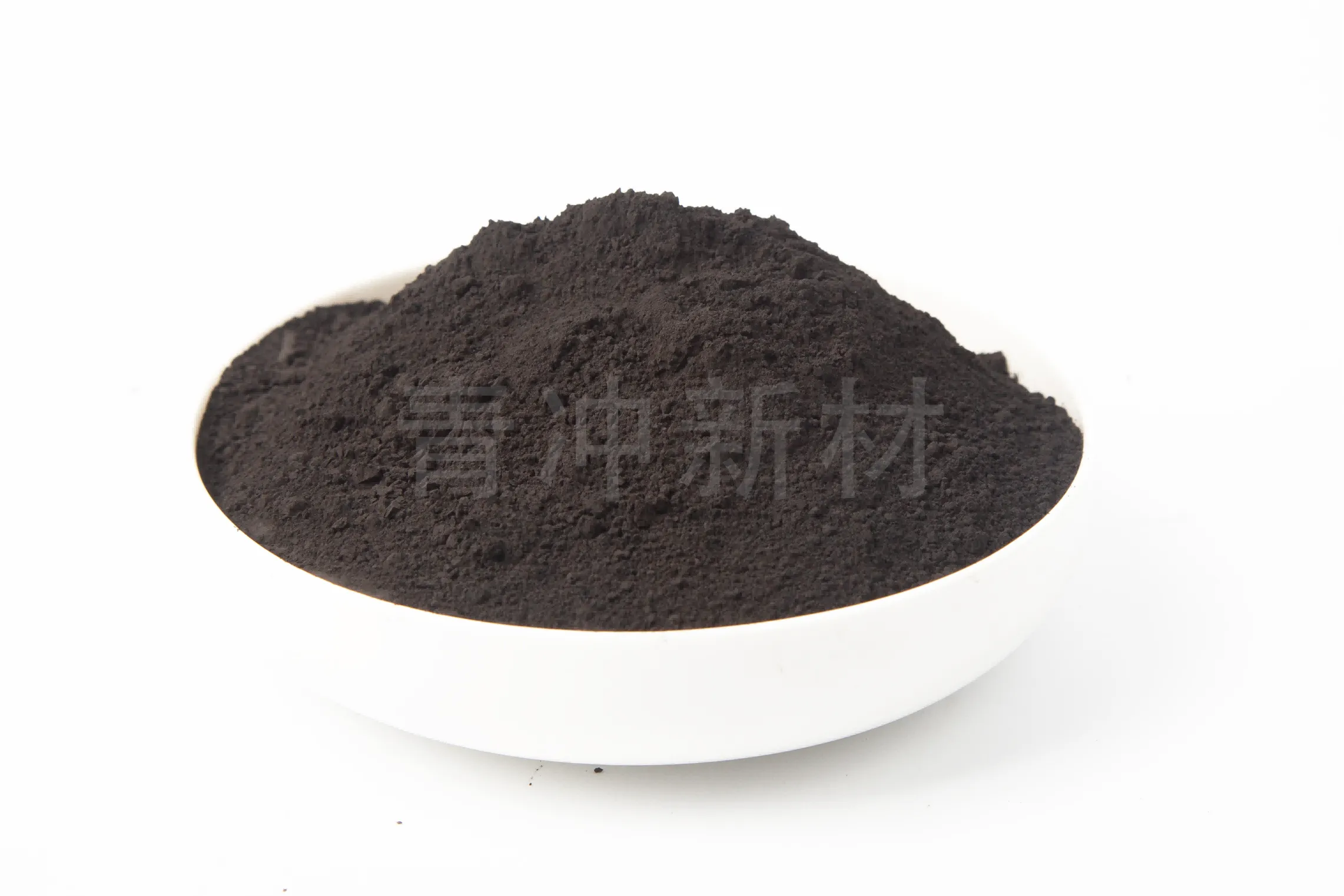
Specification Priorities for Zinc-Carbon Battery Producers
The most important purchasing parameters are chemical composition, particle size, moisture, impurity profile, and discharge behavior. Each one has a production consequence. MnO2 content supports electrochemical performance. Particle size affects mixing, contact area, and cathode packing behavior. Moisture affects storage and formula control. Iron and other impurities can influence stability, depending on the buyer's battery design and tolerance limits.
Procurement teams should also look beyond the headline specification. Ask whether the supplier can provide batch inspection data, whether the quoted grade is a normal production grade or a special sample, and how lot traceability is handled. In a cost-sensitive chemistry, small variations can become expensive when they cause rework, lower discharge time, or customer complaints.
For buyers comparing related manganese products, QingChong also lists broader manganese dioxide, electrolytic manganese dioxide, and chemical manganese dioxide products. The correct choice depends on the battery chemistry, required discharge performance, impurity tolerance, and cost target.
Discharge Manganese Powder Specification Checklist
| Parameter | Verified product reference | Why buyers should check it |
|---|---|---|
| MnO2 content | 50% Min. | Supports cathode activity and finished-cell discharge behavior. |
| Particle size | 120-325 mesh. | Affects blending, packing, contact area, and production consistency. |
| Moisture | 4% Max. | Helps control storage stability and cathode mix behavior. |
| Impurities | Fe 9% Max.; SiO2 15% Max. | Important for electrochemical stability, buyer acceptance limits, and batch comparison. |
| Discharge time | Description notes discharge time exceeding 300 minutes. | Must be confirmed with the buyer's own test method and cell design. |
Market Pressure: Cost Control Without Quality Drift
Because zinc-carbon batteries compete heavily on price, purchasing teams naturally look for cost-efficient raw materials. That pressure will remain strong in 2026. However, a low quote can become expensive if the powder causes inconsistent mixing, weak discharge performance, excessive moisture, or unstable bulk-lot quality.
A better supplier evaluation model considers total production value:
- Does the powder run smoothly in the buyer's cathode process?
- Does it support the promised discharge time after aging?
- Is the particle size stable enough for repeat production?
- Are documents ready for import and internal approval?
- Can the supplier answer technical questions quickly when a production engineer needs clarification?
Cost effectiveness coupled with performance reliability is a crucial consideration for battery makers when choosing suppliers. QingChong provides manganese dioxide for use in batteries with stable manufacturing qualities, documentation support, shipping expertise, and quality customer services. The company has several production facilities, warehouses, and an established system for quality assurance to enable its clients to maintain constant production of their cathodes with stable battery performances in bulk volumes.
When selecting manganese dioxide for use in zinc-carbon batteries or when looking for long-term raw materials providers, clients should study their technical specification sheets, obtain samples and evaluate their performance on their production lines.
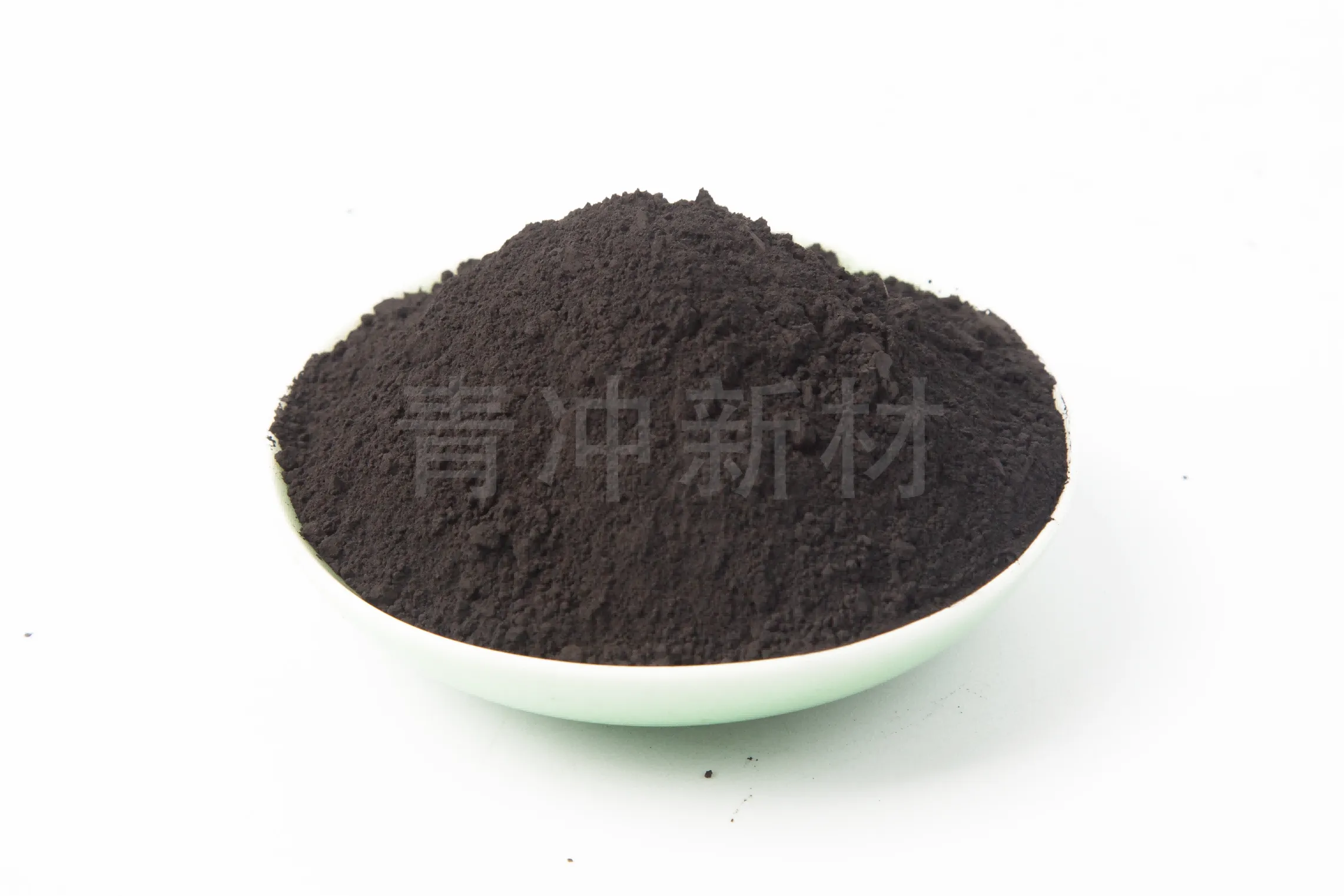
Application Fit: Zinc-Carbon, Zinc-Chloride, and Value Battery Lines
Discharge manganese powder is most relevant for zinc-carbon dry cells and related value battery programs. In these applications, the raw material must support acceptable discharge behavior without pushing the finished battery into a higher cost tier. The best fit is usually low-drain or moderate-drain use where affordability, shelf availability, and stable basic performance matter more than high-power output.
For zinc-chloride variants, heavy-duty retail formats, and private-label programs, the same sourcing logic applies: match the powder to the cell design and customer requirement. A powder that performs well in one factory's R6 line may still need reformulation or validation in another factory's R03, R14, or R20 production.
Battery producers can also review QingChong's manganese chemical applications to understand the company's stated application scope across battery, chemical, water treatment, agriculture, and other industrial uses.
Supplier Qualification Questions for 2026 Orders
A strong purchasing inquiry should include more than "price per ton." Buyers should share target cell format, expected order volume, required particle size, target discharge test, packaging preference, destination port, and documents needed for import or internal approval. This gives the supplier enough context to recommend a suitable grade and avoid mismatched quotations.
Before placing a bulk order, battery producers should ask for sample availability, COA or batch data, technical data sheet support, safety information, packaging details, lead time, and repeat-lot capability. If the supplier provides several manganese dioxide grades, ask how the discharge manganese powder differs from EMD, CMD, or general natural manganese dioxide in cost, activity, impurity level, and intended use.
For international buyers, shipment planning also matters. Confirm carton or bag configuration, palletization, moisture protection, invoice description, HS-related details where applicable, and whether documents match the buyer's import requirements. Good paperwork will not improve a weak powder, but poor paperwork can delay a good one.
For zinc-carbon battery producers, the best manganese dioxide supplier is not simply the cheapest source. It is the source that helps protect discharge performance, production rhythm, and customer commitments at a cost the value battery market can absorb.
How to Test a New Discharge Manganese Powder Supplier
Supplier testing should move in stages. Start with document review and a small sample. Check appearance, particle size, moisture, and COA values. Then run a pilot batch using the actual cathode formula and equipment conditions. The finished cells should be tested under the same discharge protocol used for customer acceptance or internal release.
Do not approve a supplier only from a single hand-prepared sample. Bulk shipments must prove normal production consistency. Buyers should retain arrival samples, compare batch data, and track discharge results over multiple lots. If a private-label customer requires a defined performance window, write the acceptance criteria into the purchase agreement.
This step-by-step approach is especially important in 2026 because buyers may face both cost pressure and supply-chain uncertainty. A qualified backup source can reduce risk, but only if it has been tested before an urgent order is needed.
Request Discharge Manganese Powder Samples for Your 2026 Battery Production
If you are sourcing manganese dioxide powder for zinc-carbon battery production, prepare your target cell format, discharge test requirement, monthly volume, particle-size preference, and destination market. QingChong can discuss discharge manganese powder specifications for sample testing, pilot trials, and repeat procurement planning.
View Discharge Manganese Powder
2026 Outlook: Practical Demand, Practical Qualification
The discharge manganese powder market in 2026 is best understood as a practical market serving practical batteries. Zinc-carbon producers still need raw materials for affordable primary cells, but they are buying under pressure: cost pressure, performance pressure, documentation pressure, and delivery pressure.
Demand will likely remain strongest where value-line batteries, low-drain applications, distributor programs, and established production assets continue to make economic sense. For manganese dioxide suppliers, the opportunity is to help battery producers reduce uncertainty. For buyers, the safest path is to combine specification review, sample testing, supplier qualification, and clear purchasing terms.
In short, discharge manganese powder will remain commercially relevant when it helps battery factories do what their customers expect: produce economical cells that discharge consistently, ship on time, and perform reliably in the applications they were designed to serve.
FAQ
1. What is discharge manganese powder used for in zinc-carbon batteries?
It is used as manganese dioxide raw material for the cathode mix and depolarizing function in zinc-carbon dry cells. Its composition, particle size, moisture, and discharge behavior can influence finished-cell performance.
2. Which specifications should buyers check first?
Buyers should check MnO2 content, particle size, moisture, pH, Fe and SiO2 limits, heavy-metal control, discharge time reference, and batch documentation. Final approval should be based on the buyer's own cell formula and discharge test method.
3. Is zinc-carbon battery demand still relevant in 2026?
Yes, especially for low-cost, low-drain, private-label, distributor, and regional retail markets. The segment is mature, but many factories still use zinc-carbon lines where the chemistry fits the target price and application.
4. How is discharge manganese powder different from EMD?
Discharge manganese powder can be a lower-cost manganese dioxide option for zinc-carbon battery applications, while EMD is generally positioned as a higher-purity, high-electrochemical-activity material often used in alkaline and zinc-carbon batteries. Buyers should compare both through application testing rather than choosing by name alone.
5. Can one manganese powder grade fit every zinc-carbon battery line?
No. Cell format, electrolyte system, cathode formulation, equipment, aging conditions, and customer performance targets can differ by factory. Samples should be tested in the buyer's real production context before bulk approval.