EN
EN
 CN
CN
 fr
fr es
es ar
ar ru
ru de
de pt
pt tr
tr vi
vi it
it ja
ja ko
ko hi
hi

Manganese Chloride vs. Manganese Sulfate: Which Is Better for Your Application?
Procurement departments and R&D engineers always find themselves facing an important dilemma, which consists in choosing between manganese chloride and manganese sulfate. There are many sources in the industry that treat the two mentioned chemicals as absolutely identical. But choosing wrongly can affect the operation of the production line, the quality of the final product, and increase procurement expenses. Each chemical compound contains necessary manganese, but in its own way.
The matter is not whether one or another compound is better. The task is to identify which compound really works for your production and supply chain and meets all of your needs. This article will provide you with a well-structured comparison of manganese chemical compounds that you need. You will get an opportunity to make a decision based on facts rather than simply read a sales pitch.
1. Understanding the Two Compounds: Chemistry at a Glance
Experts require a distinct, common terminology prior to evaluating these substances in an industrial setting. The basic chemistry clarifies precisely how they operate in actual settings.
1.1 Manganese Dichloride (MnCl₂)
Manganese chloride usually presents itself as a light pink salt. It is very soluble in water and quickly takes in moisture from the atmosphere. You will encounter it in several hydrated forms in the industrial market, with anhydrous and tetrahydrate representing the most prevalent grades. The chloride anion's presence greatly influences its chemical reactivity. This aggressive anion behavior is particularly significant in aqueous solutions and elevated temperature settings, as it influences equipment compatibility.
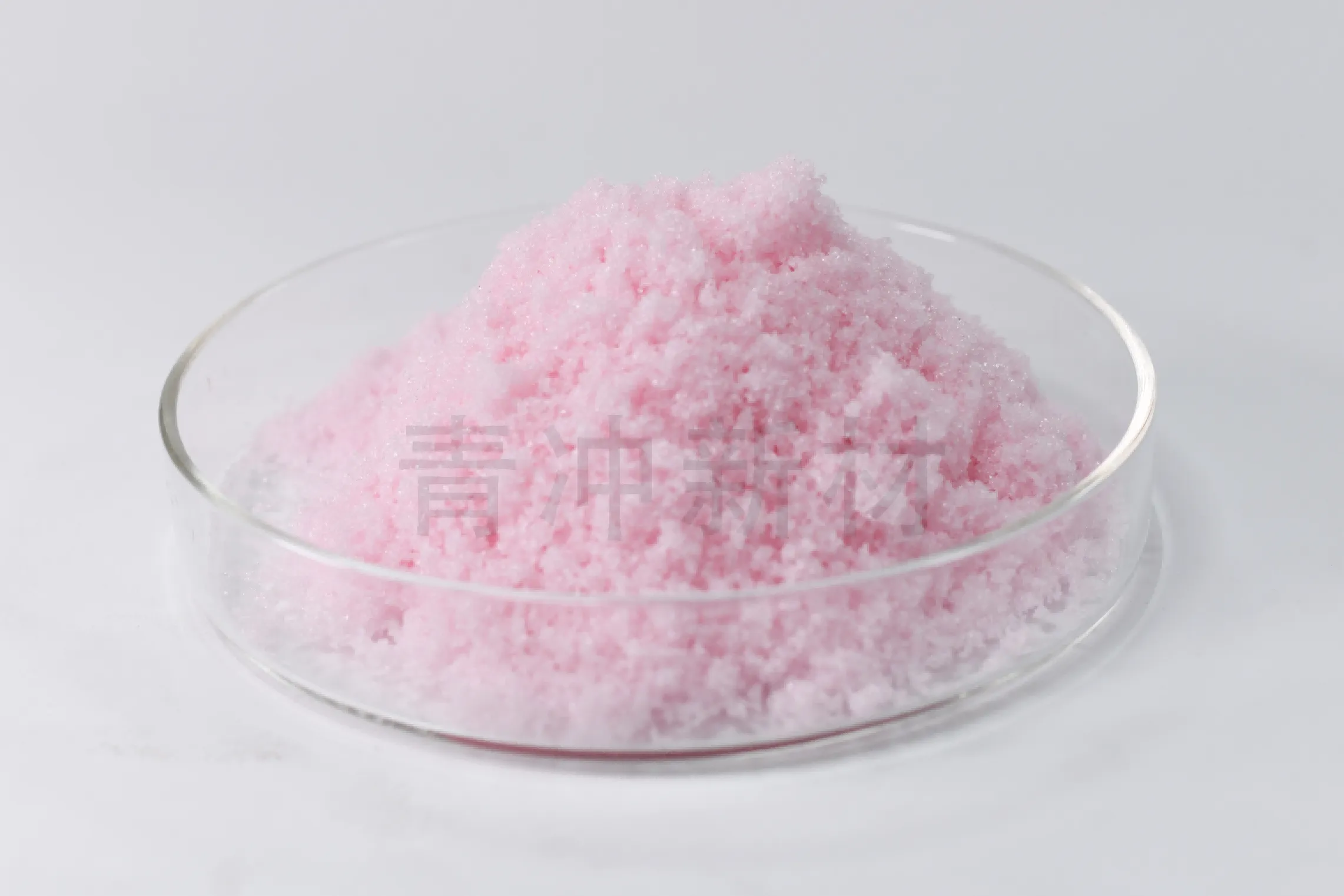
1.2 Manganese Sulfate (MnSO₄)
Manganese sulfate also presents as a light pink crystalline solid or powder. It is available primarily in monohydrate and anhydrous commercial grades. It boasts exceptionally high water solubility, making it a favorite for liquid-phase manufacturing. The sulfate anion behaves much differently than the chloride anion. It offers excellent compatibility in complex chemical mixtures and provides distinct precipitation advantages in formulation processes.

The Critical Divergence: Both compounds share the exact same active metal ion. However, their divergent anion chemistry—chloride versus sulfate—drives everything that follows. That single chemical difference dictates their performance across every major application.
2. Head-to-Head: Key Physical and Chemical Properties
A direct property analysis reveals distinct operational traits. Engineers and procurement specialists must weigh these physical and chemical properties carefully before authorizing a purchase.
| Property Feature | Manganese Chloride (MnCl₂) | Manganese Sulfate (MnSO₄) |
|---|---|---|
| Solubility | Very high solubility in water | Exceptionally high solubility; ideal for heavy liquid baths |
| Thermal Stability | Volatilizes at lower temperature thresholds | Decomposes at higher heat thresholds |
| Corrosivity | Highly aggressive toward standard stainless steel | Mild, generally non-corrosive to standard equipment |
| pH Behavior | Fluctuates, often leaning toward acidic profiles | Tends to maintain a more neutral, stable pH |
Solubility Dynamics
Manganese sulfate solubility represents a major manufacturing advantage. It excels in highly concentrated liquid fertilizer formulations and dense electroplating bath mixtures without falling out of solution.
Thermal Stability Profiles
Manganese thermal stability dictates your facility's equipment design. MnCl₂ volatilizes at much lower temperatures, which can lead to atmospheric losses during heating. Conversely, MnSO₄ decomposes at significantly higher heat, making it vastly superior for calcination and intense dry-process industries.
Corrosion Risks
The chloride ions present in MnCl₂ properties are notoriously aggressive toward stainless steel and many common industrial alloys. Facility managers must upgrade to specialized, corrosion-resistant linings or titanium components. MnSO₄ poses far less risk to standard metal infrastructure.
pH and Purity
Sulfate solutions generally remain neutral and predictable. Chloride solutions fluctuate more and can increase process acidity. Furthermore, the available manganese compound purity grade varies widely by supplier. You can source specialized pharmaceutical, feed-grade, and technical options depending strictly on which base compound you select.
3. Application-by-Application Breakdown: Where Each Compound Wins
Different global sectors demand entirely different chemical behaviors. Here is an exact breakdown of how these compounds perform across major international industries.
3.1 Agriculture & Micronutrient Fertilizers
When evaluating manganese sulfate for fertilizer, MnSO₄ completely dominates the global market. It is highly compatible with complex NPK (Nitrogen, Phosphorus, Potassium) blends. More importantly, it entirely avoids causing chloride sensitivity in the delicate soil microbiome. MnCl₂ maintains only a minor niche use in agriculture. It occasionally appears in specific foliar sprays designed for highly chloride-tolerant crops where immediate cost considerations outweigh other factors. Furthermore, regulatory bodies across the EU and APAC often specifically mandate the sulfate form for commercial fertilizer registration.
3.2 Animal Feed Additives
For livestock nutrition and poultry diets, MnSO₄ animal feed grade is the undisputed industry standard. It offers reliable, high bioavailability that ensures proper bone development and metabolic function in animals. It also strictly aligns with established AAFCO and European Union feed regulations. MnCl₂ sees very limited use in this sector. Severe palatability issues and strict regulatory hurdles regarding chloride limits keep it out of most commercial feed formulations.
3.3 Battery Materials & Electrochemistry
The modern electric vehicle battery sector relies heavily on ultra-high-purity precursors. MnSO₄ is the precursor of absolute choice for NMC (Nickel Manganese Cobalt) and LFP (Lithium Iron Phosphate) cathode synthesis. Battery manufacturers strongly prefer this sulfate-free chemical pathway to prevent internal battery degradation. Meanwhile, MnCl₂ plays a crucial, specialized role in advanced electrolyte research. It is also vital in specific, highly controlled manganese dioxide synthesis routes. For engineers formulating advanced energy solutions, sourcing a reliable manganese battery precursor is a non-negotiable step.
3.4 Industrial Chemicals & Catalysis
Chemical synthesis manufacturing relies heavily on both compounds depending on the target reaction. MnCl₂ is specifically preferred in certain oxidation catalyst systems. It is also heavily utilized in traditional dry-cell battery cathode precursor processes. On the other hand, MnSO₄ serves as a foundational staple in commercial pigment production. It is also widely used in ceramics glazing manufacturing and large-scale municipal water treatment facilities.
3.5 Electroplating & Surface Treatment
Electroplating applications for manganese chloride are very specialized yet extremely efficient. MnCl₂ is commonly utilized in baths for manganese phosphate coatings (often called Parkerizing). Engineers select it because of its accurate chloride compatibility with the complete bath chemistry, providing enhanced wear resistance for automotive and aerospace components. Nonetheless, facility managers need to thoughtfully consider the significant equipment corrosion risk in relation to the clear process efficiency offered by the chloride compound.
4. Sourcing Considerations: Purity, Form, and Supply Chain
Choosing the correct chemical match is just one aspect of the challenge for international B2B customers. It is equally essential to consider the physical forms available and logistics with a dependable manganese compound supplier.
- Physical Forms Available: Depending on the application, these chemicals will be produced in powdered forms, granulated versions, large crystalline structures, or pre-mixed liquid forms.
- Certified Purity Levels: When selecting these compounds for importation, there is no room for error in COA (certificate of analysis) verification. You need to ensure that you are getting the proper purity level for your industrial use, whether that be technical, feed, battery grade, or pharmaceutical.
- Packaging and MOQ Considerations: Generally, export buyers demand sturdy yet flexible packaging to withstand transportation overseas. Typical yet dependable forms of packaging include regular 25 kg multi-wall bags, one-ton bulk big bags, and IBC containers for concentrated solutions.
- Stability in Transit and Storage: Ocean transportation conditions are extremely important. Chloride-based Manganese Sulphate will be highly hygroscopic; thus, it can cake if it's not packaged well enough. Sulfate-based manganese sulphate will remain significantly more stable and flowable during its transport in moist conditions across the ocean waters.
- Supplier Qualification: Co-operate exclusively with the company who has proven capabilities in mass-scale production. Make sure that they have a sound quality control system and always provide perfect documentation to facilitate smooth customs clearance. Whether you seek manganese sulfate supplier for exports or bulk purchase of manganese chloride, thorough supplier assessment cannot be bypassed.
5. Decision Framework: How to Choose the Right Compound
Utilize this straightforward, implementable decision framework to determine your chemical choice and enhance your purchasing strategy.
- Evaluate Chloride Sensitivity: If your processing equipment, agricultural soil, or sensitive biological processes cannot withstand chloride exposure, you must select MnSO₄.
- Assess Operating Temperatures: If your production process includes elevated temperature dry settings, calcination, or particular electrochemical routes, you need to thoroughly assess MnCl₂.
- Verify Regulatory Compliance: If stringent regulatory compliance is a critical factor for your end product (like in animal feed, commercial fertilizer, or pharmaceuticals), always ensure the legally permitted chemical form is confirmed first.
- Analyze True Procurement Costs: If cost reduction is your primary driver, rigorously compare the delivered cost per unit of active manganese metal. Do not simply look at the raw list price per kilogram of the bulk salt.
- Test and Verify: When in doubt, request physical samples of both compounds. Run side-by-side formulation trials in your own facility. A reputable, professional supplier will always support and encourage this vital testing phase.
Conclusion: Get the Right Grade from a Trusted Source
Your specific application context, not the base commodity cost alone, should drive your final selection between these two powerful chemicals. As a vertically integrated manganese compound manufacturer China trusts, Qingchong New materials handles everything from raw manganese dioxide down to specialized manganese chemicals. We possess the technical expertise to advise you on the exact grade selection for your facility's unique demands.
Ready to upgrade your supply chain? Learn more about our Manganese Chloride specifications and explore our premium Manganese Sulfate options. Contact our technical team today to discuss your exact manufacturing specifications, request a free manganese sample, and secure a highly competitive bulk quotation. If you need to buy manganese sulfate bulk or require a dedicated manganese chloride exporter, we are ready to support your global operations.
FAQs
1. What is the main difference between manganese chloride and manganese sulfate?
The primary difference lies in their chemical anions. While both provide the essential manganese ion, the chloride anion in MnCl₂ is more aggressive, corrosive to metals, and volatilizes at lower temperatures. The sulfate anion in MnSO₄ is generally non-corrosive, highly stable at higher temperatures, and preferred in sensitive biological or agricultural applications.
2. Can I substitute manganese sulfate for manganese chloride in agriculture?
Yes, and it is usually highly recommended. Manganese sulfate is the dominant and preferred choice for agriculture because it mixes well with NPK fertilizers and does not introduce excess chlorides into the soil. Chlorides can be toxic to sensitive crops and disrupt the delicate soil microbiome.
3. Which compound is better for modern battery manufacturing?
Manganese sulfate is heavily preferred for commercial battery manufacturing. It is the critical precursor for synthesizing NMC and LFP cathodes used in electric vehicles. Battery manufacturers demand the sulfate pathway because chloride impurities can severely degrade the internal components and overall lifespan of advanced lithium-ion batteries.
4. Does manganese chloride cause severe equipment corrosion?
Yes, manganese chloride is notoriously corrosive to standard 304 and 316 stainless steel equipment. The aggressive chloride ions pit and degrade the metal over time. If your process requires MnCl₂, you must utilize specialized equipment lined with heavy-duty polymers, fiberglass, or expensive exotic alloys like titanium to prevent facility damage.
5. How should I store these manganese compounds to prevent degradation?
Both compounds should be stored in a cool, dry, well-ventilated warehouse away from direct moisture. However, manganese chloride requires extra precaution due to its high hygroscopicity; it will rapidly absorb moisture from the air and turn into a solid block. Ensure MnCl₂ packaging remains hermetically sealed until the exact moment of use.