EN
EN
 CN
CN
 fr
fr es
es ar
ar ru
ru de
de pt
pt tr
tr vi
vi it
it ja
ja ko
ko hi
hi

Manganese Carbonate vs. Manganese Dioxide: Which Is Better for Your Application?
Procurement engineers and buyers frequently face a common sourcing dilemma. A new product specification sheet arrives on your desk, and it simply calls for a "manganese compound." You must now decide between different grades and forms. The wrong compound choice results in financial loss for your organization. The incorrect choices cause production delays through manufacturing rework, which results in failed production batches and leads to regulatory non-compliance.
This article serves as a practical decision tool for your industrial sourcing needs. We will compare manganese carbonate vs manganese dioxide directly. The session will provide you with a complete understanding of which product best matches your process requirements because you will learn about its financial advantages. Both of these products are readily available in various commercial grades. We will help you navigate these options to ensure optimal performance and a strong economic return on investment.
Understanding the Two Compounds: What They Actually Are
We must first establish the fundamental properties of these two chemicals.
Manganese Carbonate (MnCO₃) at a Glance
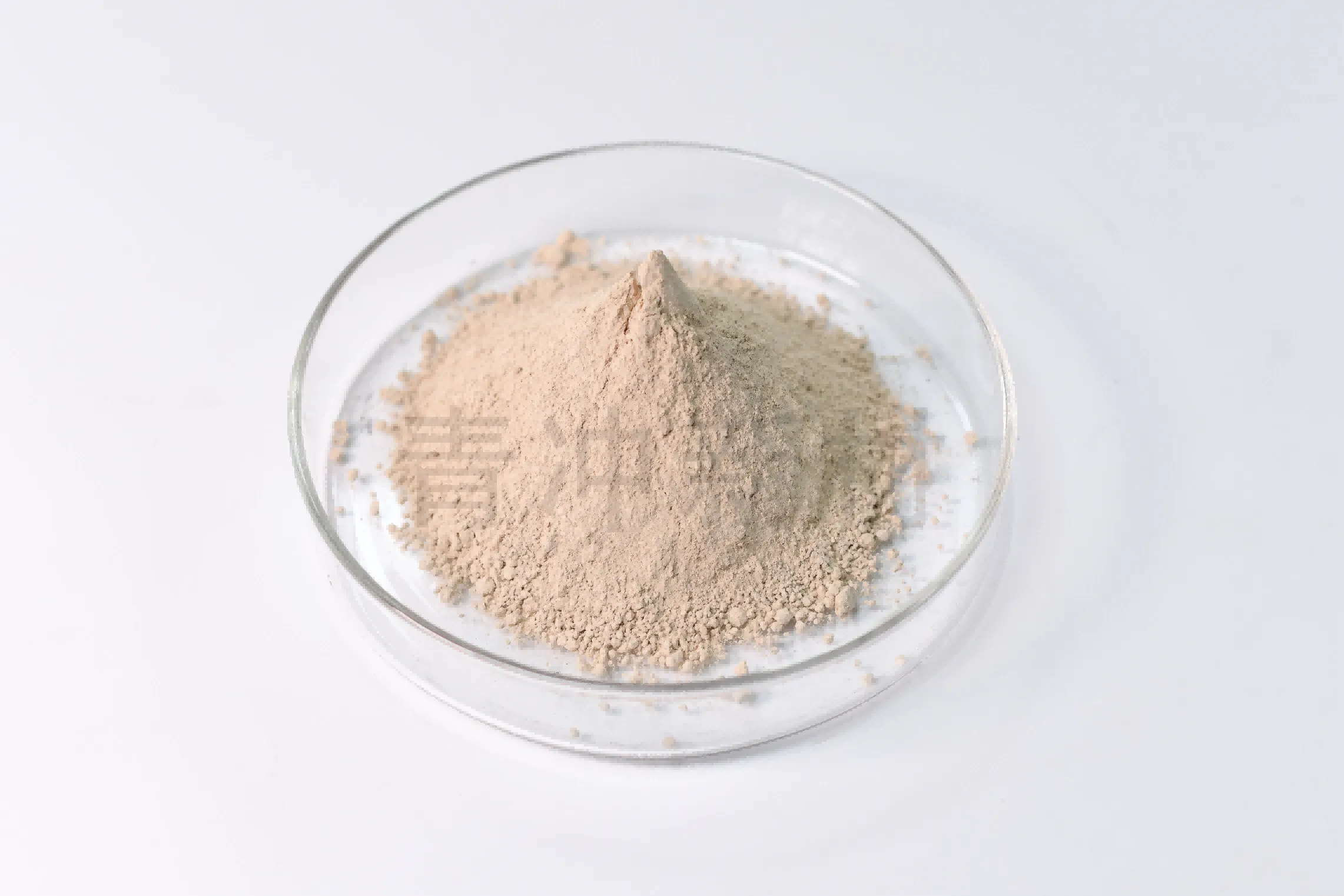
Manganese carbonate is a light brown powder. It typically contains about 42-47% manganese. Its official CAS number is 598-62-9. This compound features manganese in the Mn²⁺ oxidation state. This is the "reduced" form of the metal. MnCO₃ is chemically reactive. It remains thermally unstable at temperatures above 200 °C. The powder has a low bulk density and offers good solubility in acid. When you heat it, it decomposes cleanly into manganese oxide (MnO) and carbon dioxide (CO₂). Manufacturers typically produce it through precipitation from manganese sulfate solutions.
Manganese Dioxide (MnO₂) at a Glance
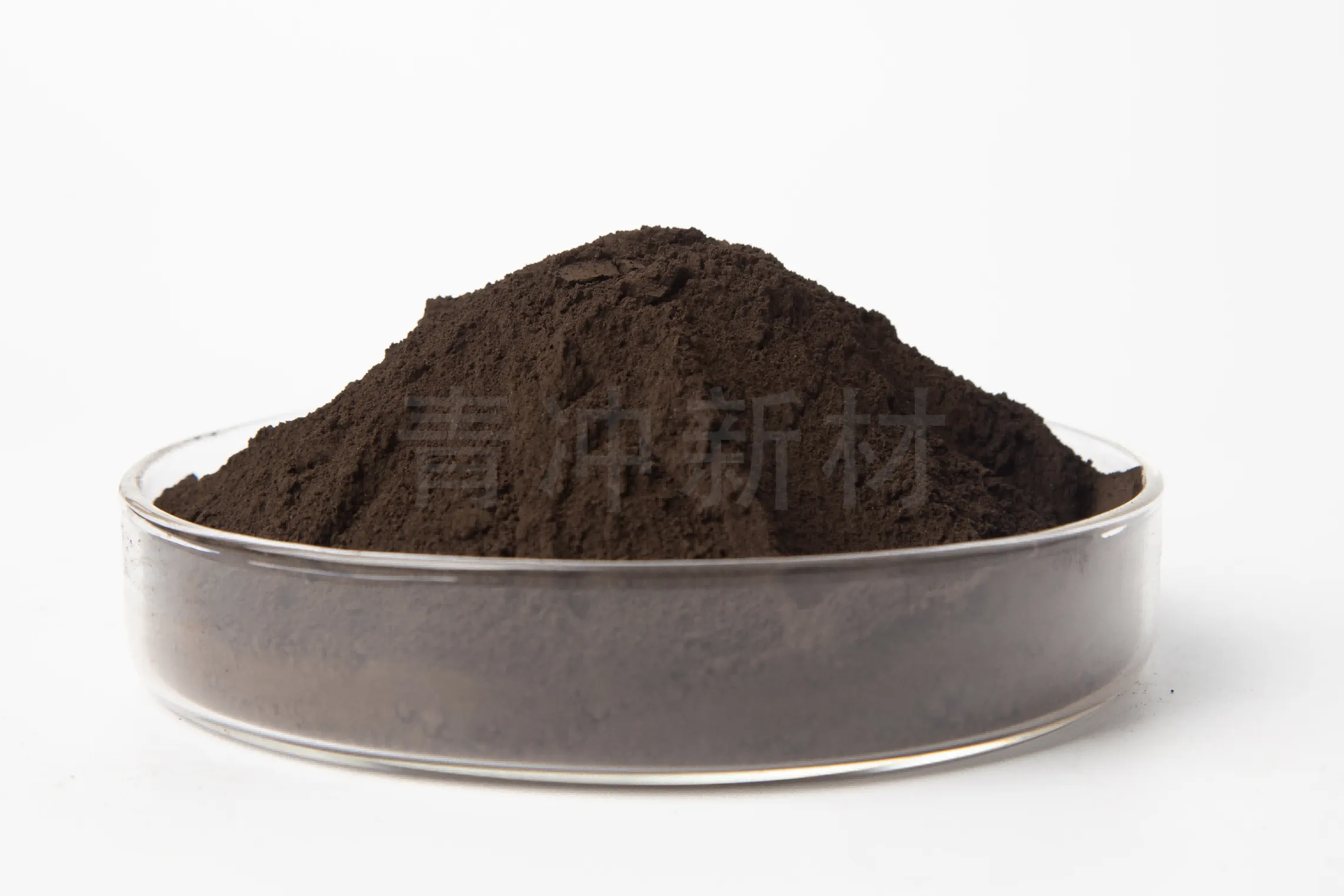
Manganese dioxide is a black or brownish-black powder. It boasts a higher manganese content of approximately 30-99%. Its official CAS number is 1313-13-9. Buyers can source natural grades or synthetic grades, including electrolytic (EMD) and chemical (CMD) manganese dioxide. This compound features the Mn⁴⁺ oxidation state. This represents the "oxidized" form. MnO₂ is highly stable and acts as a strong oxidizing agent. It has a high density and remains completely insoluble in water. It maintains excellent thermal stability up to roughly 550 °C. Manufacturers produce battery-grade MnO₂ electrolytically, while they produce industrial grades chemically.
The Core Chemical Difference
You can understand the difference using a simple analogy. MnCO₃ acts as the "feedstock." It is versatile and easily convertible into other forms. Conversely, MnO₂ is the "specialist." It is purpose-built for specific oxidation tasks and energy storage applications.
Head-to-Head Comparison: 6 Dimensions That Actually Matter to Buyers
| Feature | Manganese Carbonate (MnCO₃) | Manganese Dioxide (MnO₂) |
|---|---|---|
| Manganese Content | 42–47% Mn (Industrial & Feed grades) | 30-99% (according to buyer’s need) |
| Reactivity | Readily soluble in dilute acids | Strong oxidant, insoluble in water |
| Thermal Behavior | Decomposes at ~200 °C to MnO | Thermally stable up to ~550 °C |
| Handling & Safety | Standard PPE; GRAS-adjacent for feed | Standard PPE; strong oxidizer; industrial use |
| Supply Chain | Stable pricing; wide supplier base | Price tied to battery demand; concentrated supply |
Manganese Content & Purity Grades
MnCO₃ typically offers 42% to 47% total manganese. Suppliers divide this into distinct food, feed, and industrial grades. MnO₂ grading focuses on the active MnO₂ content rather than just total manganese. Battery grades require ≥70% active content, while EMD grades often exceed 90%. This active content directly dictates your yield calculations. You must always request a Certificate of Analysis (CoA) from your supplier. You should specify the MnO₂ activity level, not just the total manganese percentage.
Reactivity & Processing Compatibility
MnCO₃ dissolves readily in dilute acids. This trait makes it highly suitable for wet chemistry, electroplating, and ferrite synthesis. MnO₂ acts as a powerful oxidant. It suits reactions that require electron acceptance, such as water treatment, glass decolorization, and chemical synthesis. You must exercise caution regarding formulation. The two compounds are not interchangeable. Substituting one for the other without reformulating your process risks complete production failure.
Thermal Behavior & Calcination Applications
MnCO₃ decomposes at approximately 200 °C. It converts to MnO and then oxidizes into Mn₂O₃ or Mn₃O₄. This predictable thermal behavior makes it an ideal precursor for ferrite and catalyst manufacturing. MnO₂ reduces stepwise at much higher temperatures. Manufacturers use it directly in high-temperature environments like cathode pastes and glass melts.
Handling, Safety & Regulatory Profile
Workers must use standard PPE to handle the dust of either compound. MnO₂ acts as a much stronger oxidizer. You must store it far away from organic materials and flammables. Regulators generally consider MnCO₃ safe for trace-mineral animal feeds across the EU, US, and China. MnO₂ serves strictly industrial purposes in most contexts.
Supply Chain & Availability
Manufacturers of both manganese carbonate and manganese dioxide are concentrated in a few key regions, with China playing a major role in global supply. Commodity pricing for MnCO₃ tends to be relatively stable due to its broad industrial applications and diversified supplier base, whereas MnO₂ faces a more concentrated supply chain and its price is particularly sensitive to the demand cycles of the global battery market.
Cost Structure
MnCO₃ generally carries a lower per-tonne cost. MnO₂ commands a premium price, especially the EMD grades. You should calculate the true cost by dividing the bulk price by the active manganese delivered to your process. This cost-per-unit-Mn framework helps buyers maximize economic returns.
Application-by-Application Verdict: Which Compound Wins Where
Battery & Energy Storage
The winner here is MnO₂. Engineers rely heavily on EMD and CMD for primary alkaline batteries and Zn-Mn cells. MnO₂ also serves as an emerging lithium battery precursor. MnCO₃ plays a distinct but smaller role here. Manufacturers use it as an upstream precursor for LNMO and other advanced cathode chemistries via calcination. Both compounds participate successfully at different stages of the battery supply chain.
Ferrite & Soft Magnetic Materials
The clear winner is MnCO₃. It serves as the preferred precursor for manufacturing MnZn ferrite. This specific process requires precise Mn²⁺ stoichiometry. MnO₂ falls short in this application. Its excess oxygen disrupts the delicate crystal structure during the sintering phase.
Water & Wastewater Treatment
The winner is MnO₂. Water treatment facilities use manganese dioxide water treatment media to oxidize iron, arsenic, and hydrogen sulfide in groundwater. It functions as a key component of greensand filtration media. MnCO₃ provides no direct utility in this sector.
Glass & Ceramics
The winner for glass production is MnO₂. Glassmakers use it for decolorization and adding amber or violet colorants. However, MnCO₃ wins in ceramic applications. Ceramists use it exclusively in ceramic glazes that require lower firing temperatures.
Animal Feed & Micronutrient Supplements
The absolute winner is manganese carbonate feed grade. It offers exceptionally high bioavailability. Regulators approve its use as a manganese source in compound feeds across the EU, US, and China. MnO₂ lacks approval as a feed additive in most global jurisdictions.
Chemical Synthesis & Catalysis
The two compounds satisfy distinct requirements for different synthesis processes. Chemists use MnO₂ as an oxidizing agent in organic synthesis to oxidize alcohols. Chemists use MnCO₃ as a soluble manganese source, which they need for catalyst preparation through impregnation and co-precipitation methods. Your choice depends entirely on whether the manganese needs to donate or receive electrons in your target reaction.
Steel & Alloy Production
Metallurgists use both compounds as basic materials to extract manganese. Electrolytic manganese metal (EMM) is actually the most common additive in steelmaking. Manufacturers frequently use MnCO₃ as a necessary precursor to produce the EMM.
Making the Right Decision: A 4-Step Decision-Making Model
You can streamline your procurement process with answers to the following four qualifying questions.
Q1: Is the process dependent on an oxidizer or a reducible Mn source?
Select MnO₂ if an oxidizer is required. If your process needs a reducible or soluble Mn source, then select MnCO₃.
Q2: What is the process temperature?
Select MnCO₃ if your process operates at temperatures below 200 °C and requires decomposable materials. If you need stable oxidation, then select MnO₂.
Q3: Are there food, feed, and pharmaceutical-grade regulations?
If yes, then the only option is MnCO₃, but ensure that you get the particular certificate. If not, then you can choose any of the two Mn sources.
Q4: What is the purpose of purchasing the material?
The answer to this question determines whether you can take any other grade of Mn besides MnCO₃.
Conclusion
Neither compound is universally better than the other. Your specific industrial application completely defines the correct answer. The clearest divisions exist across industries. Batteries, water treatment, and glass production demand MnO₂. Ferrite manufacturing, animal feed, and catalyst preparation require MnCO₃. Selecting the correct grade within each compound category matters just as much as choosing the compound itself.
Tell us your application and target specifications today. We will recommend the exact right grade for your process and provide a competitive quote within 24 hours. You can review our comprehensive product for both MnCO₃ and MnO₂ on our website. We leverage decades of professional experience, serve dozens of international markets, and hold all necessary global quality certifications to guarantee your success.
FAQs
1. Can I substitute manganese carbonate for manganese dioxide in battery manufacturing?
No, you cannot substitute them directly. Battery manufacturing relies on the strong oxidizing properties and specific crystal structure of MnO₂. MnCO₃ acts strictly as an upstream precursor that requires further calcination before battery use.
2. Which compound is safer to store in bulk warehousing?
MnCO₃ is generally much safer to store. MnO₂ acts as a strong oxidizer. Facility managers must keep MnO₂ strictly separated from organic materials, acids, and flammables to prevent dangerous chemical fires.
3. Is industrial-grade manganese dioxide suitable for agricultural animal feed?
No, MnO₂ is not approved for animal feed in most major jurisdictions. Procurement managers must source high-purity, low-heavy-metal manganese carbonate for all agricultural feed and micronutrient supplements.
4. How do I calculate the true cost of these manganese compounds?
You should evaluate the cost based on the active manganese content delivered directly to your process, rather than the raw per-tonne bulk price. You find this by dividing the bulk price by the active manganese percentage listed on the CoA.
5. What packaging is standard for international B2B shipments of these chemicals?
Reliable export suppliers typically ship these fine powders in 25 kg woven bags or 1 Metric Ton (MT) jumbo FIBC bags. Logistics teams properly palletize and shrink-wrap these bags for secure ocean freight.