EN
EN
 CN
CN
 fr
fr es
es ar
ar ru
ru de
de pt
pt tr
tr vi
vi it
it ja
ja ko
ko hi
hi

Agricultural Grade vs. Industrial Grade Manganese Sulfate: Which One Do You Need?
Let us imagine a concrete scenario involving two distinct factories. Factory A produces a premium foliar fertilizer. Factory B manufactures electrolyte-grade battery precursors. Both facilities order a bulk shipment of "manganese sulfate" for their production lines. These orders share the exact same chemical name. However, the products have radically different specifications. Swapping these grades creates completely different regulatory consequences and guarantees process failures.
Manganese sulfate stands as one of the most widely used manganese compounds globally. Yet, the concept of "grade" remains the single most misunderstood dimension in procurement conversations. This article serves as a comprehensive grade selection audit. You will not find a standard chemistry lesson here. Instead, we have designed a practical buying decision tool. Whether your process requires agricultural grade manganese sulfate or industrial grade manganese sulfate, you will leave with a clear specification checklist. As a technically capable supplier, we want to help you build a definitive grade decision framework that you can use immediately.
What Manganese Sulfate Actually Is
Manganese sulfate serves completely different industries, but the core chemical remains the same. Understanding its fundamental properties clarifies why grade distinctions matter so much.
Chemical Identity and Physical Forms
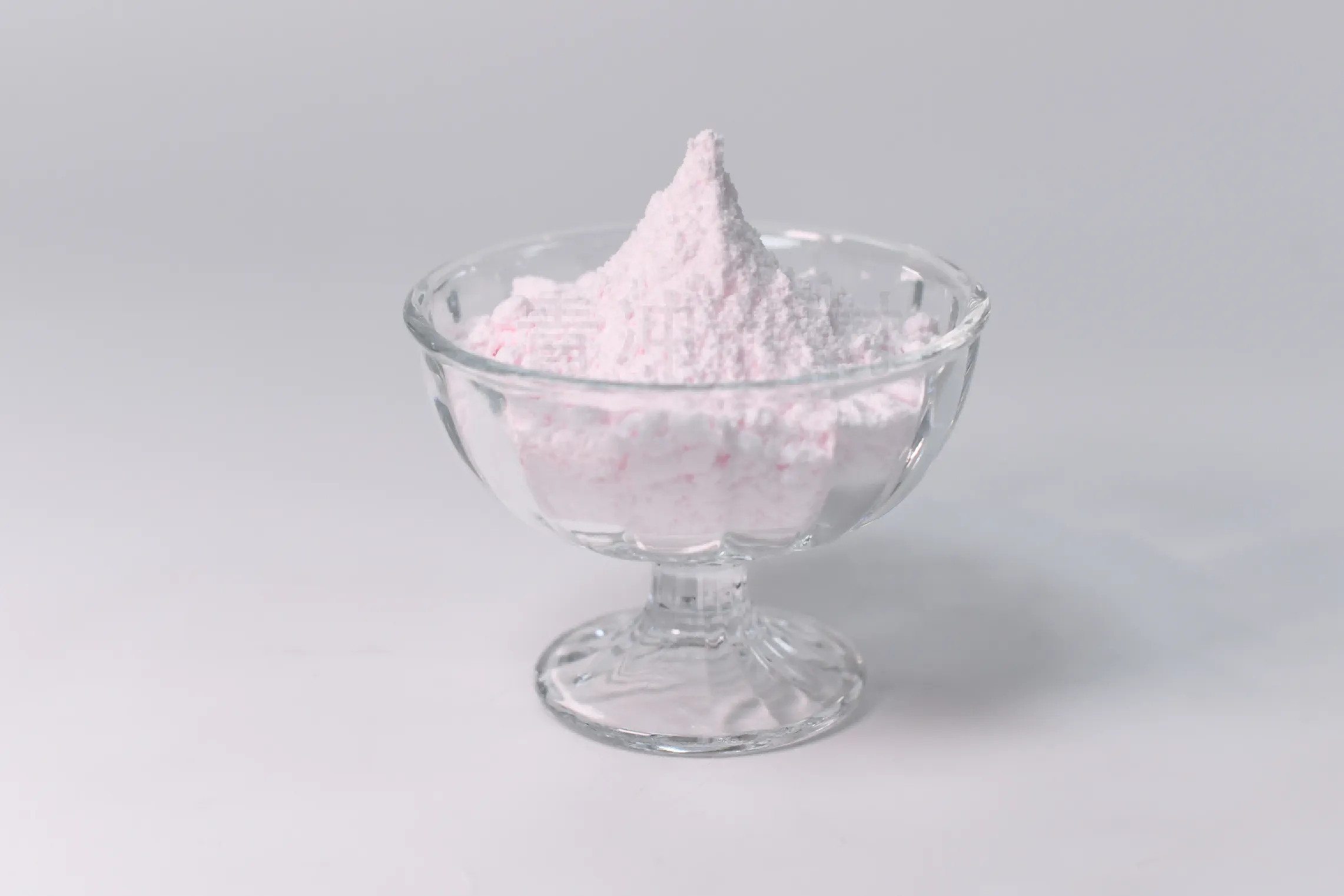
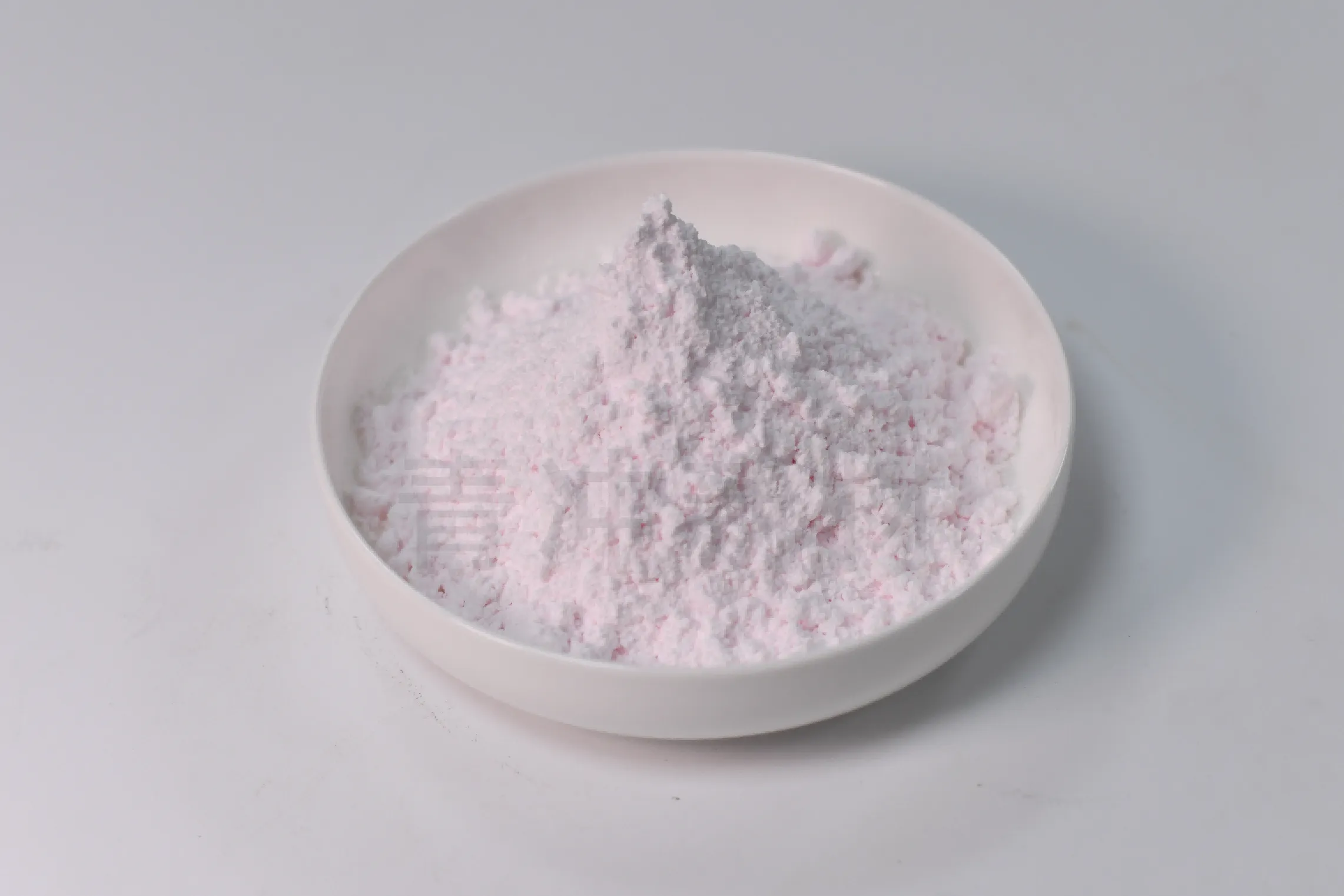
Manganese sulfate exists in a few distinct forms. The chemical formula MnSO₄·H₂O represents the monohydrate form. The monohydrate form functions as the main product, which serves agricultural and industrial markets. The product contains about 32% manganese as its main element. Buyers will recognize it as a pale pink crystalline powder. The compound has high solubility in water. The compound's solubility allows it to be used in multiple industries. The two different grades of the product share the same CAS 7785-87-7 identification number. The basic scientific properties of the substance remain unchanged. The purity profile strictly defines the grade.
Why the Same Compound Has Two Distinct Grade Tracks
The distinction between agricultural and industrial manganese sulfate comes down to specific impurity tolerances. Agricultural grade products are governed by biological safety thresholds. Trace contaminants like cadmium, arsenic, and lead are completely irrelevant in industrial machinery. However, these heavy metals become severe crop-accumulation and food-chain risks even at part-per-million (ppm) levels.
Industrial grade products are governed by process performance thresholds. Trace elements like chloride, sodium, and silica are generally harmless in agronomy. Yet, these exact elements can poison industrial catalysts, degrade battery electrolytes, or corrupt precision plating baths. The core insight for buyers is simple. The specific impurity that disqualifies a product for one application is often irrelevant to the other. Buyers need to understand which contaminant profile impacts their process.
Head-to-Head: The Six Specification Dimensions That Define the Grade Divide
Understanding the exact specifications prevents costly purchasing errors. Six critical dimensions separate the two grades.
Manganese Content (Mn%)
The total manganese content sets the baseline for the product. Agricultural grade manganese sulfate typically offers ≥31.8% Mn in its monohydrate form. Some markets accept a slightly lower ≥30% Mn for soil-applied granules. Industrial grade manganese sulfate targets vary heavily by application. Battery precursors often require ≥32.0% Mn with extremely tight tolerances (±0.2%). Electroplating applications may demand a staggering ≥98% MnSO₄ purity by assay. However, buyers must remember one crucial tip. The Mn% alone never defines the grade. You must always review the full impurity profile alongside the manganese content.
Heavy Metal Limits: The Non-Negotiable for Agriculture
Heavy metal contamination represents a severe compliance risk. Agricultural grade products face strict regulations. For cadmium (Cd), the EU fertilizer regulation (2019/1009) sets a maximum of 60 mg Cd/kg P₂O₅. National standards for straight manganese fertilizers typically require Cd levels below 10 ppm. Lead (Pb) limits generally stay under 50 ppm for agricultural use. Premium food-crop or organic-compatible grades require lead levels under 10 ppm. Arsenic (As) usually remains under 10 ppm for agriculture, with stricter limits (<5 ppm) for foliar sprays.
Industrial grade products often have relaxed or entirely absent heavy metal limits. This fact does not make industrial grade a safe substitute in agricultural contexts. Using industrial grade material in fertilizer applications can violate national regulations. It can also contaminate agricultural soil over multiple crop cycles. Heavy metal compliance remains non-negotiable for agricultural procurement teams.
Chloride and Sodium Content: The Industrial-Grade Killer
Certain impurities destroy sensitive industrial processes. Chloride (Cl⁻) is highly corrosive to electroplating baths and battery electrolytes. High-purity industrial grade products typically keep chloride below 50 ppm. Meanwhile, an agricultural grade product might easily tolerate chloride levels up to 500 ppm. Sodium (Na) presents a major flux contamination concern during battery cathode precursor synthesis. Agricultural applications generally remain indifferent to sodium. Therefore, a low-cost agricultural grade that passes heavy metal tests will still fail battery-grade qualification due to chloride and sodium alone.
Water Insoluble Matter
Insoluble matter causes physical blockages in application systems. Agricultural foliar sprays require <0.5% insolubles to prevent nozzle clogging and ensure even application. Fertigation systems (drip irrigation) require strict <0.1% insolubles to protect delicate emitters. Industrial electroplating and battery manufacturing often require insolubles below 0.05% or below detection limits. Insolubles in these fields cause plating defects and cathode inhomogeneity. Granular soil-applied fertilizers tolerate insolubles much better, often accepting up to 1–2%.
Particle Size and Physical Form
Physical handling requirements dictate the particle size. Agricultural foliar and fertigation uses require a fine powder or fully soluble micro-granules. Spray-grade products typically need a D90 particle size under 150 µm. Agricultural soil applications use coarser granules ranging from 1 to 4 mm. These granules blend easily with NPK fertilizers and must be dust-free for worker safety. Industrial battery precursors require ultra-fine, highly controlled particle size distributions. The D50 metric is often specified to ±2 µm for cathode synthesis. In electroplating, crystal size dictates the dissolution rate in the plating bath. Finer crystals mean faster dissolution and fewer bath management issues.
Price Differential and Value Drivers
Grade distinctions heavily impact market pricing. Agricultural grade manganese sulfate generally carries a lower cost. This is due to more relaxed industrial impurity tolerances. The price scales primarily with manganese content and the cost of heavy metal compliance. Battery and high-purity industrial grades command a significant market premium. Additional purification steps, such as recrystallization and solvent extraction, add considerable cost. Buyers should frame the cost-benefit analysis correctly. The cheapest grade that meets your specification is the right grade. Overpaying for purity you do not need is just as poor a decision as underpaying for a non-compliant product.
Application-by-Application Verdict: Which Grade is Specified
Every industry demands a unique specification profile. Here is exactly which grade you need based on your end-use application.
Compound Fertilizers and NPK Blends
Grade: Agricultural grade. Granular forms are highly preferred here. Manganese percentage and granule size compatibility with the NPK blend are the primary specifications. The regulatory context is strictly monitored. The EU Fertilising Products Regulation (2019/1009), China GB standards, and US AAPFCO requirements all define allowable heavy metal maxima. A common pitfall is sourcing from suppliers who cannot provide a lot-by-lot heavy metal Certificate of Analysis (CoA). Regulatory inspections in the EU and Southeast Asian markets now require full traceability documentation.
Foliar Spray and Water-Soluble Fertilizer (WSF) Concentrates
Grade: Agricultural grade. Buyers require a high-solubility fine powder. A water insoluble limit of <0.1% is absolutely mandatory. Manganese sulfate corrects manganese deficiency in crops. Soybeans, rice, wheat, citrus, and tree fruits represent the highest-volume use cases globally. When comparing chelated versus sulfate forms, MnSO₄ remains the most cost-effective manganese source. Chelated manganese (EDTA, DTPA) performs better in high-pH soils but costs three to five times more. Manganese sulfate stands as the standard first choice.
Animal Feed Micronutrient Supplements
Grade: Agricultural/Feed grade. These products must meet EU Regulation 1831/2003 or regional equivalents. Heavy metal limits here are often stricter than those for crop fertilizers in some jurisdictions. Manganese is essential for bone development, reproduction, and enzyme function in poultry and swine. It sees high-volume use in the premix industry. Suppliers must secure feed additive registrations or notifications in the target market. Not all agricultural-grade manganese sulfate qualifies for feed use without this additional documentation.
Lithium-Ion Battery Precursor (NMC/LMFP Cathode Synthesis)
Grade: High-purity industrial grade. This application represents the most demanding specification tier globally. Buyers require Mn ≥32.0%, Cl⁻ <20 ppm, Na <50 ppm, Fe <10 ppm, and a highly controlled particle size distribution. Lithium manganese iron phosphate (LMFP) cathodes drive massive market growth. They represent the fastest-growing application for high-purity MnSO₄ between 2024 and 2026. Agricultural grade is categorically disqualified here. Heavy metal permissiveness and high chloride tolerance make it fundamentally incompatible with cathode chemistry.
Electroplating and Surface Treatment
Grade: Industrial grade. Chloride and insolubles serve as the critical specifications. Total manganese percentage matters less than overall bath stability. Manufacturers use it in manganese phosphating baths for automotive parts to create corrosion resistance. It is also used in zinc-manganese alloy plating. Agricultural grade may occasionally qualify for low-precision plating applications. However, it will inevitably cause bath contamination in precision aerospace or automotive finishing.
Micronutrient Industry and Specialty Chemical Synthesis
Grade: Industrial grade. Manganese sulfate acts as a vital manganese source in catalyst preparation, chemical synthesis, and fermentation media. Processes dictate specific impurity limits. In biotechnology and fermentation, agricultural grade is often acceptable if heavy metals test low. The organism's sensitivity determines the chloride tolerance. In water treatment, operators use it as a reducing agent in chlorination systems. Agricultural grade usually works here, but buyers must verify regulatory approvals for any potable water contact.
Conclusion
Agricultural and industrial grade manganese sulfate are not distinguished by their fundamental chemistry. They are distinguished by which impurities are strictly controlled, to what exact level, and under which global regulatory framework. Buyers must reverse their decision logic. You must identify your critical impurity constraints first, and then match the product to the correct grade.
Grade specifications remain moving targets. Rising LMFP battery demand aggressively tightens the global high-purity supply. Simultaneously, EU fertilizer regulations continue to tighten heavy metal tolerances. Reliable suppliers move with these changes and keep their clients compliant.
Tell us your application, destination market, and critical specification parameters. We will confirm the right grade and quote your order within 24 hours. Visit our Manganese Sulfate product page to explore our specifications and request your technical sample today.
FAQs
1. Can I use industrial grade manganese sulfate for crop fertilizers if the price is lower?
No. Industrial grade manganese sulfate is not tested or filtered for heavy metals like cadmium, arsenic, and lead. Using it in agriculture can violate federal regulations, contaminate soil, and lead to forced product recalls.
2. Why does battery-grade manganese sulfate cost significantly more than agricultural grade?
Battery-grade manganese sulfate requires extensive purification steps, such as recrystallization and solvent extraction. These processes remove trace elements like chloride and sodium, which are extremely harmful to battery cathode performance but costly to eliminate.
3. What is the most important specification for foliar spray fertilizers?
Water insoluble matter is the most critical specification for foliar sprays. The product must have <0.5% (ideally <0.1%) insolubles to prevent the physical clogging of spray nozzles and ensure even nutrient distribution on the plant leaves.
4. How do I know if my supplier is actually manufacturing two distinct grades?
A reputable manufacturer will operate dedicated production lines for agricultural and industrial grades to prevent cross-contamination. You can verify this by requesting a lot-by-lot Certificate of Analysis (CoA) that includes a full heavy metal panel for agricultural use, or strict chloride/sodium limits for industrial use.
5. What is the standard HS code for importing manganese sulfate?
The standard Harmonized System (HS) code for manganese sulfates globally is 2833.29. You should always confirm this specific classification with your customs broker or freight forwarder to ensure smooth port clearance.