EN
 CN
 fr
 es
 ar
 ru
 de
 pt
 tr
 vi
 it
 ja
 ko
 hi


manganese oxide in ceramic glazes
manganese oxide in ceramic glazes has been developed with a focus on consistency and it keeps the same particle size distribution and chemical properties in different industrial applications. The powder coalesces easily with metals, coatings, and chemical products and thus allows for exact adjusting of the impacting process parameters. Its quality control ensures constant performance throughout the series of production cycles, and this not only leads to material quality being the same but also enhances the efficiency of the operation. manganese oxide in ceramic glazes can be used by the manufacturers to improve the performance of the batches, cut down on the variability, and make the production workflows more efficient; hence, it is a trustworthy material for large-scale industrial operations with the requirement of nonuniform and predictable outcomes.
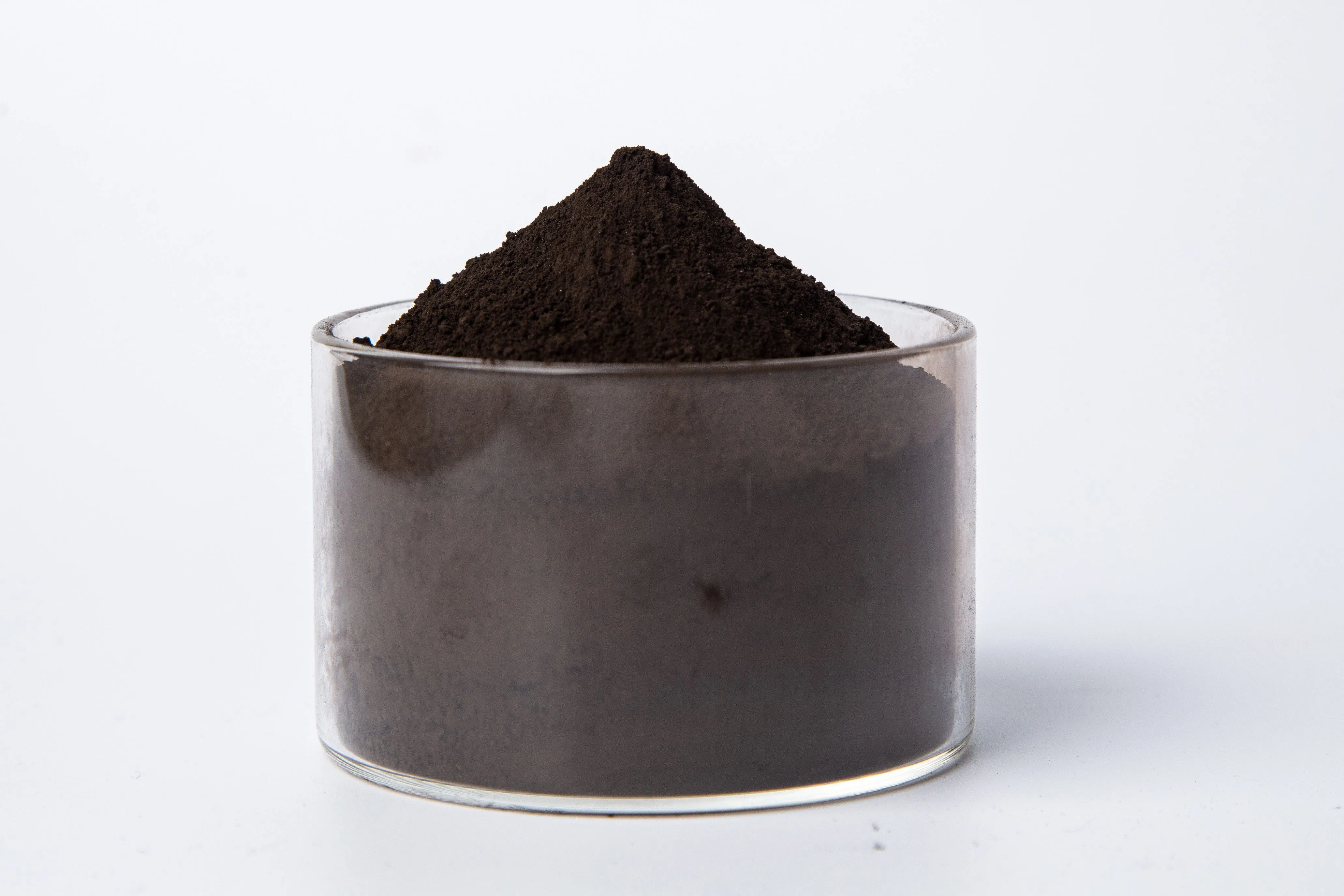

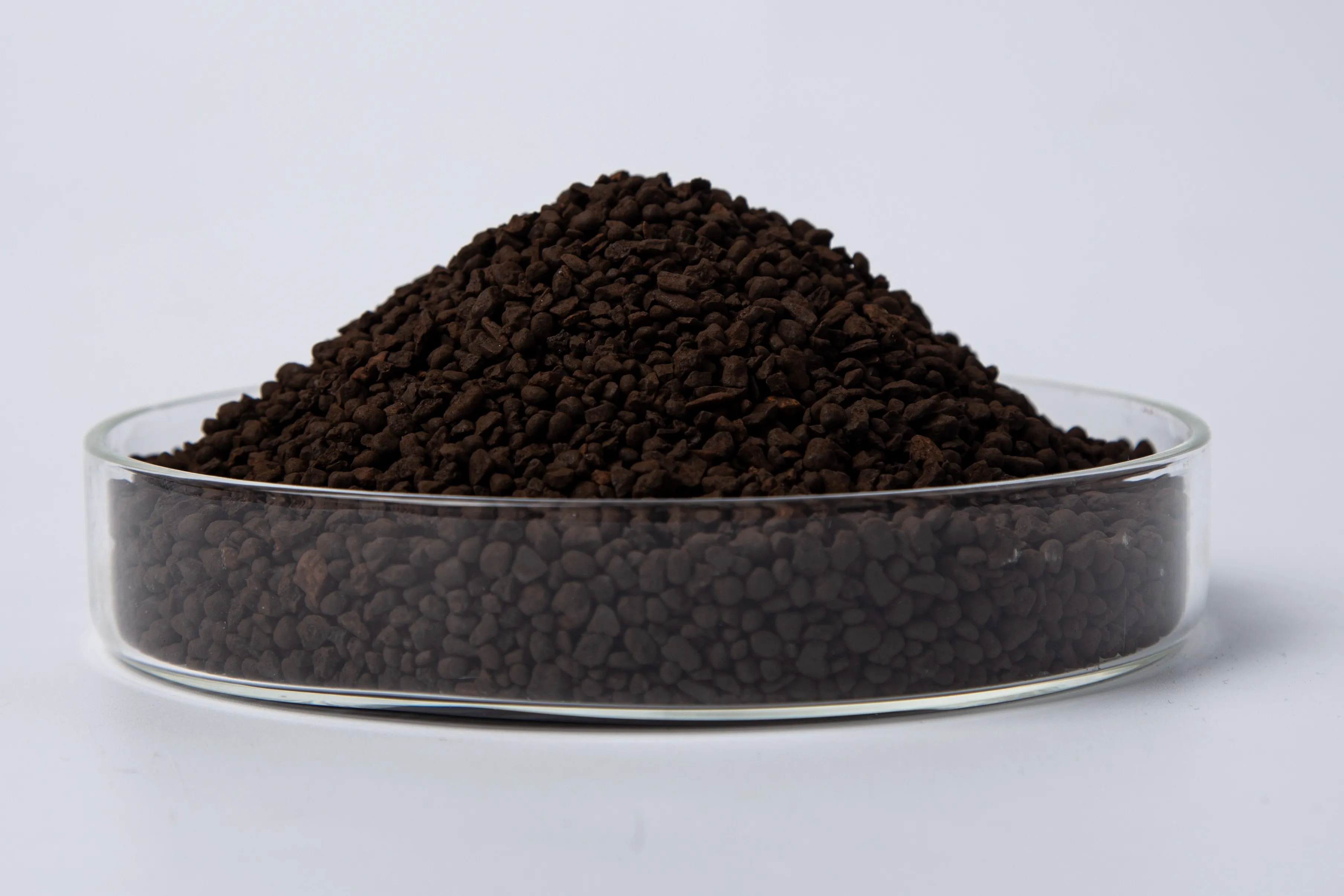
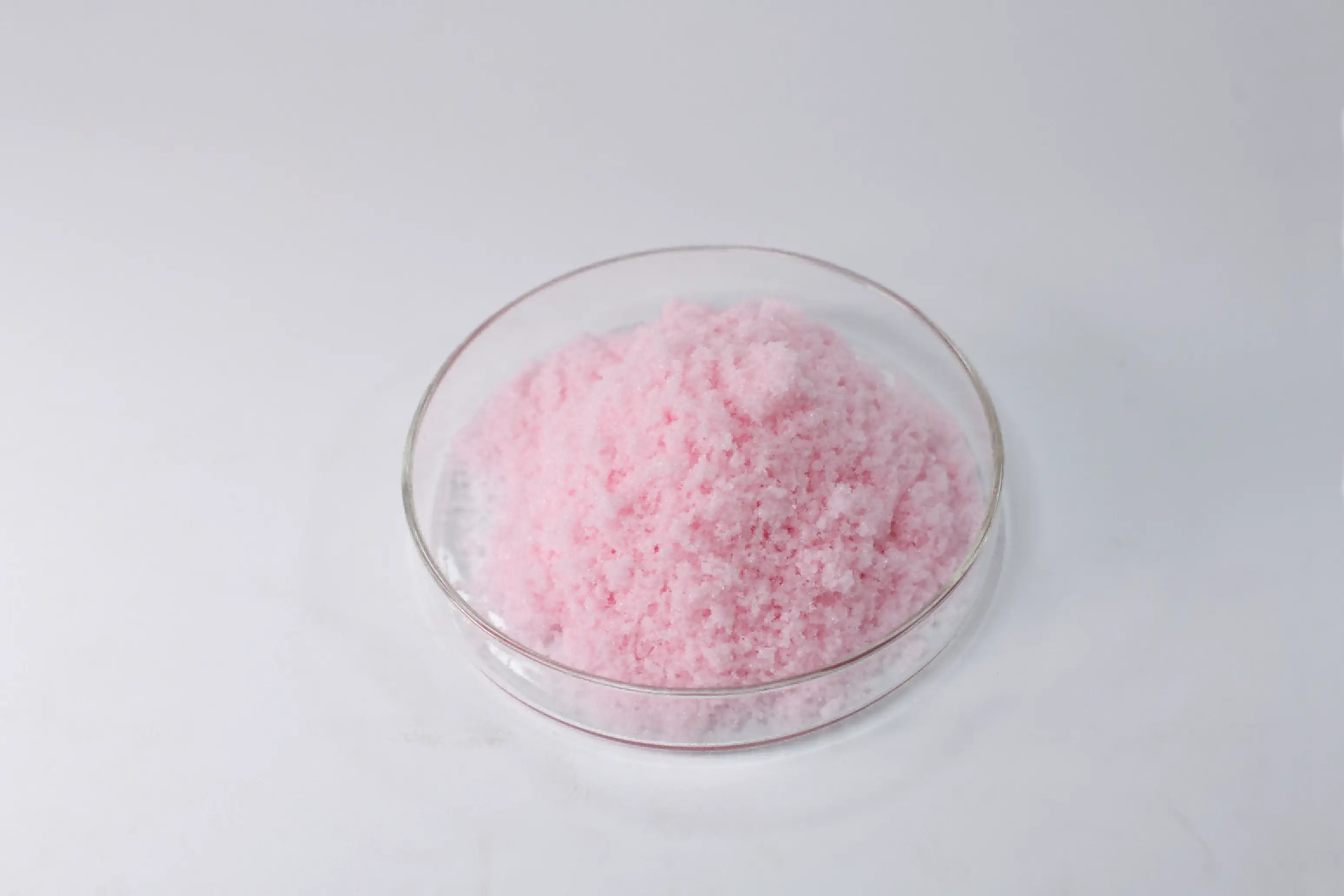
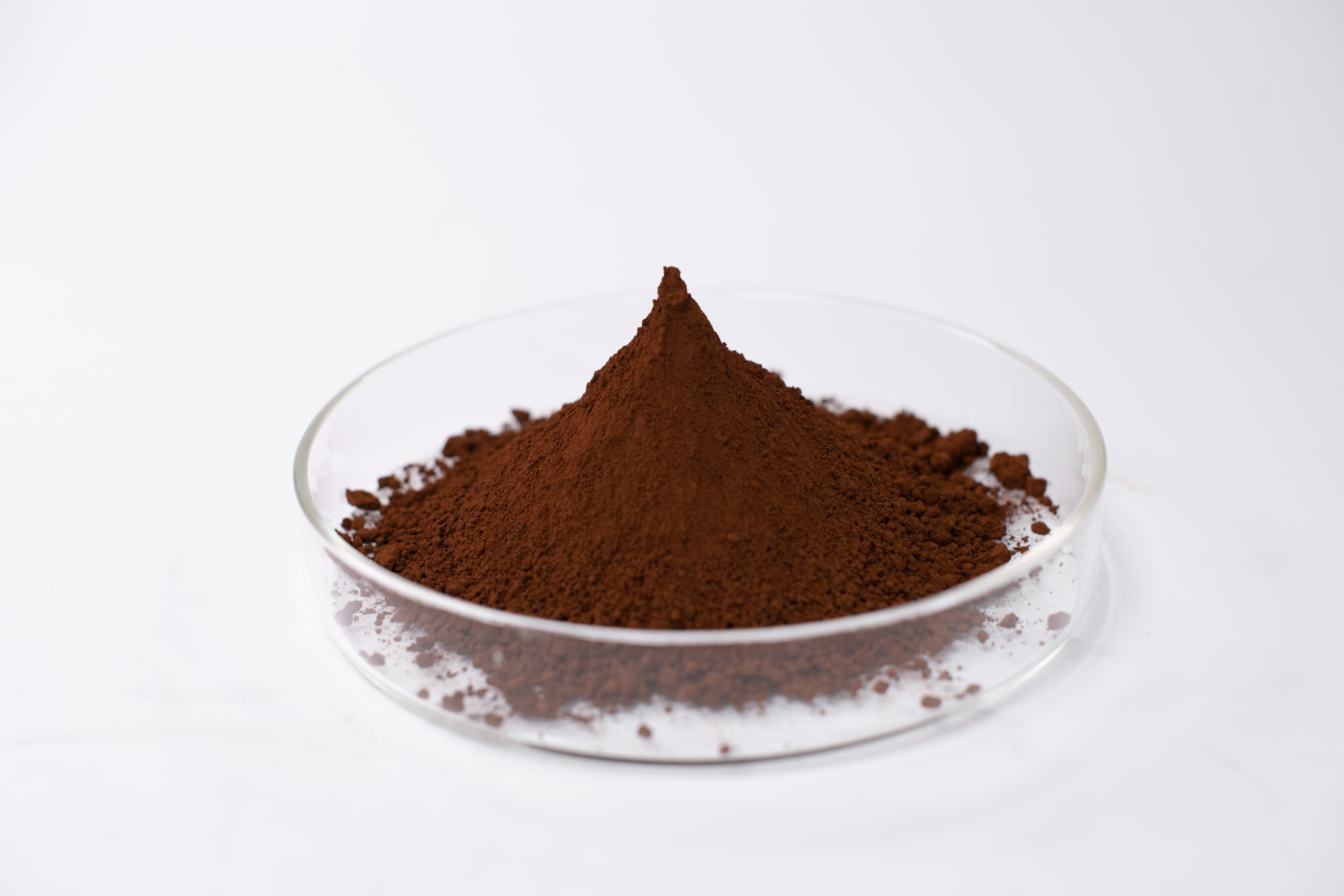
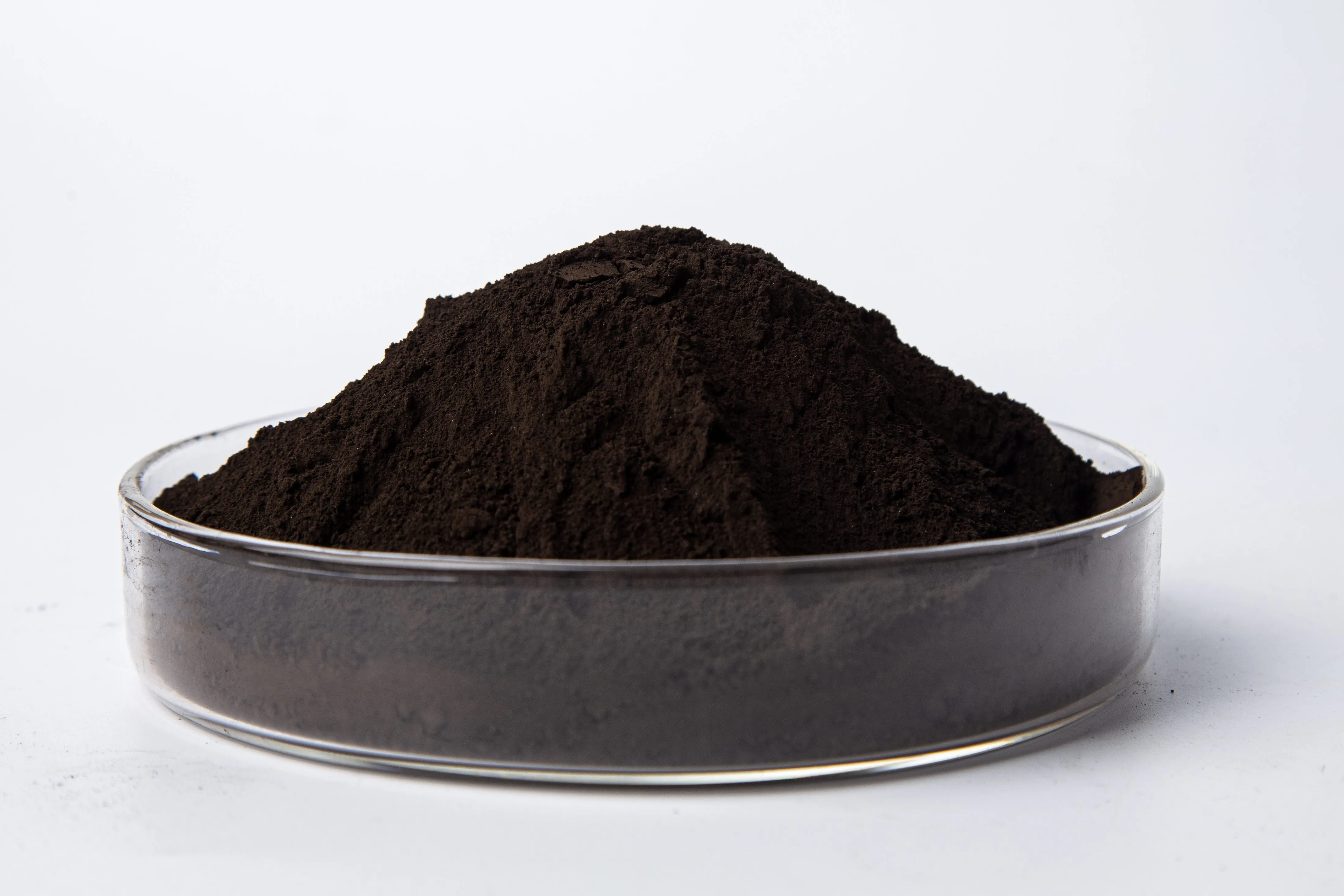
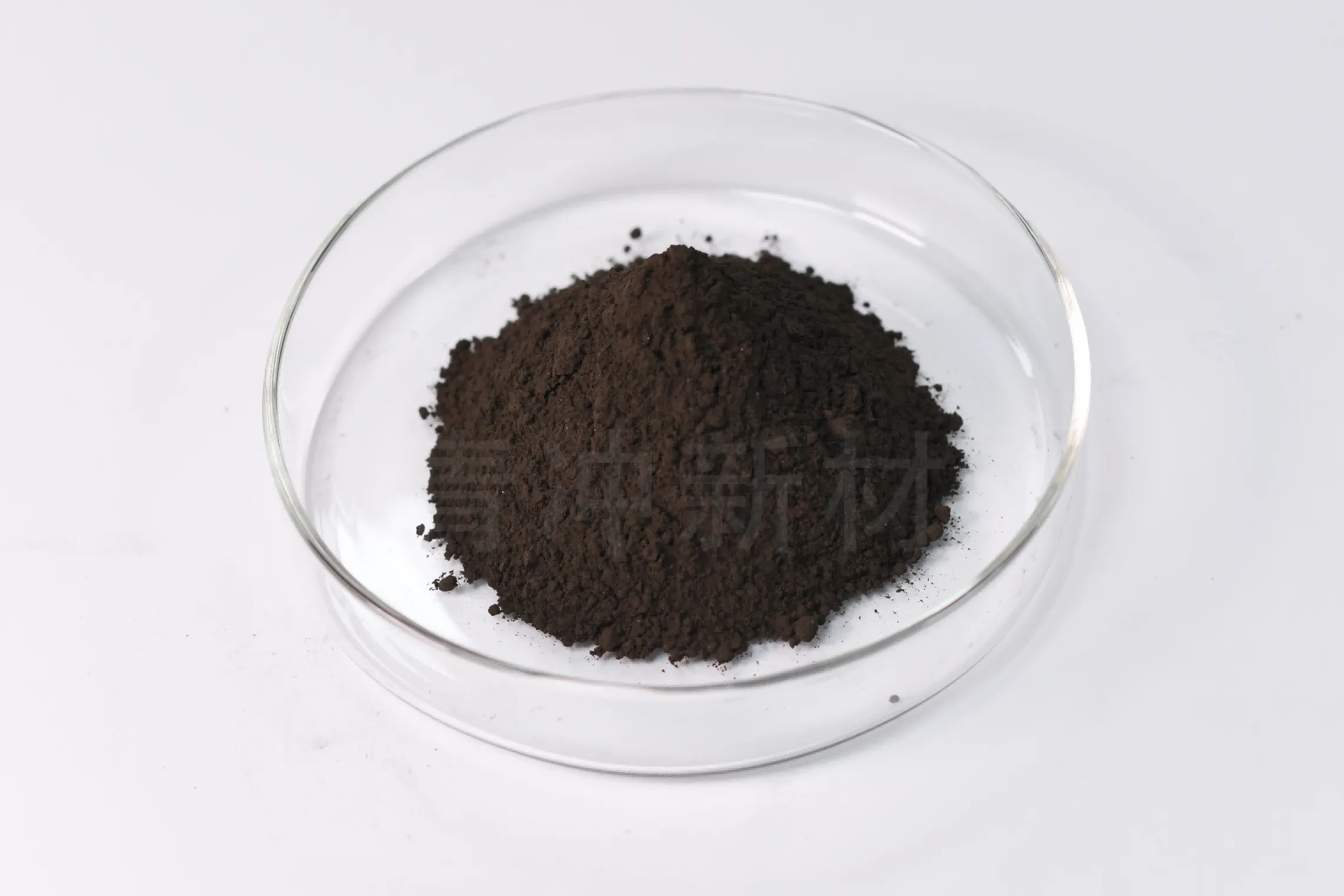
Application of manganese oxide in ceramic glazes
manganese oxide in ceramic glazes finds application in every aspect of surface finishing and polishing operations. Its particles of very small size are the factors behind controlled abrasion and even chemical interactions which thus support getting predictable results on treated surfaces. Powder is used in industrial systems and is included in automated polishing workflows in order to get same quality of surface. Its reproducibility gives the finished products the same quality in many cycles thus making the operation more efficient. Manufacturers using manganese oxide in ceramic glazes get better surface treatment results, lower variability, and high-quality finishes in a large-scale industrial setting.
The future of manganese oxide in ceramic glazes
The utilization of manganese oxide in ceramic glazes in the fields of pigments and coatings is anticipated to increase along with the needs of uniform color and scalable production. The remarkably small particles of the material provide large-scale batches with dispersability and chemical stability that can be predicted. Potential next steps in the development may involve particle engineering that is customized for better consistency and in-situ application in automatic coating systems. The adoption of manganese oxide in ceramic glazes in the manufacturing sector will help to streamline the processes, mitigate the inconsistencies, and guarantee the deliverance of coating and pigment performance that is of high quality and always the same.
Care & Maintenance of manganese oxide in ceramic glazes
To ensure the reproducibility and reliability of performance, proper handling of manganese oxide in ceramic glazes is necessary. Sealed containers are the best storage option, and vibrations and temperature changes should be kept to a minimum. During transfer, be careful not to cause segregation of the particles. Always use calibrated dosing and feeding systems in the production processes to make sure there is uniformity in dispersion. Periodically check the quality of the batch to confirm the consistency of the material. Manufacturers that undertake these practices will have the advantage of predictable integration, reduced operational variations, and excellent quality in chemical, metallurgical, and surface treatment processes.
QingChong manganese oxide in ceramic glazes
In surface finishing and polishing applications, manganese oxide in ceramic glazes adds to the performance of both the mechanical and the chemical nature. Its fine particle size guarantees the controlled abrasion and uniform interaction with the treated surfaces. The powder’s stable chemical properties allow the predictable behavior to be a supportive factor for the quality of the finishing to be consistent. Manufacturers use manganese oxide in ceramic glazes in the automated or big-scale workflows to keep the consistency, cutting down on the deviations, and increasing the operational efficiency. Its uniform traits grant exact commanding of polishing effects thus, making it a precious thing for high-precision industrial surface treatment processes.
FAQ
Q: What are the primary industrial uses of Manganese Oxide? A: The compound finds its applications across various fields including metallurgy and chemical synthesis and energy storage materials and pigments and catalytic applications. Q: How should Manganese Oxide be stored? A: Store it in sealed containers under stable temperature and minimal vibration to maintain particle uniformity. Q: Can Manganese Oxide be integrated into automated production lines? A: The material achieves seamless integration into automated production systems because its uniform particle size and stable chemical properties make it suitable for automated workflows. Q: What advantages does Manganese Oxide offer in alloy production? A: It ensures precise manganese content, uniform distribution, and predictable mechanical properties in alloys. Q: How do manufacturers maintain batch consistency using Manganese Oxide? A: The process requires controlled handling and calibrated dosing and regular inspection to stop segregation and aggregation.
Reviews
Benjamin Taylor
The Manganese Sulfate we purchased has excellent solubility and consistency, which has helped optimize nutrient formulations for our agricultural products. Quality and supply reliability are excellent.
Daniel Wilson
Manganese Carbonate from this supplier delivers consistent composition and particle quality. It integrates perfectly into our alloying processes, producing metals with uniform strength and hardness. Batch-to-batch consistency is highly reliable.
Latest Inquiries
To protect the privacy of our buyers, only public service email domains like Gmail, Yahoo, and MSN will be displayed. Additionally, only a limited portion of the inquiry content will be shown.
Noah****@gmail.comSouth Africa
Hello, we are interested in sourcing Manganese Oxide for metallurgical applications. Please send spe...
Liam****@gmail.comJapan
Dear Supplier, we require Manganese Chloride for chemical synthesis. Please send product specificati...