EN
 CN
 fr
 es
 ar
 ru
 de
 pt
 tr
 vi
 it
 ja
 ko
 hi


chemical activated carbon and manganese dioxide
When chemical activated carbon and manganese dioxide is utilized in battery technology, it significantly aids in maintaining constant electrochemical behavior through the distribution of active materials, which is uniform and therefore the whole electrochemical system is working well together. The conversion of chemical activated carbon and manganese dioxide into manganese-based compounds is a big plus because it contributes to the improvement of charge-discharge efficiency, thus the energy is stored and released faster. To boost the power, the manufacturers are allowed to play with the size and shape of the particles as well as the surface properties. Moreover, chemical activated carbon and manganese dioxide compatibility with a wide range of electrolyte systems gives rise to the construction of batteries with different designs that are powered by this material. The battery has the capability of supporting long cycling life and constant voltage output, which means it can be depended on to perform in portable electronics, renewable energy logging, and electric-powered transport. The exceptional chemical adaptability of chemical activated carbon and manganese dioxide makes it a very important and a must-have component in the present-day energy storage technology and high-performance battery development.
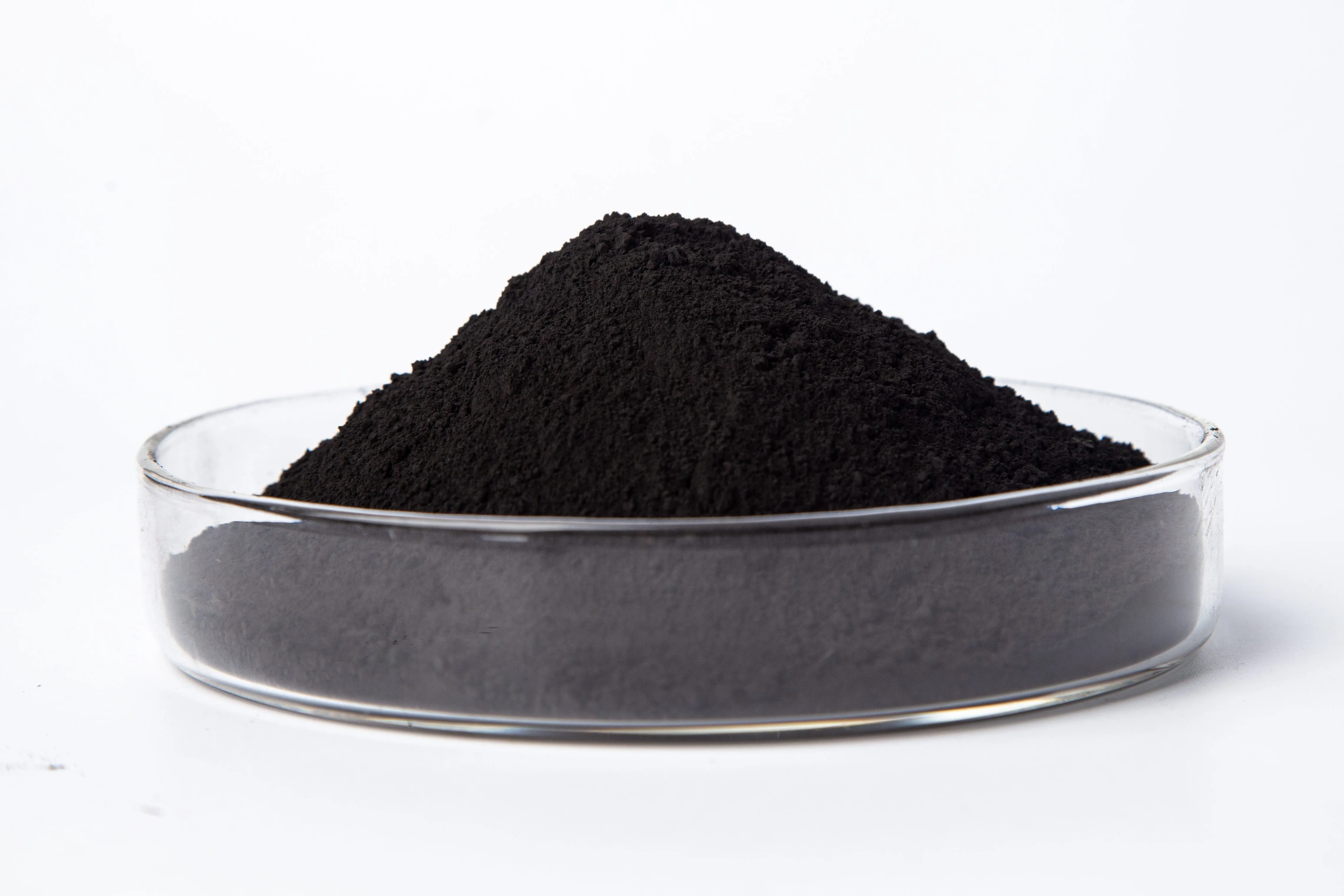
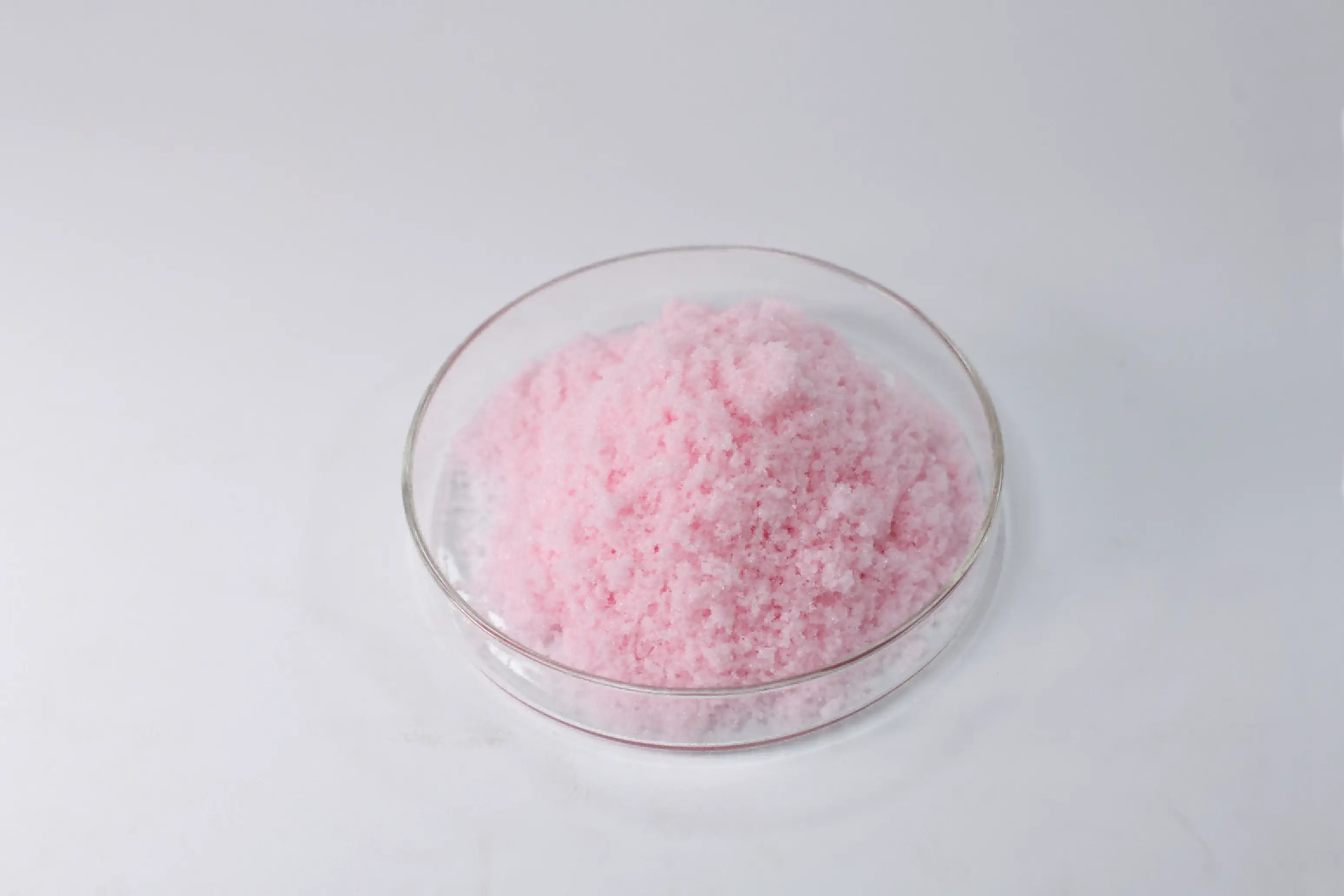

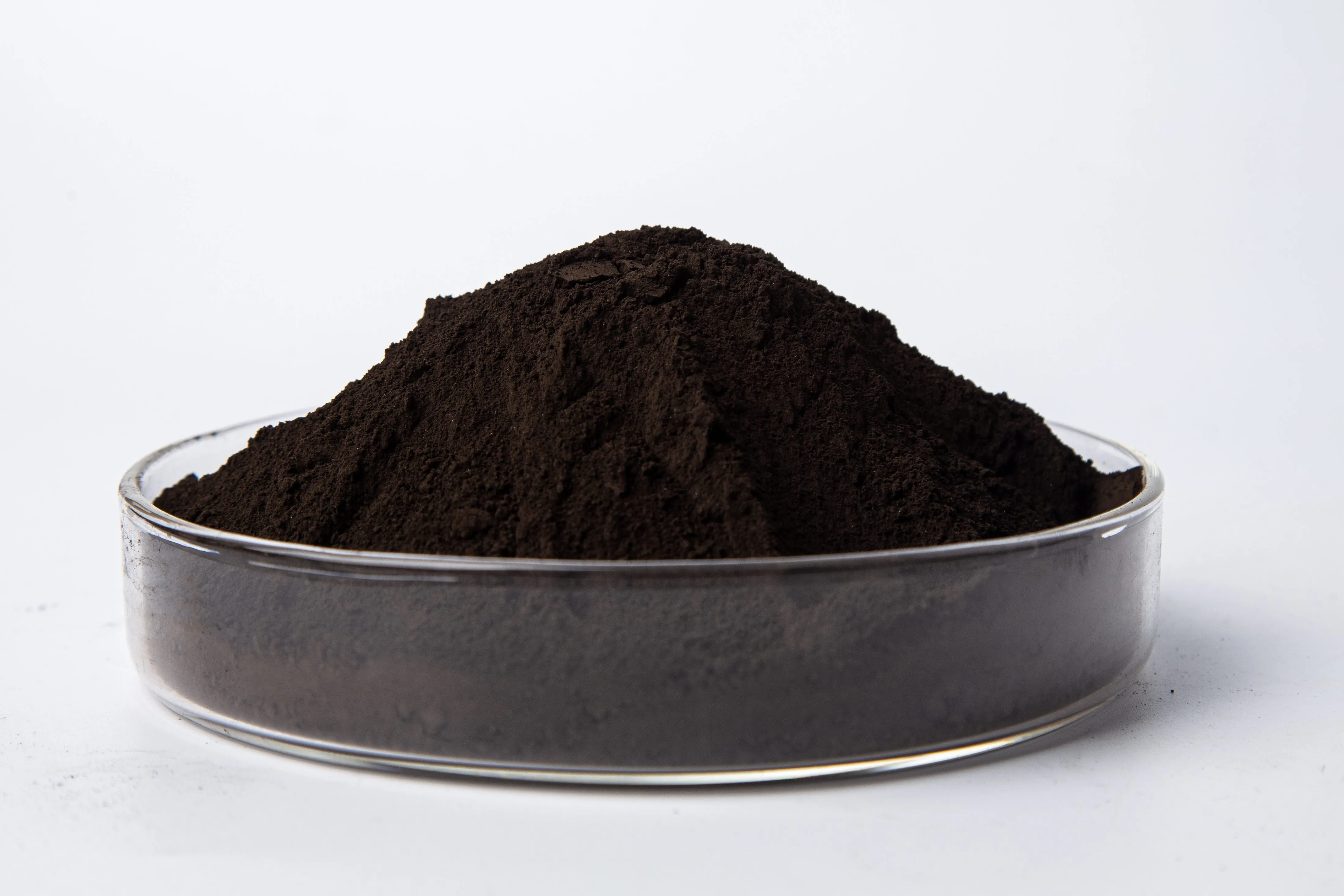
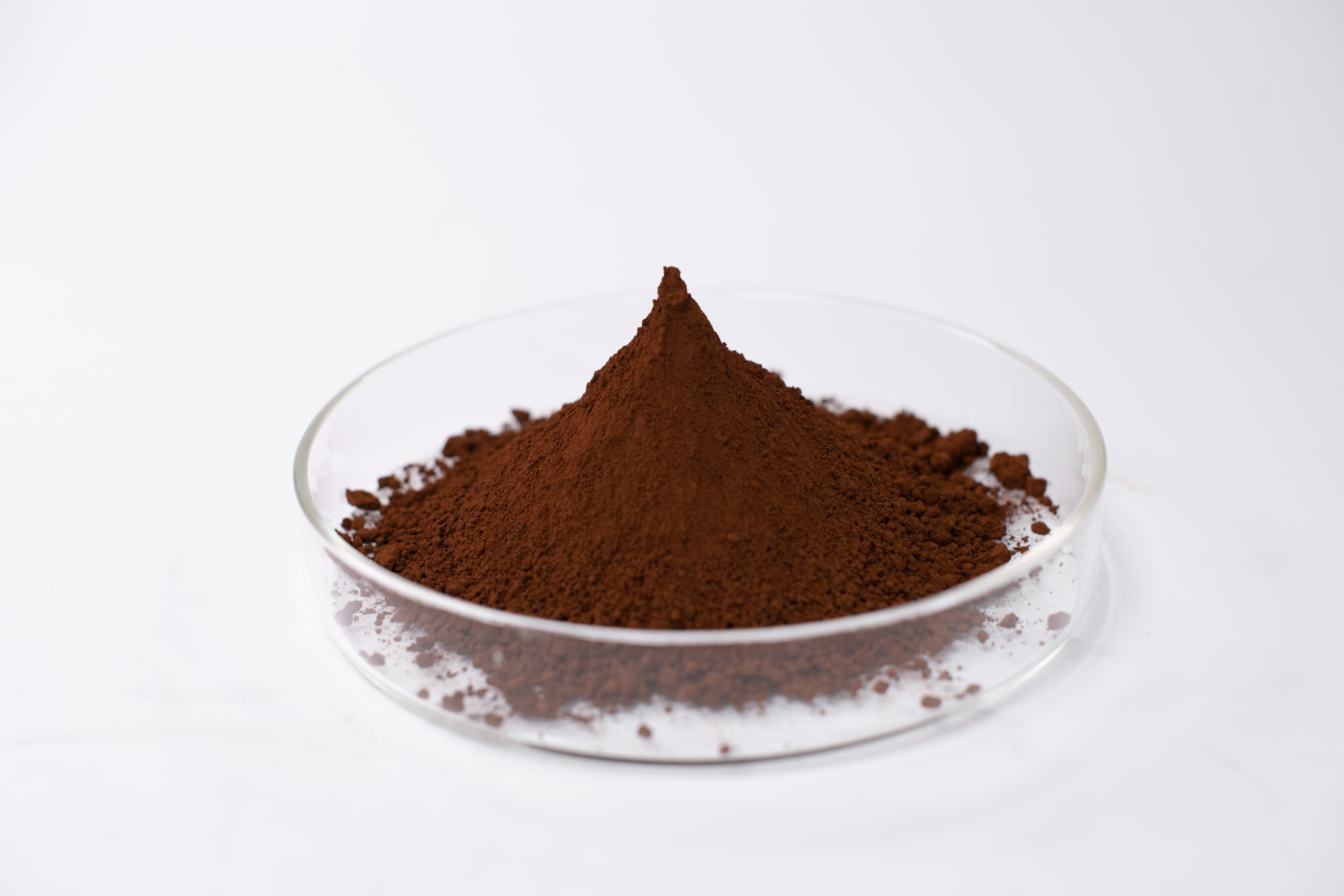
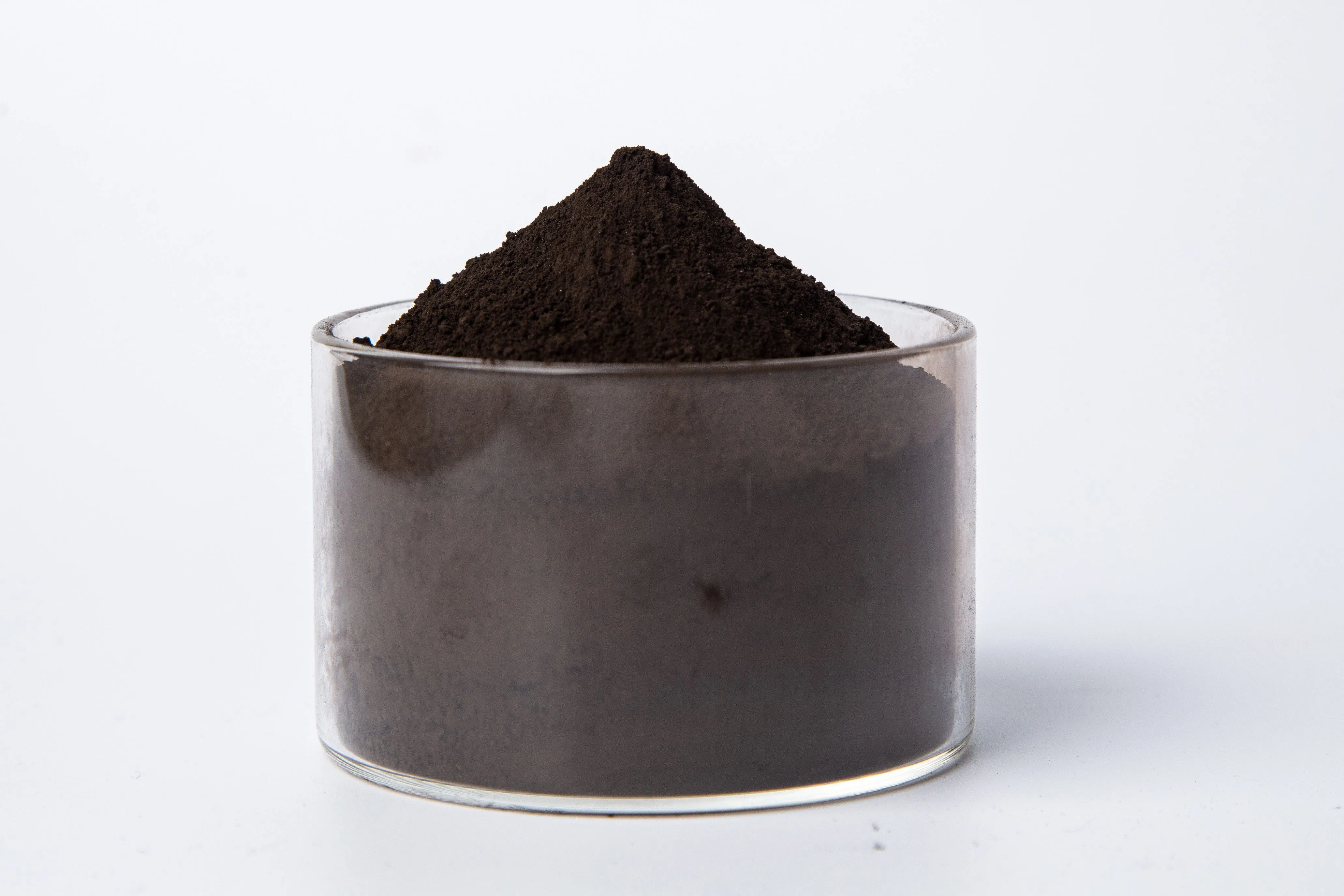
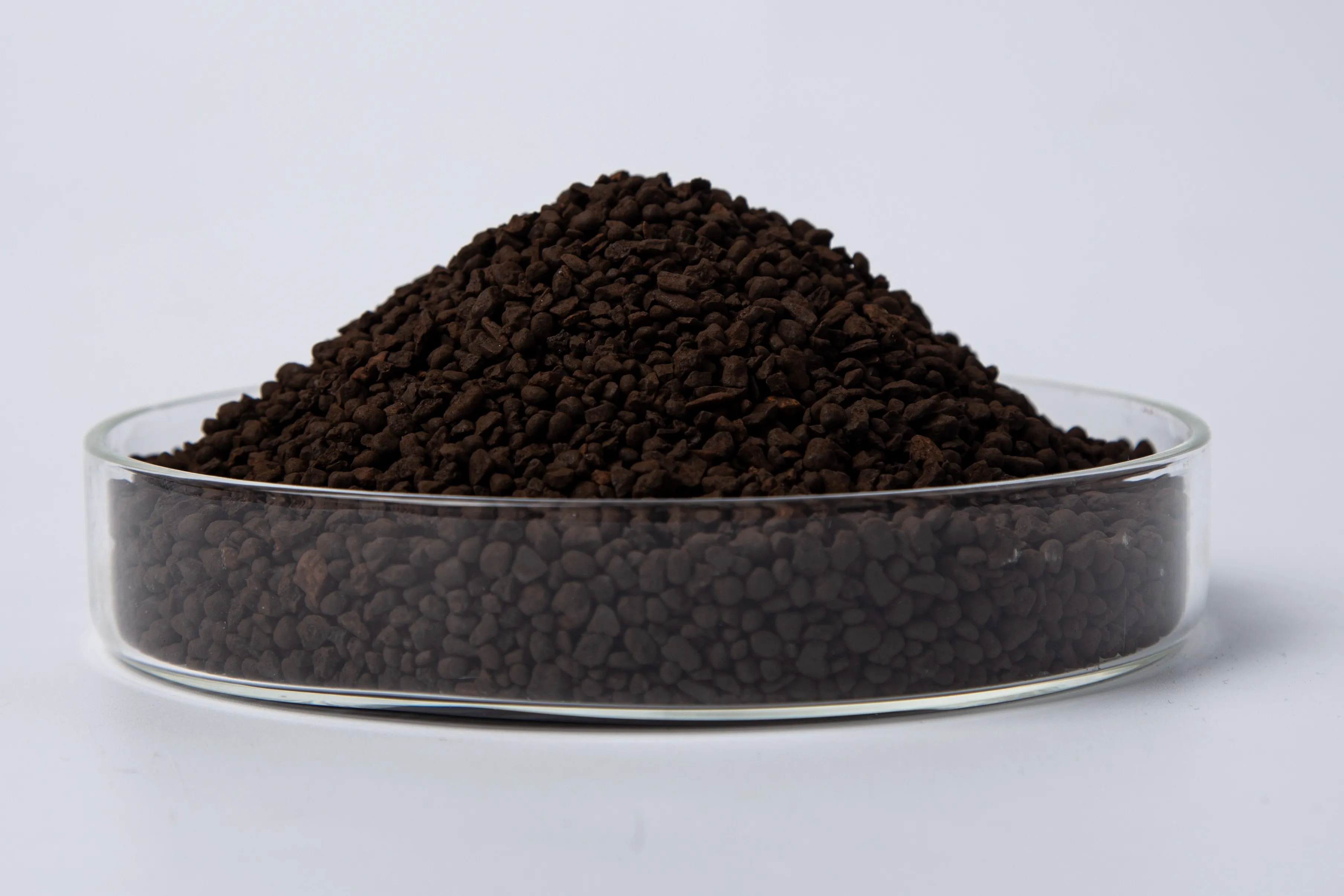
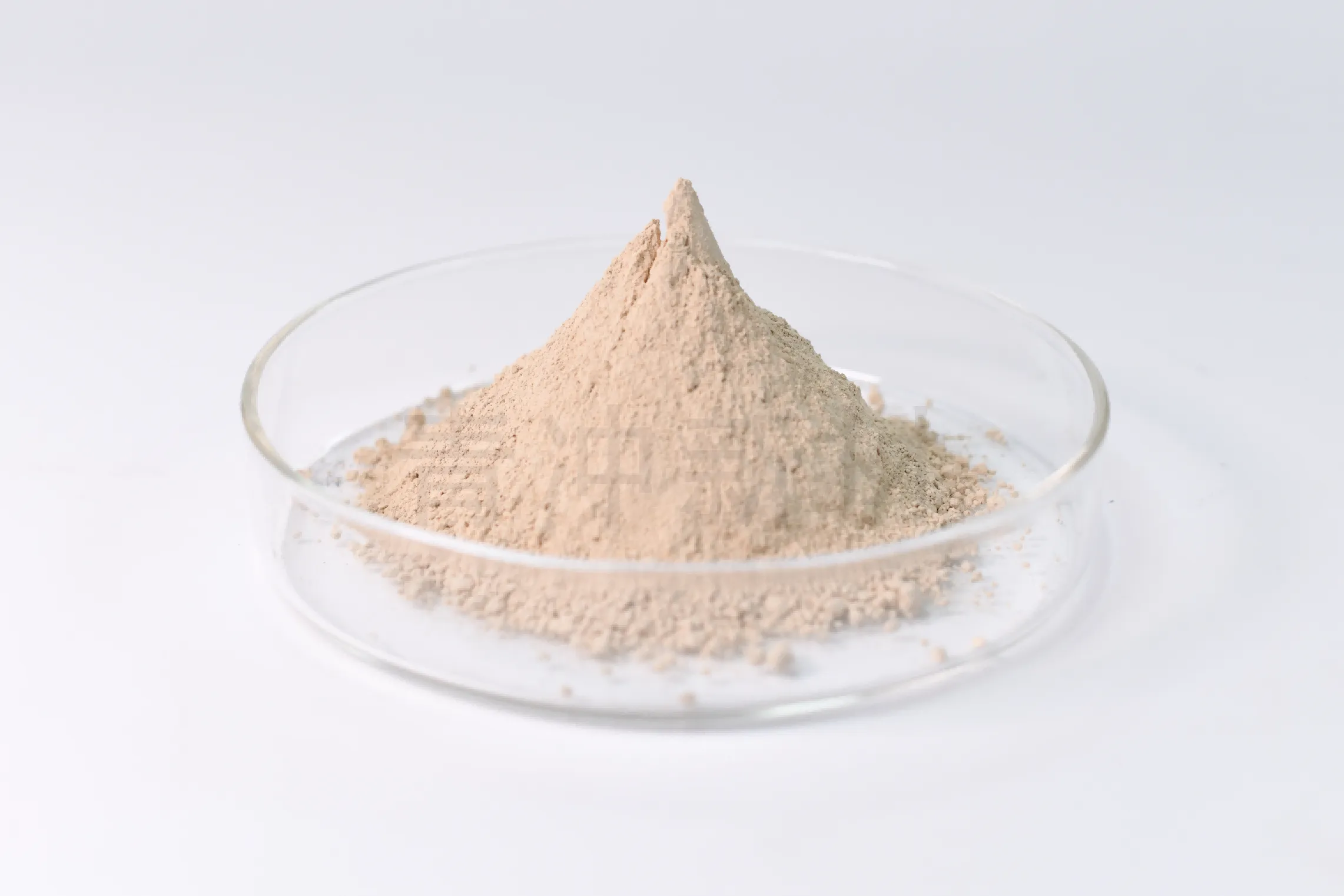
Application of chemical activated carbon and manganese dioxide
In the realm of catalysis, chemical activated carbon and manganese dioxide show up as the primary protagonist that speeds up selective oxidation and reduction reactions in both organic and inorganic processes. The various features like adjustable surface area, shape, and active sites provide the precise control over the reactions and the formation of by-products. Industries use chemical activated carbon and manganese dioxide to their gain by getting higher chemical output at the same time cutting down energy use. It is, too, used in combination with other catalysts in the transformation step of industrial processes such as polymer synthesis and fine chemical production. For engineers, the use of reactivity and stability under extreme conditions translates to process efficiency, high yield, and reproducibility. chemical activated carbon and manganese dioxide being versatile, it is at the front of innovation in chemical manufacturing and thus a material that is highly adaptable for advanced catalytic applications.
The future of chemical activated carbon and manganese dioxide
In the field of industrial catalysis, chemical activated carbon and manganese dioxide is shown to be the most favored option in the future since it is less harmful to the environment and provides more efficiency in the processes. New technologies in surface modification and nanoscale engineering could significantly improve the catalytic activity and selectivity. These characteristics of the material make it easy to predict its redox behavior which is a strong point in its application to multi-step chemical reactions and the manufacturing of renewable chemicals. Thus, it is specific to the future developments that chemical activated carbon and manganese dioxide-based catalysts would be the ones that would be facilitating cleaner, faster, and more energy-efficient industrial transformations driving innovation in chemical processing, fine chemical production, and eco-friendliness in industrial operations.
Care & Maintenance of chemical activated carbon and manganese dioxide
The processing of chemical activated carbon and manganese dioxide goes hand in hand with proper equipment maintenance. No matter what day or hour it is, feeders, mixers, and dosing systems should be checked regularly to make sure that material flows properly and delivery is done accurately. There is a possibility that the residual buildup inside the processing equipment will affect the dosing accuracy and material consistency. Scheduled cleaning and calibration will minimize variations between batches. Smooth internal surfaces and proper alignment further support efficient handling. The processing of materials like chemical activated carbon and manganese dioxide will allow manufacturers to prevent people from noticing variations in performance, minimize the occurrence of breakdowns, and uphold the same quality of production during the whole manufacturing cycle..
QingChong chemical activated carbon and manganese dioxide
Conductive pastes, ferrite cores, and magnetic shielding materials are among the applications of chemical activated carbon and manganese dioxide in the realm of electronics. The material's uniform particle shape delivers high quality and reliable performance in transformers, inductors, and magnetic components. It aids in the production of tight inductance, high permeability, and low energy dissipation. Keeping chemical purity allows the manufacturers to provide stability against thermal and electromagnetic stresses. Besides, chemical activated carbon and manganese dioxide also enables miniaturization of devices through the efficient management of magnetic flux in small designs. Electronic assemblies that are verified to be chemical activated carbon and manganese dioxide integrated will have their functionality and durability improved. In line with the trend towards devices with higher performance and reliability requirements, chemical activated carbon and manganese dioxide becomes an indispensable factor in realizing design goals while steadily being cost-effective and material-efficient in the contemporary electronics applications.
FAQ
Q: How is Manganese Carbonate typically stored before use? A: It is ensured that the material stays in perfect condition by storing it in sealed containers, under dry and stable conditions. Q: Does Manganese Carbonate have good shelf stability? A: If the conditions are right, it will be able to keep its quality through the whole period of storage. Q: Can Manganese Carbonate be used in composite material production? A: Yes, it plays a role in the enhancement of both structural and functional properties of composites. Q: What factors influence the performance of Manganese Carbonate? A: The factors that affect the performance are the material’s purity, the particle size, the processing conditions, and the handling methods. Q: Is Manganese Carbonate suitable for continuous production lines? A: The physical properties that are always consistent make it suitable for the long-term processing of the industry, that is, the continuous processing of the industry.
Reviews
Benjamin Taylor
The Manganese Sulfate we purchased has excellent solubility and consistency, which has helped optimize nutrient formulations for our agricultural products. Quality and supply reliability are excellent.
Charlotte Martin
Manganese Oxide supplied is of superior quality, with uniform particle size and stable chemical composition. It has allowed predictable alloying and chemical reactions, enhancing workflow efficiency in our production lines.
Latest Inquiries
To protect the privacy of our buyers, only public service email domains like Gmail, Yahoo, and MSN will be displayed. Additionally, only a limited portion of the inquiry content will be shown.
Liam****@gmail.comJapan
Dear Supplier, we require Manganese Chloride for chemical synthesis. Please send product specificati...
Oliver****@gmail.comUSA
Dear Supplier, we are looking for Electrolytic Manganese Dioxide for battery production. Please send...
Related product categories
- drying manganese dioxide activated in Russia
- drying manganese dioxide activated in Saudi Arabia
- drying manganese dioxide activated in Indonesia
- drying manganese dioxide activated in Vietnam
- drying manganese dioxide activated in Philippines
- drying manganese dioxide activated in Spain
- drying manganese dioxide activated in Malaysia
- ACMD in United States
- ACMD in Canada
- ACMD in Australia
- ACMD in United Kingdom
- ACMD in France