EN
EN
 CN
CN
 fr
fr es
es ar
ar ru
ru de
de pt
pt tr
tr vi
vi it
it ja
ja ko
ko hi
hi

Solving Iron and Manganese Problems in Your Well Water: A Guide to Manganese Dioxide Filters
A practical, actionable guide for people dealing with well water issues, explaining how to implement this solution.
For well owners, iron and manganese are a common headache. If you're tired of stained laundry and foul-tasting water, a manganese dioxide filter system might be your perfect solution. Here’s how it works and what you need to know.
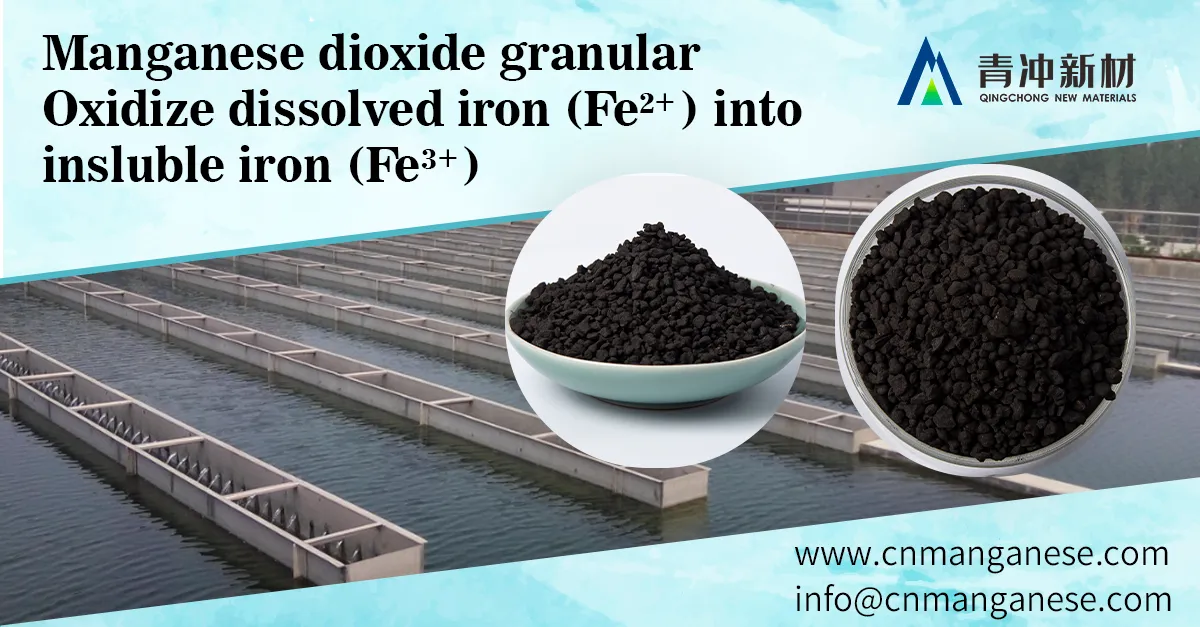
These systems typically consist of a large tank filled with manganese dioxide-coated green sand or a similar synthetic media. The water is directed through this tank, where dissolved iron and manganese are oxidized and trapped in the filter bed.
Key Considerations for Installation:
-
1. Water Testing: First, test your water! You need to know the exact concentration of iron, manganese, and most importantly, your water's pH. Manganese dioxide works best in a specific pH range.
-
2. System Sizing: The size of the tank and the amount of media depend on your water's contaminant levels and your household's water usage.
-
3. Regeneration: Like a water softener, these systems need to "recharge." Periodically, they backwash with a potassium permanganate solution or just plain water and air (depending on the type), flushing the trapped minerals out to the drain and restoring the filter's power.
-
4. Maintenance: Regular maintenance, including adding the regenerant chemical, is crucial for long-term performance.
Investing in a manganese dioxide filter system is a highly effective way to protect your plumbing and appliances and finally enjoy high-quality water from your well.